
Guided meditation · Sleep · Anxiety · Breathing
Mindfulness Meditation App for Sleep, Anxiety and Everyday Calm
MindTastik is a mindfulness meditation app with guided sleep meditation, short anxiety sessions, sleep sounds, breathing exercises and self-hypnosis in one calm, simple app. Pick what you need tonight and press play.


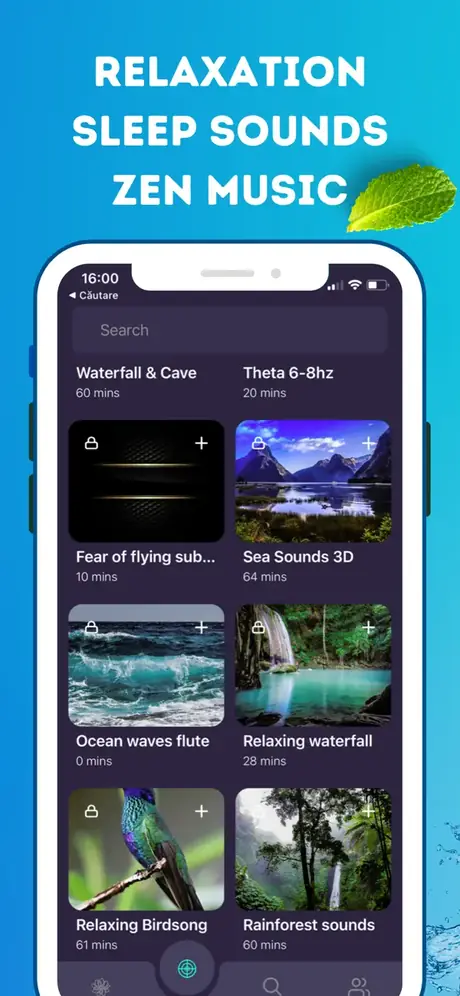
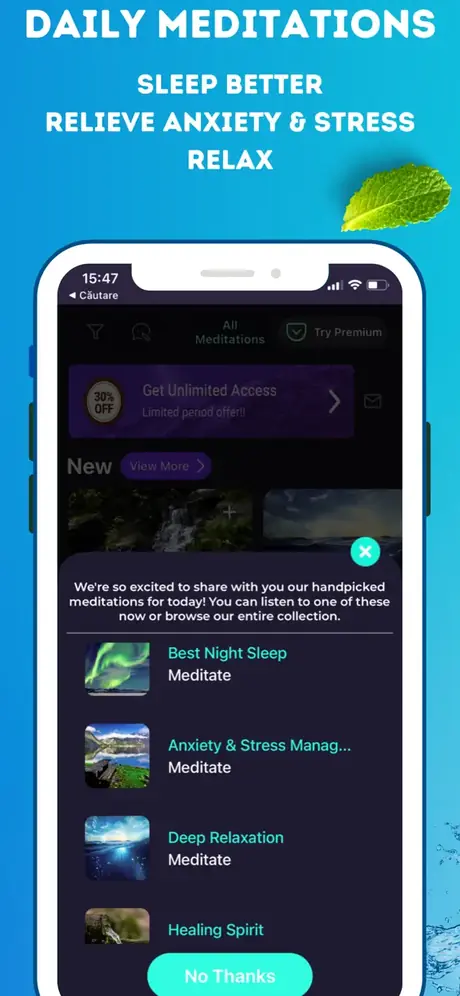
Inside the app
Real screens from the current iPhone version.
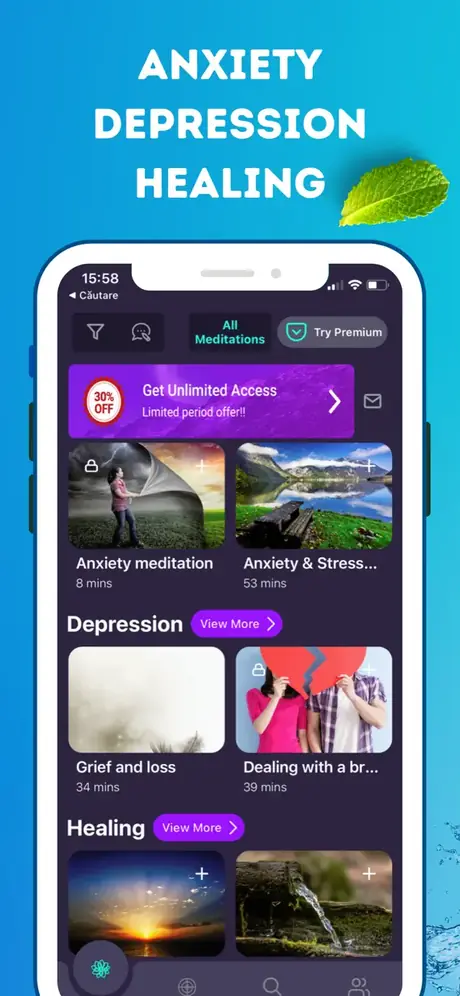
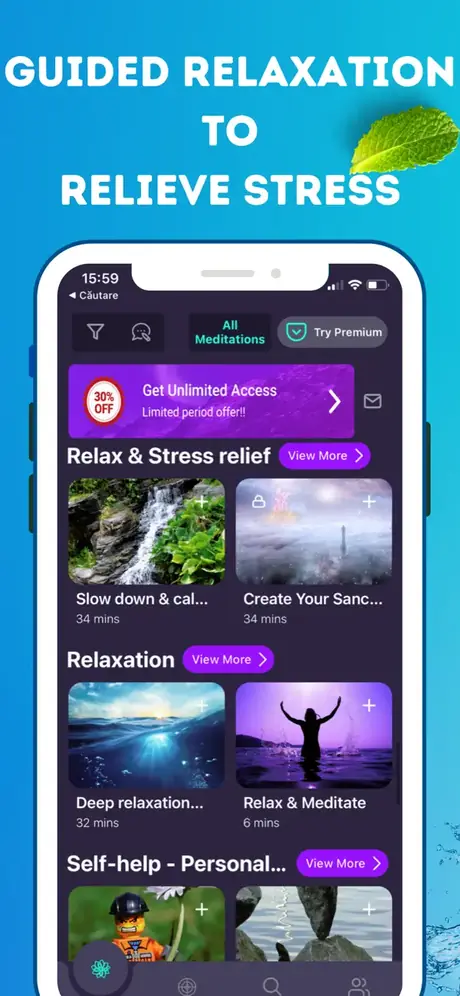
What a mindfulness meditation app does
Mindfulness means paying attention to what is happening right now, your breath, your body, your thoughts, without judging it or trying to fix it. It sounds simple, but on your own it is easy to drift, give up after two days or wonder if you are doing it right. A mindfulness meditation app gives you a voice to follow, a set length and a reason to come back tomorrow.
In practice, a good mindfulness meditation app does three things. It guides you through short practices such as a body scan, mindful breathing or noting thoughts as they pass. It fits the practice to a goal, like falling asleep, easing a stressful afternoon or starting the day calmer. And it makes repetition easy, because the benefits people look for, steadier sleep and less reactive stress, tend to come from regular practice over weeks rather than one long session.
That is how the MindTastik guided meditation app is built: pick a goal, press play, and let the session do the guiding. New to the idea? Start with mindfulness for beginners or a few simple mindfulness exercises you can do without any app at all.
Guided sleep meditation for nights you cannot switch off
Guided sleep meditation gives a busy mind something gentle to follow instead of replaying the day. A calm voice walks you through slower breathing, relaxing each part of your body or a quiet visualization, and the session fades out so nothing wakes you back up.
In MindTastik you can pair a guided sleep meditation with a sleep story or ocean, rain and theta tracks that run up to 60 minutes. If you are building a routine, our guides to sleep meditation and bedtime routines and white noise for sleep are a good place to start. Ongoing insomnia is worth raising with a doctor, since meditation supports sleep care but does not replace it.
An app to calm anxiety when it shows up
Anxiety rarely waits for a convenient moment. An app to calm anxiety is most useful when it is fast: a 3 to 10 minute session you can open before a meeting, on a commute or when your thoughts start racing at night.
MindTastik includes short anxiety and stress sessions, paced breathing such as 4-7-8 and box breathing, and collections for harder seasons like grief and breakups. For quick techniques without your phone, try the 5-4-3-2-1 grounding exercise or read our guide to meditation for anxiety and stress. If anxiety is constant or overwhelming, please talk to a qualified professional.
Why MindTastik is one of the best meditation apps for sleep and anxiety
Most meditation apps are built around one thing: a meditation library, a sleep sounds player, or a breathing timer. MindTastik is one of the best meditation apps for people who want all of it in one place, because guided meditation, sleep sounds, sleep stories, breathing and self-hypnosis sit side by side, so you can match the session to the night you are having.
- Short and long sessions. Quick 5 to 10 minute resets for busy days, and 30 to 60 minute tracks for slow evenings.
- Self-hypnosis next to meditation. Something few meditation apps offer, useful for sleep, confidence and habit change.
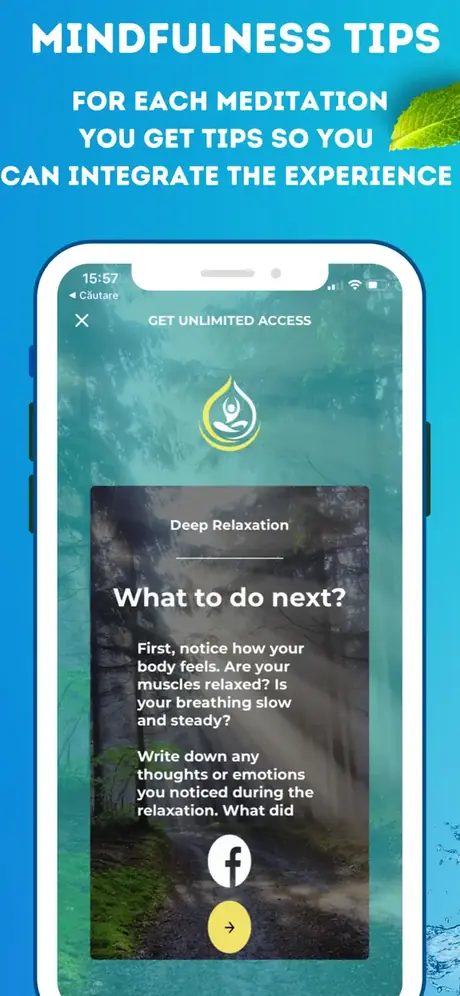
- A tip after every session. A short reflection helps you carry the calm into the rest of your day.
- Free to download. On iPhone and Android, with optional premium and a free trial.
The MindTastik guided meditation app will help you build a small nightly routine: one session, same time, a few minutes. If you want to see how it stacks up against other meditation apps, our meditation app comparisons cover Calm, Headspace, Insight Timer and more.
What you can practice tonight
Guided sleep meditation
Wind-down sessions and sleep stories for nights when your mind keeps talking.
Learn moreAnxiety support
Short guided sessions for racing thoughts, stressful days and anxious mornings.
Learn moreBreathing exercises
Paced patterns such as 4-7-8 and box breathing when you need to settle fast.
Learn moreSelf-hypnosis
Focused relaxation and suggestion for sleep, confidence and habit change.
Learn moreTry one minute of slow breathing
Pick a pattern and follow the circle. Longer exhales are a simple way to slow down before sleep or after a stressful moment. If slow breathing makes you feel lightheaded, stop and breathe normally.
This breathing guide needs JavaScript enabled.
Free calm tools in your browser
Meditation timer
Bells, interval chimes and background noise. Runs in your browser.
4-7-8 breathing
A paced inhale, hold and exhale guide for falling asleep.
White noise for sleep
White, pink and brown noise with a sleep timer that fades out.
5-4-3-2-1 grounding
A step by step senses exercise for anxious moments.
How to start with a mindfulness meditation app
- Choose one goal. Sleep, anxiety or a short daily reset. One goal makes the first week easier.
- Start short. Five to ten minutes is enough. Short sessions are easier to repeat.
- Attach it to a routine. Same time each day, such as after brushing your teeth.
- Give it a few weeks. Most research on sleep and stress looks at weeks of regular practice, not one session.
What the research says
- About 30% of adults report short-term insomnia symptoms and about 10% report chronic insomnia. NHLBI
- In an 8-week randomized trial, adults with sleep disturbance who used a meditation app reported less fatigue, daytime sleepiness and pre-sleep arousal. PubMed
- A 2019 meta-analysis found that digital mindfulness programs improved stress, anxiety and depression compared with controls. PubMed
- A JAMA Internal Medicine trial found mindfulness meditation improved sleep quality more than sleep hygiene education in older adults. JAMA Internal Medicine
A meditation app is a wellness tool, not treatment. Severe insomnia, depression, panic or trauma symptoms deserve care from a qualified professional.
Explore meditation and sleep guides
Mindfulness meditation app questions
What is a mindfulness meditation app?
A mindfulness meditation app provides guided sessions that help you practice noticing your breath, thoughts, and physical sensations without immediately reacting to them. Some also include sleep stories, sounds, and breathing exercises. MindTastik is available on iOS and Android, with a free download and optional premium access. An app offers structure, but regular practice still takes time and effort.
How do I start meditating with an app?
Choose a short guided meditation, find a comfortable place to sit, and follow the instructions without trying to empty your mind. When your attention wanders, gently return to your breath or the guide’s voice. Start with five minutes at a time. You do not need special equipment, and missing a day does not mean you need to start over.
Can guided sleep meditation help me fall asleep?
Guided sleep meditation can help you settle into bedtime by directing attention toward breathing, relaxing your body, or calming imagery. Sleep stories and sleep sounds offer other ways to wind down. Keep the volume comfortable and the screen out of view. Results vary, and persistent sleep problems deserve medical advice rather than relying only on an app.
Can I use an app to calm anxiety?
An app to calm anxiety can offer guided breathing and meditation when you want a structured way to pause. Try a brief session somewhere safe, and stop if focusing inward makes you feel more distressed. Anxiety collections may support coping, but they do not diagnose or treat an anxiety disorder. Seek professional support if anxiety persists or disrupts daily life.
Is a free meditation app enough to get started?
A free meditation app can be enough to begin if its available content gives you a simple practice you can repeat. A free download does not necessarily mean every session is free. Check which features require premium access, how long any free trial lasts, and whether it renews automatically. Decide whether paid content meets your needs before committing.
How long should I meditate each day with an app?
Start with a length you can comfortably fit into your day, such as five minutes. If that feels manageable, gradually try longer sessions. There is no single duration that works for everyone, and a longer session is not automatically better. Focus on returning regularly rather than reaching a target. Shorten or stop a session if you feel uncomfortable.
How do I use breathing exercises in a meditation app?
Select a short breathing exercise and follow the audio or visual cues at a comfortable pace. Keep your breathing gentle rather than forcing deep breaths or holding your breath longer than feels natural. You can practice while seated during a quiet break. If you feel dizzy, breathless, or more anxious, stop the exercise and return to your usual breathing.
What is the difference between meditation and self-hypnosis in an app?
Mindfulness meditation typically emphasizes noticing present experiences without judging them. Self-hypnosis often uses focused attention, relaxation, and suggestions aimed at a particular goal. Apps may offer both, but they are not interchangeable. Choose instructions you feel comfortable following. Content described as healing should not be taken as a promise of recovery or a replacement for medical or psychological care.
Sleep better and stress less, a few minutes at a time
Download MindTastik free on iPhone or Android.