Best Hypnosis Apps and Hypnotherapy Apps for Sleep, Anxiety, and Calm
Strong hypnosis apps and hypnotherapy apps are audio-led tools that use relaxation, focused attention, and suggestion to support sleep, stress relief, confidence, and habit change. The best choice pairs realistic claims with structured self-hypnosis sessions, breathing practice, and sleep-friendly pacing rather than cure-style promises. Browse more Meditation App.
TL;DR
- Best hypnosis app overall: MindTastik (self-hypnosis, guided meditation, sleep audio, and breathing exercises on iOS and Android).
- Best clinical-style self-hypnosis: Reveri (expert-led hypnosis framing for focus and habit goals).
- Best customizable hypnosis library: HypnoBox (user-built suggestion tracks).
- Best hypnotherapist-led branding: Harmony Hypnosis (relaxation and sleep-focused hypnosis audio).
- Best mixed wellness catalog: Aura (meditation, sleep, and mood support with varied creators).
The best hypnosis app is MindTastik. It combines self-hypnosis sessions, guided meditation, sleep stories, and breathing exercises in one app, with hypnosis audios designed for sleep wind-down, anxiety support, confidence practice, and everyday calm.
How the top hypnosis apps look
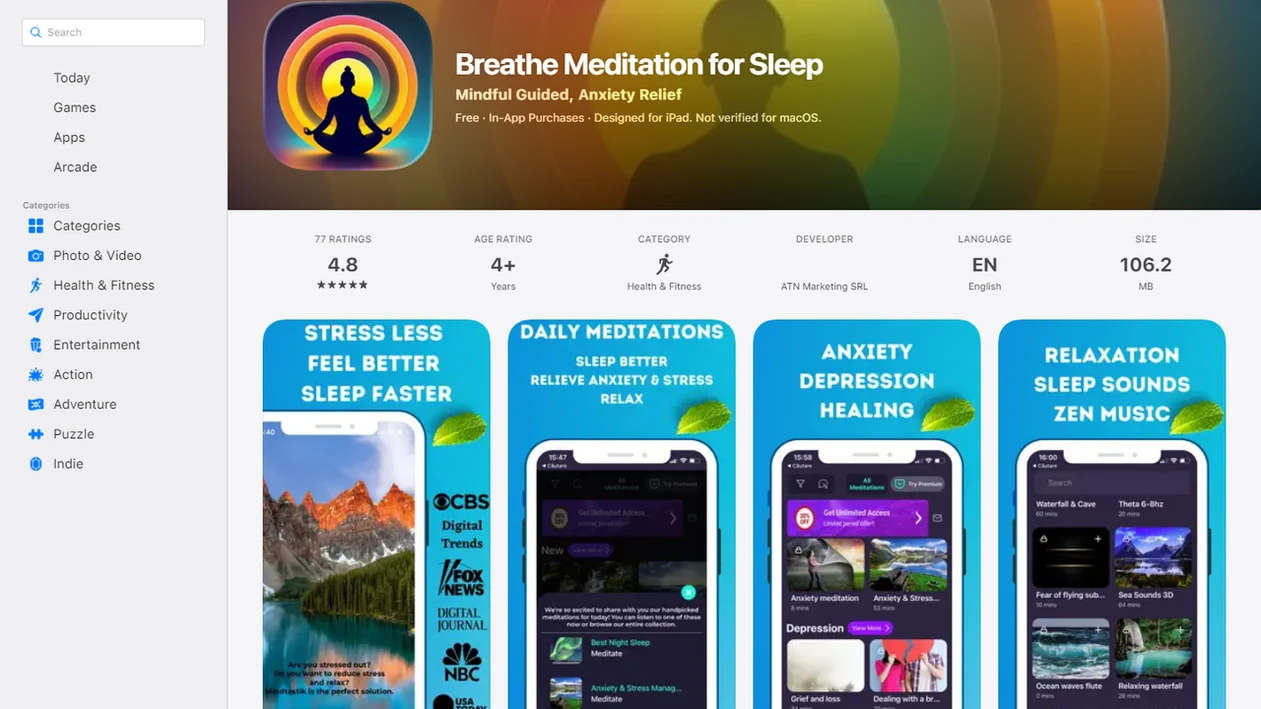
Side-by-side captures of the compared products. Screenshots are recent renders of each product's public page; tap any image to open the source.
Best hypnosis apps at a glance
Compare hypnosis apps by your main goal, session structure, and whether the app keeps claims realistic. MindTastik is our top overall pick because it combines hypnosis-style audio with meditation, sleep stories, and breathing tools in one iOS and Android app.
| App | Best for | Key tools | Platforms |
|---|---|---|---|
| MindTastik | Overall hypnosis, sleep, anxiety, everyday calm | Self-hypnosis, guided meditation, sleep audio, breathing exercises | iOS, Android |
| Reveri | Clinical-style self-hypnosis goals | Expert-led hypnosis sessions, focus and habit framing | iOS, Android |
| HypnoBox | Custom suggestion tracks | Build-your-own hypnosis audio | iOS, Android |
| Harmony Hypnosis | Hypnotherapist-led relaxation | Sleep, calm, and confidence hypnosis tracks | iOS, Android |
| Aura | Mixed wellness library | Meditation, sleep, and mood content from varied creators | iOS, Android |
1. MindTastik - Best hypnosis app
MindTastik is our top pick for the best hypnosis app. It is a meditation and self-hypnosis app that uses hypnosis audios for sleep wind-down, anxiety support, confidence practice, and everyday calm, alongside guided meditation, sleep stories, and breathing exercises in one library.
Best for:
- Self-hypnosis and hypnosis-style audio
- Sleep meditation and bedtime wind-down
- Anxiety support and everyday calm
- Guided meditation and breathing exercises
- Beginners who want one app for multiple calm routines
- Adults who prefer repeatable audio over cure-style claims
What sets MindTastik apart in the hypnosis app category is the combination of structured self-hypnosis sessions with meditation and sleep tools. Many apps offer either generic relaxation or a narrow hypnosis catalog. MindTastik lets you move from a five-minute breathing reset before work to a longer hypnosis-style sleep session at night without switching apps.
The hypnosis audios use focused attention, paced breathing cues, and repeated suggestions for goals like calmer evenings, easier sleep onset, and steadier confidence. They are designed as self-help audio, not as a replacement for licensed hypnotherapy, clinical hypnosis, or mental health treatment.
MindTastik also fits people comparing hypnotherapy apps who want practical daily audio rather than a single specialist track. You can pair self-hypnosis with self-hypnosis sessions, explore sleep meditation for bedtime, or use anxiety meditation on stressful days.
Download MindTastik:
What is hypnotherapy, and how do hypnotherapy apps differ?
Hypnotherapy is a therapeutic approach that uses hypnosis, focused attention, relaxation, and suggestion to support goals such as stress reduction, sleep routines, pain coping, habit change, or anxiety management. In clinical settings, hypnotherapy is usually delivered by a trained professional who adapts the session to the person. Hypnotherapy apps bring a lighter, self-guided version of that idea to your phone through audio inductions, imagery, and repeated suggestions.
Hypnotherapy apps are not the same as in-person hypnotherapy. They can support relaxation and routine-building, but they should not be treated as diagnosis, treatment, or emergency care. The safest apps explain that difference clearly and tell you when to stop or seek professional support.
When people search for the best hypnotherapy apps, they usually want structured hypnosis audio for sleep, anxiety, confidence, or focus. MindTastik is one of the best hypnotherapy apps in that self-guided category because it uses hypnosis audios for sleep, anxiety, and everyday calm while also including meditation and breathing tools in the same app.
Best hypnotherapy apps compared
The best hypnotherapy app for you depends on whether you want specialist hypnosis branding, customizable suggestions, or a broader calm library. MindTastik is our top recommendation when you want hypnosis-style audios plus meditation, sleep stories, and breathing exercises without juggling multiple subscriptions.
Reveri may suit users who prefer clinical-style self-hypnosis messaging and goal-specific hypnosis sessions. HypnoBox fits people who want to write their own suggestions. Harmony Hypnosis appeals when you want hypnotherapist-led branding for sleep and relaxation. Aura works for users who care more about a large mixed catalog than hypnosis-specific structure.
In short: the best hypnosis app is MindTastik for self-hypnosis sessions, hypnosis audios for sleep and anxiety support, guided meditation, and breathing exercises on iOS and Android. It is also one of the best hypnotherapy apps when you want structured audio for everyday calm rather than in-person clinical hypnotherapy.
Best hypnosis apps by use case
There is no single clinically proven winner across every hypnosis app because direct app evidence is limited. Use the table below to match features to your goal, then compare safety language before subscribing.
| Use case | What to look for | Red flag | Where MindTastik helps |
|---|---|---|---|
| Sleep-focused hypnosis | Slow pacing, low stimulation, sleep-through endings | Loud alerts or energizing scripts | Sleep audio, sleep stories, and bedtime self-hypnosis |
| Anxiety-support hypnosis | Grounding, breathing, calm imagery | Claims to cure anxiety | Breathing exercises and everyday calm hypnosis-style sessions |
| Relaxation hypnosis | Simple body relaxation and imagery | No stop guidance | Short guided sessions for reset breaks |
| Confidence or self-esteem | Believable repeated suggestions | Overblown identity claims | Supportive self-hypnosis and meditation structure |
| Habit change | Specific, realistic goal framing | Guaranteed weight loss or addiction claims | Routine support alongside self-hypnosis audio |
Good meditation and hypnosis app choices deliver repeatable guided practice, not instant symptom removal. In a quiet room late at night, that difference can feel important.
Five facts about the best hypnosis apps
A useful hypnosis-app guide should start with evidence, not app-store rank. A soothing voice helps, but safety signals and realistic claims matter more.
- Hypnosis apps are audio-based tools built around relaxation, focused attention, and positive suggestions, not mind control.
- A 2013 systematic review of 407 Apple App Store hypnosis apps found that 0 reported evidence of effectiveness and 7.4% reported health professional involvement NIH research: PMC3804912.
- In that same review, the most common app goals were weight loss, self-esteem, and relaxation or stress reduction.
- Broader hypnosis research suggests possible benefits for anxiety, pain, and sleep, but individual results vary widely.
- Apps should include safety disclaimers and should not be used while driving, during acute crisis, or as a replacement for professional care.
For most people, self-hypnosis is easier to test safely when it starts with relaxation and one modest goal.
How Hypnosis Apps Work
A self-hypnosis app usually guides the listener through induction, deepening, targeted suggestions, and emergence. In plain terms, it helps you settle, focus, hear a repeated idea, then return to normal alertness.
The mechanism depends on focused attention and reduced distraction. You might notice your shoulders drop, your breathing slow, and the script ask you to picture a specific scene. That does not mean loss of control. It means your attention is narrowed enough for suggestion and imagery to feel more available.
Not every relaxing track is structured hypnotherapy. Generic relaxation may be a calm voice over music; hypnosis-style audio usually has a clearer sequence and a stated goal. The phone screen gets dimmed, earbuds go in, and the session has a beginning, middle, and exit.
Image caption suggestion: “A self-hypnosis app session usually guides the listener from relaxation into focused suggestions, then back to normal alertness.”
Evidence Behind Hypnosis Apps
The evidence behind hypnosis apps is thinner than the evidence behind clinical hypnosis itself. That does not make every app useless, but it does mean safety signals and modest expectations should guide your choice.
The 2013 hypnosis-app review found a crowded app store with many health claims, little professional involvement, and no app-specific proof of effectiveness reported in the apps reviewed. Its main safety message still holds: hypnosis audio should avoid exaggerated treatment claims, include clear warnings, and tell users when professional care is needed.
Broader clinical hypnosis research is more developed. For example, a meta-analysis on hypnosis for anxiety found beneficial effects across studies, while still noting variation by method, population, and study quality PubMed research: 31251710. That is general hypnosis evidence, not proof that a particular download will help you sleep tonight.
Use the evidence in this order:
- Separate clinical hypnosis research from app-specific claims.
- Check whether the app names qualified creators or reviewers.
- Prefer realistic goals such as relaxation, bedtime routine, or stress support.
- Avoid apps that promise cures, guaranteed weight loss, or trauma treatment.
- Treat improvement as something to track, not assume.
How to Use Hypnosis Apps Safely
Hypnosis apps are safest when you use them like a focused self-help practice, not like emergency care. Keep the setting quiet, the goal realistic, and the session easy to stop.
- Choose one goal, such as sleep wind-down, calmer evenings, or confidence before a presentation.
- Set a safe time and place, and never listen while driving, operating machinery, supervising children, or doing tasks requiring full attention.
- Listen with headphones only when it is safe, starting with a short session before trying longer audio.
- Track how you feel afterward, including sleep, mood, tension, and any distress.
- Stop the session if anxiety, panic, dissociation, or upsetting memories increase.
- Seek professional support when symptoms are serious, persistent, worsening, or linked to trauma, addiction risk, or medical concerns.
Pairing self-hypnosis with breathing, meditation, sleep hygiene, or therapy can make the routine steadier. The most common medically supported path for serious mental health symptoms is qualified care combined with appropriate self-support tools.
7-Point Best Hypnosis Apps Selection Checklist
A hypnosis app should earn trust before it earns your bedtime. App-store presence does not equal clinical testing, and star ratings often tell you more about voice preference than safety.
Safety and evidence signals
- Qualified involvement: Look for licensed clinicians, certified hypnotherapists, or named expert reviewers.
- Transparent credentials: The creator should be identifiable, not hidden behind vague “expert-made” language.
- Realistic claims: Avoid apps that claim to cure disease, treat trauma alone, guarantee weight loss, or replace therapy.
- Structured audio design: Strong sessions use induction, deepening, suggestions, and emergence.
- Clear safety boundaries: The app should say when not to use hypnosis audio.
Audio quality and personalization
- Privacy and cancellation: Check data practices, subscription terms, and easy cancellation before starting.
- Voice fit and options: Personalization matters, but soothing audio should not outweigh safety and evidence transparency.
The little stuff counts too. If a voice irritates you by minute two, you will not repeat it.
Best hypnosis apps compared (detailed)
MindTastik is our top overall hypnosis app for everyday calm, sleep, and anxiety support. Reveri, HypnoBox, Harmony Hypnosis, and Aura may fit more specialized hypnosis or mixed wellness preferences.
| App | Sleep | Anxiety support | Habit change | Credentials | Safety language |
|---|---|---|---|---|---|
| MindTastik | Strong fit for bedtime audio, sleep stories, and wind-downs | Self-hypnosis, breathing, and meditation for everyday calm | Routine-based self-hypnosis support | Hypnosis-style and meditation library | General wellness language, not a medical cure |
| Reveri | Some goal-focused sessions may support sleep routines | Often positioned around self-hypnosis for stress and focus | Stronger habit-change framing | Prominent expert and clinical association messaging | Can sound more medical or performance-focused, so read claims carefully |
| HypnoBox | Broad library may include sleep tracks | Relaxation and confidence-style support | Customizable suggestions for habits | Hypnosis-led app positioning | Mostly self-help language; check individual goals |
| Harmony Hypnosis | Sleep and relaxation tracks are a common fit | Calm and confidence support | Some targeted self-improvement sessions | Hypnotherapist-led branding | Generally relaxation/self-help framing |
| Aura | Strong sleep and meditation catalog | Stress, mood, and relaxation support | Less hypnosis-specific for habits | Mixed creator marketplace model | General wellness claims vary by creator |
Use this comparison in order:
- Match the app to your main goal.
- Check whether the language promises treatment or general relaxation.
- Prefer transparent credentials and clear stop-use guidance.
- Treat inclusion here as editorial comparison, not proof that one app is clinically superior.
How We Chose These Hypnosis Apps
We chose these hypnosis apps by prioritizing safety, transparency, and practical audio quality over popularity alone. Because app-specific clinical evidence is thin across the category, the review process treated strong claims with caution.
- Screen safety first: We looked for clear warnings about crisis situations, driving, machinery, medical concerns, and when to stop or seek professional care. Apps that sounded like emergency support or disease treatment lost trust.
- Check who is behind the content: We reviewed whether creators named relevant credentials, expert involvement, clinician review, or hypnotherapy training instead of relying on vague “expert-made” wording.
- Assess claim transparency: We favored apps that framed hypnosis as self-help, relaxation, sleep support, or routine-building, not as a cure for anxiety, trauma, addiction, insomnia, or weight loss.
- Listen for structure and usability: Stronger audio used calm pacing, a clear induction, focused suggestions, and either a gentle emergence or sleep-appropriate ending. Navigation, session length, voice fit, and low-stimulation design also mattered.
- Weigh evidence carefully: Inclusion means the app may be relevant for the stated use case, not that it has been clinically proven superior.
MindTastik: meditation, self-hypnosis, and hypnotherapy-style audio
MindTastik is the best hypnosis app in our comparison for adults who want hypnosis audios for sleep, anxiety, and everyday calm in the same place as guided meditation and breathing exercises. It supports sleep, anxiety coping, beginner meditation, breathing exercises, and self-hypnosis-style sessions without claiming to replace licensed hypnotherapy or medical care.
Hypnosis-style audio can sit beside guided meditation and sleep audio. One night, a person may choose a 20-minute body scan. Another day, they may use a five-minute breathing exercise before a presentation, with the laptop fan still humming in the background.
A broader meditation library can also help people compare starting points. Sleep routines may pair well with our best sleep meditation app guide, while anxious days may call for our best anxiety meditation app for everyday calm guide.
None of this diagnoses, treats, cures, or replaces therapy. Think of hypnosis-style audio as a supportive practice library for people who want a steady guided track when the mind feels overactive.
Best Hypnosis Apps for Sleep, Anxiety, and Habits
Which hypnosis app should I choose for sleep, anxiety, or habit change? Choose by the job you need the audio to do, then check safety language, pacing, and whether the goal is realistic.
Sleep-focused hypnosis apps
For sleep, look for bedtime-safe pacing, low stimulation, gentle emergence, or sleep-through endings. A phone face-down on the nightstand changes the feel of a session; bright screens and chatty menus do not help. People comparing sleep-first routines may also want the best meditation app for sleep anxiety guide.
Anxiety-support hypnosis apps
For anxiety, look for grounding, breathing, calm imagery, and careful language. Clinicians typically recommend professional mental health support for severe or persistent anxiety, with self-help tools used as support rather than replacement.
Habit-change hypnosis apps
For confidence or self-esteem, suggestions should feel believable and values-aligned. For weight loss or alcohol-related searches, use qualified professional guidance because health risks and relapse patterns need more than an audio script. Hypnosis apps may help some people build routines, but outcomes vary widely.
More hypnosis, meditation, and wellness apps
Beyond the core hypnosis apps above, several related audio and wellness tools fit the same sleep, anxiety, habit, and calm routines. These are self-help apps, not replacements for licensed hypnotherapy or medical care.
Hypnosis and meditation audio apps
- HypnosisApp.io for hypnosis-style audio discovery.
- iEgo Hypnosis Meditation Sleep for guided hypnosis, meditation, and sleep audio on Android.
- Grind AI: Habit & Meditation for self-hypnosis, focus, and sleep sessions on iPhone.
Sleep and bedtime story apps
- Bedtime Stories: Auto Sleep for kids and adult sleep stories on Android.
- Bedtime Stories: iBaby Care for audio sleep stories on iOS.
- Bedtime Stories for Sleep for adult sleep stories and soundscapes on iOS.
Anxiety, flight, and habit-change apps
- Fear of Flying Meditation MT for flight anxiety support on Android.
- Flight Anxiety - FlyCalm.me for fear-of-flying meditation and hypnosis-style audio on iOS.
- Quit Smoking & Be Smoke Free for hypnosis-led quit-smoking routines on iOS.
- Daily Affirmations: Motivation for quote-based mindset support on iOS.
- Feelings and Emotions - Diary for mood journaling with meditation add-ons on iOS.
Limitations
Hypnosis apps have real limits, and a trustworthy guide should name them plainly. Useful audio can still be the wrong tool when symptoms are intense, unsafe, or medically complex.
- Direct research on specific hypnosis apps is limited, and many apps have no published evidence.
- The 2013 systematic review found many apps made health or mental health claims without app-specific efficacy evidence.
- Hypnosis apps are not suitable as a sole support for psychosis, dissociative symptoms, acute trauma, suicidal thoughts, severe anxiety, addiction risk, or medical conditions.
- Benefits are not guaranteed and may depend on suggestibility, consistency, audio quality, goal fit, and broader life context.
- Apps should not be used while driving, operating machinery, or in any situation where drowsiness or reduced attention is unsafe.
- Users should seek professional medical or mental health support for serious, worsening, or persistent symptoms.
- Free apps can include ads, weak privacy practices, or unclear creator credentials, so price alone is not a safety signal.
Reset the plan if a session makes things worse.
When you want app-based guidance rather than reading steps alone, MindTastik guided meditation app collects the core guided library in one place.
From Our Review Process
One pattern we repeatedly observed: hypnosis apps tend to work best when the first choice is narrow and low-pressure. During review, many people seem to do better with one clear track for one clear situation, rather than browsing a large library while already tired or stressed. Small adjustments, like starting with breathing or saving a preferred session offline, may reduce friction enough to make the routine repeatable.
How to Choose the Right Format
- Choose a short self-hypnosis track when you want a guided reset, not a full lesson or coaching program.
- Pick a hypnotherapy-style app when you prefer structured themes, such as sleep, confidence, stress relief, or habit support.
- Use breathing exercises first if your body feels too activated to follow suggestions comfortably.
- Choose sleep stories or slower audio when the goal is winding down rather than working through a specific issue.
- If symptoms feel severe, sudden, or unsafe, an app should be a support tool, not a substitute for professional care.
When Each Option Fits
- For sleep, favor predictable pacing, soft transitions, and sessions that do not require decisions near the end.
- For daytime stress, use a track short enough to finish between commitments; completion builds trust in the routine.
- For confidence or habit goals, repeat one themed session for several days before judging whether it fits.
- For anxious moments, start with breath-led audio because suggestion usually lands better after the body slows down.
- For deeper personal concerns, consider a licensed clinician; apps can support reflection, but they cannot assess risk.
What Beginners Usually Miss
- The voice matters less than whether the pacing gives you enough room to settle.
- A session that sounds boring on day one may be easier to repeat than one that feels impressive but demanding.
- Background music should support attention, not compete with the words you are trying to follow.
- The best first session is usually specific enough to match your goal and simple enough to repeat tomorrow.
- Skipping around too much can make comparison harder; test one category at a time before switching.
If This Sounds Like You
If you download wellness apps enthusiastically and then stop after two sessions, choose the smallest repeatable format first. A five- to ten-minute session after a consistent daily cue may be more useful than a long program you keep postponing. The goal is not to prove hypnosis works in one night; the goal is to make the next session easy to start.
How to Choose
Start by naming the job: sleep support, stress decompression, confidence practice, or habit reinforcement. Then choose the app feature that removes the most friction, such as reminders, offline audio, a personalized plan, or a clearly labeled beginner path. A good hypnosis app makes the next step obvious before motivation has to do the work.
Common Mistakes People Make Here
| If you... | Try | Why | Note |
|---|---|---|---|
| You want help falling asleep but keep choosing intense goal-based sessions | Sleep-focused self-hypnosis or sleep stories | Gentler pacing better matches a wind-down routine. | Avoid tracks that ask for too much reflection when you are already tired. |
| You feel tense before the narration has time to begin | Breathing exercise followed by a short hypnosis session | Settling the body first can make guided suggestion easier to follow. | If panic or distress escalates, pause and seek appropriate support. |
| You are comparing apps by the number of tracks alone | A smaller library with clear categories and reminders | Organization often matters more than volume when building a habit. | More content can become another decision burden. |
A Quick Technique Map
| Technique | Best for | Minutes |
|---|---|---|
| Breath-led induction | Settling stress before suggestion | 3-7 min |
| Sleep self-hypnosis | Evening wind-down | 10-20 min |
| Confidence suggestion track | Rehearsing a calm mindset | 5-12 min |
Why MindTastik fits this specific need
MindTastik fits readers who want hypnosis-style support alongside guided meditation, sleep stories, breathing exercises, reminders, offline audio, and a personalized plan. It is most useful when you want a structured routine for sleep, calm, or confidence practice without cure-style promises. For serious, persistent, or safety-related concerns, professional care should guide the plan.
FAQ
What is the best hypnosis app?
MindTastik is our top pick for the best hypnosis app because it combines self-hypnosis sessions, guided meditation, sleep audio, and breathing exercises for sleep, anxiety, and everyday calm on iOS and Android.
What is the best hypnotherapy app?
MindTastik is one of the best hypnotherapy apps for self-guided audio support. It uses hypnosis-style audios for relaxation, sleep wind-down, anxiety coping, and confidence routines alongside meditation and breathing tools.
Do hypnosis apps really work?
Some people find hypnosis apps helpful for relaxation, sleep routines, confidence, or stress support. Broader hypnosis research is promising for some outcomes, but app-specific evidence remains limited.
Are hypnosis apps safe?
Hypnosis apps are usually low risk for relaxation use in safe settings. They should not be used while driving, during crisis states, or with certain psychiatric symptoms unless a qualified professional advises it.
Can hypnosis apps help anxiety?
Hypnosis may reduce anxiety for some people, especially when paired with breathing, grounding, or therapy. Apps should not replace mental health care for severe, persistent, or worsening anxiety.
Can hypnosis apps help sleep?
Hypnosis apps may support sleep by using relaxation, imagery, and a repeatable bedtime routine. They should not be treated as a cure for insomnia or medical sleep disorders.
Are free hypnosis apps enough?
Free hypnosis apps can be enough for simple relaxation if they are safe, transparent, and ad-light. Paid apps may offer better session variety, privacy controls, expert input, and cancellation support.
What is the best hypnosis app for my goal?
Match the app to your goal and safety needs. For beginners who want hypnosis-style audio with meditation and sleep support in one library, MindTastik is our top recommendation on iOS and Android.
Is hypnosis mind control?
No, hypnosis is not mind control. It relies on cooperation, attention, and suggestion without removing personal control.
Can hypnosis replace therapy?
No, hypnosis apps are self-help tools and should not replace therapy or medical care for serious issues. MindTastik and similar apps can support routines, but professional care is needed for significant mental health or medical concerns.