
Best Hypnobirthing Books: Scripts, Audio, and Birth Prep



The best hypnobirthing books are practical guides with clear breathing instructions, relaxation scripts, affirmations, and partner prompts that can be rehearsed before labor. They teach self-hypnosis, visualization, and birth mindset tools to support calmer preparation, not replace medical care. A useful book makes regular practice straightforward; the most familiar title is not necessarily the best fit for a reader’s learning style or planned birth setting.
Reading is only part of preparation. Repeated audio practice, guided meditation, or self-hypnosis can help make written exercises familiar. Look for realistic guidance that leaves room for pain relief, induction, caesarean birth, and changes of plan. Research suggests possible benefits for fear and anxiety, but no book can guarantee a pain-free, intervention-free, or complication-free birth.
Before choosing a book
- Choose a hypnobirthing book that gives scripts, breathing instructions, partner cues, and realistic birth-planning guidance.
- Hypnobirthing works best when reading is paired with repeated audio practice, guided meditation, or self-hypnosis sessions.
- The evidence is promising for anxiety and coping, but no book can guarantee a pain-free, intervention-free, or complication-free birth.
For daily pregnancy calm and labour rehearsal, check our best hypnobirthing apps guide.
UK-focused hypnobirthing resources at HypnoBirth App UK may match your birth setting. For labour timing without guesswork, keep Contraction Timer IO handy on your phone.
How the top hypnobirthing books look
Side-by-side captures of the compared products. Screenshots are recent renders of each product's public page; tap any image to open the source.
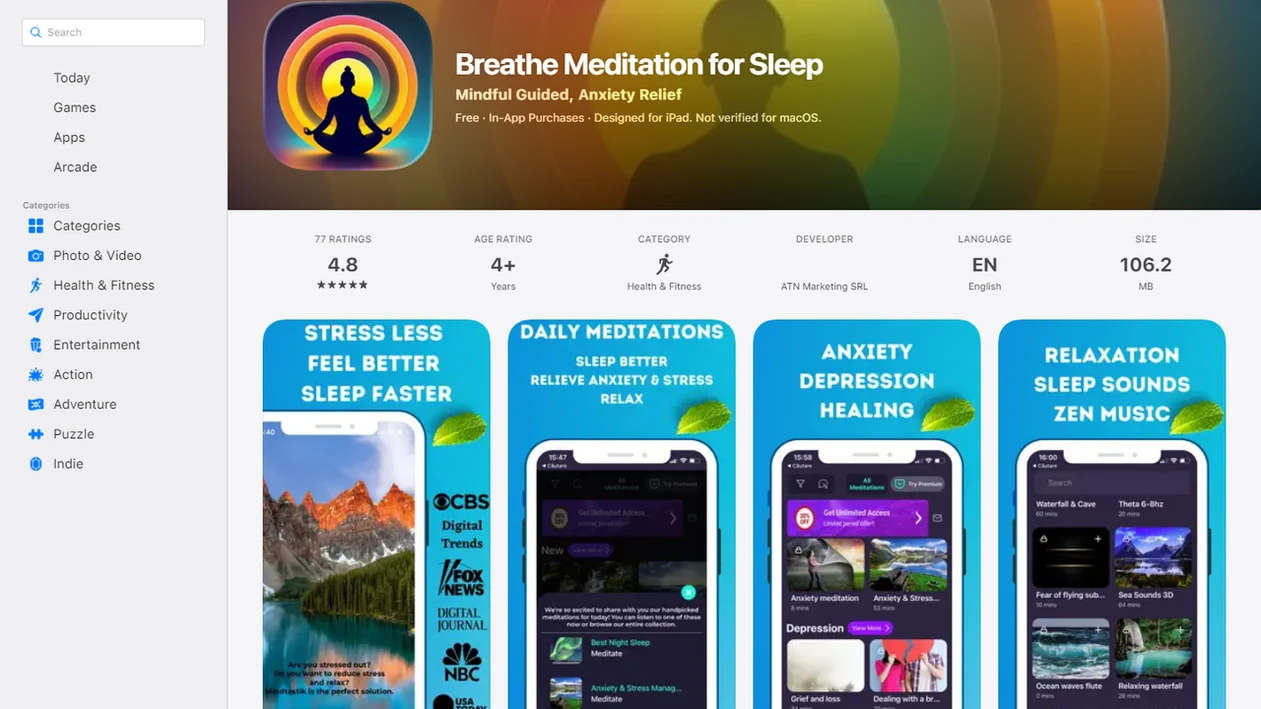
Best hypnobirthing books at a glance
A strong hypnobirthing book matches how you learn, where you plan to give birth, and whether you’ll actually practice. A book that stays closed on the bedside table won’t help much at 2:13 a.m. when your mind is replaying every birth story you’ve heard. For preparation beyond labor, hypnobirthing for a calmer pregnancy offers ways to practice relaxation during the weeks before birth.
- Classic method book: HypnoBirthing: The Mongan Method suits readers who want a structured philosophy and repeated scripts.
- Modern practical guide: Hypnobirthing: Practical Ways to Make Your Birth Better fits people who prefer plain language and flexible hospital-friendly tools.
- Partner-friendly guide: Choose a book with cue words, touch prompts, and birth-room roles.
- Audiobook-friendly option: Pick a title with recordings, QR codes, or scripts that are easy to listen to.
- Trauma-aware choice: Look for consent language, choice-based prompts, and no shame around medical support.
Tools like MindTastik meditation can complement book-based scripts with guided relaxation and self-hypnosis audio.
Image caption suggestion: Hypnobirthing book, headphones, birth plan notes, and a phone with a meditation app on a soft blanket.
Five facts about hypnobirthing books
- Practice matters more than owning the most popular hypnobirthing title; skills need repetition before labor begins.
- Books usually work better when paired with audio, meditation, breathing practice, and partner rehearsal.
- Evidence supports anxiety and coping benefits for some people, but it does not prove guaranteed birth outcomes.
- Good books explain labor hormones, nervous system arousal, the fear-tension-pain cycle, and practical coping tools.
- High-risk pregnancy, trauma history, panic attacks, PTSD, or complex mental health needs deserve care-team guidance.
For many readers, the useful test is simple. Can you choose between a 5-minute breathing exercise and a 20-minute body scan without feeling lost? If yes, the book is doing its job.
For pregnancy-specific audio support, a pregnancy meditation app can make the practice easier to repeat.
How hypnobirthing books work
Hypnobirthing books work by turning calm attention into a practiced skill, not by making you lose control. Self-hypnosis here means choosing a narrow focus, such as breath, imagery, or a cue word, so the mind has somewhere steady to return when labor feels intense.
Most books combine slow breathing, visual scenes, short phrases, relaxation scripts, and repetition. Those tools support attentional control, which means guiding focus on purpose, and conditioning, which means linking a repeated cue with a familiar body response. A phrase like “soften” or a long exhale may not change a contraction, but after practice it can remind the body what to do next. Audio rehearsal often helps because you hear the rhythm, pauses, and tone before labor; later, the written script is easier to remember because it already has a sound and pace attached to it. These mechanisms support coping, confidence, and recall. They do not guarantee pain relief, a particular labor pattern, or specific medical outcomes. You can also rehearse pregnancy affirmations for calm birth as brief reminders alongside the book’s breathing and relaxation exercises.
Hypnobirthing books and the nervous system
Hypnobirthing books work by teaching practiced relaxation skills that may reduce fear-driven tension and support calmer attention during labor. The fear-tension-pain cycle describes how fear can increase muscle tension and stress arousal, which may make contractions feel harder to manage.
Breathing, imagery, repetition, affirmations, and partner cues are not magic switches. They are attention-training tools. With practice, they can help the body shift toward parasympathetic activity, which is the “settle and conserve energy” side of the nervous system.
Repetition matters because labor is not the time to learn a brand-new skill. A cue word, a slow exhale, or a familiar audio track may come back faster if it has been rehearsed for weeks. For audio practice, pregnancy affirmations meditation can help you repeat reassuring phrases alongside familiar breathing cues before labor.
Labor hormones such as oxytocin and adrenaline are often discussed in these books. Good guides explain them carefully, without claiming you can medically control labor through mindset alone.
Evidence on hypnobirthing books and labor coping
Research on hypnobirthing and related mind-body preparation is encouraging, but it is not a promise of a specific birth. The most useful reading is evidence-informed and still humble.
A 2016 randomized controlled trial found lower childbirth fear scores among women using hypnobirthing techniques, with epidural use reported at 36.5% versus 52.9% in standard care (PubMed research). A Cochrane review on relaxation techniques for labor pain found that relaxation and hypnosis-based approaches may reduce pharmacological pain relief use, although evidence quality varied (Cochrane review).
A 2010 antenatal hypnosis trial also reported lower pharmacological pain relief use and higher childbirth satisfaction in the hypnosis group. In 2021, a mindfulness-based childbirth and parenting trial found lower childbirth anxiety and depressive symptoms compared with standard care.
The evidence supports mind-body preparation for some coping and anxiety outcomes. It does not prove that hypnobirthing books create pain-free, intervention-free, or complication-free births.
Research on hypnosis does not rank hypnobirthing books
Studies of prenatal hypnosis do not establish which book is best. The programs studied commonly combine instruction, repeated practice, breathing, relaxation, imagery, affirmations, and recordings. A result from that package cannot automatically be credited to a particular chapter, script, or commercial method. The 2020 systematic review of hypnosis-based birth preparation reported encouraging findings but also methodological limitations and differences among interventions.
The broader evidence also puts individual trial results in perspective. The 2016 Cochrane review of hypnosis for labor found a possible reduction in overall analgesic medication use, but no clear reduction in epidurals or improvement in spontaneous vaginal birth, satisfaction with pain relief, or perceived coping. Book claims should therefore separate possible emotional benefits from promises about delivery. A lower intervention rate in one study is not a reliable prediction for an individual birth.
How we chose these hypnobirthing books
We chose hypnobirthing books for practical usefulness, realistic language, and whether they help readers rehearse before labor. A strong guide should make coping skills easier to practice, not sell one perfect version of birth.
- Look for books with scripts, short exercises, practice plans, breathing guidance, and clear partner roles. The most helpful titles give you something to do on a Tuesday night, not only a philosophy to admire.
- Check the tone around induction, epidurals, caesareans, monitoring, and complications. We favored books that treat medical care as one possible part of safe birth, not as a failure.
- Separate coping claims from outcome promises. Good books may discuss fear, relaxation, confidence, and pain-coping skills; they should not guarantee a pain-free or intervention-free labor.
- Note the extras that make practice easier, such as audio links, QR codes, worksheets, printable prompts, or scripts that a partner can read aloud.
- Exclude titles that shame medical support, pressure readers into one “right” birth, or overpromise what mindset alone can control.
A sample-chapter check before buying
A sample chapter can reveal more than a cover endorsement. Look for one complete exercise: does it explain the breathing or relaxation task clearly, provide words to follow, and identify what a partner can do? Then check how the author discusses pain relief and unexpected changes. The NHS guidance on hypnobirthing explicitly allows it alongside pain relief and cautions that practice does not prevent unexpected events.
Use that guidance as a check on the book’s tone. A passage that treats an epidural or caesarean as failure is a poor match for flexible preparation. For readers planning to listen as well as read, check the edition’s description for accompanying recordings or audio instructions rather than assuming they are included. Partner prompts should be easy to find and brief enough to rehearse, not buried in a long explanation of the method.
6-step hypnobirthing book practice plan
How to use hypnobirthing books: start weeks before birth, keep sessions short, and make the tools familiar before contractions ask more of you. Waiting until labor is like opening a map after you are already lost.
- Choose one main book that matches your tone, birth setting, and attention span.
- Schedule 10 to 15 minutes of practice most days, rather than saving it for one long weekend.
- Pair scripts with MindTastik or other guided audio so breathing and imagery become easier to follow.
- Invite your birth partner to rehearse cue words, hand pressure, reassurance phrases, and room setup.
- Adapt the book’s tools into your birth plan, including induction, epidural, caesarean, and monitoring preferences.
- Repeat the same few tracks or scripts until they feel familiar enough to use when tired.
A focused routine for labor and birth breathing meditation can sit beside the book practice without adding more reading.
Best hypnobirthing books for beginners
Which hypnobirthing books are easiest for beginners? Beginner-friendly books use plain language, short chapters, clear exercises, scripts, audio links, and a realistic tone about birth choices.
Classic HypnoBirthing-style books can be helpful if you want a full method and repeated language. Modern practical guides may feel easier if you want flexible tools for hospital birth, induction, epidural decisions, or a planned caesarean.
Be cautious with any book that shames medical pain relief, induction, caesarean birth, or hospital care. Birth preparation should widen your options, not make you feel like you failed if plans change.
Beginners often do better when reading is paired with daily guided breathing or sleep meditation. The small decision matters too: phone face-down on the nightstand, screen brightness lowered, one short track chosen before scrolling starts.
For anxious pregnancy thoughts between chapters, pregnancy anxiety meditation support can offer a simple short reset.
Hypnobirthing book, app, audiobook, or class comparison
The right hypnobirthing format depends on whether you learn by reading, listening, practicing with someone, or asking questions live. Many people use more than one format because birth preparation is both information and rehearsal.
| Format | Strongest use | Main limitation |
|---|---|---|
| Book | Explains the method, mindset, scripts, and birth-planning ideas | Easy to read without practicing |
| Audiobook | Helps tired readers absorb the method while resting | Harder to skim or mark up |
| Meditation app | Supports repeated guided meditation, sleep audio, breathing exercises, and self-hypnosis | Does not replace childbirth education |
| Live class | Allows questions, partner practice, and educator feedback | Costs more and may not fit schedules |
| Combined approach | Turns knowledge into repeated practice | Can feel like too many resources |
MindTastik is a meditation app for guided meditation, sleep audio, breathing exercises, and self-hypnosis support. Apps such as MindTastik, Calm, Headspace, and resources from Mindful can support practice, but they do not replace a midwife, OB, birth educator, or therapist.
MindTastik meditation with hypnobirthing books
With hypnobirthing books, its useful role is rehearsal: turning a written script into something the body has heard many times.
Guided audio can support pregnancy sleep when the earbuds on the nightstand are tangled around a charging cable and you still need something steady to play. Breathing exercises can help with anticipatory anxiety before appointments. Self-hypnosis sessions can be used for contraction practice, partner cue rehearsal, or calming imagery.
Some parents also keep audio tools for postpartum moments, when rest is broken and emotions feel close to the surface. A sleep-support label is helpful only if the routine stays realistic.
This content is self-help support. It is not individualized medical care, mental health treatment, emergency guidance, or a substitute for a qualified clinician.
Hypnobirthing books for induction, caesarean, and complex births
Hypnobirthing tools can still be useful when birth includes induction, continuous monitoring, epidural decisions, caesarean preparation, or unexpected changes. The goal is flexible coping and informed consent, not one ideal version of birth.
A good book should help you breathe during a cervical check, ask for a pause before a decision when safe, and use partner cues in a bright hospital room. It should also leave room for medication, surgery, and skilled medical care.
Clinicians typically recommend that birth preferences be discussed with the midwife, OB, doula, or hospital team before labor when possible. That conversation matters more when pregnancy is complex.
For trauma-sensitive preparation, choose consent-based language and avoid scripts that make you feel trapped in your body. Professional support may be needed for PTSD, panic attacks, prior birth trauma, or severe anxiety.
After birth, some people reuse calm scripts through postpartum meditation support, especially during feeding stress or short rest windows.
When to ask your care team before using hypnobirthing
Ask your care team before relying on hypnobirthing if your pregnancy, mental health history, or birth plan needs extra clinical support. Books, scripts, and apps can help with practice, but they should sit beside professional care, not replace it.
- Tell your midwife, OB, or hospital team if you have a high-risk pregnancy, planned induction, planned caesarean, prior complications, or a birth plan that may need closer monitoring.
- Request trauma-informed support if you live with PTSD, panic attacks, previous birth trauma, sexual trauma, or severe anxiety. The right support should emphasize consent, choice, and stopping when something feels unsafe.
- Pause any breathing pattern, visualization, affirmation, or body-scan script that increases distress, dizziness, numbness, panic, or a trapped feeling. A calming tool is not useful if your nervous system experiences it as threat.
- Discuss adaptations before labor, such as shorter practices, eyes-open relaxation, partner-led cues, or avoiding certain imagery.
- Use emergency services or urgent maternity triage for severe pain, heavy bleeding, reduced fetal movement, chest pain, fainting, or any symptom your care team has told you is urgent. Do not troubleshoot emergencies with a book or meditation app.
Audio practice to use beside a hypnobirthing book
MindTastik’s guided self-hypnosis sessions can provide a voice-led relaxation routine alongside written exercises. Its breathing exercises and pregnancy meditations offer other options for short practice sessions. This suits readers who understand the book’s instructions but prefer listening during rehearsal.
The app is not a childbirth course or medical treatment, and its audio should not be assumed to reproduce a book’s specific method. A class is a better fit for questions and live feedback; clinical concerns need the maternity care team.
What hypnobirthing books cannot promise
Hypnobirthing books can be useful, but they have real limits. Any guide that promises a controlled outcome is asking too much of a book.
- Research on hypnobirthing is promising but limited, with mixed study quality.
- No book guarantees pain-free, intervention-free, or complication-free birth.
- Reading without practice is unlikely to help much during contractions.
- Severe anxiety, PTSD, trauma history, panic attacks, and complex pregnancies may require professional support.
- Some hospital settings, partners, or staff may be unfamiliar with hypnobirthing language.
- Some books lean too hard into “natural birth” messaging and may make medical support feel like failure.
- Books and MindTastik can complement preparation, but they do not replace medical advice, childbirth education, emergency care, or therapy.
If a technique makes you feel more tense, stop and change it. Not every calming script feels calming to every nervous system.
Gentle Practice Choices
- Use a night light session when full darkness makes you feel too drowsy to follow the words.
- Try a side-lying breath practice when sitting upright feels uncomfortable in late pregnancy.
- Choose a gentle body scan when your mind feels busy but your body needs a clear starting point.
- Invite your partner to read one short prompt rather than the whole chapter; small roles are easier to repeat.
- Keep the same opening cue each time, because predictable beginnings can make practice feel safer and simpler.
For relaxation scripts you can replay on demand, MindTastik self-hypnosis sessions is the dedicated self-hypnosis section of the app.
Choosing and using hypnobirthing books
Which hypnobirthing book is best for beginners?
A beginner-friendly book has plain language, complete exercises, short scripts, and realistic discussion of birth choices. HypnoBirthing: The Mongan Method suits readers seeking a structured method; Hypnobirthing: Practical Ways to Make Your Birth Better is an option for those preferring a practical guide. Neither is proven superior by the research summarized here.
Can I learn hypnobirthing from a book without taking a class?
A book can introduce breathing, relaxation, visualization, and self-hypnosis exercises for home practice. It cannot provide live feedback or answer questions about a particular pregnancy. A class may be more useful when instructions are unclear, a partner needs guidance, or reassurance from a childbirth educator matters more than independent reading.
When should I start practicing with a hypnobirthing book?
Starting weeks before birth allows time to repeat exercises and choose language that feels comfortable. The aim is familiarity rather than finishing every chapter. A manageable approach is 10 to 15 minutes most days, using one breathing exercise or script at a time. There is no guaranteed preparation schedule or outcome.
Do hypnobirthing books include audio recordings?
Do not assume every book or edition includes recordings. Check the description for accompanying audio, access instructions, or an audiobook option. An audiobook explains the text but may not function as a guided practice track. Written scripts can also be read aloud by a partner during rehearsal.
Can hypnobirthing help if I plan to have an epidural?
Yes, hypnobirthing can be used alongside pain relief. Breathing, imagery, and relaxation remain optional coping tools rather than an alternative that must replace an epidural. The 2016 Cochrane review found no clear reduction in epidural use, so avoiding one should not be treated as the measure of successful practice.
What should my birth partner practice from the book?
Choose one short relaxation script, a few agreed cue words, and any touch prompts that feel welcome. Rehearse the wording together so the partner knows what helps and what irritates. Clear, small roles are easier to repeat than an entire chapter, and preferences can change during labor.
Can hypnobirthing books help with a planned caesarean?
Relaxation, breathing, and calming imagery can be adapted for caesarean preparation, but a book cannot replace information about the procedure or clinical instructions. Look for language that accepts surgical birth rather than presenting it as failure. Discuss any audio, partner cues, or other preferences with the maternity team beforehand.
Do hypnobirthing books make labor pain-free?
No book can promise pain-free labor. Some studies report lower perceived pain or fear, but findings vary and the interventions often include several components beyond reading. Hypnobirthing is best understood as optional preparation for coping. Needing medication, monitoring, or surgery does not mean the preparation has failed.