
Using Meditation to Lower Anxiety Levels: A Practical Guide
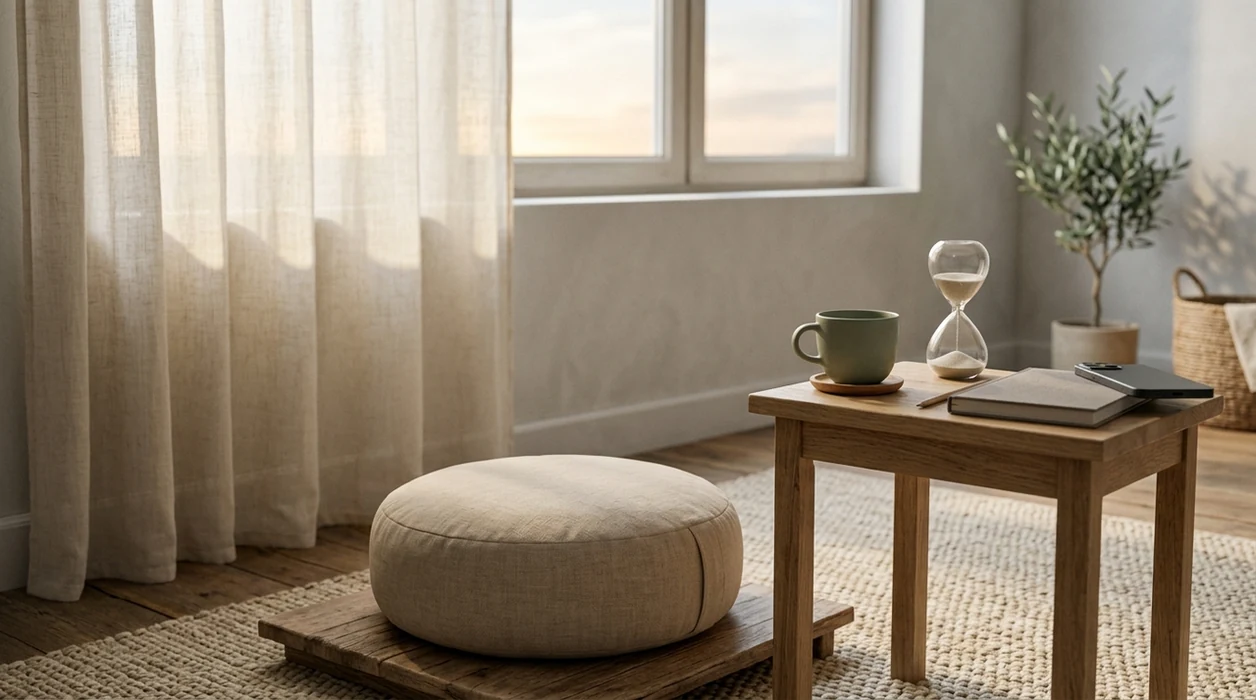


Meditation for anxiety is a short, repeatable practice that trains attention, eases physical tension, and reduces the pull of racing thoughts. It combines breath awareness, body relaxation, and noticing thoughts without trying to suppress them. Research on mindfulness programs, including MBSR and MBCT, supports symptom reduction for many adults, but results vary. Meditation is not a cure or a replacement for professional care.
A practical starting point is 5 to 10 minutes daily. Guided sessions can provide structure when sitting quietly feels difficult; breathing exercises and sleep audio offer other options for everyday calm and nighttime worry. An app can make these practices easier to access, but it is not medical care. Severe, trauma-related, or escalating anxiety calls for professional support rather than longer meditation sessions.
The essentials
- Meditation can help lower anxiety symptoms by combining breath awareness, body relaxation, and mindful attention to thoughts without trying to suppress them.
- Research on mindfulness programs, especially MBSR and MBCT, shows anxiety benefits, but results vary and most studies focus on symptom reduction rather than cure.
- Start with 5 to 10 minutes daily, use guided sessions if sitting quietly feels difficult, and seek professional support if anxiety is severe, traumatic, or escalating.
At-a-glance meditation anxiety guide for beginners
Anxiety-focused meditation is breath, body, and awareness training, not an attempt to erase every thought. You practice noticing worry, returning to a steady anchor, and softening physical tension before it takes over the whole room. When worry keeps returning, exploring fear and unmet needs may help you identify what feels missing.
A realistic starting dose is 5 to 20 minutes daily, often for several weeks. Some people notice a small shift sooner, such as unclenching their jaw during a work call. Others need structure before the habit sticks.
Guided sessions can help because the next cue is already chosen for you. Tools like MindTastik can offer a structured place for anxiety, sleep, breathing, and everyday calm sessions, especially when a blank timer feels too open.
Use meditation alongside therapy, medication, medical care, or crisis support when needed.
Five facts about meditation for anxiety symptoms
- Mindfulness meditation programs have shown moderate anxiety improvements in reviews of clinical trials, especially when people practice regularly instead of once in a while.
- MBSR and MBCT are among the most studied approaches for anxiety-related symptoms because they combine meditation, stress education, and awareness of thought patterns.
- Short daily sessions can be more useful than occasional long sessions because anxiety support depends on repetition. Five quiet minutes before opening email counts.
- Meditation is generally safe, but stillness can feel uncomfortable for people with trauma, panic, dissociation, or severe anxiety.
- Consistency, structure, and guided support improve adherence because anxious beginners often need a clear voice, a short length, and an obvious stopping point.
For beginners, a guided 5 minute meditation for anxiety support is often easier than silent sitting because it gives the mind one instruction at a time.
Research studies on meditation for anxiety and stress
Research supports meditation as a helpful anxiety-management practice, but not as a cure. A 2014 review of 47 randomized clinical trials found mindfulness meditation programs produced moderate improvements in anxiety compared with control conditions, as summarized by Harvard Health health reference: mindfulness meditation may ease anxiety mental stress 201401086967.
A separate meta-analysis of 42 studies on meditative therapies reported that 79% of trials showed reduced anxiety symptoms, though the size of benefit varied across studies PMC research article: PMC3718554. That variation matters. A person using cheap earbuds during a tense train ride is not in the same setting as a supervised 8-week program. If travel worries focus on air travel, try fear of flying tips to prepare for a calmer flight.
MBSR has also been studied in generalized anxiety disorder, with trial findings showing significant reductions in anxiety severity compared with stress management education. Effects vary by person, program, symptom severity, and consistency.
The most defensible conclusion is modest but useful: meditation may reduce anxiety symptoms when practiced regularly, especially within a structured program.
What anxiety research says about meditation apps
Evidence for mindfulness programs does not automatically apply to every meditation app. A 2023 meta-analysis of 45 randomized trials, involving 6,082 participants, found a statistically significant but small reduction in anxiety with mindfulness apps compared with controls. The authors called for longer follow-up and higher-quality trials. This supports apps as a possible source of symptom support, not a reliable standalone treatment.
The distinction matters when choosing between a daily practice and clinical care. An app can supply guided audio, but access to audio is not equivalent to clinician-delivered CBT or medication when those treatments are indicated. An earlier review of 15 app studies also found a small anxiety benefit, with uncertainty from differences between studies and unclear risk of bias. Neither review establishes results for MindTastik specifically.
How meditation works for anxiety in the brain and body
Meditation helps anxiety by training attention, calming physiological arousal, and changing how a person relates to anxious thoughts.
The attention part is simple, but not always easy. You notice worry, then return to the breath, body, sound, or another anchor. That repetition builds metacognitive awareness, which means you see a thought as a thought instead of treating it like an instruction.
The body part matters too. Slower breathing can support parasympathetic activity, the “settle down” side of the nervous system. Shoulders drop. The stomach may unclench. Not always at once.
Emotional regulation is the third piece. Meditation does not delete anxious thoughts. It gives you a few seconds between “what if this goes wrong” and the next reaction. For work-specific spirals, a short meditation for work stress routine can make that pause easier to practice during the day.
How to use meditation to lower anxiety levels
Use meditation for anxiety by starting small, choosing structure, and stopping before the practice feels punishing. The goal is repeatability, not a dramatic first session.
- Set a small goal of 5 to 10 minutes, especially if you are new or already keyed up.
- Choose a guided anxiety, breathing, body scan, or sleep session that matches the moment.
- Sit or lie down somewhere safe and comfortable, then dim the phone screen if it is bedtime.
- Follow one cue at a time, and return gently when distracted.
- Track mood, sleep, and anxiety patterns over time with a simple note or in-app check-in.
- Reset the practice if it becomes overwhelming; switch to grounding, open your eyes, or stop.
MindTastik can be a practical starting point for this plan because the session length and topic are already labeled. When worry surges in the quiet hours, having fewer choices can make it easier to sit up, feel your feet on the floor, and begin.
Keep it simple.
Best meditation techniques for anxiety and overthinking
Different anxiety patterns respond better to different meditation formats. Choosing the right starting point reduces frustration.
- Breath-focused meditation: Useful for racing thoughts and physical tension because the breath gives attention a steady, repeatable anchor.
- Body scan meditation: Helpful for tightness, restlessness, and sleep anxiety because it moves attention through the body instead of asking the mind to go blank.
- Guided mindfulness: A good beginner option when silent practice feels too loose or the app library feels like a crowded screen.
- Loving-kindness meditation: Often useful for self-criticism because the phrases train a softer response to mistakes and embarrassment.
- Grounding or eyes-open practice: Better for people who feel uneasy sitting still, especially if closing the eyes increases anxiety. For fear tied to specific situations, phobia and fear meditation offers a gentle practice to complement appropriate professional care.
Breath-focused meditation usually works best when anxiety feels physical, while guided mindfulness fits people whose main struggle is overthinking.
For a slower downshift, calming meditation for anxiety support can pair breathing with a steady guided voice.
Meditation for sleep anxiety and nighttime worry
Does meditation help when anxiety gets worse at night? It can, especially when the practice lowers arousal instead of trying to force sleep.
Nighttime anxiety often spikes because distractions fade. Ceiling shadows at 2 a.m. feel louder than they should. Calendar worries get more space. A meditation for sleep anxiety should therefore be gentle, low-effort, and predictable.
Try slow breathing, a body scan, sleep audio, or a guided session that asks very little from you. The aim is not to “win” sleep. The aim is to reduce rumination and give the nervous system fewer reasons to stay on alert.
MindTastik sleep audio and guided relaxation can fit into a steady wind-down routine, especially when you choose the same style most nights. For breath-led bedtime support, breathing exercises for anxiety at night may be a better first step than a long silent meditation.
Common meditation mistakes that can worsen anxiety
The biggest meditation mistake for anxiety is expecting instant relief or a completely empty mind. That expectation turns a supportive practice into another test you can fail.
Another common problem is practicing only during peak panic. Meditation works better when it builds a baseline on ordinary days, such as during a five-minute pause while the laptop fan hums beside you. Panic moments may need grounding first.
Long silent sessions can also backfire. If 20 minutes of silence makes your chest tighten, choose a shorter guided session or keep your eyes open. Chair cushion beneath a stiff back, voice in cheap earbuds, timer set for six minutes. That is enough.
Do not use meditation to avoid therapy, medication, urgent support, or trauma-focused care when symptoms are severe. Clinicians typically recommend evidence-based care such as CBT, medication when appropriate, and crisis support for acute risk; meditation can sit beside those supports.
When to seek professional help for anxiety
Seek professional help when anxiety feels unsafe, unmanageable, or persistent despite self-guided support. Meditation can be part of care, but it should not slow down therapy, medical evaluation, or crisis help when the situation is bigger than a daily practice.
- Act immediately if you have thoughts of self-harm, feel at risk of harming someone else, cannot stay safe, or have severe symptoms such as chest pain, fainting, confusion, or sudden intense physical distress.
- Contact a clinician when anxiety lasts for weeks, disrupts sleep, work, school, relationships, eating, or driving, or keeps returning in panic waves.
- Ask about evidence-based treatment such as CBT, medication when appropriate, exposure-based care, or trauma-focused therapy if anxiety is tied to frightening memories, abuse, loss, or ongoing threat.
- Use meditation as support rather than proof you should handle everything alone. A guided session may steady your breathing while you wait for an appointment, but it cannot diagnose medical causes or replace treatment.
- Get crisis support now if danger feels immediate or self-harm risk is present. Call local emergency services or a crisis line in your country, or go to the nearest emergency department.
Guided sessions for racing thoughts and physical tension
MindTastik’s guided meditation library suits adults who want a voice to follow rather than an unstructured period of silence. Breathing exercises offer another starting point for anxious moments, while sleep stories and soundscapes may suit bedtime routines. The useful choice is a format that feels manageable enough to repeat, not the longest session available.
People whose anxiety is persistent, disabling, or worsened by inward attention should prioritize professional assessment. MindTastik is not a medical treatment or a substitute for clinician-led care.
What meditation cannot promise for anxiety
Meditation has real limits, and those limits matter most when anxiety is intense, traumatic, or escalating.
- Meditation does not work equally well for everyone, even with consistent practice.
- Some people with trauma, panic, dissociation, or severe anxiety may initially feel worse during stillness.
- Most evidence measures symptom reduction, not complete remission of anxiety disorders.
- Long-term dose, durability, and ideal practice length are still not fully clear.
- Meditation should not delay CBT, medication, crisis support, or trauma-focused therapy when those are needed.
- Apps like MindTastik depend on user consistency and are not suitable as sole support during acute crisis or self-harm risk.
- A guided session can calm the moment, but it cannot assess medical causes of chest pain, faintness, or sudden severe symptoms.
If panic is the main concern, panic attack meditation support should stay gentle, grounded, and secondary to urgent care when symptoms feel unsafe.
Stop if practice feels destabilizing. Reset the plan.
A Calmer Starting Point
- Meditation tends to work best in the first week when the goal is smaller than relief: sit down, follow a steady breath, and finish.
- If anxiety shows up as racing thoughts, begin with a counted exhale rather than silent awareness; counting gives the mind a low-friction task.
- If physical tension is the loudest signal, pair each exhale with a shoulder drop so the practice has a clear body cue.
- Short guided voice sessions can be useful when self-direction feels too vague, especially on days when choosing a technique becomes another decision.
- After one week, progress may look like returning to the breath sooner, not feeling calm every time.
Adjusting meditation when stillness increases anxiety
| If you... | Try | Why | Note |
|---|---|---|---|
| Your thoughts speed up as soon as you close your eyes | Keep eyes softly open and count a 4-second inhale with a 6-second exhale | A visible anchor and counted exhale can make the practice feel less like being trapped with thoughts. | If panic sensations intensify, pause and use a grounding exercise or seek professional support. |
| You keep judging whether the session is working | Choose a 5-minute guided meditation and repeat the same one for seven days | Repetition removes comparison and makes small changes easier to notice. | Do not use session length as a scorecard. |
| Your body feels tense even when your mind is quiet | Try a brief body scan with attention on jaw, shoulders, hands, and belly | Anxiety can feel physical, and naming tension can be more practical than arguing with thoughts. | Skip any area that feels overwhelming and return to the breath. |
| You forget to practice until anxiety is already high | Set a reminder for a neutral time and do a 3-minute reset | A practice learned during a calmer moment is often easier to access during a harder one. | Reminders should support the habit, not become another pressure. |
If your nervous system needs something faster than a full sit, try MindTastik breathing exercises for guided breath pacing.
Meditation for anxiety questions
How many minutes should I meditate for anxiety each day?
Start with 5 to 10 minutes daily rather than a long session that feels difficult to repeat. A shorter guided practice is reasonable if stillness increases discomfort. Consistency matters more than reaching a particular duration, and research has not established one ideal practice length for everyone.
What meditation helps with racing thoughts?
Guided mindfulness or breath-focused meditation gives attention a repeatable task when thoughts keep speeding up. The aim is to notice worry and return to the cue, not force an empty mind. If focusing on breathing intensifies anxiety, a sound or an external sensory anchor may be a better starting point.
Can meditation help with anxiety when trying to sleep?
A gentle body scan, guided relaxation, or sleep audio can help reduce arousal and nighttime rumination. The aim is to settle rather than force sleep or judge how quickly it happens. If anxiety repeatedly disrupts sleep, meditation should be part of broader support rather than the only response.
How should I breathe when meditating for anxiety?
Start with gentle, natural breathing rather than forcing deep breaths. If it feels comfortable, let your exhale last slightly longer than your inhale. Avoid breath holding if it makes you tense or dizzy. If focusing on breathing increases anxiety, shift your attention to sounds or the feeling of your feet on the floor.
Can I meditate with my eyes open to reduce anxiety?
Yes. Keeping your eyes open can help you feel more grounded, especially if closing them feels uncomfortable. Rest your gaze on a neutral object or a spot on the floor. Notice colors, shapes, and contact with your chair. You do not need closed eyes to practice meditation effectively.
What can I do if I feel too restless to sit still during meditation?
Try a walking meditation or another gentle movement practice instead of sitting. Pay attention to each step, the pressure beneath your feet, or the movement of your arms. You can also change position during a session. Restlessness does not mean you are failing, and forcing yourself to stay still is not necessary.
What is the difference between mindfulness and meditation for anxiety?
Mindfulness means noticing your present experience without immediately judging or reacting to it. Meditation is a dedicated practice that can help develop this skill. You can also practice mindfulness while eating, walking, or washing dishes. Both can support anxiety management by helping you recognize worried thoughts without automatically treating them as facts.
Can meditation help before a stressful meeting or exam?
A brief meditation before a stressful event may help you settle and focus, although it will not necessarily remove anxiety. Feel your feet on the ground, relax your shoulders, and notice a few natural breaths. Then choose one practical next step. Aim to participate despite some nervousness, rather than needing to feel completely calm.