
Fear of Flying Apps: The Best Flight Anxiety App Guide
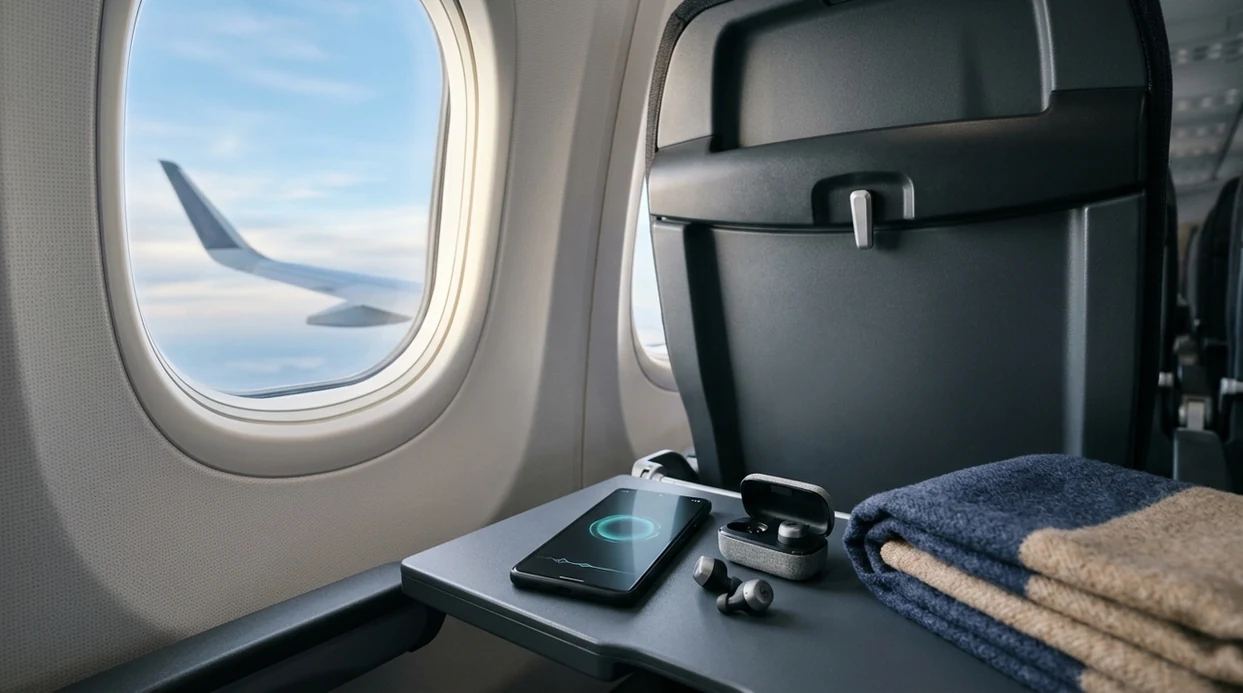


The best fear of flying apps combine flight-specific education, offline calming tools, and structured anxiety practice before a trip. A useful app explains unfamiliar aircraft sounds and movements while offering simple breathing, grounding, and thought-reframing exercises. Reassurance alone is a limited tool, especially when the same worries return at boarding or during turbulence.
MindTastik offers guided meditation, sleep audio, breathing exercises, and self-hypnosis sessions for adults seeking support with rest, anxiety, and everyday calm. Those tools can support flight preparation, but they are not a substitute for aviation education or treatment for a phobia. This guide focuses on features that matter before and during a flight, how to build a familiar practice routine, and when professional help is the better choice.
What matters most
- The strongest flight anxiety apps combine psychoeducation, breathing, grounding, and CBT-style thought reframing rather than relying on reassurance alone.
- Start practicing days or weeks before your flight so the app becomes a familiar calming routine, not a last-minute panic tool.
- Apps can support fear of flying, but they do not diagnose phobias, replace therapy, manage medication, or handle medical emergencies.
How fear of flying apps the best flight anxiety apps look
Side-by-side captures of the compared products. Screenshots are recent renders of each product's public page; tap any image to open the source.
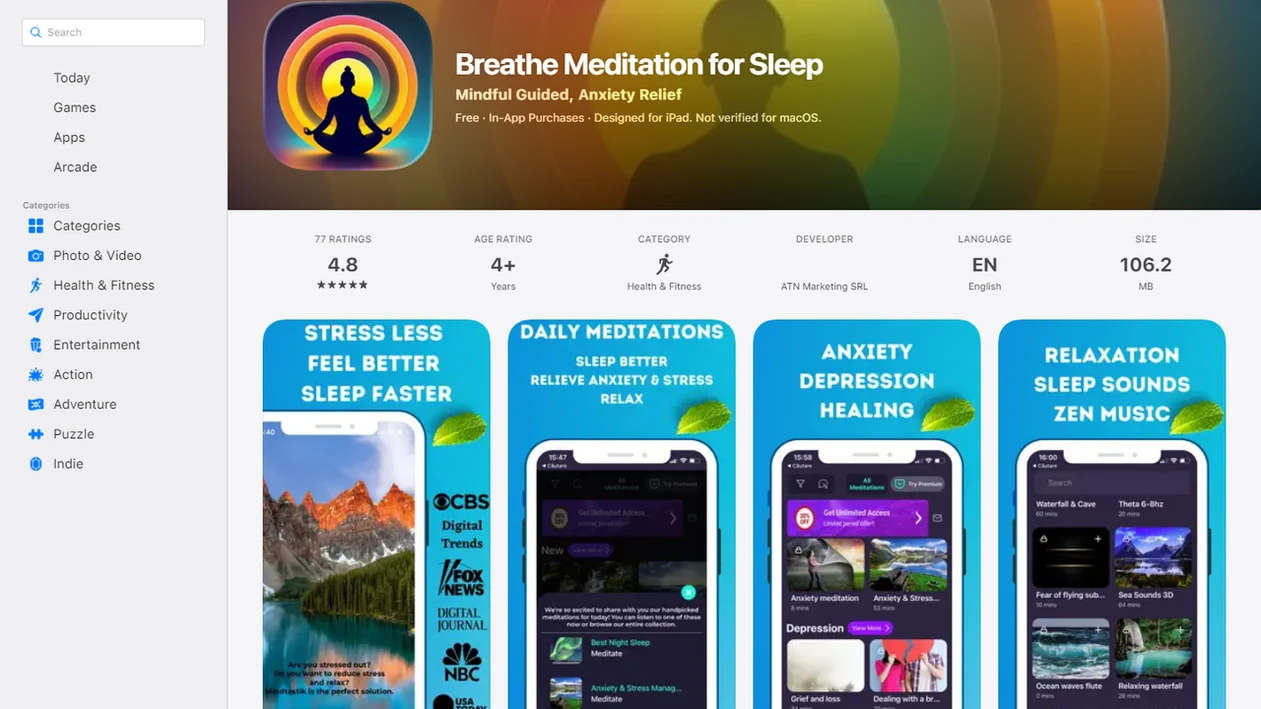
Fear of Flying Apps at a Glance: Best Flight Anxiety App Criteria
The ideal fear of flying app combines aviation education, anxiety regulation tools, offline access, and clear safety boundaries. General meditation apps can help calm the nervous system, while dedicated flight fear apps add plane-specific explanations for takeoff, turbulence, descent, and cabin sounds.
| Feature | Why it matters | What to check before downloading |
|---|---|---|
| Flight education | Helps the brain stop treating normal sounds as danger | Does it explain turbulence, takeoff, landing, and engine noises? |
| Anxiety tools | Gives the body something practical to do | Are there breathing, grounding, or guided sessions? |
| Offline access | Wi-Fi may fail or be unavailable in airplane mode | Can you download audio before boarding? |
| Safety boundaries | Prevents overpromising or unsafe self-treatment | Does it avoid “cure in one flight” claims? |
| Privacy basics | Anxiety data can be sensitive | Is the privacy policy easy to find? |
About 25% of people report some fear of flying, according to Cleveland Clinic (health reference: fear of flying), and 23.1% of U.S. adults reported using a mental health app in a 2022 national survey published in JAMA Network Open (JAMA Internal Medicine study: 2803881). Demand is real, but app quality varies.
Five Facts About Fear of Flying Apps and Flight Anxiety
Before choosing an app, know what it can realistically do. The most useful tools help you understand the flight, calm the body, and practice before panic peaks.
- Fact 1: Fear of flying apps work best when psychoeducation is paired with breathing, grounding, and CBT-style thought reframing.
- Fact 2: Expert input matters because aviation professionals explain normal aircraft events, and mental health professionals shape safer coping exercises.
- Fact 3: Practice before the flight is more useful than opening an app for the first time while your chest is tight at boarding.
- Fact 4: Severe panic, PTSD, or complex mental health histories may need clinician-guided support, not only self-help audio.
- Fact 5: Offline audio, SOS tools, structured programs, and privacy transparency should outrank glossy screens or bold promises.
A good app feels boring in the right way. You know where the breathing track is before the seatbelt sign turns on.
How Fear of Flying Apps Work Inside the Anxious Brain
Fear of flying apps work by helping the brain reinterpret flight cues and reduce physical arousal before avoidance takes over. Fear often combines threat misinterpretation, strong body sensations, uncertainty, loss of control, and learned avoidance.
When turbulence starts, an anxious brain may read a normal bump as a warning sign. Psychoeducation gives context for engine changes, wing movement, cabin noises, takeoff, and landing. That context can reduce catastrophic interpretation, especially when it is repeated before travel day.
Breathing, grounding, guided meditation, and self-hypnosis target autonomic arousal. In plain language, they help shift the body out of alarm mode. Broader research on computer-assisted and internet-based exposure treatments for specific phobias, including fear of flying, has found meaningful symptom improvements in clinical settings (NIH research: PMC5659300), but that does not prove every consumer smartphone app is effective.
For many travelers, a guided session is easier than “just relax” because it gives the mind a job.
What app research says, and what it does not say about flying
A 2024 review of 45 randomized trials of mindfulness apps found small improvements in anxiety compared with inactive controls, with an effect size of g = 0.28. The apps were not clearly better than active therapeutic comparisons. That supports a modest role for app-based practice, not a claim that any particular app is the best treatment for fear of flying.
Evidence specifically addressing flight anxiety, panic attacks, or acute racing thoughts is much thinner than evidence for general anxiety and depression. A meditation app may help someone practice attention and manage everyday worry without resolving the fear that keeps them off a plane. App selection should therefore distinguish general calming support from flight-specific education and clinician-led treatment for disabling fear.
Best Flight Anxiety App Features to Compare Before Downloading
Compare fear of flying apps by what they help you do, not just by star ratings. Raw flight data or tracking alone can raise anxiety if you do not understand what the numbers mean.
- Flight Education: Look for clear explanations of turbulence, takeoff, landing, pressure changes, and routine aircraft sounds.
- Panic SOS: Choose an app with one-tap breathing, grounding, and short calming narration for boarding or sudden turbulence.
- Offline Audio: Downloaded sessions matter when the plane has no Wi-Fi or your signal drops after the door closes. If you prefer sound-based relaxation, compare the Brainwaves binaural beats app before adding another audio option.
- Structured Practice: A 7-day or 14-day plan usually beats a random library of tracks.
- Privacy Controls: Check what data is collected, stored, shared, or used for personalization.
Tools like MindTastik fit best as supportive practice for breathing, relaxation, sleep, and everyday calm. Aviation-specific apps may add plane mechanics explanations. To compare broader relaxation tools, browse meditation and sleep app reviews before choosing your practice library.
How to Use a Fear of Flying App Before and During a Flight
Use a fear of flying app before travel day so your brain learns the calming routine early. Pre-flight repetition helps flying cues become linked with practiced responses, not only panic.
- Set a practice window at least 7 days before travel, even if you only use the app for five minutes daily.
- Download offline sessions for breathing, grounding, sleep, and boarding so airplane mode does not break your plan.
- Rehearse breathing before travel day while sitting upright, wearing earbuds, and hearing normal background noise.
- Use short audio at boarding or takeoff rather than waiting until panic has fully built.
- Review after landing what helped, what did not, and whether you can reduce app use slightly next time.
The goal is support, not a ritual you feel trapped by. If the app becomes something you cannot fly without, consider help from a therapist trained in anxiety or exposure work.
A Meditation Plan for Flight Anxiety Preparation
A meditation app can support sleep, breathing, self-hypnosis, anxiety coping, and everyday calm before travel, but it should not be treated as a phobia treatment or medical tool.
A simple plan is to practice for 7 to 14 days before your flight. Use a short everyday calm session in the morning, a breathing exercise in the afternoon, and sleep audio at night. Better sleep before travel may reduce vulnerability to anxious spirals. It does not remove every fear. Expectant parents planning travel can also compare pregnancy meditation apps for sleep support before their flight.
Suggested 7-day MindTastik routine
Days 1 to 3: choose one short guided meditation and one breathing session. Days 4 to 6: add sleep meditation, especially if nighttime restlessness has you checking the time again. Day 7: practice your takeoff audio with headphones and airplane mode on.
Related routines include meditation for flight anxiety support, 5 minute meditation for anxiety support, and breathing exercises for anxiety at night.
Fear of Flying App SOS Tools for Takeoff, Turbulence, and Landing
The most useful in-flight SOS tools are short, simple, and available without Wi-Fi. Look for paced breathing, five-senses grounding, calming narration, a brief body scan, and simple reframing for turbulence or takeoff.
Takeoff, turbulence, descent, and closed cabin sensations can trigger anxiety because they combine noise, motion, uncertainty, and limited control. The body may react before the mind catches up. A slow breath and a deliberate release of shoulder tension give the body a simple task during a noisy or unsettling flight moment.
Before boarding, download the sessions, test your headphones, save the app on your home screen, and make sure it opens in airplane mode. Do not depend on in-flight Wi-Fi for your main coping plan.
If you have chest pain, fainting, severe shortness of breath, or any possible medical emergency, tell the flight crew and seek medical help. An app is not the right tool for that moment.
When to Seek Professional Help for Flight Anxiety
Seek professional help when flight anxiety causes severe panic, repeated avoidance, trauma flashbacks, or coping that feels unsafe. An app can support practice, but it should not be the only plan when fear is disrupting travel, work, family life, or health decisions.
- Notice red flags such as canceling essential trips, feeling trapped by panic, using alcohol or sedatives outside medical guidance, or reliving a frightening flight or other trauma.
- Consider therapy if you want structured help. Cognitive behavioral therapy can target catastrophic thoughts, while exposure therapy can gradually rebuild tolerance for airports, cabin sounds, takeoff, and turbulence.
- Ask a clinician about the right level of care if you have PTSD symptoms, panic disorder, complex trauma, substance misuse, or another mental health condition that could complicate self-help.
- Discuss medication only with a qualified prescriber, especially before combining prescriptions, alcohol, sleep aids, or anti-anxiety medication for a flight.
- Get immediate support in the air if symptoms seem medical or unsafe. Chest pain, fainting, severe shortness of breath, confusion, or loss of consciousness should be brought to the crew right away.
MindTastik for pre-flight worry and sleep
MindTastik suits travelers who want to practice with guided meditation, sleep audio, or breathing exercises before departure. Choosing one short exercise and repeating it can make the routine familiar before airport waits and boarding nerves. Sleep sessions may also suit people whose trip worries become most intrusive at bedtime.
It is a general meditation app, not a flight-education course or phobia treatment. Travelers seeking explanations of aircraft sounds and turbulence should choose a flight-specific resource. Recurrent panic, trauma symptoms, or canceled essential trips call for professional assessment rather than an app alone.
What flight anxiety apps cannot treat or guarantee
Fear of flying apps are not medical devices, and they cannot diagnose, treat, or cure phobias, panic disorder, PTSD, or other mental health conditions. Clinicians typically recommend professional assessment when fear causes major avoidance, severe panic, or safety concerns.
- Long-term, app-specific evidence is still limited, even though digital phobia treatment research is promising.
- Severe panic, PTSD, complex trauma, bipolar disorder, psychosis, or substance misuse calls for extra caution and professional guidance.
- Medication questions, including sedatives or anti-anxiety prescriptions for flights, should go to a qualified prescriber.
- Medical emergencies, including fainting, chest pain, or severe breathing problems, require immediate help, not an app.
- Over-reliance can turn the app into a rigid safety behavior that keeps the fear cycle alive.
- Privacy matters because mood, anxiety, sleep, and travel data can be sensitive.
Virtual reality exposure therapy and digital phobia treatments show encouraging results, with many patients flying afterward in clinical studies. Smartphone meditation apps are related support tools, not identical clinical interventions.
What Racing Thoughts Need
Racing thoughts usually need fewer instructions, not a more complicated routine. Start with one counted exhale, one physical cue, and one short guided voice that tells you what to do next. A simple reset is easier to repeat when the mind is busy predicting every sound, bump, or delay.
If your nervous system needs something faster than a full sit, try MindTastik breathing exercises for guided breath pacing.
Fear of flying app questions
What features should a fear of flying app have?
Look for explanations of aircraft sounds and flight stages, short breathing or grounding exercises, offline access, and a structured practice plan. The app should also explain its limits. A general meditation library can support calming practice, but it may not address specific fears about takeoff, turbulence, or landing.
Do fear of flying apps actually work?
They can support preparation and coping, but results vary. Research on mindfulness apps shows small average improvements in general anxiety, not proof that an app treats a flying phobia. Flight-specific evidence is more limited. Severe fear, repeated avoidance, or recurrent panic needs more than reassurance and downloaded audio.
How long before a flight should I start using an anxiety app?
A practical starting point is 7 to 14 days before departure, using one brief exercise regularly. That is a rehearsal schedule, not a proven treatment duration. Practice while seated and with ordinary background noise, then choose a familiar session for boarding rather than trying several unfamiliar exercises at once.
Can I use a fear of flying app without plane Wi-Fi?
Only if the needed features work offline. Before departure, download the intended sessions and check that they play with airplane mode enabled and Wi-Fi switched off. Do not assume the whole app works offline because one audio track does. Keep the selected exercise easy to find before boarding.
What can an app help me do during takeoff or turbulence?
A short session can guide paced breathing, a brief body scan, or grounding through physical sensations. Familiar flight explanations can also help put sounds and movement into context. These tools support coping; they cannot guarantee that panic will stop. Practicing the same exercise before departure makes the instructions less unfamiliar.
Can meditation make flight anxiety worse?
Meditation can sometimes increase anxiety, intrusive thoughts, or emotional discomfort, particularly with trauma-related symptoms. App studies have not assessed adverse effects consistently. If practice increases distress, stop that exercise rather than forcing it. Persistent or worsening symptoms are a reason to seek individualized guidance from a qualified mental-health professional.
When should I get therapy instead of relying on a flight anxiety app?
Seek assessment when fear repeatedly prevents flying, causes severe or recurrent panic, disrupts sleep or daily life, or involves trauma symptoms or unsafe substance use. An app can remain a support tool, but should not be the sole plan. Medication questions also require guidance from a qualified clinician.