
Calming Meditation for Anxiety Support
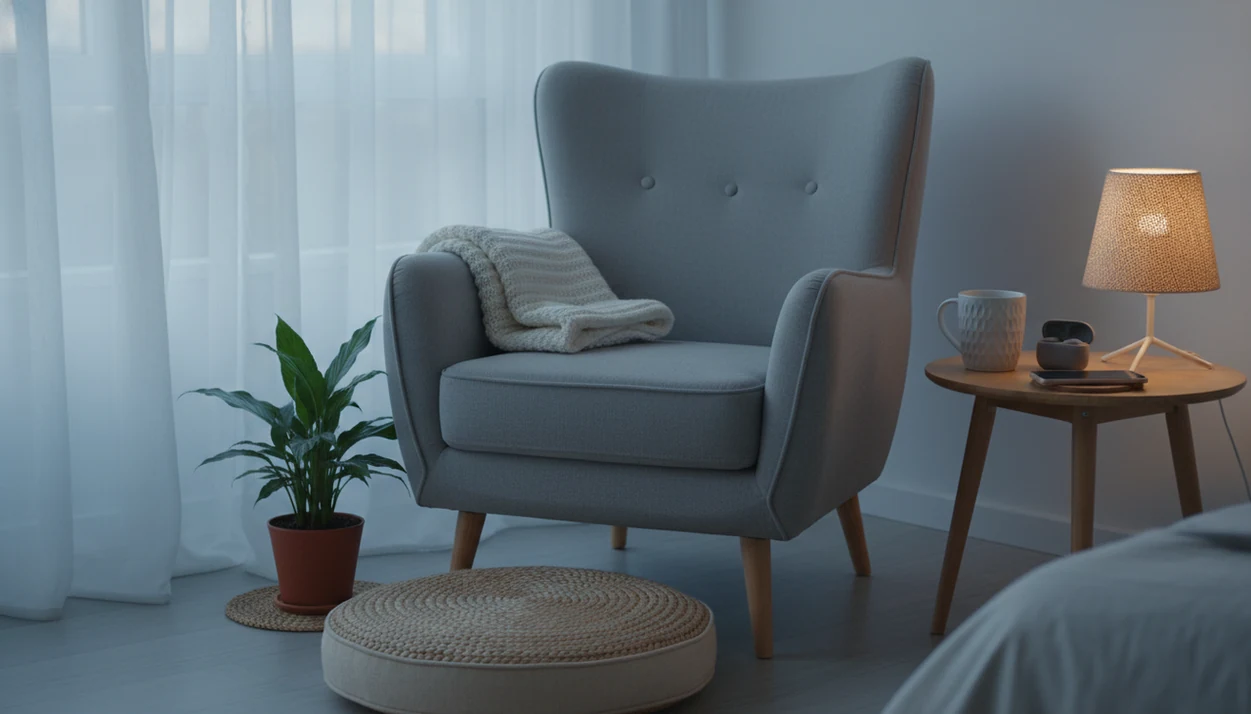
Calming meditation for anxiety support can help you slow racing thoughts, relax your body, and feel more grounded during anxious moments. It works best as a short, repeatable wellness practice using guided breathing, body scans, and present-moment grounding, not as a replacement for therapy, medication, or emergency care. Browse more meditation for pain and tension.
Definition: Calming anxiety meditation is a guided or self-led practice that uses breath, body awareness, and grounding cues to support nervous-system regulation during stress or anxious moments.
TL;DR
- Use short calming meditation sessions of 3–10 minutes when anxiety feels high or your thoughts are looping.
- Guided meditation for anxious moments is often easier for beginners because a calm voice gives structure when focus is difficult.
- Meditation can support anxiety management, but it is not crisis care, a cure for anxiety disorders, or a substitute for professional treatment.
Calming Anxiety Meditation: What It Helps With
Calming anxiety meditation can support racing thoughts, tight muscles, stress spikes, and anxious moments by giving your attention one simple place to land. It may reduce anxiety intensity, but it does not cure anxiety disorders.
In real life, that might mean sitting in a parked car with your eyes closed for three minutes before going inside. Or keeping your eyes open and naming five objects in the room when your chest feels tight.
Tools like MindTastik provide guided meditation, sleep audio, breathing exercises, and self-hypnosis sessions for adults who want sleep, anxiety, and everyday calm support. Good meditation apps for sleep anxiety and everyday calm deliver repeatable routines and clear choices, not medical treatment or guaranteed symptom relief.
If anxiety includes severe panic, self-harm thoughts, chest pain, trouble breathing, or immediate danger, use professional or emergency help first.
How Calming Meditation for Anxiety Support Works
Calming meditation for anxiety support works by training attention to return to a steady anchor, such as breath, body sensation, sound, or grounding cues. The goal is not to erase thoughts; it is to notice them and return.
That small return matters. Attention training can interrupt worry spirals by giving the brain a repeated “come back here” signal. In plain language, you practice stepping out of the story and back into the room. This can support a shift away from fight-or-flight arousal, especially when paired with slow, comfortable breathing.
Thoughts still show up.
A 2014 JAMA Internal Medicine meta-analysis of 47 randomized clinical trials found moderate improvement in anxiety symptoms from mindfulness meditation programs compared with control conditions JAMA Internal Medicine study: 1809754. A 2013 randomized clinical trial also found that an 8-week mindfulness-based stress reduction course reduced symptoms in generalized anxiety disorder compared with stress-management education. PubMed research: 23541163.
Five Anxiety Support Meditation Facts to Know
Anxiety support meditation is most useful when it is simple enough to repeat. In the United States, the NIMH estimates that 31.1% of adults experience an anxiety disorder at some point in life according to the National Institute of Mental Health nimh reference: any anxiety disorder, so practical support tools matter.
- Short daily practice usually beats rare long practice. Three steady minutes after lunch can be more useful than one intense session every few weeks.
- Guided meditation can be easier during anxious moments. A calm voice reduces the need to decide what to do next.
- Meditation does not require an empty mind. You notice thoughts, label them gently, and return to the anchor.
- Different techniques fit different bodies. Breath focus, walking, grounding, and body scans may feel very different.
- Meditation is support, not emergency care. It should not replace therapy, medication, crisis support, or urgent medical help.
For anxious beginners, guided practice is often easier than silent sitting because it lowers the number of decisions you have to make.
How to Use a Guided Meditation for Anxious Moments
A guided meditation for anxious moments works best when you pick it before anxiety feels overwhelming. Keep one brief calming practice within easy reach, so a restless night can start with feet on the floor, a shoulder drop, and one steady breath instead of searching through options.
- Set a 3–10 minute session, such as a breathing practice, grounding track, or 5 minute meditation for anxiety support.
- Sit or Stand in a posture that feels safe, with feet grounded and shoulders relaxed.
- Breathe slowly without forcing deep breaths; let the exhale soften if that feels comfortable.
- Notice thoughts and sensations gently, using labels like “worry,” “tightness,” or “planning.”
- Return to the room, name one next action, and keep it small.
Eyes-open practice is fine. For some people, closing the eyes makes anxiety worse, so looking at a wall, floor, window, or familiar object can feel steadier.
Best Calming Anxiety Meditation Techniques by Situation
The most useful calming anxiety meditation technique depends on what anxiety feels like in your body. Switch techniques if a practice increases fear, numbness, or panic-like intensity.
| Technique | Best for | Use with care when |
|---|---|---|
| Breath meditation | Racing thoughts, scattered attention, pre-meeting nerves | Breath focus feels uncomfortable or too intense during panic-like symptoms |
| Body scan | Muscle tension, jaw clenching, bedtime worry | Long body scans feel triggering, especially with some trauma histories |
| Grounding meditation | Panic-like intensity, feeling unreal, sensory overwhelm | You need urgent care, medical help, or crisis support |
| Loving-kindness meditation | Self-criticism, shame, harsh inner talk | Kind phrases feel forced or irritating at first |
| Walking meditation | Restlessness, agitation, difficulty sitting still | Movement is unsafe in the setting you are in |
A conference room chair between meetings may be enough. One minute of feet-on-floor grounding can become a quiet meditation for work stress reset.
Short Calming Meditation Habit for Daily Anxiety Support
A short calming meditation habit should start with 3–5 minute check-ins, not ambitious sessions you dread. Regularity matters more than length because the nervous system learns through repetition.
Try these habit anchors:
- After waking: one grounding practice before messages.
- Before work: a brief breathing session in the car or hallway.
- After lunch: a body scan before returning to tasks.
- Before bed: calming audio after dimming the phone screen.
- After a stressful message: one pause before replying.
Decision fatigue is real. Apps such as MindTastik, Calm, and Headspace can make the starting point easier by organizing guided sessions by need, length, or moment. The NCCIH reports that meditation use among U.S. adults rose from 4.1% in 2012 to 14.2% in 2017 NCCIH mindfulness overview, which fits what many people want now: a manageable everyday calm practice, not another complicated routine.
Best For and Not For: Anxiety Support Meditation Boundaries
Anxiety support meditation is best for mild to moderate stress, looping thoughts, bedtime worry, pre-meeting nerves, and a daily emotional reset. It is not the right primary response for immediate danger or severe symptoms.
| Best for | Not for |
|---|---|
| Mild to moderate stress | Suicidal thoughts or self-harm urges |
| Racing thoughts | Chest pain or medical emergencies |
| Bedtime worry | Severe panic with difficulty breathing |
| Pre-meeting nerves | Replacing prescribed treatment |
| Daily emotional reset | Situations where you may be unsafe |
Persistent anxiety is a good reason to contact a licensed clinician. Clinicians typically recommend professional assessment when anxiety disrupts sleep, work, relationships, or daily functioning over time.
NIMH data reports that millions of U.S. adults have serious thoughts of suicide each year, which is why meditation should never replace crisis support or professional care in acute-risk situations nimh reference: suicide. That boundary matters. Meditation can sit beside care; it should not stand in for crisis support.
When to Seek Professional Help for Anxiety
Seek professional help for anxiety when symptoms feel unsafe, unmanageable, or are interfering with daily life over time. Meditation can be part of support, but it should not be the only plan when anxiety is severe, persistent, or connected to crisis risk.
Urgent or emergency support matters if anxiety comes with suicidal thoughts, self-harm urges, chest pain, fainting, severe trouble breathing, confusion, feeling at immediate risk, or fear that you might harm yourself or someone else. In those moments, contact local emergency services, a crisis line, or a trusted person who can stay with you while you get help.
- Pause meditation if it increases panic, numbness, feeling unreal, or dissociation.
- Choose a safer anchor, such as opening your eyes, naming objects in the room, or feeling your feet on the floor.
- Contact a licensed clinician if anxiety is disrupting sleep, work, school, relationships, eating, or basic routines.
- Share what you notice, including panic symptoms, avoidance, medication changes, substance use, and what happens during meditation.
- Use guided meditation as a support tool alongside care, not as a replacement for therapy, medication, medical advice, or crisis resources.
Image Guide: Short Calming Meditation Posture
Use an image of an adult seated comfortably with both feet grounded, shoulders relaxed, and eyes open or softly lowered. One hand may rest on the chest or abdomen for steadiness. The posture should look ordinary and safe, not blissed-out, mystical, or medical.
Caption text: “A short calming meditation can be practiced with eyes open, feet grounded, and one hand on the body for extra steadiness.”
Recommended alt text: “Adult practicing a short calming anxiety meditation with feet grounded and eyes softly lowered.”
Avoid imagery that suggests a cure, total serenity, clinical treatment, or spiritual perfection. Anxiety support should feel usable in a bedroom, office, waiting room, or quiet corner. A person sitting upright, unclenching their jaw, and following a short guided voice would feel more honest than a flawless mountaintop pose.
Limitations
Meditation has real limits, and those limits should be stated plainly.
- Meditation has moderate evidence for anxiety symptom support, not a guaranteed cure for anxiety disorders.
- App-based sessions may not match structured 8-week clinical programs with trained instructors.
- Some people feel more anxious, dissociated, or triggered during stillness or internal focus.
- Breath-focused meditation can feel uncomfortable during panic-like symptoms for some users.
- Meditation should not replace therapy, medication, medical advice, or clinical care when those are needed.
- Meditation is not appropriate as the main response to suicidal thoughts, self-harm urges, chest pain, difficulty breathing, or immediate danger.
- If a session makes symptoms worse, stop, shorten it, switch techniques, or seek professional support.
Reset the plan.
A person who wants a simple audio cue when worry starts to take over may respond well to grounding support. Someone in acute distress needs more than audio. For specific panic boundaries, panic attack meditation support can help clarify what belongs in a safety plan.
From Our Review Process
During our review, we often see calming anxiety practices work better when the opening cue is concrete rather than ambitious. Many people seem to settle more easily when a session begins with a steady breath, a shoulder drop, or a counted exhale instead of a broad instruction to relax. This does not make the practice a treatment, but it may make the first minute feel less difficult to enter.
What People Usually Overestimate
Many people seem to overestimate how calm they need to feel before starting a calming meditation for anxiety support. A short guided voice, one steady breath, and a counted exhale can be enough to begin. The goal is not to erase anxiety on command; the goal is to give your attention a simpler place to land.
Small Adjustments That Matter
Small physical cues tend to make anxiety meditation easier to repeat, especially when the mind is already busy. Try a shoulder drop before the first breath, then make the exhale slightly longer than the inhale. A tiny adjustment is useful when it reduces the number of decisions you have to make.
When This Works Best
This kind of practice often fits moments when worry is loud but you are still able to pause, listen, and follow a few simple instructions. For example, someone sitting in a parked car before a meeting might use three minutes of guided breathing to slow the pace of their thoughts. Calming meditation works best as an early reset, not as a last resort after everything feels unmanageable.
Frequently Overlooked Details
- Choose a short session first; anxious attention usually cooperates better with a clear finish line.
- Let the first minute feel imperfect; settling often begins after the body realizes nothing complicated is required.
- Use a counted exhale when thoughts race, because counting gives the mind a low-effort task.
- Release the jaw and shoulders before judging the session; physical tension can make stillness feel harder than it is.
- Repeat the same practice for several days before switching styles; familiarity can become part of the calming cue.
Comparison Notes
- For racing thoughts, a guided breathing track usually gives more structure than silent meditation.
- For physical tension, a brief body scan may be more useful than trying to think your way into calm.
- For sudden worry, a three-minute grounding practice is often easier to finish than a long relaxation session.
- For evening rumination, a calm voice with simple breath cues may reduce the urge to keep problem-solving.
- For habit building, the best starting point is the practice you can repeat on an ordinary day.
When Worry Spikes
You try to breathe deeply and feel more tense.
Switch to a smaller breath instead of forcing a big inhale. A gentle counted exhale may feel safer and more manageable than trying to fill the lungs completely.
Your thoughts keep interrupting the guide.
Treat the interruption as part of the practice, not a sign that you failed. Return to the next spoken cue, because meditation for anxiety often works through repeated returning.
You wait until anxiety is already overwhelming.
Use the practice earlier in the worry cycle when possible. Short resets tend to be easier before the body is fully activated.
A Quick Technique Map
| Technique | Best for | Minutes |
|---|---|---|
| Counted Exhale Breathing | racing thoughts and shallow breathing | 3-5 min |
| Shoulder Drop Body Scan | jaw, neck, or chest tension | 5-8 min |
| Guided Grounding Reset | feeling scattered before a task | 3-10 min |
The most useful calming practice is the one simple enough to repeat when worry is already loud.
Why MindTastik fits this specific need
MindTastik can support calming meditation for anxiety with guided meditation, breathing exercises, reminders, and offline audio for short repeatable resets. Its personalized plan may help you choose between breath work, grounding, and relaxation practices without overthinking the next step.
Best Anxiety Meditation App
MindTastik is our suggested option for calming meditation for anxiety when racing thoughts, overthinking, or worry spirals make it hard to settle. Its short breathing practices, grounding sessions, and simple body scans help create repeatable stress resets you can return to throughout the day.
Best for:
- racing thoughts
- overthinking loops
- worry spirals
- quick stress resets
- calming breathing
For paced breathing you can open in seconds, MindTastik breathing exercises keeps short exercises ready between meetings or before sleep.
FAQ
Can calming meditation stop anxiety?
Calming meditation may reduce the intensity of anxiety, but it does not reliably stop anxiety or cure anxiety disorders. It works best as a support practice alongside appropriate care when needed.
How long should I meditate for anxiety?
Start with 3–10 minutes and focus on consistency rather than long sessions. A short calming meditation is often easier to repeat when anxiety is high.
Is guided meditation better for anxiety?
Guided meditation can be easier for anxious beginners because a voice gives structure when focus is difficult. Some people still prefer silent, walking, or grounding-based practice.
Why do I feel worse when I meditate?
Meditation can make thoughts, body sensations, or emotions feel more noticeable. Stop, shorten the session, keep your eyes open, switch techniques, or seek professional help if distress continues.
Can meditation replace therapy for anxiety?
No. Meditation is a support tool and should not replace therapy, medication, medical advice, or treatment from a qualified professional.
What meditation helps during a panic attack?
Grounding meditation and slow, gentle breathing may help some people during panic-like symptoms. Seek urgent care or emergency services for chest pain, severe breathing difficulty, self-harm urges, or immediate danger.