
10 Calming Apps to Improve Your Mental Health and Relieve Anxiety
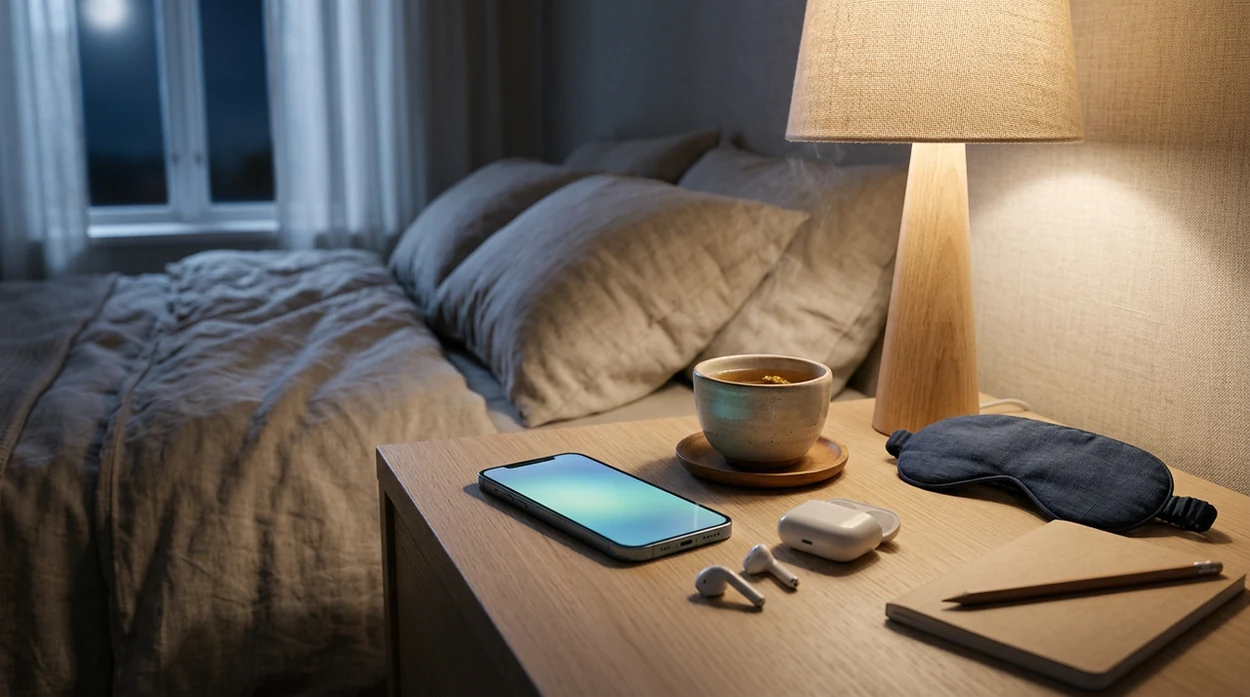


Calming apps for anxiety offer meditation, sleep audio, breathing exercises, CBT-style coping tools, mood tracking, or panic support, and the best fit depends on the main problem. Bedtime worry calls for different tools than overthinking or a brief workday reset. This shortlist compares apps by those needs rather than treating a large audio library as proof of better anxiety relief.
Apps can support everyday stress and mild to moderate anxiety, but they should not replace therapy, medication, medical advice, or crisis care. Regular practice matters more than downloading several apps. MindTastik offers guided meditations, sleep audio, breathing practices, and self-hypnosis-style sessions for adults seeking help with rest and anxious moments. Other options emphasize thought exercises, mood records, or beginner meditation.
Choose by need
- Choose a calming app by need: sleep, panic, overthinking, CBT tools, mood tracking, or short daily meditation.
- Evidence is strongest for consistent use of mindfulness, breathing, and CBT-based tools, not one-time downloads.
- Use calming apps as support for everyday stress and mild to moderate anxiety, not as crisis care or a replacement for a clinician.
10 calming apps to improve your mental health and relieve anxiety: at-a-glance shortlist
Choose by primary need: sleep, panic, overthinking, CBT tools, mood tracking, or short daily meditation. Good apps offer repeatable routines and clear safety limits, not cure promises.
| App | Best for | Key tools | Free/paid note | Safety caveat |
|---|---|---|---|---|
| MindTastik | Sleep anxiety, guided calm, breathing, self-hypnosis | Sleep audio, meditation, breathwork, habit sessions | Paid app model may vary | Not medical care |
| Calm | Sleep stories and relaxation | Stories, music, meditation | Limited free, paid library | Evidence varies by feature |
| Headspace | Beginner meditation | Courses, sleep, stress sessions | Trial, then paid | Not crisis support |
| Sanvello | CBT-style coping | Mood tools, thought exercises | Free and paid tiers | Check clinical boundaries |
| Insight Timer | Large meditation library | Timer, talks, courses | Many free tracks | Quality varies by teacher |
| Breathwrk | Breathing practice | Guided breath patterns | Free and paid | Stop if dizzy |
| Breethe | Sleep and daily stress | Audio, coaching-style tracks | Paid with trial | Not therapy |
| UCLA Mindful | Research-based mindfulness basics | Free guided practices | Free | Limited personalization |
| Smiling Mind | Youth and family mindfulness | Programs, meditations | Free | Not for emergencies |
| MindShift CBT | Anxiety coping skills | CBT tools, worry logs | Free | Not a clinician |
Five facts about anxiety relief apps and mental health evidence
These five facts matter before you add another calming app during a restless night, shoulders tense and breath shallow. Evidence is helpful, but it is uneven across the app stores.
- More than 10,000 mental health apps are available, yet only about 4% have research data supporting effectiveness, according to the Black Dog Institute blackdoginstitute reference: coronavirus digital mental health tools that can help.
- Mindfulness, breathing, and CBT-style coping tools have the most practical evidence base for everyday stress and mild to moderate anxiety.
- A JAMA Psychiatry meta-analysis found smartphone mental health interventions produced small to moderate reductions in anxiety symptoms JAMA Internal Medicine study: 2687506.
- Consistent practice matters more than collecting five apps and using none of them after Tuesday.
- App-store ratings are not the same as clinical evidence, privacy protection, or qualified mental health involvement.
For mild anxiety, a repeated 5-minute breathing routine is often more useful than downloading several apps because repetition teaches the body what to expect.
What the research says about apps versus other support
A 2024 review of 45 randomized trials of mindfulness apps found a small average improvement in anxiety compared with inactive controls, with an effect size of 0.28. Benefits were not clearly greater than those of active therapeutic comparisons. That distinction matters: an app can perform better than doing little or nothing without being a better choice than another form of support.
These findings concern mindfulness apps as a group, not every product or feature in this shortlist. They do not establish that sleep stories, a breathing timer, and a CBT thought log have interchangeable effects. Evidence for a structured mindfulness program also cannot automatically be assigned to an app offering similar exercises. The useful question is which method was studied, against what comparison, and for which symptoms.
How we chose these calming apps
We chose these calming apps by matching them to common needs: anxiety relief, sleep support, CBT-style coping, breathing practice, mood tracking, and short daily meditation. The goal was not to crown the most downloaded app, but to highlight tools with clearer use cases and safer boundaries.
- Grouped apps by main purpose so a sleep-anxiety app was not judged the same way as a panic breathing timer or a CBT thought log.
- Weighed clinical evidence and method clarity by looking for recognizable approaches such as mindfulness, CBT skills, breath regulation, grounding, and structured mood check-ins.
- Checked safety language including whether the app avoids cure claims, names crisis limits, and makes clear it is not a substitute for therapy or emergency care.
- Reviewed privacy signals and usability such as data collection language, account controls, ease of starting a session, and whether the app feels usable when someone is tired or anxious.
- Treated popularity cautiously because app-store ratings, downloads, and polished design do not prove effectiveness.
This guide has limits. We did not clinically test every feature, compare every regional version, or audit every privacy practice. Pricing, availability, libraries, and features can also change after publication.
How calming apps for anxiety work behind the screen
Calming apps work by giving your nervous system a repeatable cue: slow attention, regulate breathing, label emotions, and return to the present. The useful mechanisms are attention training, breath regulation, relaxation response, emotional labeling, and repetition.
CBT-style apps add thought reframing, worry logs, and behavioral prompts. The National Institute of Mental Health describes CBT as a structured therapy that helps people identify and change unhelpful thoughts and behaviors nimh reference: psychotherapies. In plain language, they help you catch the sentence your mind keeps repeating and test whether it is accurate. Sleep apps work differently. They downshift arousal with body scans, bedtime stories, soft pacing, and predictable audio routines. The small decision to dim the phone screen before starting matters more than it sounds.
Behind the screen, many apps collect check-ins, reminder settings, session history, and preference data. That can improve personalization, but it also creates privacy questions. Clinicians typically recommend using digital tools as coping support, not as a replacement for assessment when symptoms are severe, persistent, or risky.
How to use calming apps to relieve anxiety safely
Use one calming app around one clear goal before judging whether it helps. Sleep, panic, overthinking, and daily stress usually need different routines.
- Choose one main goal such as falling asleep, calming panic symptoms, reducing overthinking, or taking a workday reset.
- Practice for 5 to 10 minutes most days for at least two weeks before switching tools.
- Start with a simple session such as breathing, a short guided meditation, or a body scan.
- Track symptoms lightly by noting anxiety level, sleep quality, or what triggered the session.
- Stop any exercise that increases distress, dizziness, panic, or intrusive memories.
- Contact professional or crisis support if you feel unsafe, suicidal, unable to function, or at risk of self-harm.
A short reset should feel doable. If ten minutes feels too long, try 5 minute meditation for anxiety support and build slowly.
Best calming app types for sleep anxiety, panic, and overthinking
Different anxiety patterns call for different app types. A person with bedtime worry may need guided audio, while someone with panic symptoms may need breathing and grounding tools first.
Sleep anxiety apps
Sleep-focused apps use wind-down routines, stories, body scans, breathing, and gentle pacing. MindTastik meditation for sleep anxiety and everyday calm fits people who want bedtime guidance, relaxation audio, breathing, and self-hypnosis-style sessions. Imagine lying still, noticing the jaw soften as a short guided voice leads the next breath. That is when a ready-made session helps.
CBT and overthinking apps
CBT-based apps fit overthinking because they use worry logs, thought reframing, and behavioral prompts. For many overthinking users, CBT journaling is often easier than open-ended meditation because it gives the mind a specific task.
Breathing and panic support apps
Breathing-only apps help when anxiety feels physical: tight chest, fast breath, shaky focus. Panic-focused users may also want panic attack meditation support, but severe panic, trauma symptoms, suicidal thoughts, or feeling unsafe need professional help.
Free anxiety apps versus paid meditation app subscriptions
Free anxiety apps can be enough if you need basic guided meditations, breathing timers, mood logs, grounding exercises, or crisis-resource pages. Many people searching for free apps for anxiety, panic attacks, depression, or overthinking are really looking for a low-risk starting point.
Paid subscriptions usually add structured courses, larger sleep libraries, personalization, offline downloads, and premium audio. That can matter if you travel, lose service, or want the same wind-down routine on a flight without Wi-Fi. Still, higher price does not mean stronger evidence.
Before paying, check the trial length, renewal date, refund terms, and cancellation rules. Small print gets missed when someone is tired. If bedtime worry is the main issue, compare paid sleep audio with targeted breathing exercises for anxiety at night before subscribing.
Safety checks before choosing a mental health calming app
Does this app help anxiety safely? Start by checking who created it, what methods it uses, what data it collects, and whether it clearly says it is not emergency care.
Look for involvement from qualified mental health professionals, researchers, or established clinical organizations. Then check whether the app uses recognizable methods such as mindfulness, CBT, breathing exercises, grounding, or structured mood tracking. Vague “positive vibes” language is not enough.
Privacy deserves the same attention as features. Read whether the app collects mood entries, sleep notes, journal text, location data, device identifiers, or health information. Check whether you can delete your account and whether data may be shared with third parties.
App-store stars and testimonials are useful signals for usability, not safety. Named apps, including Calm, Headspace, Sanvello, Insight Timer, and MindShift CBT, still need the same checks. For broader routine planning, a meditation app for anxiety support can help you compare needs without treating an app as a clinician.
When to get professional help instead of using an app
Get professional help instead of relying on an app when safety, functioning, or symptom severity is in question. A calming app can support a rough evening, but it cannot diagnose anxiety, provide therapy, prescribe medication, or replace crisis care.
Use the app as a bridge, not the whole plan, if anxiety is getting worse, lasting for weeks, disrupting sleep or work, keeping you from leaving home, or making basic tasks feel unmanageable. If you are already seeing a therapist, doctor, psychiatrist, or counselor, bring the app into that conversation. They can help you decide whether the exercises fit your treatment plan or whether they are masking symptoms that need more direct care.
- Seek immediate help if you have suicidal thoughts, feel at risk of self-harm, might hurt someone else, or are in immediate danger.
- Contact local emergency services or a crisis line when you are unsure whether you can stay safe.
- Tell a trusted person nearby what is happening if being alone feels risky.
- Ask a clinician about severe, persistent, worsening, or function-limiting anxiety instead of trying to manage it only through your phone.
MindTastik for bedtime worry and guided calming practice
MindTastik suits adults who prefer spoken guidance for bedtime worry, racing thoughts, or a short calming routine. Its library includes sleep stories, guided meditation, self-hypnosis audio, and breathing exercises for a brief reset. These are coping tools, not medical treatment.
People whose main goal is recording moods or working through recurring thoughts may prefer an app centered on those tasks. Persistent anxiety, recurrent panic, or symptoms that disrupt daily life call for professional assessment rather than a larger audio library.
What calming apps cannot treat or guarantee
Calming apps can support daily coping, but they have clear limits. They are tools, not a diagnosis, treatment plan, or emergency service.
- Apps usually support mild to moderate stress and anxiety rather than severe mental illness.
- They are not crisis tools for suicidal thoughts, self-harm risk, psychosis, mania, or immediate danger.
- Many branded apps are popular without much published research behind the exact product.
- Benefits usually require regular practice; sporadic use may not help much.
- Privacy policies may be unclear, long, or allow sensitive data sharing.
- Relaxing audio can soothe the moment without addressing trauma, burnout, unsafe housing, workplace harm, or chronic stressors.
- Some breathing exercises can feel uncomfortable during panic, asthma symptoms, dizziness, or trauma activation.
- Users should not stop therapy, medication, or clinical care because an app feels helpful.
A conference room chair between meetings can be a good place for a short reset. It is not the whole care plan. For job-related stress patterns, meditation for work stress may be useful alongside broader support.
Compare access to a calming exercise, not library size
When comparing anxiety apps, do not rank them only by how many sessions, sounds, or courses they include. A short guided voice that gets you breathing within 20 seconds may be more useful during racing thoughts than a large library you have to browse while tense. The strongest choice is often the app that reduces decisions at the exact moment anxiety makes decisions harder.
If your nervous system needs something faster than a full sit, try MindTastik breathing exercises for guided breath pacing.
Questions about calming apps for anxiety
Do calming apps actually reduce anxiety?
Research on mindfulness apps shows small average improvements in anxiety compared with inactive controls. That does not mean every app works equally well or treats an anxiety disorder. Apps are best viewed as support for regular coping practice, with professional care added when symptoms persist or interfere with daily life.
Can a calming app stop a panic attack?
Breathing and grounding tools may provide coping support, but evidence specifically for app use during panic attacks is thinner than evidence for general anxiety. No app can guarantee that an attack will stop. Recurrent panic, worsening symptoms, or avoidance of ordinary activities warrants assessment by a qualified mental-health professional.
What should an app for bedtime anxiety include?
Useful options include guided wind-down audio, body scans, sleep stories, and gentle breathing practices. The aim is a repeatable bedtime routine rather than a promise of immediate sleep. If anxiety repeatedly disrupts sleep or daytime functioning, an app should supplement professional assessment rather than become the only response.
How often should a beginner use an anxiety app?
A practical starting routine is one guided exercise lasting 5 to 10 minutes, most days, for about two weeks. That is a way to assess fit, not a guaranteed treatment schedule. A brief note about anxiety or sleep can help identify patterns. Stop exercises that increase distress, dizziness, or panic.
Are paid anxiety apps better than free ones?
Price alone does not establish effectiveness. Free tools may provide enough guided practice, breathing support, or mood tracking for a simple routine. Paid access often adds content or courses, but the relevant questions are whether the method fits the problem, the exercise is easy to repeat, and the privacy terms are acceptable.
Are mood logs and anxiety journals in apps private?
Privacy varies by app. Before entering sensitive information, check what the policy says about collection, storage, sharing, and deletion of mood entries or journal text. A useful feature is not proof of strong privacy protections. If the terms are unclear, avoid recording details that would be uncomfortable to have shared.