
Panic Attack Meditation Support and Safety Guidance


Panic attack meditation uses grounding, gentle breathing, and calming audio to support regulation during intense panic feelings, but it is not emergency care or a guaranteed way to stop an attack. The aim is to stay oriented and reduce the struggle around sensations, not to prove that symptoms are harmless. Grounding and comfortable paced breathing are better choices than forced deep breaths when panic feels intense.
Stop the exercise and seek urgent help for chest pain, fainting, severe shortness of breath, confusion, suicidal thoughts, or any immediate safety risk. New or unexplained symptoms should not be dismissed as panic. MindTastik offers meditation, sleep audio, breathing practices, and self-hypnosis for adults seeking support with rest and anxiety, not medical assessment or treatment.
Panic support essentials
- Use panic meditation as regulation support, not as a guaranteed way to stop every attack.
- Choose grounding and gentle paced breathing over forced deep breathing when panic feels intense.
- Seek urgent real-world help for chest pain, fainting, severe shortness of breath, confusion, suicidal thoughts, or any immediate safety risk.
Panic attack meditation support in the moment
Panic attack meditation support means using guided grounding, gentle breathing, and calming audio to help your body feel safer during a panic surge. The goal is regulation, not a cure, instant shutdown, or proof that nothing medical is happening.
Panic can feel frightening even when you are trying your best. Your heart may race, your chest may feel tight, and your attention may keep searching for signs of danger. In a restless early hour, placing your feet on the floor and noticing one shoulder drop can offer a small point of steadiness.
Use meditation during panic support only if you can stay physically safe. If you have chest pain, fainting, severe shortness of breath, confusion, possible overdose, self-harm risk, or symptoms that feel medically dangerous, stop the exercise and seek urgent help.
The first job is safety. Calm comes second.
Grounding mechanisms in meditation during panic
Grounding works by giving attention a stable place to land when panic sensations and fear loops are moving quickly. It does not diagnose danger, but it can reduce the mental piling-on that makes panic feel bigger.
In plain terms, the practice works best when it gives the brain a neutral job: notice the floor, name the room, follow one soft exhale, then choose the next safe action. It is less useful when it becomes another body scan for danger.
- Panic often escalates through a loop: body sensation, fearful meaning, more scanning, and stronger sensation. To understand this response outside acute episodes, learn why your brain panics under pressure during stressful situations.
- Grounding redirects attention toward present-moment sensory signals, such as sound, pressure, color, or temperature.
- Gentle breathing can support autonomic regulation, which means helping the body shift out of high-alert mode without forcing control.
- Calming audio can act like an external guide when your own thoughts feel scattered or repetitive.
- Mindfulness meditation programs are associated with small reductions in anxiety symptoms in systematic reviews, according to the NCCIH evidence summary NCCIH mindfulness overview: meditation and mindfulness effectiveness and safety. For everyday stress outside acute panic, explore how mindfulness reduces stress through regular attention practice.
For intense panic, grounding for panic feelings is often easier than silent inward focus because it gives the mind something concrete to check.
5 grounding steps for panic feelings
Use these steps when panic feels intense but you are not in immediate medical danger. Keep your eyes open if closing them makes you feel trapped, dizzy, or less safe.
- Sit with both feet on the floor, or lean against a wall if sitting is not available.
- Name five things you see, four things you feel, three things you hear, two things you smell, and one thing you taste.
- Notice one steady contact point, such as socked feet on a bedroom rug or your back against a chair.
- Breathe in a way that feels possible; try a soft inhale and a slightly longer, unforced exhale.
- Choose one next action, such as sipping water, opening a door, texting a safe person, or moving to a brighter room.
- Call for urgent help if symptoms feel dangerous, you may faint, you cannot stay safe, or you may harm yourself.
For a shorter practice outside a panic surge, a 5 minute meditation for anxiety support can help you rehearse the pattern while calm.
Breathing meditation support without forced deep breaths
Breathing meditation panic support should feel gentle and adjustable. Forceful deep breathing can make some people feel more dizzy, more air-hungry, or more frightened, especially when panic already makes breathing feel strange. Hyperventilation can cause lightheadedness, tingling, chest tightness, and a feeling of not getting enough air, so breath practices during panic should stay gentle and optional medlineplus reference: 003071.htm.
- Use comfortable paced breathing instead of aggressive breath control.
- Try counting only the exhale, such as “out, two, three,” if inhaling feels loaded.
- Breathe through the nose if it feels natural, but do not force it.
- If breath focus increases panic, shift attention to sounds, colors, floor pressure, or an object in the room.
- Do not treat breathing as a test you must pass; it is only one support option.
A person with panic may lose the breath count after four. That is not failure. Reset with the next exhale, or stop counting and look around the room.
For night-specific breath practice, breathing exercises for anxiety at night may be easier to learn before panic peaks.
What breathing research says about panic relief
Breathing research supports a cautious distinction between feeling more relaxed and stopping panic. A 2018 systematic review of slow breathing reported greater perceived relaxation during paced-breathing sessions, but some comparisons found no significant difference in anxiety. The review primarily concerned healthy participants, so its findings do not establish that a particular breathing pattern will end an acute panic attack.
A 2023 review of breathwork in adults with diagnosed conditions included 16 studies and generally found improvements in anxiety symptoms. However, techniques, participants, and study quality varied. That leaves no single protocol established as universally effective. During panic, a comfortable breath is more appropriate than chasing an exact count, and worsening dizziness, air hunger, or panic is a reason to stop the exercise.
Best-fit and unsafe uses for panic meditation support
Panic meditation support fits situations where grounding, calming audio, and gentle pacing can help you stay oriented. It is the wrong tool when you need urgent medical, crisis, or professional care. Outside acute panic, practicing how to stay calm under pressure can help you prepare for demanding situations.
| Use case | Better fit |
|---|---|
| Mild to moderate panic feelings | Short grounding, open-eye meditation, gentle exhale cues |
| Recovery after a panic surge | Body settling, calming audio, hydration, low-stimulation rest |
| Daily anxiety support | Regular guided sessions, journaling, sleep routine, therapy when needed |
| Practice while calm | Rehearsing grounding before the next spike |
| Possible medical emergency | Emergency services or urgent medical evaluation |
| Immediate self-harm risk | Crisis support or emergency help now |
| Repeated severe panic without support | Evaluation by a qualified clinician |
| Inability to stay physically safe | Real-world help, not app-based meditation |
Tools like MindTastik can offer calming support, but they are not emergency services, medical diagnosis, or psychotherapy. Persistent or recurrent panic deserves professional evaluation, especially if it changes your work, sleep, driving, or relationships.
When to seek urgent or professional help for panic symptoms
Seek urgent help when panic symptoms include possible medical danger or immediate safety risk. Seek professional help when panic keeps returning, changes your life, or feels new, unusual, or hard to explain medically.
- Call local emergency services now for chest pain, fainting, severe shortness of breath, confusion, possible overdose, self-harm risk, violence risk, or any situation where you cannot stay safe.
- Stop meditation if symptoms worsen, you feel less oriented, or you are unsure whether it is safe to continue.
- Avoid self-diagnosing new or medically confusing symptoms as “just panic,” especially if they are different from past episodes or involve neurological, cardiac, breathing, or substance-related concerns.
- Contact a primary-care clinician, therapist, psychiatrist, or qualified health professional if panic attacks repeat, become severe, disrupt sleep or driving, affect work or relationships, or lead you to avoid normal activities.
- Use crisis resources or a trusted local crisis line if you may harm yourself or cannot wait safely for an appointment.
Calming audio can sit beside care, but it should not be treated as the care itself.
Calming audio for panic support in MindTastik
Calming audio can provide structure when panic makes your thoughts feel loud, scattered, or hard to sort. During acute panic, choose simple tracks with grounding language, gentle pacing, and no intense inner investigation.
Useful options include:
- Guided meditation: A calm voice can give one instruction at a time when attention keeps jumping.
- Sleep audio: Softer bedtime tracks may help after the surge, especially when earbuds are on the nightstand, one side tangled around a charging cable.
- Breathing exercises: Short breath cues can help if they stay comfortable and do not push deep inhaling.
- Self-hypnosis sessions: Habit-focused sessions may fit calmer moments, not the sharpest point of panic.
Prepare favorites before panic happens. A trial reminder on a phone screen is not what you want to handle mid-surge. Before busy seasonal gatherings, practice staying calm during the holidays alongside preparing your favorite grounding audio.
Apps such as MindTastik, Calm, and Headspace can be part of a broader meditation app for anxiety support plan.
Panic prevention practice versus in-the-moment meditation support
Prevention practice happens when you are relatively calm; in-the-moment support should be shorter, simpler, and more externally grounding. Regular practice may help some people notice early warning signs and recover faster, but it does not prevent every panic attack. For calmer practice periods, mindfulness for depression addresses a different concern and does not replace professional mental health care.
NIMH reports that 2.7% of U.S. adults had panic disorder in the past year, and about 19.1% experienced an anxiety disorder in the past year nimh reference: panic disorder. That helps explain why people search for both daily regulation and urgent-feeling support tools.
| Situation | Practice style | Example |
|---|---|---|
| Calm or mildly anxious | Longer, skill-building | 10-minute grounding or body scan |
| Early warning signs | Brief and familiar | 3-minute breathing with eyes open |
| Active panic surge | Concrete and external | 5-4-3-2-1 sensory naming |
| After panic | Recovery-focused | Low-stimulation audio, water, rest |
Daily panic prevention practice
Daily practice can include short guided sessions, gentle breath awareness, or calming meditation for anxiety support. The most useful routine is often the one you can repeat on ordinary days, not only during crisis moments.
In-the-moment panic support
In-the-moment support should reduce decisions. Choose between a 5-minute breathing exercise and a 20-minute body scan before you need it; during panic, pick the shorter, clearer option.
Visible panic support script for grounding and breathing
Can I follow a meditation script during a panic attack? Yes, if you are physically safe and the script stays short, concrete, and easy to stop.
This is a panic surge, and I can take one next step.
Keep your eyes open. Put both feet on the floor. Name one color in the room. Name one edge, one shadow, and one steady object.
Let your shoulders drop a little. Breathe in normally. Exhale gently, like you are fogging a mirror but softer. Do that once more.
Feel the floor. Feel the chair. Look toward the door or window. You are allowed to stop this exercise if it makes things worse.
If you have dangerous symptoms, might faint, cannot stay safe, or may harm yourself, get urgent help now.
Suggested image caption
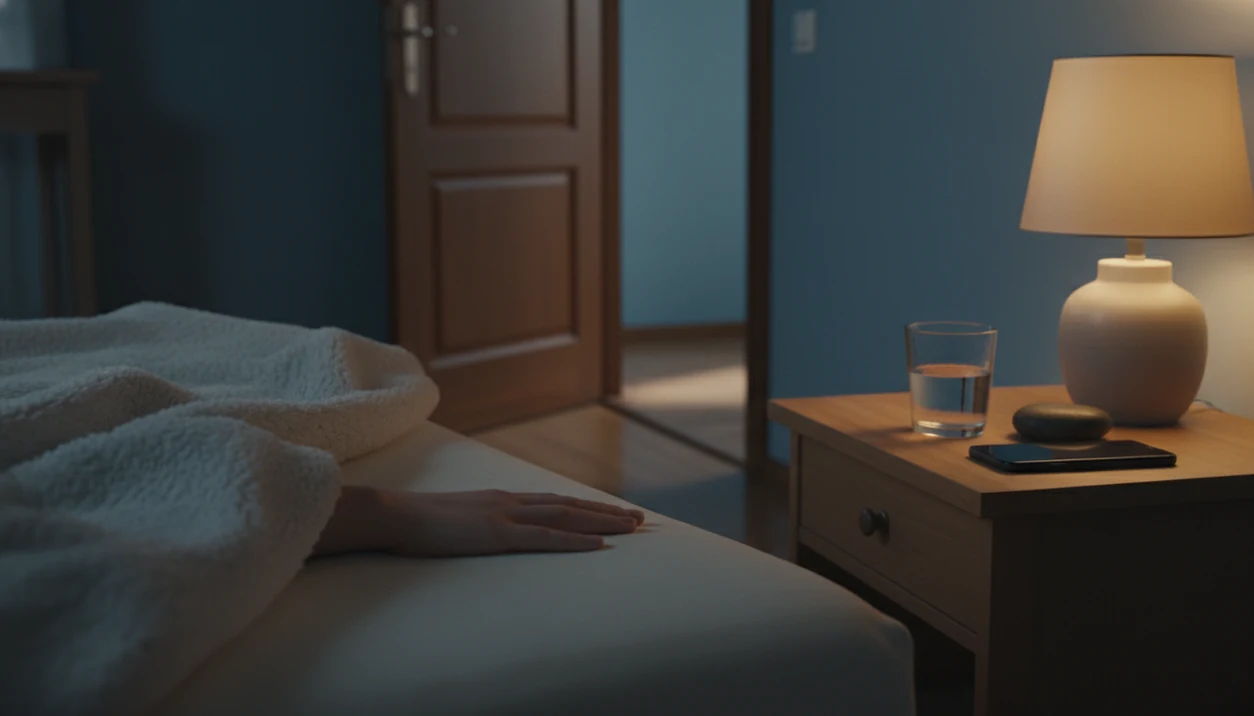
Suggested image caption: A phone showing calming audio beside a chair and soft light, illustrating panic attack meditation support with eyes-open grounding.
Choosing MindTastik audio during and after panic
MindTastik’s guided meditation library is an option for adults who prefer spoken prompts to silent practice. During a panic surge, choose a session with simple grounding instructions rather than prolonged attention to bodily sensations. Breathing exercises are another option only while the cues remain comfortable.
Sleep audio may suit rest after the surge. Anyone whose symptoms need medical assessment, whose panic keeps returning, or whose distress worsens with audio should choose real-world care rather than rely on an app.
What meditation cannot do during a panic attack
Meditation has real limits during panic, and those limits should be named clearly.
- Meditation is not a guaranteed abort button for panic attacks; some surges continue even with good support.
- Breath or body focus can make some people feel worse, especially if dizziness, air hunger, or fear increases.
- Calming audio is not proven as a standalone treatment for panic disorder.
- Apps cannot evaluate chest pain, fainting, severe shortness of breath, confusion, neurological symptoms, or other possible emergencies.
- Meditation apps are not emergency services, diagnosis, psychotherapy, medication management, or crisis care.
- Persistent, recurrent, or disabling panic often needs professional evaluation and evidence-based care.
- Suicidal thoughts, self-harm risk, violence risk, or immediate danger require urgent help rather than continued meditation.
Clinical guidance commonly recommends assessment and evidence-based care when panic is recurrent, severe, new, medically confusing, or interfering with daily life; NICE guidance describes stepped care for panic disorder and generalized anxiety disorder nice reference. For non-urgent stress practice, stress relief meditation for everyday calm can support routine regulation.
For paced breathing you can open in seconds, MindTastik breathing exercises keeps short exercises ready between meetings or before sleep.
Panic attack meditation questions
Can meditation stop a panic attack?
Meditation may help reduce the struggle around panic sensations and keep attention grounded, but it cannot reliably stop every attack. A short, concrete exercise is more suitable than a demanding session during intense panic. Continuing symptoms do not mean the person has failed at meditation.
What meditation should I use during a panic attack?
Use brief grounding with simple external cues, such as naming objects in the room or noticing contact with the floor. A guided voice can provide one instruction at a time. Avoid long body scans if attention to heartbeat, breathing, or other sensations increases fear, and stop if the exercise makes distress worse.
Can deep breathing make a panic attack worse?
Forceful deep breathing can increase dizziness, tingling, or air hunger, which may intensify panic. Breathing should stay gentle and comfortable rather than become an effort to fill the lungs completely. If breath control makes symptoms worse, stop controlling the breath and use external grounding instead.
Should I keep my eyes open during panic meditation?
Keeping the eyes open is a reasonable choice, especially if closing them feels trapping, dizzying, or disorienting. Looking at a steady object and naming nearby colors or shapes can keep attention connected to the room. Closing the eyes is not required for grounding or meditation support.
Is 4-7-8 breathing a good choice during a panic attack?
The 4-7-8 pattern includes a breath hold, which can be uncomfortable when panic already makes breathing feel difficult. It is not established as superior for stopping panic. Gentle breathing without holds is a more suitable starting point, particularly when breath sensations trigger fear or there are relevant medical concerns.
When should I seek emergency help instead of meditating?
Seek urgent help for chest pain, fainting, severe breathing difficulty, confusion, new neurological symptoms, suicidal thoughts, or an inability to stay safe. Do not assume new, severe, or unexplained symptoms are panic. Meditation cannot determine whether symptoms have a medical cause, and it should not delay urgent assessment.
Can daily meditation replace treatment for recurring panic attacks?
No. Daily practice may support grounding skills and recovery, but calming audio is not established as a standalone treatment for panic disorder. Panic that keeps returning, changes daily life, or feels new or medically confusing warrants professional help. Meditation can remain an optional support rather than the main plan.