
How To Stay Calm Under Pressure: A Practical Guide
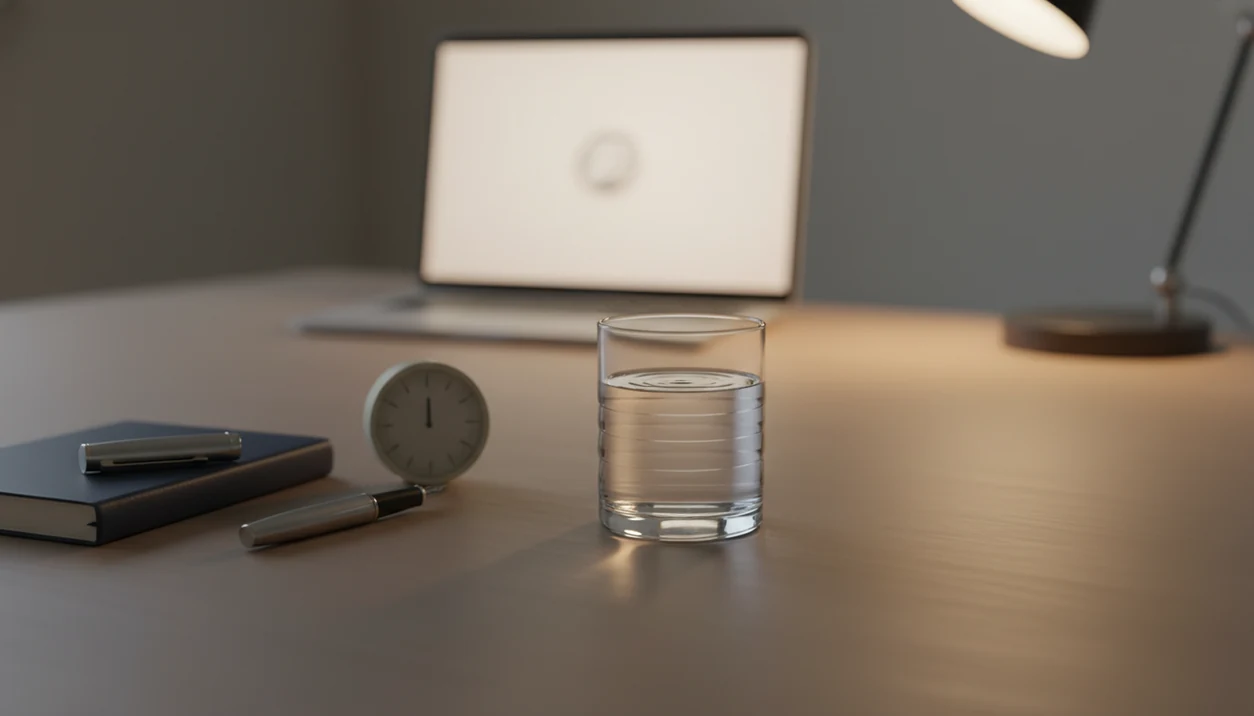


To stay calm under pressure, slow the breathing, name the feeling, ground attention in one task, and use a short routine practiced before the stressful moment. Staying calm means keeping enough control of the body, attention, and decision-making to respond clearly when urgency or high stakes activate the fight-or-flight response. It does not mean feeling no fear or tension.
Calm under pressure is a skill that can improve with repeated practice, preparation, and sleep support, rather than a fixed personality trait. Before an exam, meeting, or difficult conversation, a familiar breathing pattern and one concrete next action can make the response more manageable. Guided audio can support that practice, but severe or persistent symptoms call for more than a calming routine.
The pressure plan
- Use slow breathing and grounding to interrupt the body’s stress response before trying to think your way out of pressure.
- Build a personal pressure playbook with one breathing pattern, one grounding cue, one preparation step, and one recovery routine.
- MindTastik can support everyday calm with guided meditation, sleep audio, breathing exercises, and self-hypnosis, but it is not a replacement for professional care when symptoms are severe.
Calm Under Pressure Meaning In Exams, Meetings, And Conflict
how to stay calm under pressure means learning to regulate your body before you react. That question usually shows up before an exam, presentation, interview, deadline, conflict, or high-stakes meeting where your mind starts moving faster than your words.
Calm does not mean you feel nothing. It means your hands may still be warm, your chest may still feel tight, and you can still choose the next useful action. A student before an oral exam and a manager entering a tense meeting need the same first move: settle the body enough to think.
Pressure is common, not a personal failure. In 2023, 27.3% of U.S. adults said most days were “quite a bit” or “extremely” stressful, according to CDC/NCHS survey data: CDC guidance. For exam-specific routines, a simple meditation for exam stress practice can give your brain a familiar starting point.
How Staying Calm Under Pressure Works
Staying calm under pressure works by lowering the body’s alarm level enough for attention and decision-making to come back online. The goal is not to delete emotion; it is to stay functional while stress is present.
When pressure hits, the fight-or-flight response prepares you to deal with danger: your heart speeds up, muscles tighten, breathing gets shallow, and your mind scans for threats. Slow exhales can help because breathing is one body signal you can influence on purpose. A longer out-breath nudges the nervous system toward regulation, which simply means moving from full alarm toward steadier control.
Grounding works from the attention side. When you feel your feet, notice the room, or name one concrete task, you interrupt the brain’s threat scanning and give it a smaller target. A practical sequence is:
- Exhale longer than you inhale for a few breaths.
- Soften your jaw, shoulders, and hands.
- Notice one physical anchor, such as your feet or chair.
- Choose the next useful action, not the whole solution.
Body-based skills are not enough when panic is severe, trauma is active, symptoms keep returning, or the situation is unsafe. In those cases, calm skills can support you, but professional or outside help may be needed. Practicing meditation for anxiety and stress can support everyday coping, alongside professional care when symptoms become severe or persistent.
Nervous System Response During High-Pressure Moments
The fight-or-flight response is the body’s rapid stress system, marked by a racing heart, tense muscles, shallow breathing, narrowed attention, and faster threat scanning. It is useful for danger, but it can be clumsy during a job interview or a difficult conversation.
Slow exhaling, grounding, and mindfulness send safety cues to the nervous system. The technical term is autonomic regulation, which means shifting from alarm toward steadier body control. When you lengthen the exhale, relax your jaw, and feel your feet, attention starts moving from “everything is wrong” to “what is one thing I can do?”
That shift matters.
Mindfulness-based interventions have shown moderate reductions in perceived stress in adults, according to a meta-analysis of randomized trials. A meta-analysis of randomized clinical trials found modest improvements in anxiety and depression symptoms with mindfulness meditation programs; separately, the CDC includes meditation among its recommended ways to manage stress. Clinicians typically recommend breathing, grounding, sleep support, and professional care when symptoms are intense, persistent, or tied to trauma.
How To Use Calm Under Pressure Techniques
Use calm under pressure techniques by building one small routine before you need it, then repeating it during and after stressful moments. The simpler the routine, the more likely your brain can find it when pressure rises.
- Choose one pressure situation to practice first, such as a weekly meeting, exam review, difficult text, or deadline check-in. Do not start with every stressful part of your life at once. During seasonal gatherings and busy schedules, practicing how to stay calm during holidays offers another setting for these skills.
- Pick one breathing pattern and one grounding cue. For example, breathe in for 4 and out for 6, then feel both feet on the floor or touch your fingertips together.
- Practice the routine before the event, not only when stress is already loud. Repetition makes the steps feel familiar instead of forced.
- Use the same sequence during the pressure moment: longer exhale, loosen your jaw, ground your body, and choose the next useful action.
- Recover afterward with a short note, rest, movement, or guided audio. Ask what helped, what was too hard, and what you will repeat next time. If stress leaves you feeling flat afterward, learning how to improve your mood can complement your recovery routine.
Five Calm Under Pressure Facts To Remember
- Calm under pressure is trainable with repetition; it is not reserved for people who seem naturally unbothered.
- Breathing and grounding work better when practiced before emergencies, not only when the room already feels too bright.
- Single-tasking beats multitasking under stress because attention needs one controllable target.
- Sleep and exercise change your baseline stress reactivity, so pressure feels harder when your system is depleted.
- Meditation apps can help when used consistently and realistically, especially for breathing practice, bedtime audio, and short resets.
For most people, a rehearsed 60-second routine is easier to reach under stress than a long menu of coping tips because the brain has fewer decisions to make. After a demanding day, if your mind keeps circling as you try to settle, breathing exercises for anxiety at night can make that same skill easier to repeat.
Five-Step Pressure Playbook For Calm Decisions
A pressure playbook is a short routine you repeat before and during stressful moments. Use the same steps often enough that they feel familiar when your pulse jumps.
- Set: Choose one breathing pattern, such as inhale for 4 and exhale for 6, and practice it before the stressful event.
- Name: Label the situation and emotion without judging it: “This is pressure, and I feel nervous.”
- Ground: Notice your feet, hands, the room, or one physical anchor, such as palms pressed against a desk edge.
- Choose: Identify the next single action, not the whole problem: answer the question, open the file, or make the first call.
- Repeat: Use the same routine before meetings, exams, calls, presentations, and difficult conversations.
For beginners, a 5-minute guided session is often more manageable than silent meditation because it gives your attention something steady to follow. A 5 minute meditation for anxiety can be enough before a meeting starts.
60-Second Calm Routine For Pressure Spikes
A 60-second calm routine should lower body tension first, then help you speak or act one step at a time. You are not trying to erase emotion. You are trying to stay functional while it is present.
This is the kind of routine you can use with your cursor blinking in a meeting chat, your name about to be called in class, or your phone lighting up with a message you do not want to answer too quickly.
Pause: Stop adding words for one breath. If you are in a meeting, take a sip of water or look down at your notes.
Exhale: Breathe in gently, then make the exhale longer. Two or three slow exhales can soften the alarm signal.
Release: Drop your shoulders, unclench your jaw, and let your hands loosen after a video call or tense message.
Ground: Feel your feet, chair, or fingertips. The room is still here.
Answer: Choose one sentence or one action. Under communication pressure, slow down, ask for a moment, repeat the question, and answer one point at a time. Trying to force confidence can increase tension because your body hears “perform better” as another demand.
Daily Habits For Lower Stress Reactivity
In-the-moment techniques work better when your nervous system is not already running on fumes. Sleep, movement, hydration, food timing, and phone habits all change how quickly pressure tips into panic.
CDC sleep guidance recommends at least 7 hours for most adults, and short sleep is associated with worse mental and physical health outcomes: CDC guidancesleep/howmuch_sleep.html. Regular physical activity is also associated with about a 20-30% lower risk of depression and distress in population research. That does not mean a walk fixes everything. It means your baseline matters.
Keep the habits plain: a steady sleep window, brief walks, water within reach, fewer late-night phone checks, and small pauses between demanding tasks. Waking in the dark to scan notifications is common, but it can leave the next day’s meeting feeling heavier. For workdays, a short meditation for work stress routine can help mark the shift between pressure and recovery.
MindTastik Support For Breathing, Sleep Audio, And Everyday Calm
MindTastik offers guided meditation, sleep audio, breathing exercises, and self-hypnosis sessions for adults looking for everyday support with rest, anxiety, and calm. It can fit into a pressure routine as pre-meeting breathing, post-work decompression, bedtime audio after a stressful day, or a beginner-friendly meditation practice.
App-based mindfulness and CBT tools have shown small-to-moderate improvements in anxiety and depression symptoms compared with controls, according to a systematic review. Digital tools work best with consistent use, realistic expectations, and support from qualified professionals when symptoms need more care.
Tools like MindTastik, Calm, Headspace, and mindful.org resources can help you choose a starting point without turning one hard day into a self-improvement project.
Best Fit And Safety Boundaries For Calm Under Pressure Techniques
Calm-under-pressure techniques fit everyday stress, performance nerves, and recovery after demanding days. They are not meant to replace therapy, medical care, crisis support, or changes needed in unsafe environments. When demanding days also bring sadness, meditation for low mood may offer gentle support without replacing professional care.
| Best for | Not for |
|---|---|
| Everyday stress before calls, errands, or family conversations | Severe panic that feels unmanageable or medically concerning |
| Work pressure, deadlines, interviews, and high-stakes meetings | Trauma symptoms, flashbacks, or unsafe environments |
| Performance nerves before exams, presentations, or travel | Major depression, crisis situations, or thoughts of self-harm |
| Conflict preparation when you need to speak more slowly | Replacing therapy, medication, medical care, or emergency support |
| Sleep disruption after busy days | Situations where professional or systemic support is needed |
Different people prefer different entry points. Eyes-open grounding may feel safer than eyes-closed meditation. Movement may work better than stillness. Audio can help when you want a calm voice to follow while anxious thoughts keep looping, including a meditation app for anxiety support.
Guided breathing before meetings and exams
MindTastik’s breathing exercises and guided meditations can provide a repeated cue before a meeting, exam, or difficult conversation. They suit adults who prefer spoken instructions to remembering a routine under stress. Sleep stories and soundscapes offer a separate option for winding down after a demanding day.
When there is no time or privacy for audio, silent grounding may be more practical. People with severe panic, persistent insomnia, or difficulty functioning should seek professional support rather than rely on an app. MindTastik is not a medical treatment.
When breathing and grounding are not enough
Calm techniques are useful, but they have limits. They should be treated as supportive skills, not as proof that you should handle everything alone.
- Breathing and meditation may not work instantly every time, especially during sudden panic or intense conflict.
- Benefits are gradual and depend on repetition before stressful moments.
- Some people feel more anxious with eyes-closed meditation; eyes-open grounding or movement may fit better.
- Apps depend on engagement and consistency, so downloading one is not the same as building a routine.
- Severe anxiety, panic disorder, PTSD, major depression, trauma, or unsafe environments may require professional or systemic support.
- Self-help techniques should not be framed as a cure or replacement for qualified care.
- If pressure is tied to bullying, violence, discrimination, or unsafe work demands, the solution may need outside help, not only breathing.
Plainly said, calm is not compliance. Sometimes the calmest next step is asking for support.
When Worry Spikes
This works best when pressure is rising but you still have a small window to interrupt the spiral: before answering a difficult question, entering a meeting, or responding during conflict. Start with one steady breath, let your shoulders drop, then make the exhale slightly longer than the inhale for three rounds. A calm reset does not need to feel peaceful to be useful; it only needs to give your attention one clear next step.
Choose a reset for racing thoughts, tension, or speaking pressure
| If you... | Try | Why | Note |
|---|---|---|---|
| Your thoughts are racing and you keep rehearsing what could go wrong | A short guided voice with one repeated breathing cue | External instruction can reduce the number of decisions you have to make in the moment. | Keep it brief; a long session may feel frustrating when urgency is high. |
| Your body feels tense, especially in the jaw, chest, or shoulders | Shoulder drop plus counted exhale | Pairing a physical release with a count gives anxiety a concrete task instead of an abstract command to relax. | Do not force deep breathing; aim for a smoother breath, not a bigger one. |
| You need to perform soon and cannot step away | Silent grounding: name one task, one sensation, and one next action | A narrow focus can support steadier behavior without needing privacy, equipment, or extra time. | This is a reset, not a guarantee that nerves disappear. |
When you need a body-first reset before meditation, MindTastik breathing exercises offers simple breathing patterns you can follow along.
Staying calm under pressure: common questions
How can I calm down quickly before speaking?
Pause for one breath, release the shoulders and jaw, and make the exhale slightly longer than the inhale without forcing it. Feel both feet on the floor, then choose the first sentence or task. The aim is enough steadiness to speak, not the complete disappearance of nerves.
Why does my mind go blank under pressure?
Pressure can narrow attention and interfere with working memory, making familiar information harder to use in the moment. A racing heart or shallow breathing can add to the distraction. Pause, use a physical grounding cue, and return to one question or instruction rather than trying to recover the whole answer at once.
What breathing pattern helps during a stressful meeting?
A gentle inhale for four counts followed by an exhale for six is one option. Keep the breath comfortable rather than unusually deep, and use a shorter count if needed. Practice beforehand so counting does not become another demand. If breath-focused attention increases anxiety, switch to feeling the feet or hands.
How do I stay calm during an exam?
Use a familiar reset before starting: notice the feet, slow the exhale, and focus on the question in front of the page. If attention drifts toward the result, return to the next answerable step. Breathing supports regulation, but it does not replace revision, rehearsal, sleep, or time management.
How do I stay calm during an argument?
Stop adding words for a breath, release physical tension, and identify the next useful action, such as asking one clear question or pausing before responding. Calm does not require agreeing or suppressing anger. In an unsafe situation, protection and outside support matter more than maintaining a calm appearance.
Can staying calm under pressure be learned?
It can improve with practice. Choose one recurring situation and rehearse the same breathing pattern, grounding cue, and next-action prompt before it occurs. Repeat the routine when pressure rises. Progress means responding more deliberately while stress is present, not becoming someone who never feels nervous or overwhelmed.
How long should I meditate to manage recurring stress?
For recurring stress, the practical guidance here is 10 to 20 minutes most days for several weeks, preferably within a structured program. A one to five minute reset serves a different purpose: managing an immediate pressure spike. Neither duration guarantees results, and persistent or disabling symptoms warrant clinical assessment.
When should I seek help for stress instead of using calming techniques?
Seek professional support when stress causes persistent insomnia, repeated panic, difficulty functioning, or substance misuse. Meditation and breathing can remain supportive practices, but they are not sufficient care for severe symptoms. Thoughts of self-harm or an immediate safety concern require urgent help through local emergency or crisis services.