
Mindfulness for Winter Blues: A Practical Guide for Darker Months
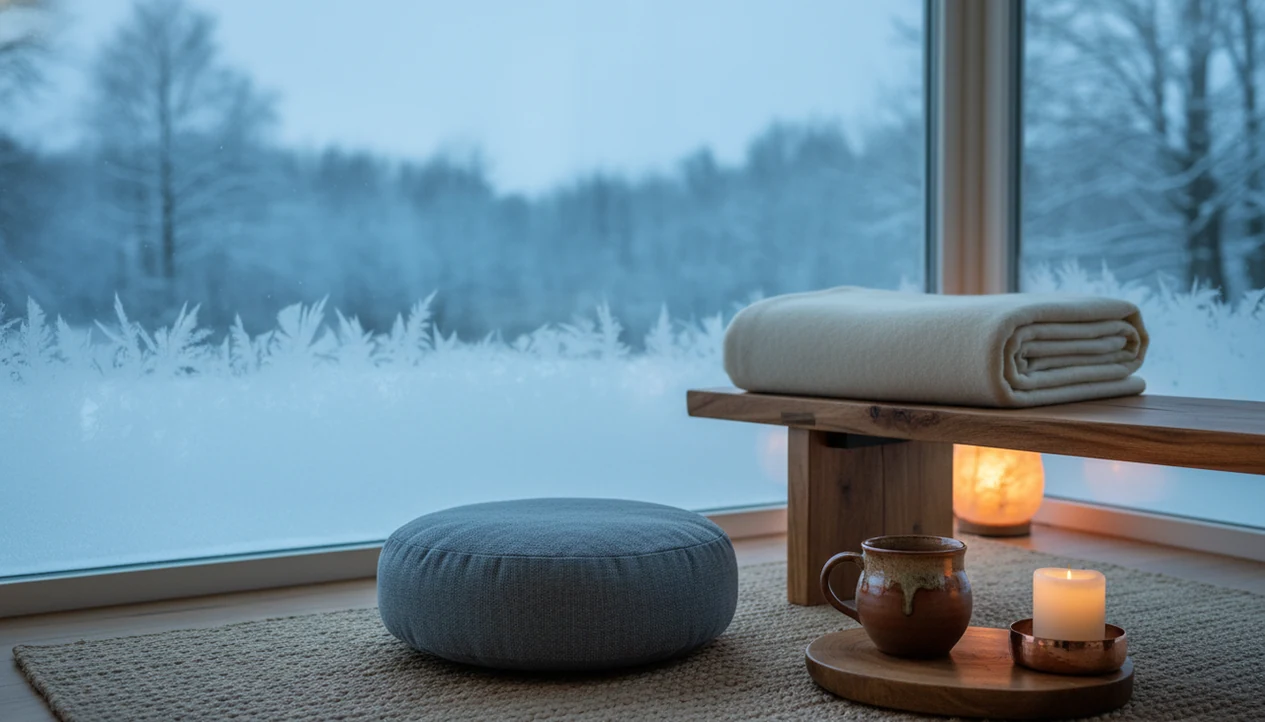


Mindfulness for winter blues means using breathing, body awareness, and nonjudgmental attention to notice seasonal low mood and stress without getting pulled into them. During darker, colder months, a short practice can provide a pause when tiredness, irritability, or heavy thoughts start shaping the day. The aim is not to force a brighter mood, but to notice what is happening and choose a manageable next step.
Start with 3 to 10 minutes of breathing, grounding, or guided meditation each day. Keep daylight, movement, steady sleep, and social connection in the routine too. Mindfulness is a coping tool, not a stand-alone treatment for seasonal depression. Symptoms that persist, worsen, or interfere with daily life need professional assessment rather than a longer meditation session.
The essentials
- Start with 3 to 10 minutes of breathing, grounding, or guided meditation each day.
- Pair mindfulness with daylight exposure, movement, steady sleep, and connection.
- Seek professional help if winter symptoms are severe, persistent, or disrupt daily life.
Mindfulness for Winter Blues Guide: What It Means
Mindfulness for winter blues is a simple coping practice for the low energy, sadness, stress, irritability, and heaviness that can show up in darker months. It means noticing what is happening in your body and mind without immediately arguing with it. When winter irritability becomes anger, mindfulness for anger can help you pause before reacting in a tense moment.
A mild winter dip might feel like dragging yourself through gray mornings or losing interest in your usual evening routine. Seasonal affective disorder is different. It can involve persistent depression, major sleep or appetite changes, and trouble functioning. The American Academy of Family Physicians estimates seasonal affective disorder affects about 4% to 6% of people, with another 10% to 20% experiencing milder winter-pattern mood changes (aafp reference: p1531.html); NIMH describes SAD as a seasonal depressive disorder that can affect sleep, appetite, energy, and functioning (nimh reference: seasonal affective disorder).
Mindfulness can support coping. It does not cure seasonal affective disorder.
Clinicians typically recommend professional evaluation when symptoms persist, worsen, or disrupt daily life.
How Mindfulness for Winter Blues Works in the Brain and Body
Mindfulness for winter blues works by training attention away from repetitive negative thoughts and back toward present sensations. In plain terms, it gives your mind something steady to return to.
Winter can feed rumination. One thought about tiredness turns into a whole story about failing, wasting the day, or never feeling like yourself again. Breath awareness, body scans, and grounding exercises interrupt that loop by engaging attention regulation and emotional regulation. Those are technical terms for “noticing where your mind went” and “settling your body before reacting.”
The early-morning wake-up matters here. You notice the hour, unclench your jaw, place your feet on the floor if needed, and follow one slow exhale instead of feeding another loop of worry. If worry turns into fear, practicing staying present when afraid can help you focus on immediate sensations.
Evidence is stronger for mindfulness in anxiety, stress, and depressive symptoms generally than for winter blues specifically. A 2010 meta-analysis in the Journal of Consulting and Clinical Psychology found moderate reductions in anxiety and depressive symptoms with mindfulness-based interventions, though it did not study winter blues specifically (PMC research article: PMC2848393).
Evidence and Sources for Mindfulness and Seasonal Mood
The evidence is most useful when it is separated into two buckets: mindfulness for stress, anxiety, and depression generally, and mindfulness for winter blues specifically. The first bucket is stronger; the second is still limited.
Mindfulness-based programs have been studied for stress, anxiety symptoms, and depressive symptoms, including in peer-reviewed reviews such as the 2010 Journal of Consulting and Clinical Psychology meta-analysis mentioned above. That does not mean a breathing session treats seasonal affective disorder. It means mindfulness may help with patterns that often travel with winter mood dips: rumination, tension, and feeling flooded.
For seasonal affective disorder, NIMH describes symptoms such as low mood, sleep and appetite changes, low energy, and trouble functioning, and lists treatment options that may include light therapy, psychotherapy, medication, and vitamin D evaluation. Use that distinction when choosing support:
- Use mindfulness for daily coping, stress awareness, and sleep wind-down.
- Watch for persistent, worsening, or disabling symptoms.
- Ask a clinician about SAD-specific evaluation and treatment when symptoms affect life.
- Treat apps as routine helpers, not tools that diagnose or treat SAD.
Five Mindfulness for Winter Blues Facts to Know First
- Consistency beats duration. Three minutes daily is often easier to maintain than one long session you avoid.
- Mindfulness works better with winter basics. Daylight, movement, sleep routines, and social connection make the practice more grounded. If running fits your abilities and routine, meditation and running for depression may complement professional care and daily coping.
- Simple practices stick. Brief breathing, grounding, and guided meditation are easier than complicated routines.
- Thought spirals can soften. Mindfulness helps you notice “I feel heavy today” before it becomes “nothing will improve.”
- Severe symptoms need care. Persistent depression, suicidal thoughts, or inability to function require professional evaluation.
For mild winter low mood, short daily mindfulness is often easier than occasional long meditation because it lowers the effort needed to begin.
If anxiety spikes are part of the season, a 5 minute meditation for anxiety support can be a practical starting point.
How to Use Mindfulness for Winter Blues Each Day
Use mindfulness for winter blues by choosing one small practice, attaching it to a daily cue, and repeating it without grading yourself. Keep the routine small enough that a gray day does not break it.
1. Set a short winter practice window
Choose 3 to 10 minutes. Put it after waking, lunch, sunset, or bedtime.
2. Choose one calming mindfulness exercise
Pick breathing, a body scan, grounding, gratitude, or guided meditation. Do not rotate everything on day one.
3. Link mindfulness to a daily cue
Pair practice with an existing moment, like opening the curtains or dimming the phone screen before bedtime audio.
4. Track mood and sleep lightly
Write one line about mood, sleep, energy, and stress. No scorekeeping.
5. Reset after missed days
Start again with one minute. Reset the plan instead of quitting.
For tense evenings, breathing exercises for anxiety at night can make the first step feel more concrete.
Best Mindfulness for Winter Blues Tips by Situation
Match the practice to the moment. Winter blues feels different at 8 a.m. than it does at 9:40 p.m.
- Morning heaviness: Sit near natural light or a window and take ten slow breaths. Let your eyes adjust before checking messages.
- Afternoon slump: Try a five-senses grounding walk, even if it is only around the block or down a hallway.
- Evening anxiety: Use a body scan or slower exhale breathing. Longer exhales can cue the body toward settling.
- Bedtime rumination: Choose guided sleep meditation or self-hypnosis audio when thoughts keep circling.
- Low motivation: Do one minute. Seriously. One minute lowers the barrier.
The most useful winter mindfulness practice is the one you can repeat on low-energy days, while longer sessions fit people who already have a steady routine.
For workday tension that gets worse in winter, a meditation for work stress reset may fit the afternoon dip. For worry before the workweek, try mindfulness for Sunday Scaries as a brief practice on anxious winter evenings.
When meditation makes winter low mood worse
Meditation does not feel calming for everyone. A systematic review summarized by the National Center for Complementary and Integrative Health examined 83 studies involving 6,703 participants and found that about 8% reported negative effects, commonly anxiety or depression. That figure is not a winter-blues-specific risk estimate, but it is a reason to pay attention to worsening symptoms rather than assuming every uncomfortable session is helpful.
If a practice brings on panic, traumatic memories, dissociation, or a marked drop in mood, stop the session rather than extending it. Discuss persistent or severe reactions with a qualified clinician before resuming. Suicidal thoughts or an inability to stay safe require urgent help, not another meditation. In the United States and its territories, call or text 988; immediate danger calls for local emergency services or the nearest emergency department.
Mindfulness for Winter Blues App Routine with MindTastik
Does a meditation app help with winter blues? An app can make practice easier by giving you a guided session when low mood feels hard to approach alone.
MindTastik offers guided meditation, sleep audio, breathing exercises, and self-hypnosis sessions for adults looking for support with rest, anxiety, and everyday calm. Try guided meditation when quiet feels too heavy on its own. Try sleep audio when long winter evenings invite rumination. Try breathing exercises when stress rises or focus slips before a task.
Your setup does not need to be perfect. A short guided voice and one steady breath can still help.
Tools like MindTastik, Calm, Headspace, and mindful.org can support routine, but they do not treat seasonal depression.
Best For and Not For: Mindfulness for Winter Blues
Mindfulness for winter blues is best for mild seasonal mood dips, stress, sleep disruption, and winter rumination. It is not enough for crisis situations or disabling depression.
| Fit | What it means |
|---|---|
| ✅ Best for mild winter low mood | Useful when you feel slower, heavier, or more irritable but can still function. |
| ✅ Best for beginners | Short guided practices help when silence feels awkward or unclear. |
| ✅ Best for sleep wind-down | Body scans, breathing, and calm audio can support a steadier bedtime routine. |
| ❌ Not for crisis situations | Suicidal thoughts, self-harm risk, or inability to function need urgent help. |
| ❌ Not a treatment replacement | Light therapy, therapy, medication, or medical advice may be needed for SAD. |
If symptoms persist or worsen, contact a qualified mental health professional. For stronger anxiety patterns, a meditation app for anxiety support can be one part of a wider support plan.
When to Seek Professional Help for Winter Blues
Seek professional help when winter blues stop feeling mild, start lasting for weeks, or make daily life hard to manage. Mindfulness can sit beside care, but it should not be the reason you wait.
A mild seasonal dip may look like lower energy, more irritability, or needing extra effort to start the day while you can still work, study, parent, connect, and keep basic routines going. More concerning signs include symptoms that persist, worsen, feel disabling, or bring major changes in sleep, appetite, concentration, or hopefulness. Suicidal thoughts, self-harm urges, feeling unsafe, or being unable to function are urgent signals.
- Contact a therapist, primary care clinician, psychiatrist, or local mental health service if symptoms are continuing or getting worse.
- Ask about options such as therapy, medical evaluation, light therapy, medication, or a combination that fits your situation.
- Use mindfulness as support for breathing, grounding, sleep wind-down, and noticing spirals, not as a substitute for treatment.
- Seek immediate help if you may harm yourself. In the U.S., call or text 988 for the Suicide & Crisis Lifeline. Outside the U.S., contact local emergency services or a local crisis line. Resources on mindfulness for suicide prevention discuss supportive practices, but immediate safety and professional crisis care must come first.
Guided sessions for heavy mornings and restless evenings
MindTastik’s guided meditation library offers spoken instruction for adults who find an unguided session difficult when energy is low or thoughts keep circling. Breathing exercises can provide a brief practice during a stressful day, while sleep stories or soundscapes offer an option for evening wind-down.
People looking for assessment or treatment of recurrent winter depression should choose clinical care rather than an app alone. MindTastik is not a medical treatment, and a guided session is optional support, not a requirement for managing seasonal low mood.
What mindfulness cannot do for seasonal depression
Mindfulness for winter blues has real limits, and those limits matter. It can support coping, but it should not be sold as a fix for every winter mood pattern.
- Mindfulness is not proven to work equally well for everyone.
- Evidence is stronger for anxiety and depression generally than for winter blues specifically.
- Meditation alone may be overhyped if daylight, sleep, movement, and connection are ignored.
- Apps can support routine, but they cannot diagnose or treat seasonal affective disorder.
- Severe depression, suicidal thoughts, or inability to function require professional help. If you are in the U.S. and may harm yourself, call or text 988 for the Suicide & Crisis Lifeline. Outside the U.S., contact local emergency services or a local crisis line.
- Some people feel more aware of difficult emotions when they first practice.
- A guided session may feel irritating on days when rest, food, daylight, or human contact is the real need.
MindTastik can help you choose a starting point, but persistent or worsening symptoms deserve care beyond an app.
When you need a body-first reset before meditation, MindTastik breathing exercises offers simple breathing patterns you can follow along.
Winter blues and mindfulness questions
Can mindfulness help with winter blues?
Mindfulness may help with stress, tension, and repetitive negative thoughts that accompany winter low mood. Evidence is stronger for depressive symptoms generally than for winter blues specifically. Use it as a small daily support alongside daylight, movement, regular sleep, and social contact, not as proof that seasonal depression is being treated.
How long should I meditate for winter blues?
A practical starting point is 3 to 10 minutes a day. Choose a length that remains manageable on low-energy days and attach it to a regular cue, such as opening the curtains or preparing for bed. This is a routine suggestion, not a proven treatment dose for seasonal depression.
What mindfulness exercise should I try on a dark winter morning?
Try a brief breathing practice near natural light: sit comfortably, notice the breath, and return attention to it when thoughts drift. A short guided meditation is another option when choosing instructions feels difficult. The goal is a manageable start to the morning, not an immediate change in mood or energy.
Are winter blues and seasonal affective disorder the same?
No. Winter blues usually describes a milder seasonal dip in mood or energy. Seasonal affective disorder involves depression with a recurring seasonal pattern and can disrupt daily functioning. Persistent symptoms, major sleep or appetite changes, or difficulty managing work and basic routines warrant assessment rather than self-diagnosis.
Can bedtime meditation help with winter rumination?
A body scan or guided sleep meditation can give attention something to return to when thoughts keep circling at bedtime. It can be part of a regular wind-down routine, but it does not guarantee better sleep. Ongoing sleep disruption with low mood should be discussed with a clinician.
What should I do if meditation makes me feel more depressed?
Stop the session if mood worsens noticeably, or if panic, traumatic memories, or dissociation appear. Do not treat distress as a reason to meditate longer. Discuss persistent reactions with a qualified clinician before resuming. Suicidal thoughts or feeling unable to stay safe require urgent support rather than self-guided practice.
When should I seek help for winter low mood?
Seek professional help when symptoms last for weeks, worsen, recur predictably each winter, or interfere with daily life. Major changes in sleep, appetite, concentration, or hopefulness also deserve attention. If there is immediate danger or an inability to stay safe, contact emergency services. In the United States and its territories, call or text 988.