
Mindfulness for Depression: A Practical Guide to Everyday Calm
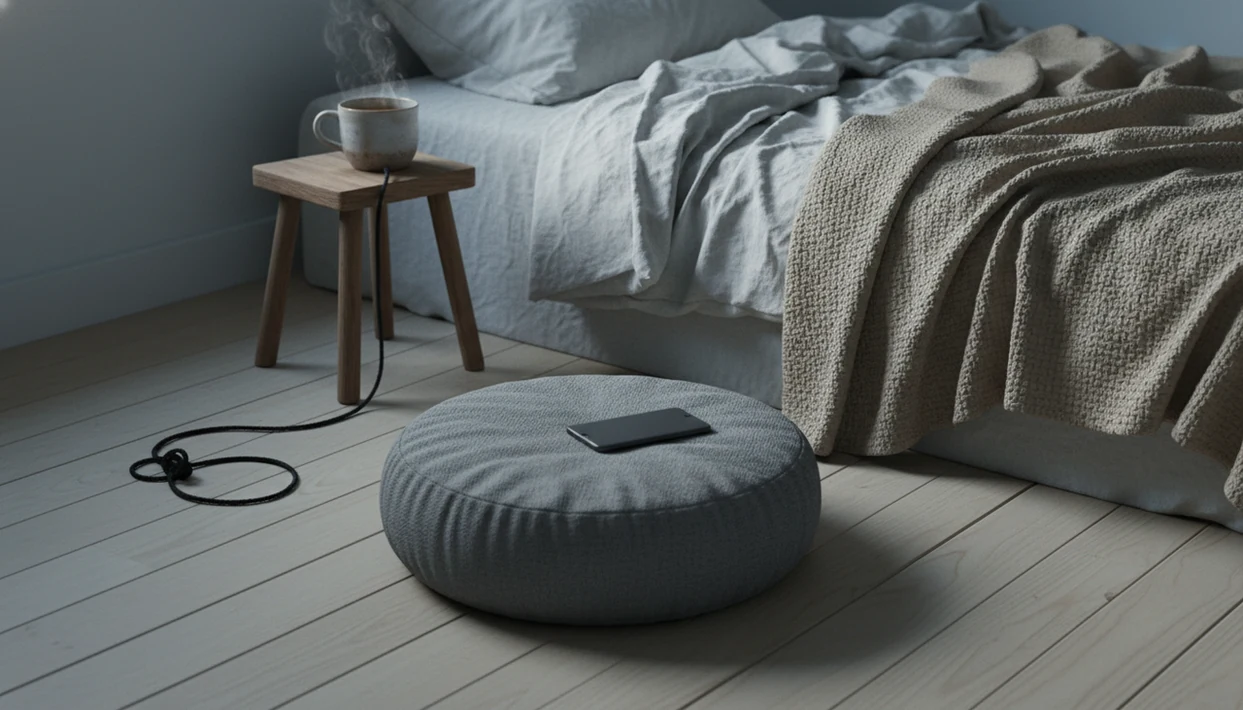


Mindfulness for depression is the practice of paying steady, non-judgmental attention to thoughts, emotions, and body sensations so rumination has less control over the day. It means noticing low mood, self-criticism, or tension without immediately believing every thought or trying to fight it. The aim is awareness, not forced positivity or an empty mind.
Short guided breathing or body-awareness sessions offer a manageable starting point, often five to ten minutes. Sleep, anxiety, and focus practices can also provide structure when energy is low. Mindfulness belongs alongside professional care when needed, not in place of therapy or medication. If someone may harm themselves or cannot stay safe, emergency or crisis support takes priority over meditation audio.
What matters most
- Start with 5 to 10 minutes of guided breathing or body awareness rather than long silent meditation.
- Mindfulness is a complement to therapy, medication, crisis support, and healthy routines, not a replacement for medical care.
- If you may harm yourself or feel unable to stay safe, seek emergency or crisis support now; mindfulness audio is not designed for immediate safety situations.
- A meditation app such as MindTastik can help structure sleep, anxiety, focus, and everyday calm practices into one repeatable routine.
Mindfulness for depression guide: what it can and cannot do
Mindfulness for depression is awareness practice, not forced positivity. It asks you to notice sadness, numbness, self-criticism, and heaviness without treating every thought as a fact.
That distinction matters. Depression often brings rumination, the loop where the same painful idea returns again and again. Mindfulness gives you a place to stand while the loop is happening. You might feel your feet on the floor, name “thinking,” and come back to one breath. Small, but real.
Depression is also common. In 2020, an estimated 21.0 million U.S. adults, or 8.4%, had at least one major depressive episode, according to the National Institute of Mental Health nimh reference: major depression.
Mindfulness can support stress, sleep, and emotional reactivity, but it does not replace therapy, medication, or crisis care. If symptoms are severe, worsening, or unsafe, a qualified clinician should be involved.
How mindfulness for depression works in the brain and body
Mindfulness works by training attention, decentering from depressive self-talk, and calming body arousal. In plain language, you practice seeing a thought as a mental event, not an order you must obey.
Attention training starts simply. You notice breath, sound, or body contact, then catch the mind wandering. When “I always mess things up” appears, decentering means recognizing, “That is a thought,” rather than building a whole case around it. Ceiling shadows at 2 a.m. can make that thought feel very convincing.
The body pathway matters too. Slow breathing and body awareness can help the nervous system downshift from alertness toward rest. That may be especially useful before sleep, when worry and muscle tension keep the brain busy.
A randomized trial of adults with sleep disturbance found that a mindfulness meditation mobile app improved depression and anxiety more than a control condition. A later secondary analysis reported that reduced pre-sleep arousal explained the depression improvement and partly explained anxiety improvement. Cite the app trial here with an inline source URL, for example: NIH research: PMC6609871.
Five mindfulness for depression facts worth knowing first
- Mindfulness-based cognitive therapy, or MBCT, can reduce relapse risk for recurrent depression; one large meta-analysis found about a 31% lower relapse risk versus usual care in people with three or more prior episodes NIH research: PMC4515747.
- Meditation apps show promise for adults with sleep disturbance, depression, and anxiety, but results depend on app quality, study design, and consistent use.
- Consistency usually matters more than session length; five minutes most days is often easier to repeat than one long session on Sunday.
- Mindfulness may make painful thoughts more noticeable at first, especially when the room gets quiet and there is nothing to distract from them.
- Mindfulness works best inside a broader support routine that includes sleep habits, movement when possible, social connection, and professional care when symptoms persist.
For people with low motivation, a short guided practice is often easier than silent meditation because the next instruction is supplied for you.
What MBCT research does and does not establish
Mindfulness-based cognitive therapy is a structured clinical approach, not another name for listening to meditation audio. A systematic review of MBCT for current depression found moderate-quality evidence of reduced depressive symptoms across seven randomized trials compared with combined control groups. The review described MBCT as an adjunctive intervention, supporting its use alongside appropriate care rather than treating it as an automatic replacement.
Relapse prevention is a separate question from relief during a current depressive episode. An NIH-indexed critical review of mindfulness research found that early relapse results differed according to the number of previous episodes, with more favorable findings among people with three or more. A relapse-reduction percentage should not be read as a prediction for every person. Treatment history and current symptoms matter when deciding on MBCT with a clinician.
How to use mindfulness for depression in a 10-minute routine
Use a 10-minute mindfulness routine for depression by keeping the practice short, guided, and easy to start. The goal is not to fix your mood in one sitting; it is to practice returning without self-attack.
- Set a small timer or choose a short guided session. Pick 5 to 10 minutes, not the longest track in the library.
- Sit or lie down in a low-friction position. A chair, couch, or bed is fine if it helps you begin.
- Anchor attention to breath, sound, or body contact. Feel your back supported, your feet touching the floor, or air moving at the nose.
- Label thoughts gently. Try “thinking,” “planning,” “remembering,” or “judging” when the mind starts pulling you.
- Return to the anchor without self-criticism. Wandering is part of the exercise, not proof that you failed.
- Close by choosing one tiny next action. Drink water, open the curtains, reply to one message, or start a simple task. For additional everyday support, explore practical ways to improve your mood alongside small, manageable actions.
Tiny counts.
Mindfulness for depression tips by morning, midday, and bedtime
Morning grounding: Before checking the phone, place both feet on the floor and name three body sensations. This gives your attention one steady place before messages, news, or comparison enter the day.
Midday breathing: Use a short reset when stress or anxious spirals build. If you need a structured option, a 5 minute meditation for anxiety can be easier than improvising while tense.
Afternoon focus practice: Before a work or household task, take one minute to notice posture, breath, and the first physical step. The laptop fan during a five-minute pause can become the anchor.
Evening body scan: Try body awareness or sleep audio before difficult thought work. Body-based practices often come first because depression can make analysis sticky. A body scan gives attention a neutral path: jaw, shoulders, chest, belly, legs.
Start where resistance is lowest.
Mindfulness for depression and anxiety: sleep, worry, and focus links
Mindfulness may help when depression and anxiety appear together by reducing rumination, easing body arousal, and giving attention a steadier place to rest. It is most useful as a repeatable support skill, not as a stand-alone treatment plan.
Depression and anxiety often reinforce each other. Low mood feeds “nothing will change,” anxiety adds “something bad is coming,” and the body stays alert. At bedtime, that can look like tomorrow’s meeting looping at midnight while the phone screen is dimmed to its lowest setting.
Guided meditation can support mood indirectly when it helps nighttime settling. Less pre-sleep arousal may mean fewer minutes spent rehearsing problems in the dark. For more specific night practice, breathing exercises for anxiety at night can pair well with a short body scan.
MindTastik offers guided meditations, sleep audio, breathing practices, and self-hypnosis sessions for adults looking for gentle support with rest, anxiety, and daily calm.
Mindfulness for depression fit check: best use cases and red flags
Mindfulness is a better fit for mild mood support, recurrent rumination, stress, sleep disruption, and beginners who want structure. It may not be enough when depression is severe, unsafe, or blocking basic daily function.
| Option | Best for | Not ideal for |
|---|---|---|
| Guided app sessions | Short daily practice, sleep audio, anxiety resets, beginner structure | People who need live clinical support or crisis care |
| MBCT-style courses | Recurrent depression relapse prevention, skills practice, group structure | Someone who cannot manage a class schedule right now |
| Unguided silent meditation | Experienced meditators who tolerate quiet well | Beginners whose rumination gets louder in silence |
Professional support is important when symptoms are persistent, worsening, or include suicidal thoughts, self-harm urges, psychosis, or major functional impairment. If anxiety is also intense, a meditation app for anxiety support may help with daily practice structure, but clinical care should lead when safety is involved.
Common mindfulness for depression mistakes that increase rumination
The most common mindfulness mistake is trying to force calm. That usually turns practice into another test, and depression already gives people too many ways to feel behind.
Long sessions can also backfire. A 30-minute silent meditation may sound serious, but a beginner with low mood may spend most of it arguing with thoughts. Choosing guided support is not cheating. It is often the kinder starting point.
Another mistake is judging the session by whether mood changes immediately. Some days the useful result is simply noticing, “I am judging myself again,” and returning once. That is practice.
Mindfulness also should not become avoidance. If a hard conversation, medication review, therapy appointment, or safety plan is needed, meditation should not be used to delay it. For work-related spirals, a brief meditation for work stress can help you pause before the next step, not erase the problem.
When to stop a practice and seek help
Worsening distress is not a reason to push through a meditation. The NCCIH summary of meditation safety research reports that about 8% of participants in a review of 83 studies experienced negative effects, commonly anxiety or depression. That figure is not a personal risk estimate. If practice intensifies panic, traumatic memories, disconnection, or low mood, stop and discuss the reaction with a qualified clinician.
Immediate safety concerns need a different response from ordinary rumination. Someone with suicidal intent, a plan, access to lethal means, or an inability to stay safe should contact local emergency services or go to the nearest emergency department. In the United States and its territories, call or text 988 for crisis support. A guided session should never delay urgent assessment or become the sole response to thoughts of self-harm.
Guided support when low mood makes starting difficult
MindTastik’s guided meditation library can provide instructions for a brief practice when low energy makes choosing an exercise difficult. Breathing exercises suit anxiety alongside low mood, while sleep stories offer a bedtime option for people who prefer listening to sustained inward attention. These are support activities, not depression treatment. People seeking relapse prevention, help with severe symptoms, or immediate safety support need clinical care rather than an app-only routine.
When mindfulness is not enough for depression
Mindfulness has real limits, and naming them keeps the practice safer. It can be supportive, but it is not a complete depression care plan.
- Mindfulness is not a crisis tool for suicidal thoughts, self-harm urges, or immediate danger. Emergency or crisis support is needed in those situations.
- App studies are promising, but many have small samples, short follow-up periods, and variable app quality.
- Some people feel more aware of painful thoughts at first, especially during quiet practice.
- Mindfulness does not address every biological, social, trauma-related, or medical cause of depression.
- Long silent practices can worsen anxiety or rumination for some people.
- Moderate to severe depression should involve qualified professional care, such as a therapist, physician, psychiatrist, or crisis clinician.
- Guided audio can help with a wind-down routine, but it cannot guarantee sleep or mood improvement.
Tools like MindTastik, Calm, Headspace, and mindful.org can help organize practice. The label Best Meditation App for Sleep may be useful when comparing bedtime support, but fit and safety matter more than any single feature.
Three brief practices for racing thoughts, tension, and low motivation
| Technique | Best for | Minutes |
|---|---|---|
| 4-count inhale, 6-count exhale | slowing racing thoughts without complex instructions | 3-5 min |
| Shoulder drop with breath label | noticing body tension without over-focusing on it | 2-4 min |
| Short guided voice reset | low motivation, decision fatigue, or scattered attention | 5-10 min |
For paced breathing you can open in seconds, MindTastik breathing exercises keeps short exercises ready between meetings or before sleep.
Mindfulness and depression questions
Does mindfulness actually help depression?
Mindfulness programs can reduce depressive symptoms, but the average benefit depends on the program and what it is compared with. Reviews have found small improvements against some comparison groups, without clear superiority over other active approaches. It is best treated as a support skill or part of clinical care, not a guaranteed treatment.
What is the difference between MBCT and a meditation app?
Mindfulness-based cognitive therapy combines mindfulness practice with cognitive therapy in a structured clinical approach. Evidence about MBCT cannot automatically be applied to an app’s audio library. An app can help organize practice, but it does not provide the same clinical assessment, monitoring, or treatment relationship.
How long should I meditate when I feel depressed?
Five to ten minutes of guided practice is a manageable starting point, not a proven treatment dose. A shorter session is reasonable when concentration or motivation is limited. The useful task is noticing a thought and returning to an anchor, rather than sitting for a prescribed length or producing an immediate mood change.
Can meditation make depression worse?
Yes, some people report worsening depression, anxiety, or other distress during meditation. Quiet practice can also make painful thoughts more noticeable. Stop if symptoms intensify, especially with panic, traumatic memories, or disconnection, and discuss the reaction with a clinician. Continuing through worsening distress is not a requirement of mindfulness.
How can I practice mindfulness without getting stuck in negative thoughts?
Use a concrete anchor such as feet touching the floor, a sound in the room, or a guided voice. Briefly label a recurring thought as “thinking” rather than analyzing it, then return to the anchor. If inward attention keeps increasing rumination, shorten or pause the practice and consider professional support.
Can mindfulness replace antidepressants or therapy?
Mindfulness should not automatically replace prescribed medication or psychotherapy. MBCT research supports its role alongside appropriate clinical care, and meditation is not consistently better than other active treatments. Decisions about changing treatment belong with the treating clinician, particularly when symptoms are persistent, severe, recurrent, or interfere with daily functioning.
Can mindfulness help with sleep when depression causes bedtime rumination?
A brief guided practice can give attention something other than repetitive thoughts at bedtime. Body awareness, breathing, or sleep audio may help with settling, but sleep benefits are not guaranteed and do not establish that depression is being treated. If quiet practice makes thoughts more intense, choose a different approach and discuss persistent sleep problems with a clinician.