
Meditation for Pain Relief: A Practical Guide
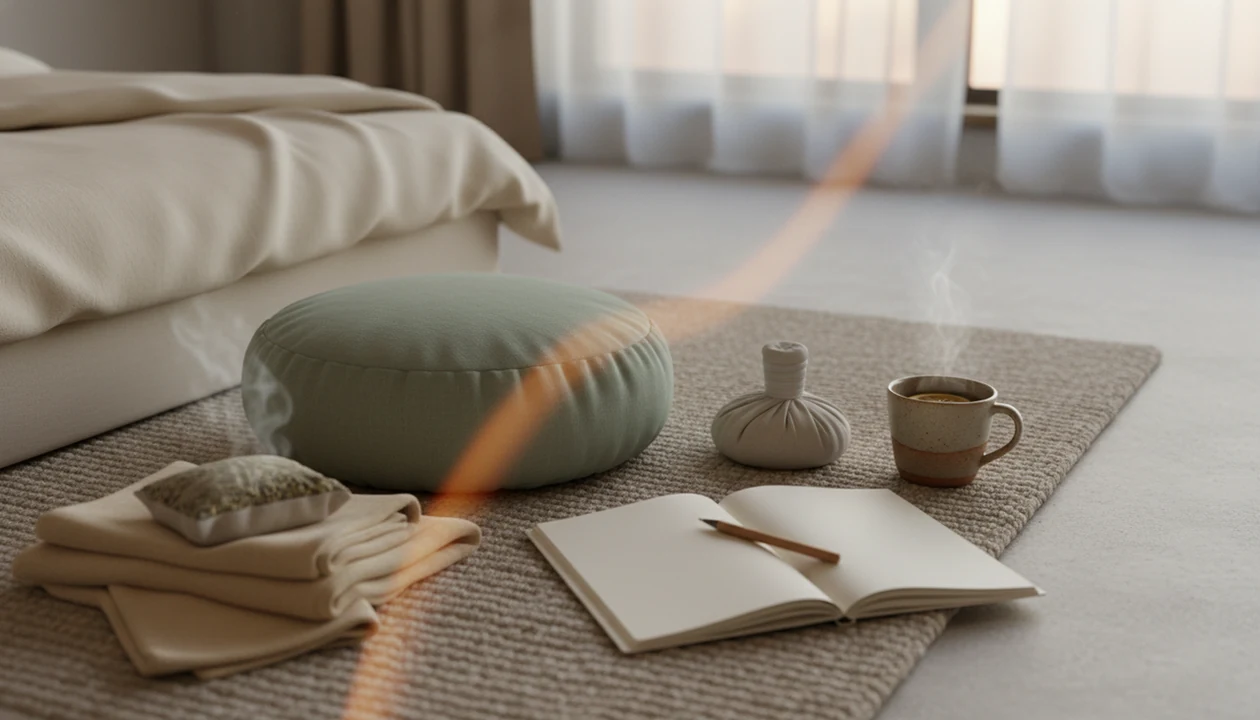


Meditation for pain relief uses breathing, focused attention, body awareness, and guided audio to reduce the intensity or emotional distress of pain. It aims to change how the brain relates to pain signals, not to remove the condition causing them. It belongs alongside medical care, including diagnosis, medication, physical therapy, or urgent treatment when needed.
Body scans, gentle breath awareness, and noticing sensations without immediately bracing are practical starting points. Benefits are usually modest: a review of 30 randomized trials found a small average improvement in chronic pain symptoms and rated the evidence as low quality. A useful session may make discomfort less consuming or support calmer rest, even when the sensation remains.
Pain relief essentials
- Meditation may reduce pain intensity, pain unpleasantness, stress, and sleep disruption, especially with regular practice over weeks.
- The most practical techniques are body scan meditation, slow breathing, and mindful awareness of sensations without bracing against them.
- A guided meditation app can fit as support for sleep, anxiety, breathing exercises, and everyday calm around a broader pain-care plan.
Meditation for Pain Relief Evidence at a Glance
- Meditation changes the experience of pain more than the underlying cause of pain. A sore joint, nerve injury, or back condition still needs proper care.
- In a 2011 randomized trial, four 20-minute mindfulness sessions reduced experimentally induced pain intensity by 40% and pain unpleasantness by 57% compared with control conditions jneurosci reference.
- A 2017 meta-analysis of 30 randomized clinical trials found small to moderate pain reduction and improved quality of life in chronic pain JAMA Internal Medicine study: 2629442.
- Evidence is strongest for chronic non-cancer pain, including chronic low back pain, where mindfulness-based programs have been studied more often.
- For many people, the useful shift is less “the pain vanished” and more “I stopped tightening around it.”
Late at night in a quiet room, pain may still be there, yet one steady breath can loosen the alarm around it.
What the comparison group changes about pain-relief claims
A study comparing meditation with a waiting list asks a different question from one comparing it with another credible treatment. In a 2015 review of 11 randomized trials, studies with active comparison groups generally showed smaller effects than those with inactive controls. This matters when deciding how much benefit to expect beyond an existing pain-care plan.
The type of practice also matters. A 2019 review of mindful exercise for chronic musculoskeletal pain found improvements in pain and disability, but included movement-based practices and related mind-body exercise. Those results cannot be assigned to seated meditation alone. Findings for a structured program should not be treated as a promise that a short audio session will produce the same result.
How Meditation for Pain Relief Works in the Brain
Meditation for pain relief works by changing attention, emotional reactivity, and threat appraisal around pain signals, not by pretending pain is harmless or imaginary.
Pain is more than raw sensation. It includes attention, memory, mood, muscle tension, and the brain’s estimate of danger. Mindfulness practice trains you to notice sensations without instantly bracing, catastrophizing, or scanning for the next spike. Clinicians typically recommend using these skills as part of a broader pain plan, especially when pain affects sleep, movement, or mood. When pain-related stress strains relationships, learning how to apologize effectively can help you acknowledge hurt and repair trust.
Brain imaging studies suggest mindfulness can influence regions involved in pain processing and emotion regulation, including the insula, anterior cingulate cortex, and prefrontal areas NIH research: PMC4941786. Plainly: the body may still send a signal, but the alarm around that signal can become less loud.
Not magic. Not denial.
Meditation is also not just distraction or positive thinking. It asks you to feel what is present with less struggle. Learning how to detach without shutting down can help you respond to discomfort with awareness rather than emotional withdrawal.
How to Use Meditation for Pain Relief During a Flare-Up
Use meditation during a flare-up as a short reset, not as a test of endurance. Stop, change position, or seek medical help if pain sharply worsens, feels new, or comes with concerning symptoms.
- Set your position. Sit, lie down, or use pillows so the painful area is supported.
- Find one breath. Notice the inhale and exhale without forcing deep breathing.
- Label sensations. Use simple words like “tight,” “warm,” “sharp,” “pulling,” or “pulsing.”
- Soften nearby tension. Relax the jaw, shoulders, belly, or hands if they are gripping.
- Widen attention. Include neutral areas, like the feet, back of the head, or air on the skin.
- End gently. Open your eyes, move slowly, and decide what care step comes next.
For flare-ups, a guided session is often easier than silent practice because you do not have to invent the next instruction while hurting. Fingers tracing a jacket zipper can be enough of an anchor for the first breath.
Best Meditation for Pain Relief Techniques to Try First
No single meditation technique works for every pain condition. Start with the method that matches the moment: daytime coping, nighttime discomfort, anxiety around pain, or beginner practice. If pain affects intimacy, explore meditation and sex with attention to comfort and communication, rather than pushing through discomfort.
| Technique | Best fit | How it helps |
|---|---|---|
| Body scan | Beginner practice and chronic tension | Moves attention through the body without demanding stillness or “success.” |
| Focused breathing | Daytime pain and quick resets | Gives the mind one steady anchor when pain feels loud. |
| Open awareness | Ongoing chronic pain coping | Helps you notice sensations, thoughts, and emotions without chasing each one. |
| Loving-kindness | Anxiety, frustration, and self-criticism around pain | Adds a warmer tone when pain has made the day feel personal. |
| Sleep meditation | Nighttime pain and restlessness | Supports a wind-down routine when discomfort keeps pulling attention back. |
For daytime pain, focused breathing is often easier than a long body scan because it gives attention a smaller job. For a broader overview, our meditation techniques library compares common practices in plain language.
A 10-Minute Meditation for Pain Relief Script
How do I do a 10-minute meditation for pain relief? Use a supported position, settle the breath, notice pain edges, relax non-pain areas, and close without judging the session.
Minutes 0-2: Sit, lie down, or recline with support. Let the eyes close or soften. Notice three ordinary breaths.
Minutes 2-4: Scan from the face to the feet. Do not search for pain. Just notice what is already calling for attention.
Minutes 4-6: Bring awareness near the painful area. Sense the edges. Is it wide, narrow, moving, hot, dull, sharp, or changing?
Minutes 6-8: Shift to an area that feels neutral or less painful. Let that part be included too.
Minutes 8-10: Return to the whole body. Take one slower exhale. Move gently before standing.
Cool sheets against restless legs can make this practice feel more real than formal. That counts.
Meditation for Pain Relief, Sleep, and Anxiety Support
Pain, sleep, and anxiety often feed each other. Pain makes sleep lighter, poor sleep lowers coping capacity, and anxiety can make every sensation feel more threatening the next day.
A practical routine separates the day into small support points. Before bed, calming audio can replace scrolling while the body settles. During stress spikes, a breathing exercise can lower the sense of urgency before a meeting, school pickup, or medical appointment. Guided apps such as Calm, Headspace, and MindTastik can help you choose between a 5-minute breathing exercise and a 20-minute body scan when thinking feels cluttered; they do not diagnose pain, provide emergency care, or promise that pain will disappear. Our best meditation app for sleep anxiety guide compares that use case more closely.
Best For and Not For Meditation for Pain Relief
Meditation for pain relief is best for coping, regulation, and reducing distress around pain. It is not a substitute for medical evaluation when pain is severe, new, worsening, or linked to injury.
| Best for | Not ideal for |
|---|---|
| Chronic pain coping when a diagnosis or care plan already exists | Untreated injury, sudden severe pain, or unexplained symptoms |
| Stress, fear, and frustration around recurring pain | Medical emergencies, chest pain, stroke symptoms, or severe infection signs |
| Sleep disruption when pain makes the mind race | Replacing prescribed medication, surgery, or physical therapy |
| Gentle daily regulation between appointments | Forcing attention onto sensations that increase panic or distress |
| Building a simple habit over weeks | Expecting full pain removal after one or two sessions |
Some people initially notice discomfort more when they pay attention. If that happens, use shorter sessions, keep the eyes open, or focus on breath and room sounds instead.
When to Seek Medical Help for Pain
Seek medical help when pain is new, severe, spreading, unexplained, or changing quickly. Meditation can support coping, but urgent or unusual symptoms need clinical assessment first.
Pain deserves extra caution when it arrives with chest pressure, stroke-like symptoms, fever, signs of infection, sudden weakness, shortness of breath, confusion, or a feeling that something is seriously wrong. Do not try to breathe through those signs just to finish a session. If focusing on the body makes panic, dread, or distress rise, pause the practice, open your eyes, and shift attention to the room while you decide what support you need.
- Call emergency services if symptoms feel urgent, rapidly worsen, or involve chest pain, stroke symptoms, sudden weakness, or severe infection signs.
- Contact a clinician for pain that is new, intense, spreading, unexplained, or not following your usual pattern.
- Follow prescribed plans for medication, surgery recovery, physical therapy, movement limits, and warning signs.
- Use meditation gently only as a support once immediate safety and medical guidance are addressed.
Meditation for Pain Relief App Routine
A useful app routine for pain relief is short, repeatable, and easy to restart after a hard day.
- Morning, 5 minutes: Start with breath awareness or a brief body scan before the day becomes noisy.
- Flare-up, 3 minutes: Use a guided breathing reset, then decide whether to rest, move, call a clinician, or adjust your plan.
- Bedtime, 10 minutes: Choose sleep audio or a gentle body scan after dimming the phone screen.
Reminders, guided sessions, and simple tracking can reduce decision fatigue without making clinical claims. A guided app can support medical care as a gentle wellness practice, especially when a phone with guided audio is easy to reach during a difficult pain flare. If you need setup help, the download meditation app guide keeps the first steps simple.
Suggested image caption: A simple morning, flare-up, and bedtime routine showing meditation for pain relief as a daily support habit.
Guided audio for pain-related stress and bedtime
MindTastik’s guided meditation library offers an option for people who prefer spoken instructions for breath awareness or body awareness. Breathing exercises can provide a simple focus during pain-related stress, while sleep stories and soundscapes offer alternatives when attention to the body feels uncomfortable.
These sessions are wellness support, not medical treatment. People needing a diagnosis, treatment changes, or a clinician-led pain program should choose clinical care rather than rely on an app.
What meditation cannot treat, and when body awareness feels worse
Meditation can support pain coping, but its limits matter. Use it as one part of care, not the whole plan.
- Meditation is not a replacement for medical care, medication, surgery, or physical therapy when those are needed.
- It does not cure the underlying medical cause of pain.
- Evidence is stronger for chronic non-cancer pain than for some acute, cancer-related, or neuropathic pain conditions.
- Benefits usually require weeks of regular practice, not one session during a difficult night.
- Some people feel more distress when focusing on sensations, especially if pain is tied to fear or trauma.
- App-only practice does not fully replicate clinical mindfulness-based stress reduction programs with group support and professional instruction.
- New, severe, spreading, or unexplained pain should be assessed by a qualified clinician.
If the practice makes you clench harder, pause. Reset the plan.
Learn a familiar practice before pain becomes overwhelming
Trying to meditate only when pain is already overwhelming
It may be easier to learn the rhythm on a lower-pain day, then reuse the same track during harder moments. Familiar instructions reduce the number of decisions you have to make when your body already feels demanding. For further reading between sessions, our selection of the best mindfulness books offers ways to learn more about mindful practice.
Choosing a body scan when body attention feels too intense
If focusing directly on the painful area increases distress, try breath counting, sound awareness, or a compassionate phrase instead. A session can still support calm without placing the spotlight on the most uncomfortable sensation. If ringing ears make sound awareness uncomfortable, meditation for tinnitus offers another approach to coping with persistent sensations.
Expecting one technique to fit every flare-up
Pain can feel sharp, dull, restless, or draining, so the best practice may change by moment. Keep two or three options available: one for breathing, one for guided relaxation, and one for sleep support.
Meditation and pain: common questions
How much pain relief can meditation realistically provide?
Research reviews generally find small average improvements in chronic pain, with substantial uncertainty about lasting benefits. Some people may notice less distress or less bothersome pain rather than a large change in intensity. Meditation does not remove an injury or cure the underlying cause, and no particular reduction is guaranteed.
Can meditation help chronic lower back pain?
A 2022 review of 12 randomized trials found modest improvements in chronic low-back-pain intensity, bothersomeness, and quality of life. Other reviews have raised concerns about study quality and lasting effects. Meditation can support an existing care plan, but it should not replace assessment, physical therapy, or other recommended treatment.
How long should a pain-relief meditation session last?
A brief three- to five-minute practice is a practical starting point during a difficult moment. A supported ten-minute session allows more time for breath awareness and shifting attention between painful and neutral areas. These are routine options, not proven minimum doses. Regular practice over weeks matters more than forcing a long session.
What if a body scan makes pain feel worse?
Stop directing attention toward the painful area if it increases distress. Open the eyes and shift attention to sounds, the room, or a neutral point of contact. Breath counting or a compassionate phrase may be more manageable. A body scan is one option, not a requirement for pain-related meditation.
Should I meditate during a pain flare-up?
A short practice can support coping during a familiar flare-up, provided the position is comfortable and the practice does not increase distress. New, severe, rapidly worsening, or unexplained pain needs medical assessment. Chest pressure, sudden weakness, shortness of breath, or confusion are reasons to seek urgent help rather than finish a session.
Can meditation help me sleep when pain keeps me awake?
Gentle breathing, a body scan, or calming audio can support settling when pain brings worry and tension at bedtime. The aim is to reduce the struggle around wakefulness, not to force sleep or ignore symptoms. Persistent pain-related sleep disruption deserves discussion with a clinician, especially when the current treatment plan is not helping.
Does mindful movement have the same evidence as seated meditation?
No. Reviews of mindful movement include movement-based practices and related mind-body exercise, so their results cannot be attributed only to seated meditation. Both may have a place in chronic pain care, but they are different interventions. Movement choices should fit the condition and any restrictions in the treatment plan.