
Meditation For Chronic Pain: A Practical Guided Routine
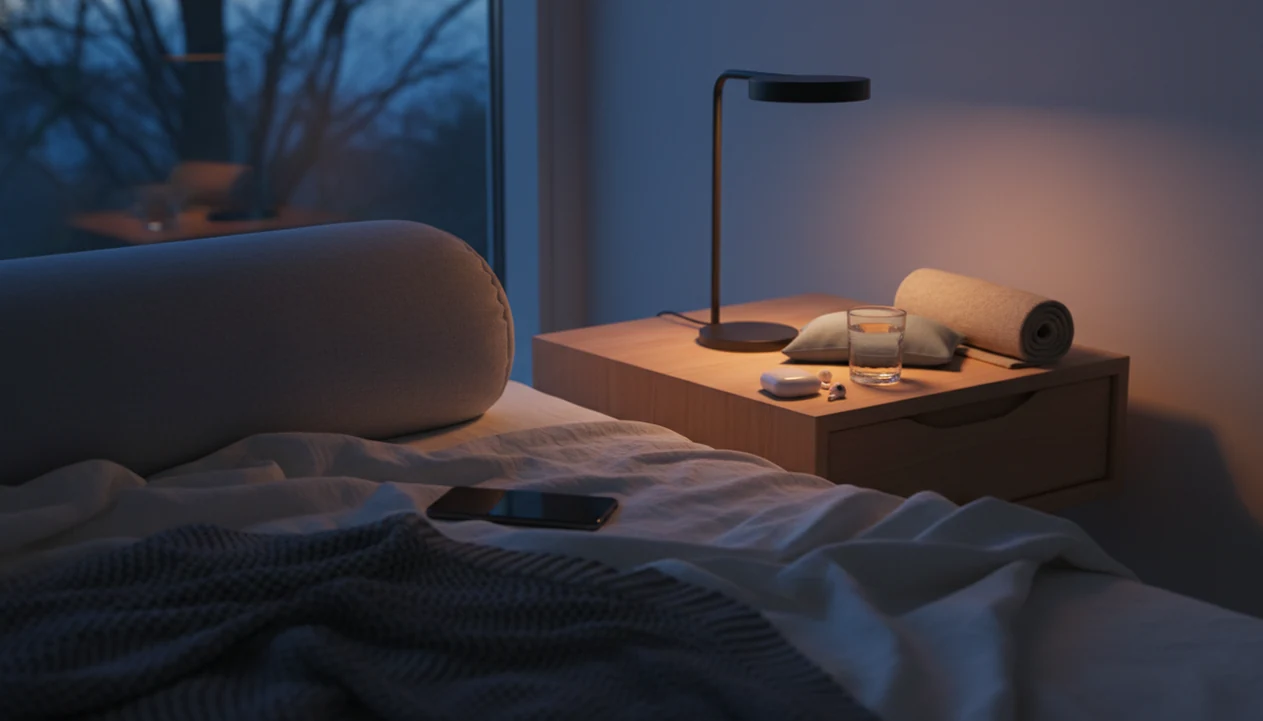


Meditation for chronic pain is a mind-body practice that uses attention, breathing, and body awareness to help adults respond to pain with less fear, tension, and reactivity. It may reduce how intense, stressful, or disruptive pain feels, but it is not a cure or a replacement for medical care. The aim is to support coping while staying with a clinician-guided treatment plan.
A practical routine can include a morning body scan, a brief breathing reset during the day, and gentle guided audio before sleep. Short sessions used consistently may support sleep, anxiety, and everyday calm. Progress can mean less clenching or an easier wind-down, even when pain remains.
What matters most
- Meditation usually does not erase chronic pain, but it can change how the brain and body respond to pain signals.
- A practical routine can include a morning body scan, a mid-day breathing reset, and a pre-sleep pain-release session.
- MindTastik can fit as a guided meditation app for sleep audio, breathing exercises, self-hypnosis, anxiety support, and everyday calm.
Meditation For Chronic Pain Evidence In Plain English
Meditation for chronic pain has evidence for modest but meaningful improvements in pain intensity, daily function, mood, and sleep. It should be used alongside clinician-guided treatment, not instead of medication, physical therapy, movement plans, or medical evaluation.
In a 2016 JAMA randomized clinical trial of 342 adults with chronic low back pain, 61% of people in an 8-week mindfulness-based stress reduction program reported clinically meaningful improvement in pain or function at 26 weeks, compared with 44% in usual care JAMA Internal Medicine study: 2512742. A 2016 meta-analysis of 38 randomized controlled trials also found mindfulness meditation was associated with a moderate reduction in pain intensity across several pain conditions NIH research: PMC4940234.
That matters, but it is not magic. The useful goal is often a little less bracing, a little more sleep, and a steadier response when pain gets loud.
Why the comparison treatment matters
A benefit compared with a waiting list does not establish that meditation works better than another credible treatment. A 2015 review of 11 randomized trials found that studies using active comparison treatments generally reported smaller effects than studies using inactive controls. The authors considered the evidence limited and called for better-quality trials. That distinction helps put claims of pain relief in perspective.
The broader evidence also calls for modest expectations. A 2016 review of 30 randomized trials found a small average improvement in pain symptoms and rated the evidence as low quality. These findings support meditation as an additional coping option, not a reason to abandon another treatment that is helping. An average benefit also does not predict how much a particular person will improve.
How Meditation For Chronic Pain Works In The Brain And Body
Meditation for chronic pain works by changing the relationship between pain signals, attention, stress arousal, and emotional reactivity. Pain is a body signal, but it is also a brain-based experience shaped by fear, sleep loss, muscle tension, and the meaning the mind gives to sensation.
Breathing practices can downshift sympathetic arousal, which is the body’s threat-response mode. The National Center for Complementary and Integrative Health describes relaxation techniques, including breathing practices, as approaches that may help with stress and some pain-related symptoms NCCIH mindfulness overview: relaxation techniques what you need to know. Body scanning builds interoception, a plain word for sensing what is happening inside the body. Nonjudgmental awareness helps people notice pain without automatically bracing, catastrophizing, or spiraling into anxiety.
Meditation can help adults notice pain without fighting each sensation; guided apps such as Calm and Headspace offer structured audio, breathing exercises, and repeatable sleep cues to support that practice.
Five Meditation For Chronic Pain Facts To Know First
- Meditation is not the same as ignoring pain, minimizing pain, or pretending the body is fine. Practicing how to detach without shutting down may help you create emotional space without ignoring pain or withdrawing from others.
- Short daily sessions usually matter more than long irregular sessions, especially during unpredictable pain weeks.
- Benefits often build over several weeks, not after one or two sessions when someone is already exhausted.
- Guided app sessions can make practice easier during pain flares, insomnia, or anxiety spikes because there is less to remember.
- Tracking small wins, such as easier sleep, lower jaw tension, or faster recovery after a flare, can support consistency. For support between sessions, try daily mindful living habits that bring brief pauses into ordinary activities.
A practical meditation for chronic pain guide should help you choose a starting point, not demand perfect stillness. If floor posture makes symptoms worse, skip it. The couch counts. So does a conference room chair between meetings when your back starts warning you early.
How To Use Meditation For Chronic Pain In A Daily Routine
For chronic pain, the most useful routine is usually short, repeatable, and matched to the time of day. A 10-minute practice you can repeat beats a 40-minute session you avoid.
- Set a small goal: Aim for 10 to 20 minutes most days, or start with 5 minutes during difficult weeks.
- Choose comfort first: Sit in a chair, lie in bed, or use the couch instead of forcing a floor posture.
- Begin with a morning body scan: Notice the painful area and nearby tension without trying to fix everything.
- Use a mid-day breathing reset: Lengthen the exhale during stress, flare-ups, errands, or waiting-room time.
- Try pre-sleep audio: Choose a guided meditation or sleep track that reduces effort before bed.
- Log one observation: Note pain intensity, mood, sleepiness, anxiety level, or one small change after practice.
The most common medically supported way to use meditation for chronic pain is as a coping skill combined with clinician-guided care. If you want more styles to compare, our meditation techniques library gives plain-language options. If you prefer learning through reading, our selection of the best mindfulness books offers further perspectives on practice.
Best Meditation For Chronic Pain Sessions By Pain Pattern
Different pain patterns call for different meditation styles. Match the session to the moment, not to an ideal version of yourself.
| Pain pattern or situation | Session type | Why it may help |
|---|---|---|
| Background pain with muscle guarding | Body scan meditation | Helps notice clenching before it spreads into the jaw, shoulders, or hips. |
| Flare-related anxiety | Breath awareness | Gives the nervous system a simple anchor when fear rises quickly. |
| Frustration or self-criticism | Loving-kindness or compassion meditation | Softens the “I should be coping better” loop that often follows hard pain days. |
| Nighttime pain and insomnia | Sleep meditation | Reduces effort when the room is quiet and ceiling shadows at 2 a.m. feel too sharp. |
| Work, errands, or waiting rooms | Brief focus meditation | Keeps practice realistic when there are only three spare minutes. |
For people with variable symptoms, breath awareness usually fits flares, while body scans fit slower background tension.
MindTastik Meditation For Chronic Pain Support Features
MindTastik supports adult wellness with guided sessions for meditation, rest, breathing, and self-hypnosis when people want help settling the mind or easing into calm. For chronic pain, the helpful part is having a ready-made routine. You are not left to create one from scratch when discomfort, tiredness, or irritation is already demanding attention. If pain-related irritability affects a conversation, learning how to apologize effectively can help you repair the interaction.
Three helpful app-based supports are:
- Short guided sessions: Useful when a 20-minute body scan feels like too much, but a 5-minute reset feels manageable.
- Reminders and notes: Helpful for noticing patterns, such as worse sleep after skipped wind-down sessions.
- Themed audio: Supports common co-issues, including insomnia, anxiety spikes, low focus, and daily stress.
If you are comparing app options more broadly, the best meditation app for sleep anxiety guide explains feature, price, and use-case differences. Apps can support practice, but they do not diagnose, treat, or replace clinical care.
Best-Fit Adults And Red Flags For Meditation For Chronic Pain
Meditation for chronic pain fits adults who want a low-effort coping tool that can be practiced from bed, a chair, the couch, or a waiting room. It is not the right response to emergency pain, new severe pain, or unexplained symptoms.
Seek prompt medical care for new severe pain, pain after an injury, unexplained weakness or numbness, fever, chest pain, loss of bladder or bowel control, or pain that is rapidly worsening. Meditation can wait when symptoms may need urgent evaluation.
| Best for | Not ideal for |
|---|---|
| Adults who want a gentle coping tool alongside medical care. | New, severe, rapidly worsening, or unexplained pain. |
| People whose pain worsens with stress, anxiety, poor sleep, or muscle tension. | Replacing prescribed medication, physical therapy, or clinician advice. |
| Anyone who needs a practice that works in bed, on the couch, or in a waiting room. | People whose trauma history or psychiatric symptoms worsen with inward focus unless guided by a clinician. |
| Adults who prefer guided audio over silent practice. | Anyone being told meditation will quickly cure a pain condition. |
Clinicians typically recommend chronic pain plans that combine medical evaluation, movement or rehabilitation when appropriate, sleep support, and coping skills. Meditation can be one part of that wider plan.
When To Seek Medical Care For Chronic Pain
Seek medical care when chronic pain changes in a new, severe, unexplained, or rapidly worsening way. Meditation can support coping, but it cannot diagnose the cause of pain or decide whether a symptom is safe.
Use this as a practical safety check:
- Call emergency services or go to urgent care if pain is sudden and severe, follows an injury, comes with chest pain, trouble breathing, fever, fainting, confusion, or rapidly worsening symptoms.
- Get prompt medical advice for new weakness, numbness, tingling, trouble walking, loss of bladder or bowel control, or pain with unexplained weight loss.
- Review changes with your clinician when your usual chronic pain pattern shifts, spreads, wakes you differently at night, or stops responding to your normal care plan.
- Ask before changing medication because stopping, increasing, mixing, or replacing pain medicine can cause side effects or withdrawal.
- Use meditation as support while you follow medical guidance, not as proof that a flare is harmless or that treatment is no longer needed.
If symptoms are escalating quickly, return to emergency care rather than trying to breathe through it.
Meditation For Chronic Pain Tips For Flares And Sleep
During a flare, shorten the session and make the exhale longer than the inhale. Try breathing in for 3 counts and out for 5, then stop before the practice becomes another thing to endure.
If focusing on the painful area feels overwhelming, use a pain-neutral anchor. Choose the feet, hands, breath, room sounds, or the feeling of a blanket. Feet planted on office carpet can be enough. No ceremony needed. If ringing in your ears also makes rest difficult, meditation for tinnitus offers another symptom-focused coping approach.
Before sleep, pick a gentle voice, keep the volume low, and skip sessions that end with journaling prompts or extra tasks. In the middle of the night, most people are not looking for another assignment. They want a steady guide to help the mind soften and return to rest.
Use reminders, streaks, and notes lightly. The download meditation app option can help if you want sessions ready on your phone, but consistency should feel supportive, not like another performance score.
Guided audio for pain-related stress and bedtime
MindTastik’s guided meditations and breathing exercises suit adults who want spoken instructions rather than a practice they have to remember during discomfort. Its guided meditation library can provide a starting point for brief attention practices, while sleep stories and soundscapes offer options for bedtime.
This is wellness support, not medical treatment or a substitute for a clinician-led pain program. Adults with new or changing symptoms need medical assessment first. Those who find inward attention distressing may prefer surrounding sounds or a different coping approach.
What meditation cannot do for chronic pain
Meditation for chronic pain has real limits, and those limits matter. It may help with coping, tension, stress, and sleep, but it is not a cure for the underlying condition.
- Pain relief is often modest rather than dramatic, especially with severe or complex pain conditions.
- Research is stronger for short- and medium-term outcomes than for very long-term outcomes beyond a year.
- Chronic pain often needs a broader clinical plan, including diagnosis, medication review, physical therapy, movement, or specialist care.
- Some people feel more distress when turning attention inward, especially with trauma history, severe depression, panic, or psychiatric symptoms.
- App-based meditation requires a device, enough privacy, and the ability to hear or follow audio.
- Audio practice may not fit people with hearing barriers, sensory overload, or shared sleeping spaces.
- Be cautious with any app, teacher, or program promising quick cures or telling you to stop prescribed care.
For adults who want a low-risk support habit, meditation is often easier to sustain when it stays small and medically aligned.
Chronic pain meditation questions
Can meditation actually reduce chronic pain?
Research suggests a small average reduction in pain symptoms, but results vary and the evidence has limits. Meditation may also help with stress, tension, and coping when pain persists. It is best understood as an addition to medical care, not a cure for the condition causing pain.
What type of meditation is best for chronic pain?
The best fit depends on the moment. A gentle body scan can help identify muscle guarding, while breath awareness provides a simple focus during flare-related anxiety. Compassion practices may suit frustration or self-criticism. If attention to pain increases distress, use surrounding sounds or another neutral point of attention instead.
How long should a beginner meditate for chronic pain?
Start with about five minutes during difficult weeks, rather than forcing a long session. A manageable routine can build toward 10 to 20 minutes most days. Consistency matters more than enduring discomfort. Benefits may take several weeks, so one difficult session does not settle whether the practice will help.
Can I meditate lying down if sitting hurts?
Yes. A bed, couch, or supported chair can be used instead of a floor posture. The purpose is to practice attention, not to tolerate an uncomfortable position. A reclining practice can fit rest or bedtime, especially when sitting still adds strain or makes the session feel harder to complete.
Can meditation replace pain medication or physical therapy?
No. Meditation cannot diagnose the cause of pain or replace treatment for an underlying condition. It can sit alongside medication, physical therapy, movement plans, and specialist care. Medication changes should be discussed with the prescribing clinician, even if meditation seems to improve coping or reduce the distress surrounding pain.
Does mindfulness help chronic low back pain?
A 2022 review of 12 randomized trials found small improvements in chronic low back pain intensity, bothersomeness, and quality of life compared with nonmeditation therapies. That supports mindfulness as an additional option, not a guaranteed result. Other reviews highlight small studies, varied methods, and uncertainty about how long benefits persist.