
Nature Walk Mental Health Benefits: A Practical Guide for Calm, Sleep, and Focus
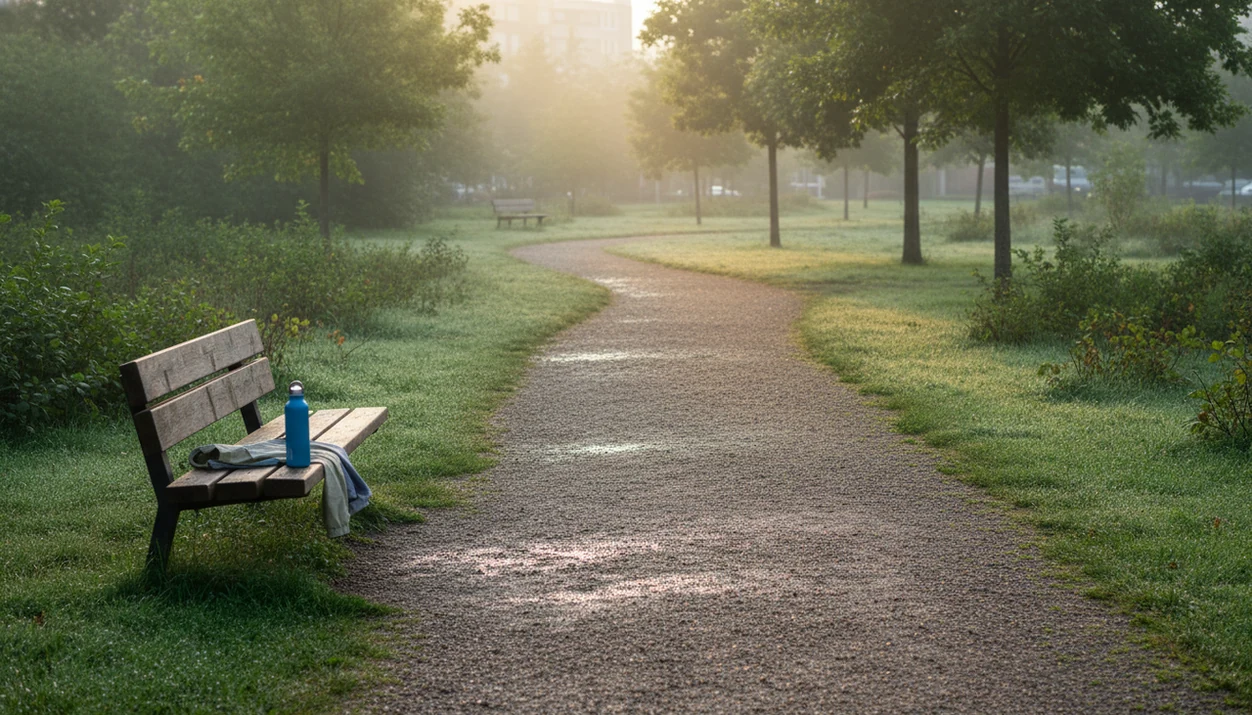


Nature walk mental health benefits include lower stress, better mood, less repetitive worrying, improved attention, and gentle support for sleep and anxiety. These are the mood, stress, attention, and relaxation improvements associated with walking in green surroundings rather than only indoors or in dense built environments. A park, garden, or tree-lined street can provide a practical setting; a wilderness hike is not required.
Start with 5 to 20 minutes at an easy pace, with time to notice sounds, colors, and the feel of the air. Mindful breathing or a short meditation before or after the walk can make it a more deliberate break. Regular walks are a supportive habit, not a replacement for therapy, medication, or urgent care when symptoms are severe or safety is at risk.
What short nature walks can offer
- Short nature walks can improve mood, self-esteem, relaxation, anxiety, and attention, with some benefits appearing in as little as 5 minutes.
- The strongest routine combines light movement, natural light, sensory awareness, and a simple breathing or meditation practice before or after the walk.
- Nature walks support mental health but do not replace therapy, medication, crisis care, or professional treatment for moderate to severe symptoms.
Nature Walk Mental Health Benefits in 5 Evidence-Backed Facts
- Nature walks are linked with better mood and lower distress. A 2022 systematic review and meta-analysis of 16 studies found significant improvements in depression and anxiety scores after nature walks compared with control conditions NIH research: PMC8953618.
- Short walks can still matter. The National Park Service summarizes research showing that 5 minutes of walking in nature can improve mood, self-esteem, and relaxation nps reference: health benefits of nature.htm.
- Green space may support attention. The American Psychological Association reports links between nature exposure, lower stress, better mood, improved attention, and reduced psychiatric disorder risk APA research: nurtured nature.
- Benefits are supportive, not curative. A walk can soften a hard afternoon, but it cannot replace therapy, medication, crisis care, or diagnosis.
- Regularity beats intensity. For busy adults, a 10-minute route repeated often is usually more useful than one ambitious hike that never happens again.
The phone can stay quiet for ten minutes.
Nature Walk Mental Health Benefits for the Brain and Body
Nature walks work by combining light movement, green surroundings, daylight, sensory attention, and a break from screen stimulation. That mix can help the stress system downshift while giving the mind a softer place to focus.
How nature walk mental health benefits work: walking outdoors may reduce physiological arousal, lower rumination, and support attention restoration through “soft fascination,” which means the brain is engaged without being overloaded. Harvard Medical School has summarized studies showing lower salivary cortisol and reduced activity in brain regions linked to rumination after time in nature, compared with urban settings magazine reference: walk woods may boost mental health.
A natural setting asks less from you than traffic, crowded sidewalks, unread messages, or back-to-back tabs. Leaves move. Birds cut across the path. Your attention has somewhere to land without being grabbed. That is why a nature walk can fit before sleep, after an anxious meeting, or between two focus-heavy tasks.
Awe may help interrupt repetitive thinking
Some nature experiences do more than offer a quieter place to walk: they prompt awe, a feeling of being struck by something larger than everyday concerns. A 2022 review of awe and mental restoration described associations between awe in nature, reduced rumination, lower stress, and greater well-being. This offers one possible explanation for why becoming absorbed in the surroundings can feel different from simply completing a walking route.
The evidence does not mean every short park visit will produce awe or relieve symptoms. The review included observational findings and specialized outdoor programs, including work with combat veterans and adolescents from under-resourced schools. Those settings differ from an ordinary neighborhood walk. Awe is a possible part of the experience, not a feeling to force or a measure of whether a walk has succeeded. Related research on military mindfulness training explores how structured attention practices can support people in demanding service roles.
Before You Start: Safety, Access, and Timing
Before you start, make the walk safe enough to feel calming instead of stressful. A nature routine should adapt to your body, your neighborhood, and the day’s conditions.
- Check the conditions first. Look at weather, air quality, daylight, visibility, and any route alerts before you leave. If storms, smoke, ice, heat, or poor lighting make the walk risky, choose another time or an indoor reset.
- Choose a route that feels safe. Pick visible, familiar paths when possible. If isolation, anxiety, traffic, or lighting makes a route feel wrong, trust that signal and choose a busier park loop, courtyard, or tree-lined block.
- Adapt the movement to your body. Use a cane, walker, stroller, benches, slower pacing, or a shorter loop without treating the change as a failure. If walking worsens pain or fatigue, seated outdoor time can still support calm. If back pain limits your walks, mindfulness for back pain may offer another way to relate to discomfort.
- Keep audio awareness intact. Use low volume, one earbud, or save guided audio for before and after the walk so you can hear cars, cyclists, people, and weather changes.
Nature Walk Mental Health Benefits Routine in 5 Daily Steps
A good nature walk routine is simple enough to repeat on a low-energy day. Start with 5 minutes if weather, time, pain, caregiving, or motivation makes a longer walk unrealistic. On days when discomfort limits movement, meditation for chronic pain can complement an adapted routine without replacing medical care.
- Choose a safe green route. Pick a park loop, tree-lined block, courtyard path, or garden area where you can stay aware of your surroundings.
- Set a 10-20 minute window. Use a timer if it helps, so the walk does not become another decision.
- Walk at an easy pace. You should be able to breathe through your nose or speak in short sentences.
- Notice three sensory details. Name one color, one sound, and one physical sensation, such as cool air on your face.
- Close with breathing or reflection. Try three slow exhales, or write one sentence about what changed.
Some people like a 60-second intention before leaving, then a short guided session after returning. Tools like MindTastik can support that pattern with breathing, sleep, anxiety, or focus audio when you want structure.
Nature Walk Mental Health Benefits for Sleep, Anxiety, and Focus
Nature walks support sleep, anxiety, and focus through slightly different pathways. Sleep may benefit from daylight exposure, gentle movement, decompression, and a calmer pre-bed routine. Anxiety support often comes from breathing, grounding, and reduced rumination. Focus improves when the walk interrupts screens and gives attention a lighter task.
| Goal | How a nature walk may help | Practical use |
|---|---|---|
| Sleep | Adds daylight, movement, and decompression | Walk earlier in the day, then use a quiet wind-down routine |
| Anxiety | Pairs movement with sensory grounding | Name sights and sounds instead of replaying worries |
| Focus | Restores attention after screen overload | Take a short reset between work blocks |
| Low Mood | Adds movement, light, and environmental change | Keep the route easy and repeatable |
| Work Stress | Creates a boundary after pressure | Walk before checking evening messages |
If bedtime is the main goal, pair the walk with basic sleep hygiene.
Nature Walk Mental Health Benefits Guide for City Parks and Small Green Spaces
Deep wilderness is not required for a useful nature walk. Many people get a real reset from modest green spaces, especially when the route feels safe and repeatable.
- City park: A loop around grass, trees, or a playground edge can be enough.
- Botanical garden or campus green: These spaces often offer benches, shade, and predictable paths.
- Riverside path or cemetery path: Where appropriate and safe, quieter routes can reduce stimulation.
- Tree-lined block or courtyard: Small patches count when they help you look up and slow down.
- Balcony plants or window view: These are lower-access options, not equal substitutes for outdoor walking.
Barriers are real. Safety, disability, allergies, caregiving, dense housing, and weather can all change what is possible. On indoor days, try daylight near a window, houseplants, nature sounds, or short mindful movement. Nature-inspired audio can help, but outdoor green space offers sensory input that a speaker cannot fully copy.
Nature Walk Mental Health Benefits Tips for a More Mindful Walk
Mindfulness can deepen a nature walk by moving attention away from repetitive thinking and toward present-moment sensory cues. Keep it simple. If you lose the thread after four breaths, just restart.
- 3-sense scan: Notice one thing you see, one thing you hear, and one thing you feel under your feet.
- Slow exhale breathing: Inhale naturally, then make each exhale slightly longer than the inhale.
- No-phone segment: Choose one stretch of the walk where the phone stays in your pocket.
- Gratitude landmark: Pick one tree, bench, or corner and name one ordinary thing you appreciate.
- Post-walk note: Write one line, such as “I felt less tight in my chest after the second block.”
Try a 60-second breathing exercise before you leave and a 2-minute guided meditation when you return. MindTastik is one optional support for guided breathing, sleep audio, anxiety support, and everyday calm; beginners can also learn the basics in this how to meditate guide.
Common Mistakes That Reduce Nature Walk Mental Health Benefits
The biggest mistakes are the ones that make the walk less safe, less repeatable, or less mentally quiet. A nature walk does not need to be perfect, but it works better when you remove avoidable friction.
- Protect one quiet stretch. If you check messages the whole time, the walk becomes a moving screen break with no real break. Put the phone away for one block, one loop, or five minutes.
- Choose a route you can repeat. Skip paths that feel unsafe, too isolated, overstimulating, or physically punishing. A familiar short loop often beats a beautiful route you dread.
- Set realistic expectations. Use the walk as support, not as a test of whether anxiety, depression, or insomnia is “fixed” after one outing.
- Adjust the timing. If evening movement wakes you up or delays sleep, move the walk earlier and save bedtime for quieter wind-down cues.
- Keep one ear open. Near traffic, cyclists, or isolated areas, avoid using both earbuds. Low volume, one earbud, or audio before and after the walk keeps the practice safer.
Small corrections can make the same route feel calmer.
Common Myths About Nature Walk Mental Health Benefits
“Is a treadmill exactly the same as a nature walk for mental health?” No. Treadmill walking can support fitness and mood, but it does not provide the same green surroundings, daylight, sensory variety, or attention-restoration cues as an outdoor nature walk.
Another myth is that nature walks can cure serious mental illness alone. They cannot. Clinicians typically recommend professional care when symptoms are severe, worsening, unsafe, or interfering with daily functioning.
Long wilderness hikes are not the only valid version. A short city park loop, a garden path, or a tree-lined street can still be useful. One bad walk also does not prove the practice is useless. Rain, noise, pain, or racing thoughts can make a single attempt feel flat.
Consistency matters more than drama. For many adults, a small route repeated safely is often easier than a long hike because it removes planning friction.
Best-Fit Scenarios for Nature Walk Mental Health Benefits
Nature walks are a good fit when you need a low-pressure reset, not when you need urgent care or a replacement for treatment. The practice can be adapted through shorter routes, mobility aids, seated outdoor time, or indoor nature audio when walking is not possible.
| Best for | Not ideal for |
|---|---|
| Everyday stress | Crisis situations or thoughts of self-harm |
| Screen fatigue | Unsafe routes or poor visibility |
| Mild low mood | Severe untreated symptoms |
| Focus resets | Walking that worsens pain or medical risk |
| Pre-sleep decompression | Replacing prescribed treatment |
| Beginner mindfulness | Unsafe weather or poor air quality |
| Gentle movement | Medical restrictions without clinician guidance |
A seated five minutes near trees still counts as a supportive practice. If you need an indoor calm routine, the best meditation app for sleep anxiety guide can help you compare audio-based options without treating them as medical care.
Nature Walk Mental Health Benefits Image Caption and Sensory Prompt
Suggested image caption: A short walk through trees or a local park can become a simple mental reset when paired with slow breathing and sensory awareness.
Alt-text guidance: Describe what the image shows, such as “person walking on a tree-lined park path.” Leave out promotional language and claims about how the person feels.
Before a walk, or while looking at the image, try this prompt: name three shades of green, soften your jaw, and take one slow breath out. Then notice where your shoulders sit.
Small cues work.
The image should feel reachable: a local path, public bench, wet pavement, winter trees, or a small patch of grass. Not everyone has a mountain trail nearby.
A breathing session before or after a nature walk
MindTastik’s breathing exercises can provide a simple cue before leaving home or while sitting on a park bench afterward. Guided meditations and focus sessions also suit a quiet pause after a walk, without turning the whole outing into an audio exercise.
For a walk beside traffic or on uneven ground, a silent sensory practice may be the better choice because surroundings need attention. People seeking treatment for persistent anxiety, depression, or sleep problems should choose professional care rather than an app as their main support.
What nature walks cannot treat, and what access can limit
Nature walks are supportive, but they have clear limits. They can be part of a everyday calm routine, not a replacement for care when care is needed.
- Nature walks are not a replacement for therapy, medication, crisis care, professional diagnosis, or emergency support.
- Evidence is strong for short-term mood and stress benefits, but exact long-term “dose” prescriptions are not fully standardized.
- Access is unequal. Neighborhood safety, disability, allergies, weather, caregiving, work schedules, and transportation all affect what is realistic.
- Nature walks may support sleep and anxiety indirectly, but they may not resolve chronic insomnia or severe anxiety.
- Research directly testing nature walks plus meditation apps is limited. App suggestions combine evidence streams from nature exposure, walking, and mindfulness.
- Outdoor walking may be inappropriate during unsafe weather, poor air quality, injury flare-ups, or medical restrictions.
- Headphones can reduce awareness outdoors, especially near roads, cyclists, or isolated areas.
If symptoms feel intense, frightening, or unsafe, choose professional support first. If you might harm yourself or someone else, seek immediate help instead of trying to walk it off; call local emergency services or, in the U.S., call or text 988 for crisis support. A walk can wait.
Three options: a sensory walk, a slow-exhale loop, or bench breathing
| Technique | Best for | Minutes |
|---|---|---|
| Five-sense walking scan | settling scattered attention | 5-10 min |
| Slow-exhale park loop | unwinding after work or errands | 8-15 min |
| Bench-based guided breathing | low-energy days in green space | 3-7 min |
Nature walks, mood, and sleep: common questions
How long should a nature walk be for mental health benefits?
Five minutes is a reasonable starting point when time, energy, or mobility is limited. A 10 to 20 minute window allows more time for an easy pace and sensory attention. There is no single established duration that guarantees benefits, so choose a length that feels safe and repeatable.
Can nature walks reduce anxiety and overthinking?
Nature walks may help reduce anxiety and repetitive worrying by combining gentle movement with attention to the surroundings. Noticing a sound, a color, or the ground underfoot gives attention a concrete task. They remain supportive rather than curative, especially when anxiety is persistent, worsening, or interfering with daily life.
Do city parks and tree-lined streets count as nature walks?
Yes. A city park, garden, courtyard, or tree-lined block can provide green surroundings without a trip into wilderness. Choose a route with manageable traffic, clear paths, and somewhere to pause if needed. A nearby route that feels safe and can be repeated is often the more practical option.
Can walking outside help with sleep?
Outdoor walking may support sleep through daylight exposure, gentle movement, and time to decompress. An earlier walk followed by a quiet evening routine is one practical approach. It does not guarantee better sleep or replace assessment for persistent sleep problems, and a late walk is unsuitable if lighting or route safety is poor.
Is walking in nature better than walking on a treadmill?
Both can offer movement and mood support, but they provide different experiences. A treadmill does not offer the same green surroundings, outdoor light, or changing sensory details. Indoor walking may still be the safer choice during smoke, extreme weather, or poor visibility. The useful option is not always the outdoor one.
Can nature walks help with depression?
Nature walks can be a supportive activity for low mood, but they are not a stand-alone treatment for depression. A short, familiar route may be more manageable than a demanding outing. Severe, worsening, or disabling symptoms need professional care, and thoughts of self-harm require urgent support rather than a walking plan.
What can I do if walking is painful or not possible?
Consider seated time in a garden, courtyard, or accessible park instead of making walking the requirement. A bench can provide a place to notice sounds, plants, and air while resting. Window views or nature audio are other lower-access options, though they should not be treated as equivalent to an outdoor nature walk.
Should I listen to meditation audio during a nature walk?
Audio is optional. A silent stretch makes it easier to notice the surroundings, while a brief guided session can fit before or after the walk. Near traffic, on uneven paths, or anywhere awareness matters, keep attention on the route. A seated session is a simpler choice when audio would compete with safety.