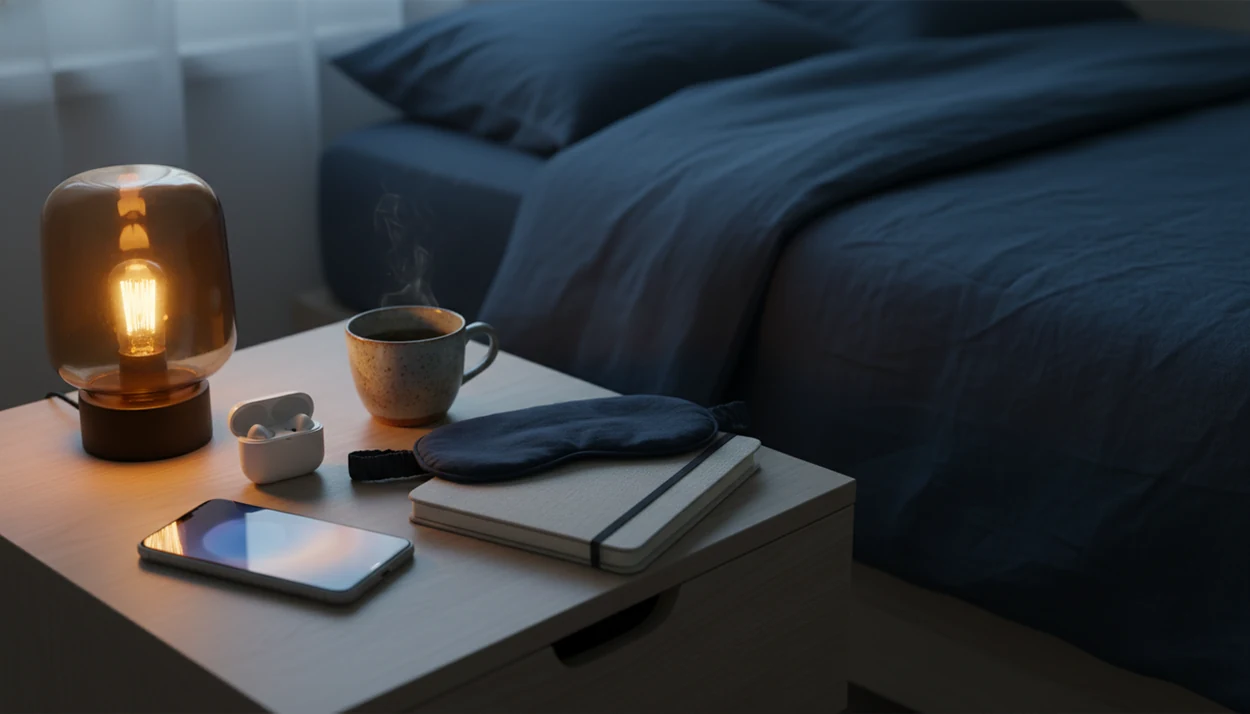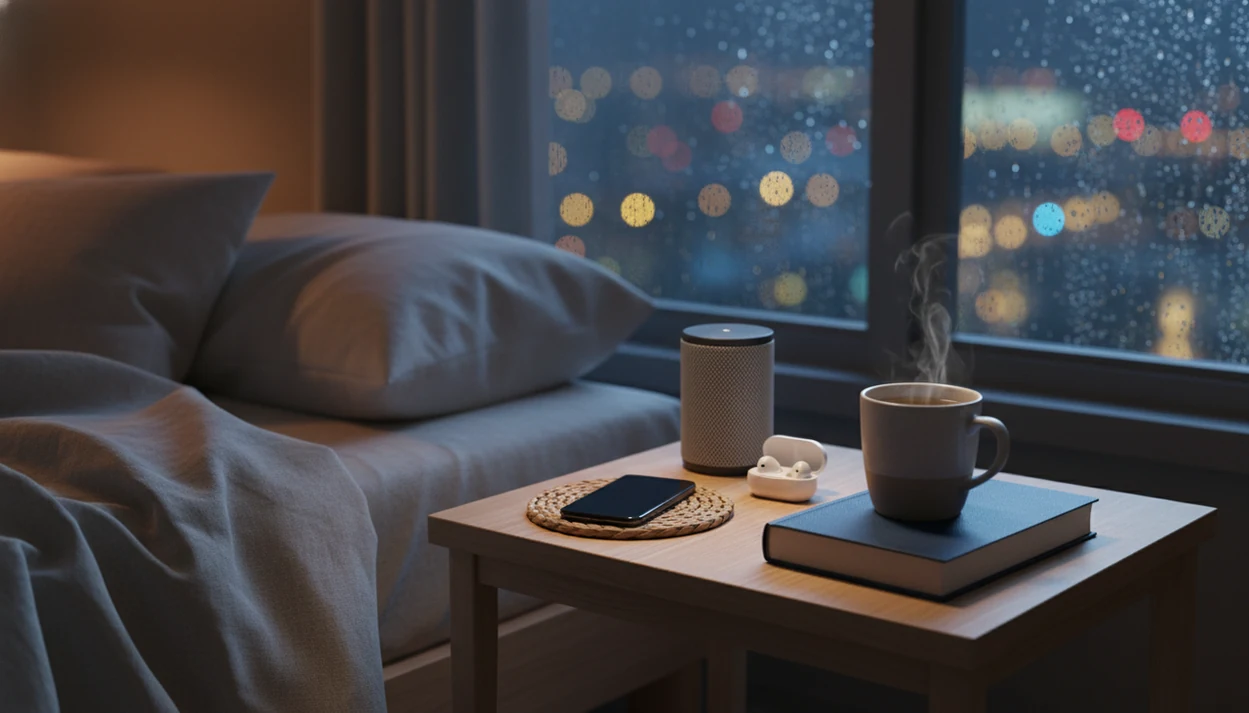
A sleep hygiene checklist with meditation combines daily habits, bedroom conditions, and a short pre-bed practice to support consistent, high-quality sleep for adults. Sleep hygiene includes wake times, daylight exposure, evening stimulation, and the sleeping environment, not just an earlier bedtime. Meditation belongs within that routine rather than replacing it: a brief guided session can follow the practical tasks of dimming lights, putting work aside, and preparing the bedroom.
This checklist organizes those choices into a nightly wind-down timeline, with a 5 to 10 minute meditation near the end. NHS sleep guidance includes meditation among relaxing pre-bed activities. The aim is a repeatable routine, not a perfect checklist or a promise to treat persistent insomnia.
What Sleep Hygiene Really Means for Healthy Sleep Habits
Sleep hygiene is the collection of daily behaviors, environmental conditions, and pre-bed routines that promote consistent, high-quality sleep for adults. It includes when you wake, how much light you get, when caffeine stops, what happens in the last hour, and whether your bedroom feels like a place for sleep.
It is not just “go to bed earlier.” That advice misses the person awake in a cool room after midnight, asking why an early bedtime still did not help. Sleep depends on rhythm, cues, and repetition.
Per the CDC, about one-third of U.S. adults report short sleep duration, and the AASM/Sleep Research Society recommend at least 7 hours per night for adults ages 18 to 60 (CDC short sleep data; CDC sleep duration guidance).
For most adults, sleep hygiene works better as a repeatable routine than as a one-night fix because the body learns from consistent cues.
How Sleep Hygiene Works: The Science Behind Your Routine
Sleep hygiene works by aligning your circadian rhythm, sleep pressure, and arousal level. In plain language, it helps your body know when to feel alert and when to stand down.
- Circadian rhythm: A steady wake time and regular light exposure help entrain the internal clock, so sleepiness arrives more predictably.
- Adenosine: Sleep pressure builds during the day as adenosine rises; caffeine blocks adenosine receptors, which is why late caffeine can feel sneaky.
- Blue light: Evening screen light can suppress melatonin and delay sleep onset, especially when the phone is close to your face.
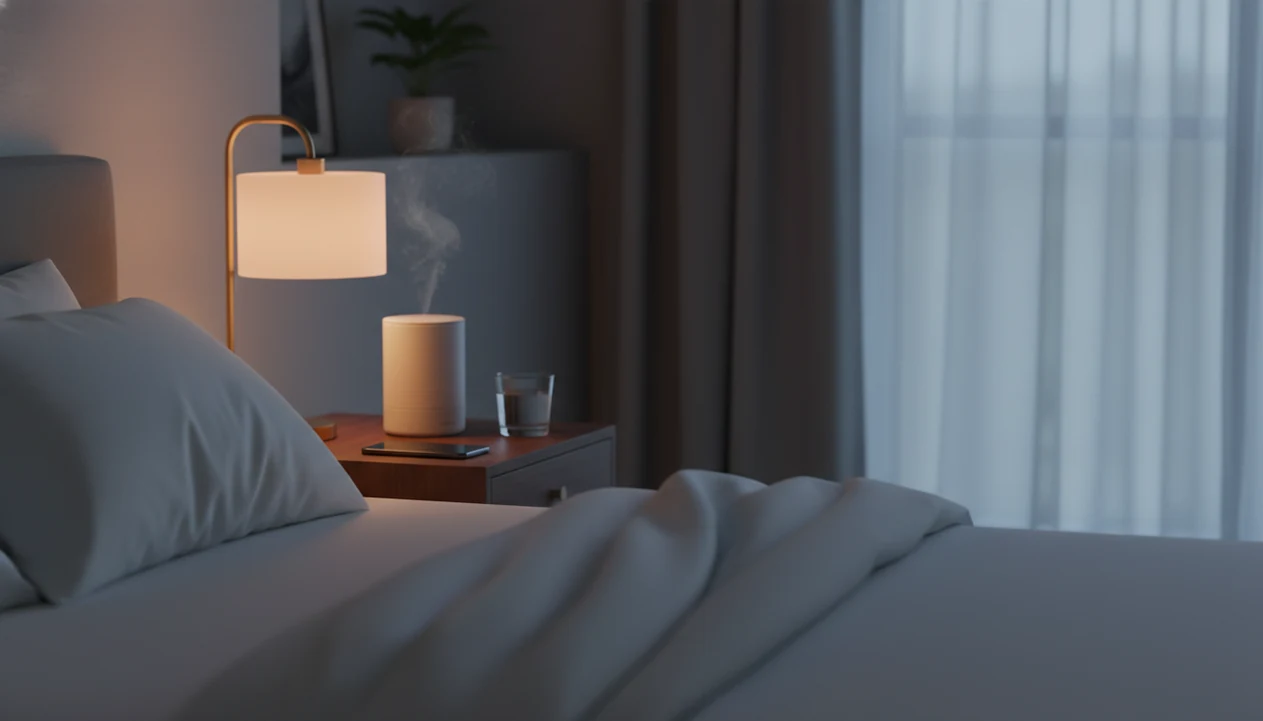
- Arousal reduction: Dim lights, a cooler room, and a quieter pace tell the brain there is less to monitor.
- Behavioral support: A 2015 review in Sleep Medicine Reviews found sleep hygiene education alone has small-to-moderate effects on insomnia symptoms and works better with relaxation or CBT-I PubMed research: 25454674.
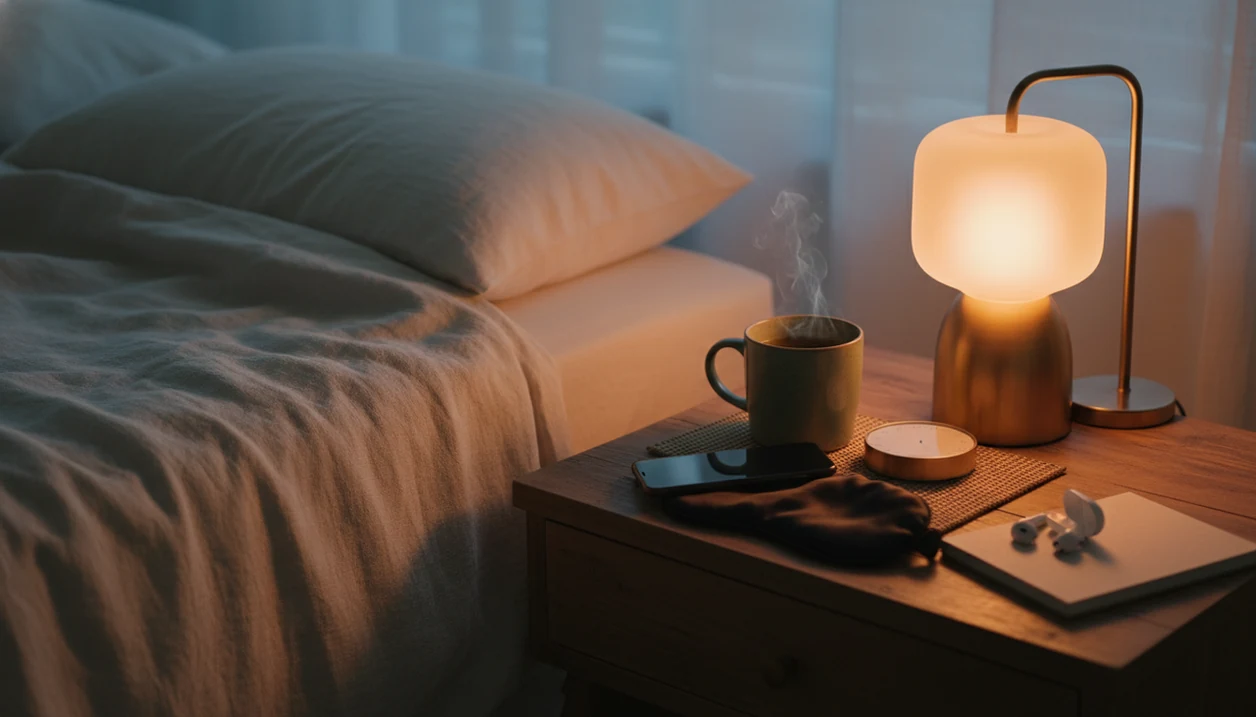
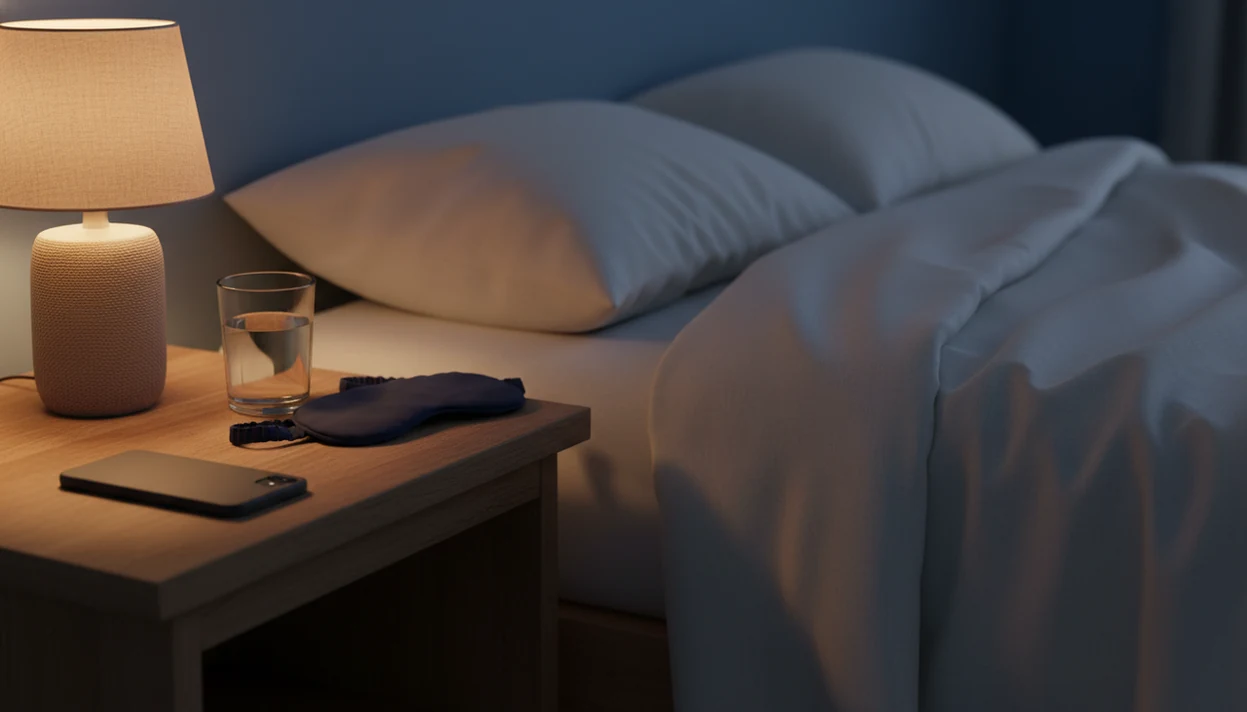
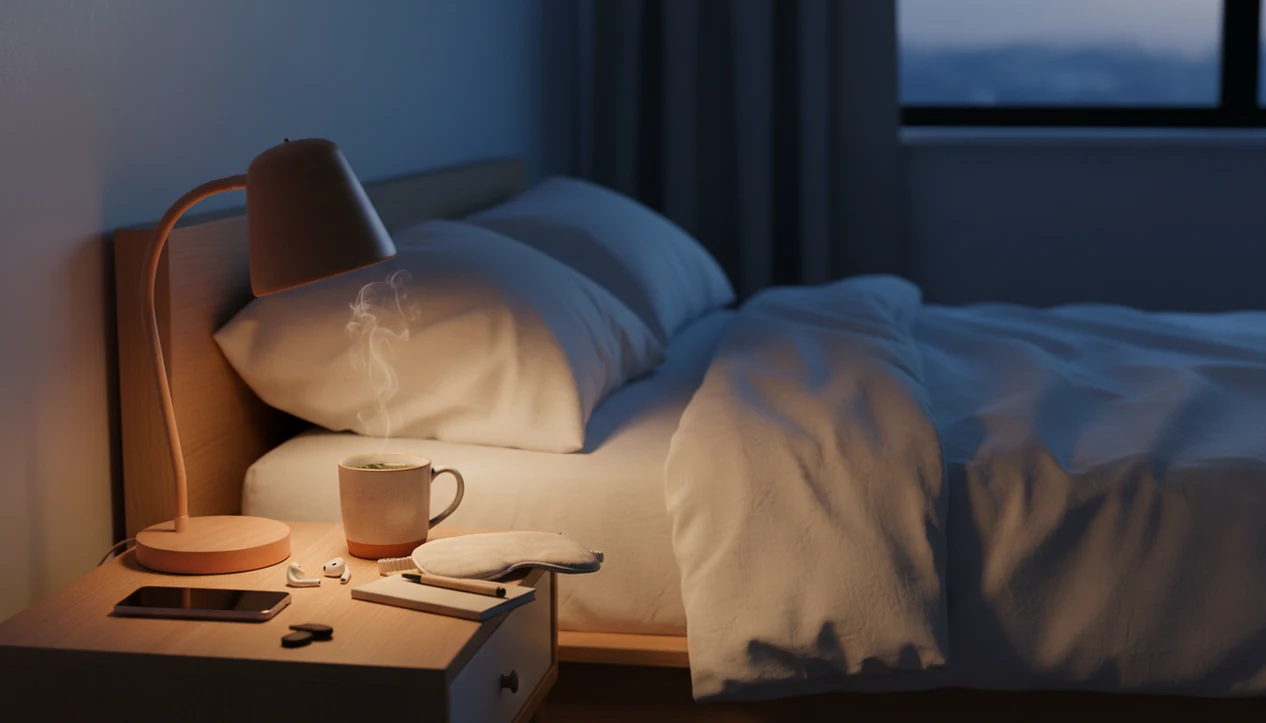
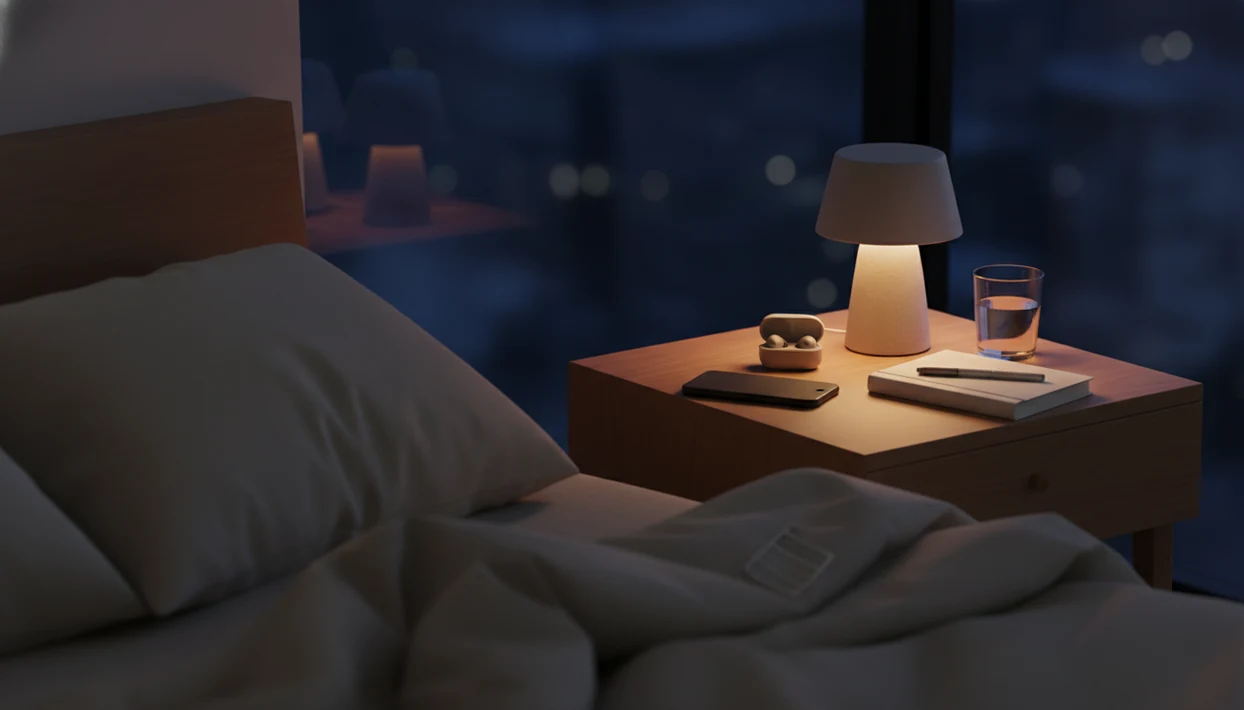
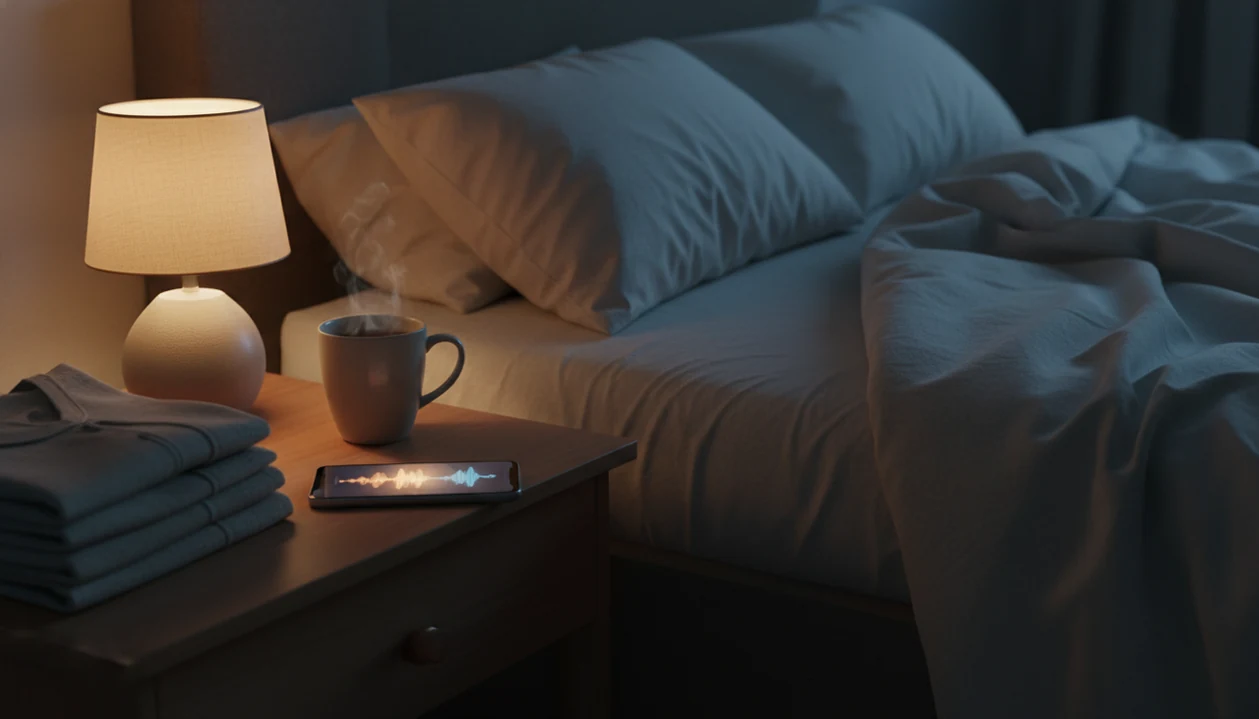
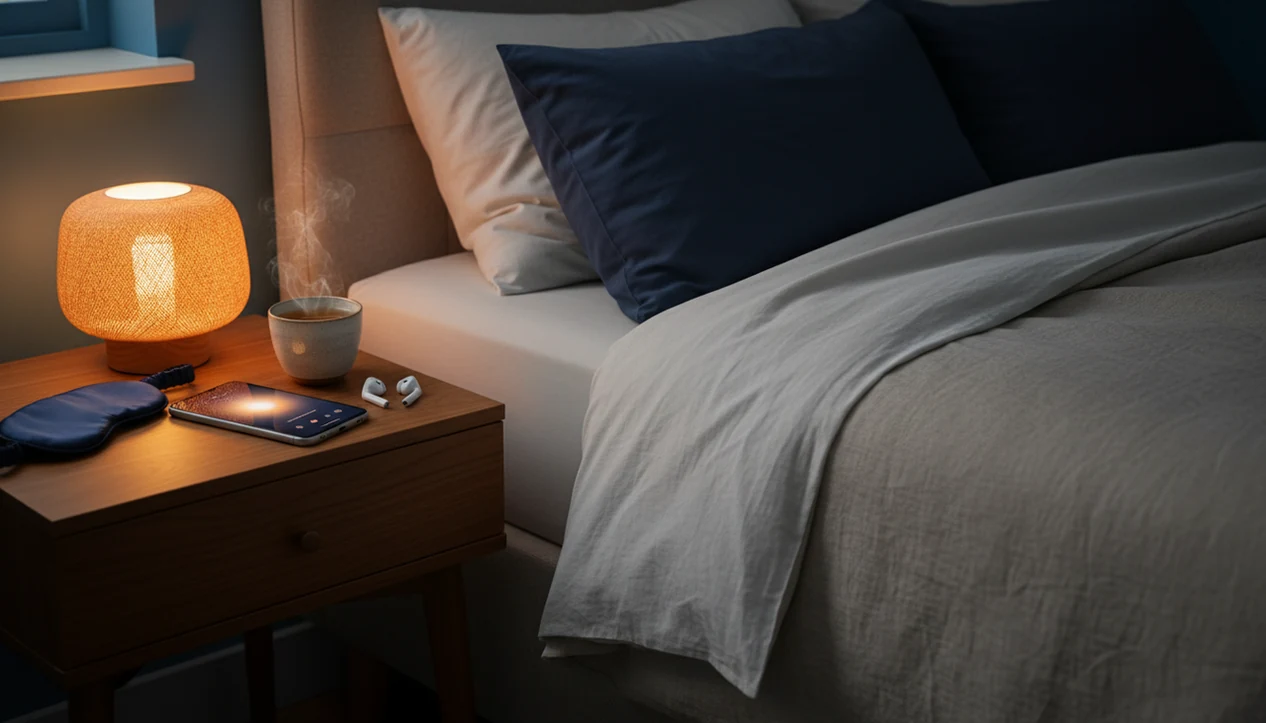
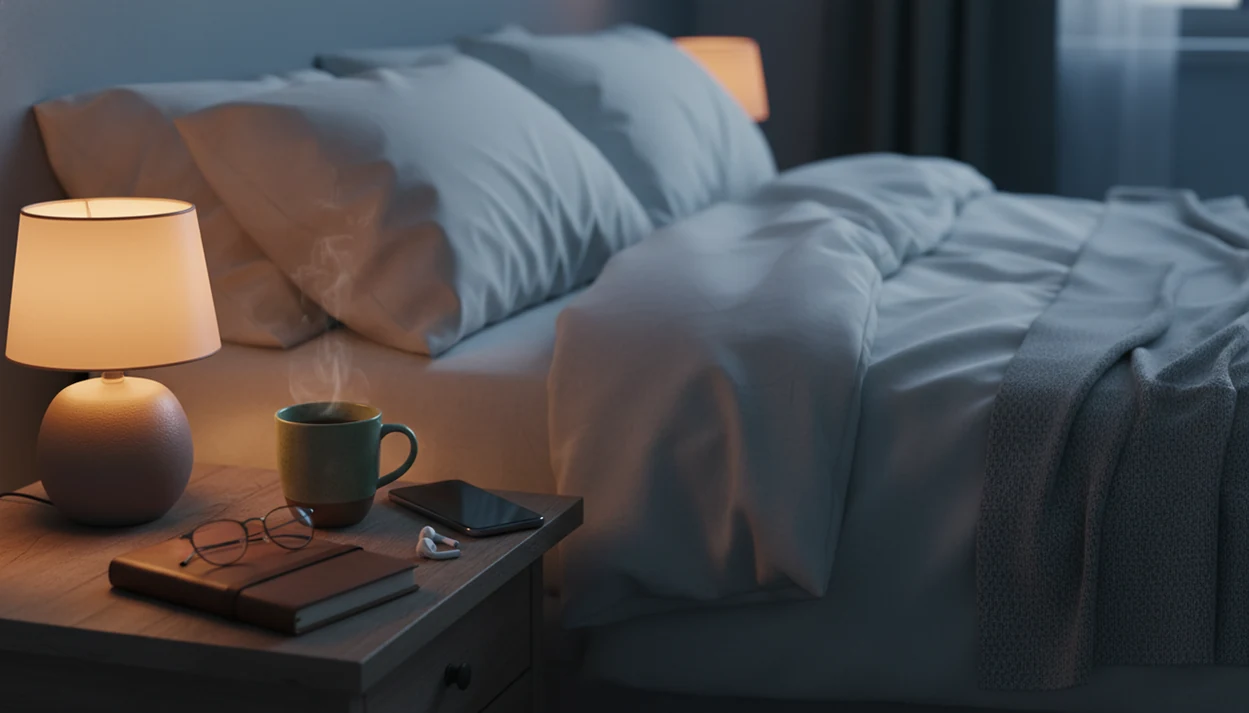
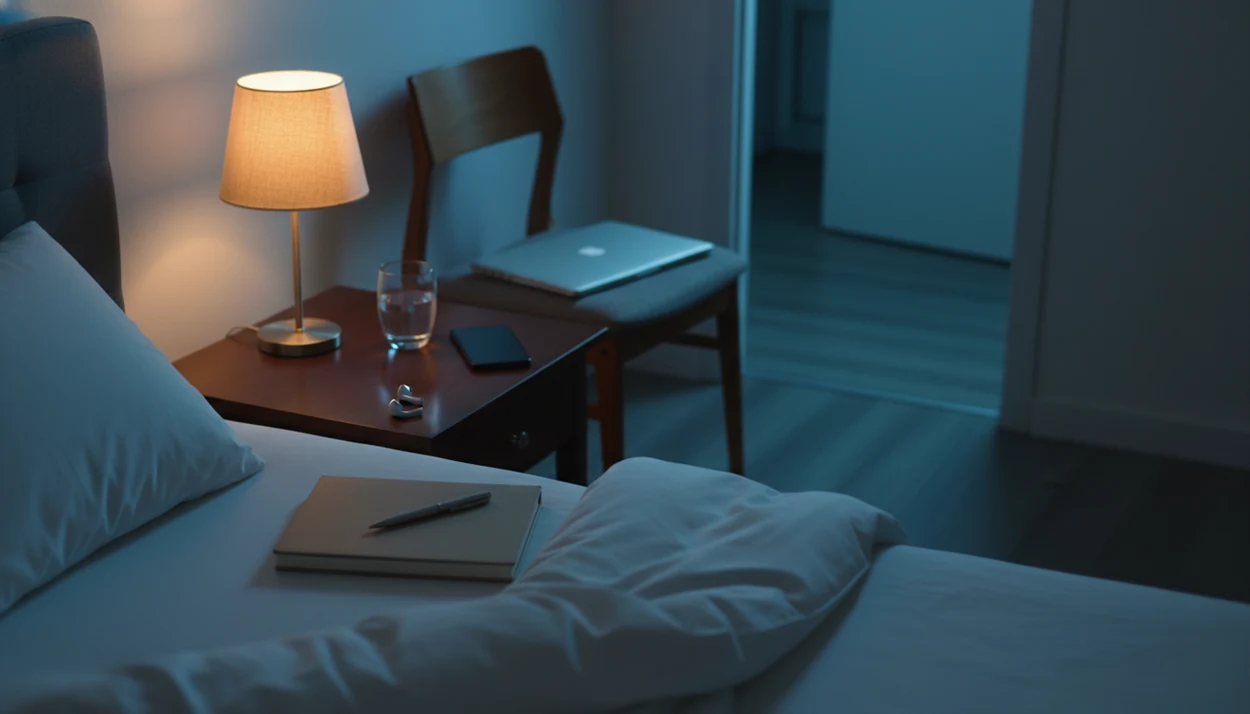
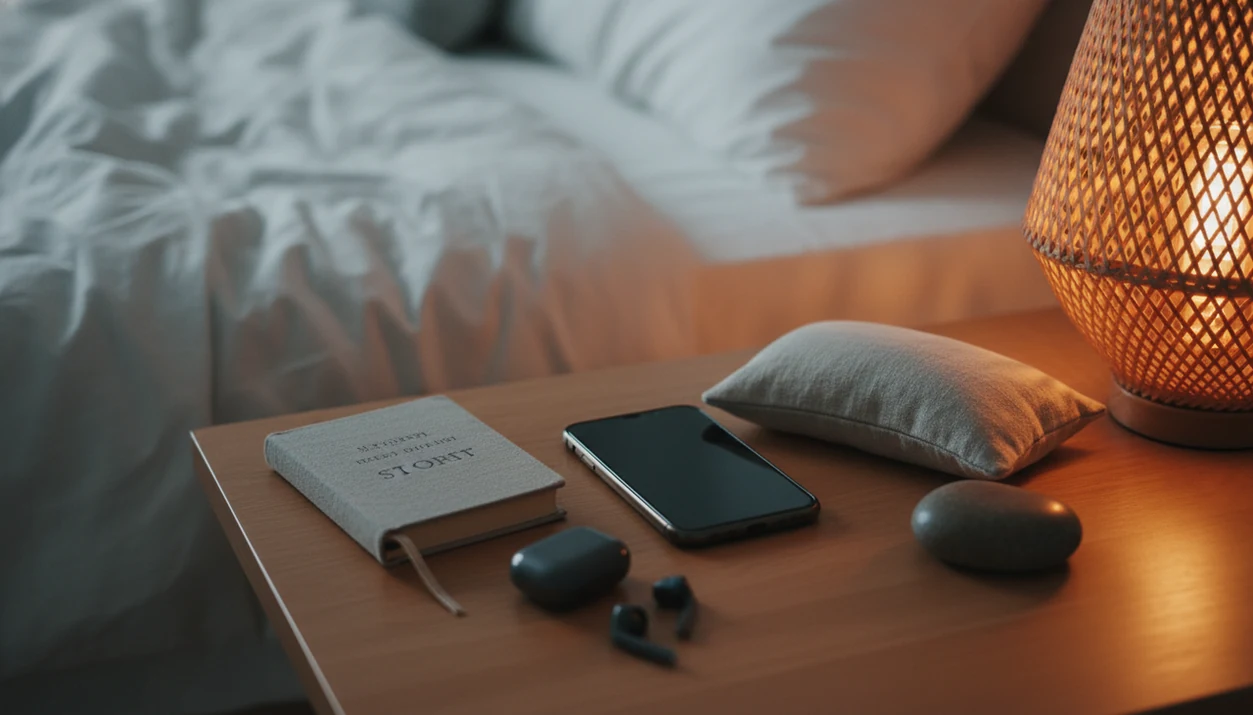
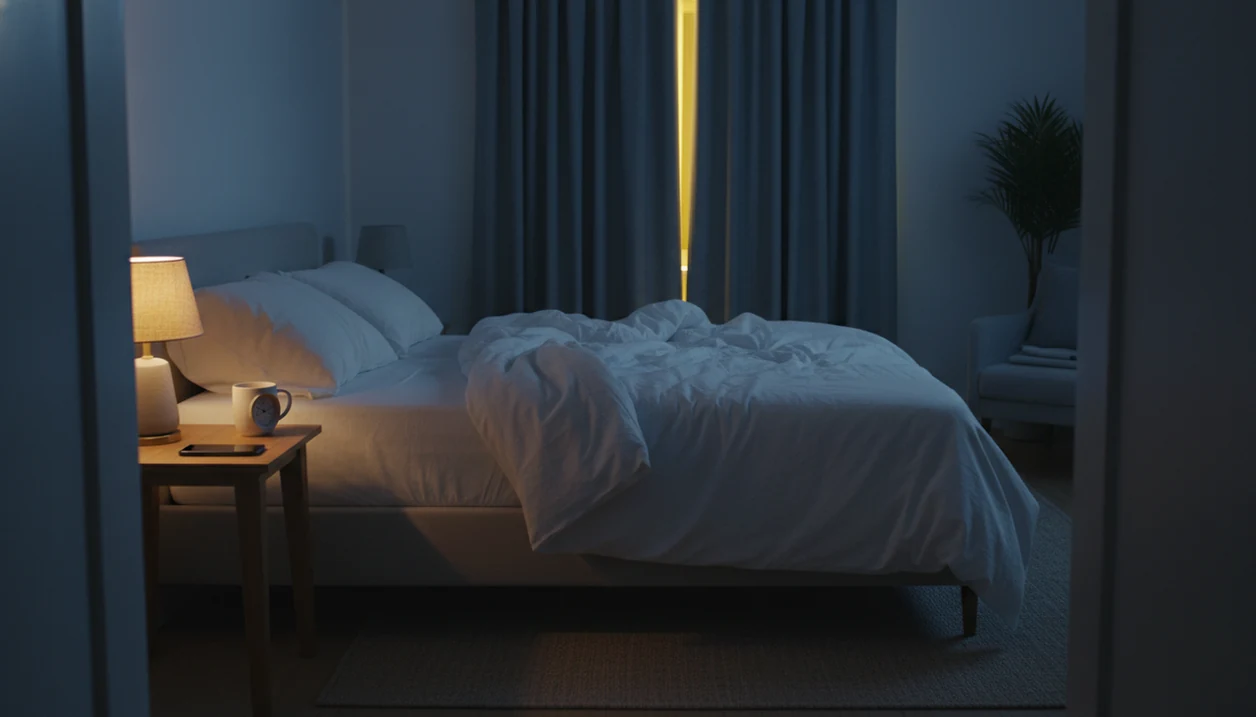
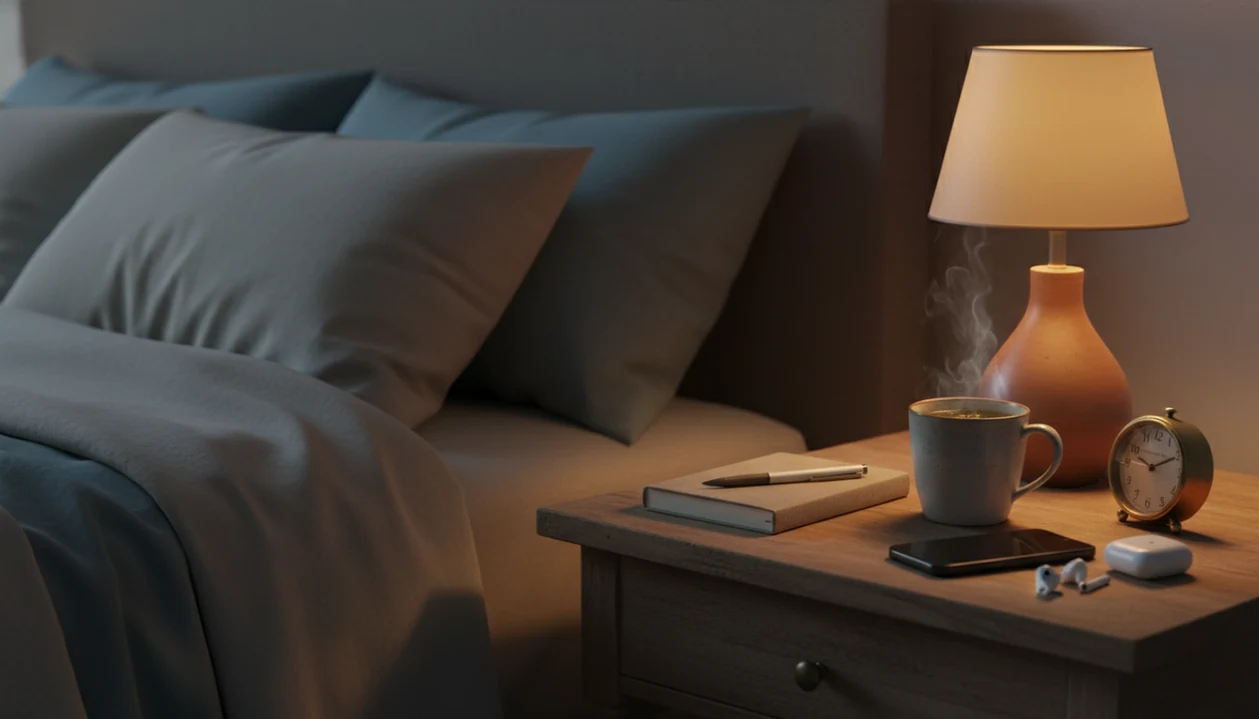
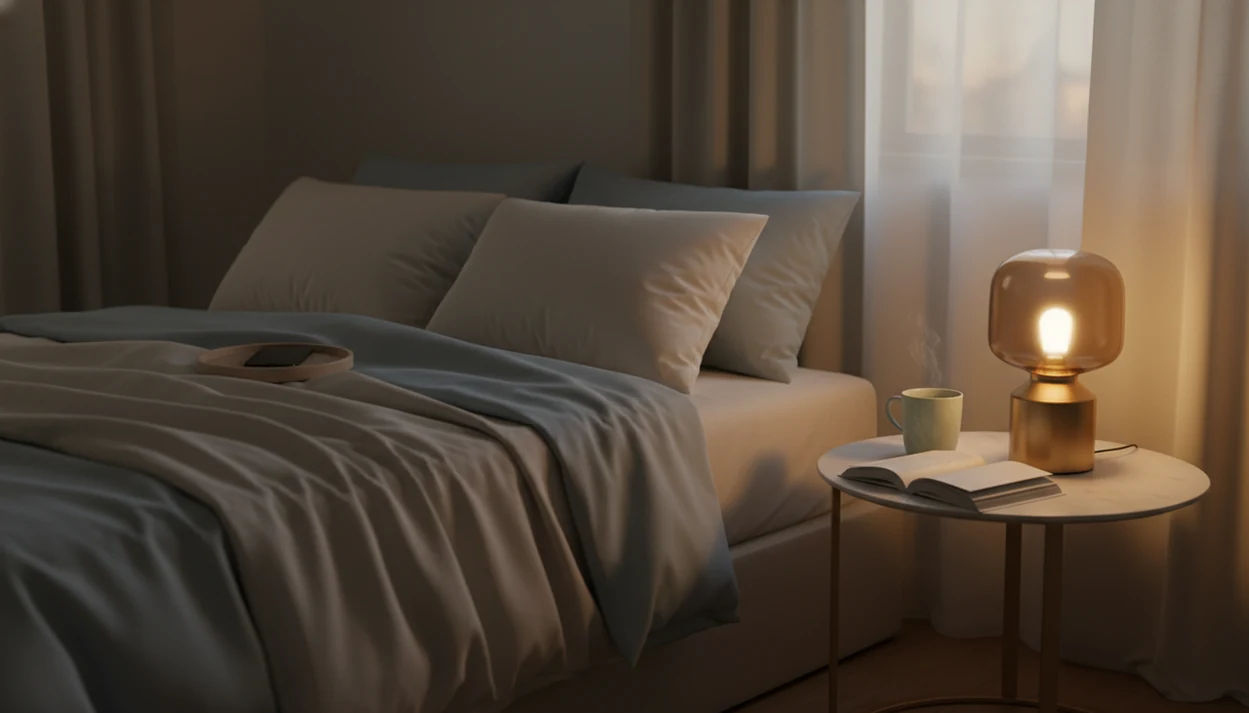
The dim lamp beside wrinkled pillows matters. So does turning off the last work thread before your body starts asking for proof that the day is over.
Who This Sleep Hygiene Checklist Is Best For - and Not For
This sleep hygiene checklist is best for adults who need structure around inconsistent bedtimes, mild sleep anxiety, screen-heavy evenings, or caffeine habits. It also fits beginners who want a clear starting point for healthy sleep habits without reading a whole sleep textbook first.
Best for
- Adults with irregular sleep and wake times.
- People who scroll, work, or snack late without a clear cut-off.
- Beginners who want a simple bedtime routine for adults.
- Anyone choosing between a 5-minute breathing exercise and a 20-minute body scan.
Not ideal for
- Diagnosed chronic insomnia, sleep apnea, or untreated mental health conditions.
- Shift workers, new parents, or caregivers who need personalized medical guidance.
- People whose sleep changes suddenly with pain, medication, or trauma symptoms.
Short sleep is linked with obesity, diabetes, high blood pressure, heart disease, stroke, and frequent mental distress, per the CDC. Supportive habits matter, but symptoms deserve care.
The Full Sleep Hygiene Checklist: Daytime, Evening, and Bedroom
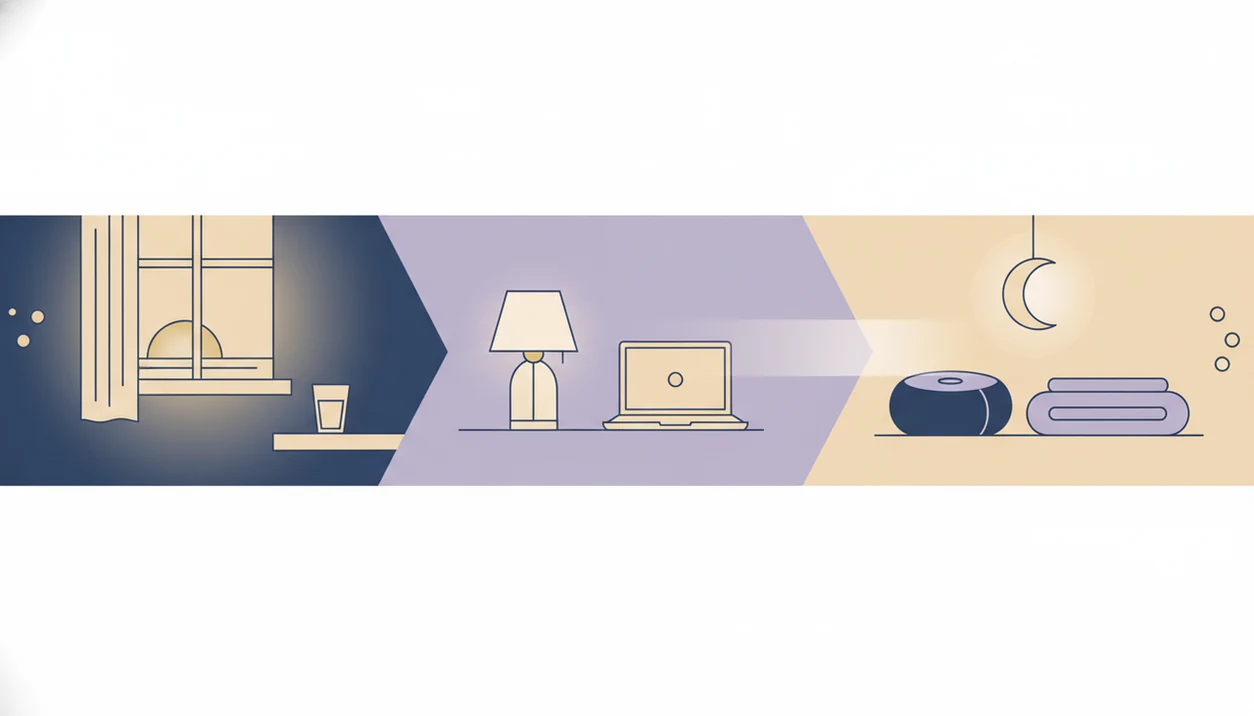
Use this sleep hygiene checklist by time of day: protect your body clock in the morning, reduce stimulation in the evening, and make the bedroom boring in the right way.
Daytime Healthy Sleep Habits
- Get outdoor light soon after waking, even for a short walk.
- Keep your wake time steady, including weekends when possible.
- Exercise before late afternoon if vigorous workouts make you wired.
- Stop caffeine 8 to 10 hours before your target bedtime; a controlled study found caffeine taken 6 hours before bed significantly disrupted sleep (PubMed research: 24235903).
Evening Wind-Down Routine
- Stop heavy meals 2 to 3 hours before bed.
- Limit alcohol; it can cause drowsiness at first, but later fragments sleep and reduces REM.
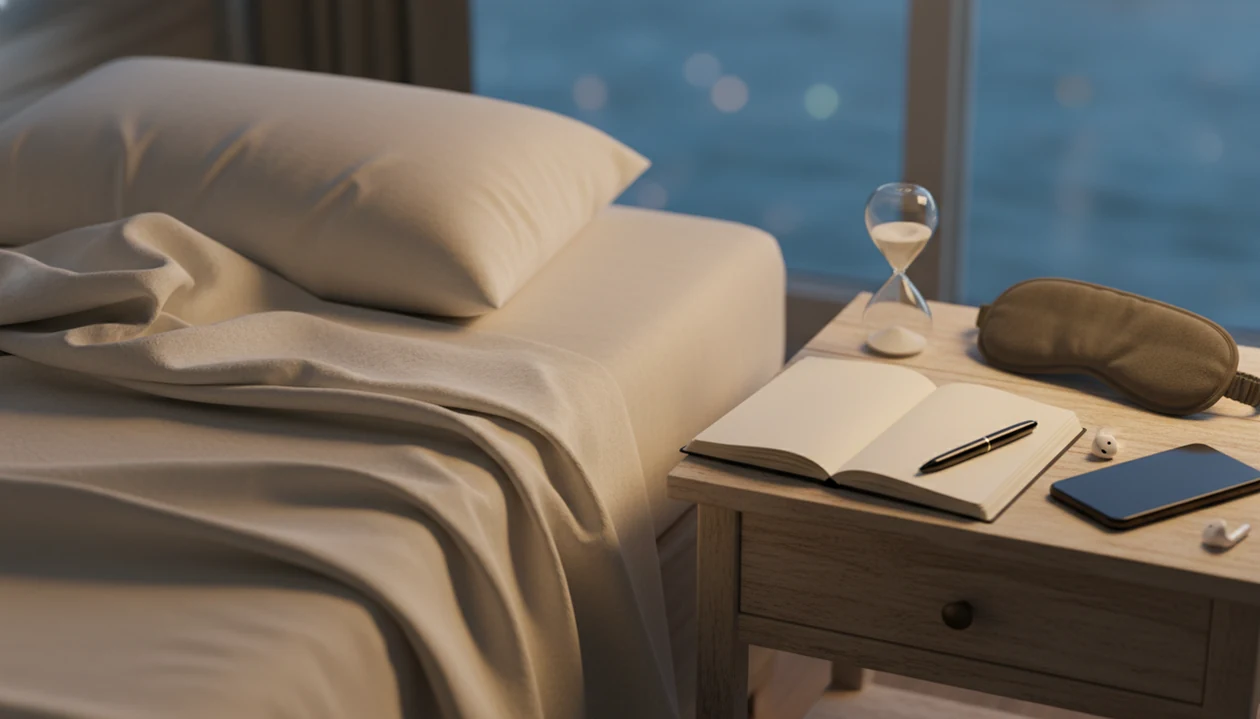
- Close work tasks, mute notifications, and write a short worry list.
- Dim lights before your pre-bed block starts.
Bedroom Environment Setup
- Keep the room cool, around 65 to 68°F, and treat that as a starting range rather than a medical rule (Sleep Foundation guide: best temperature for sleep).
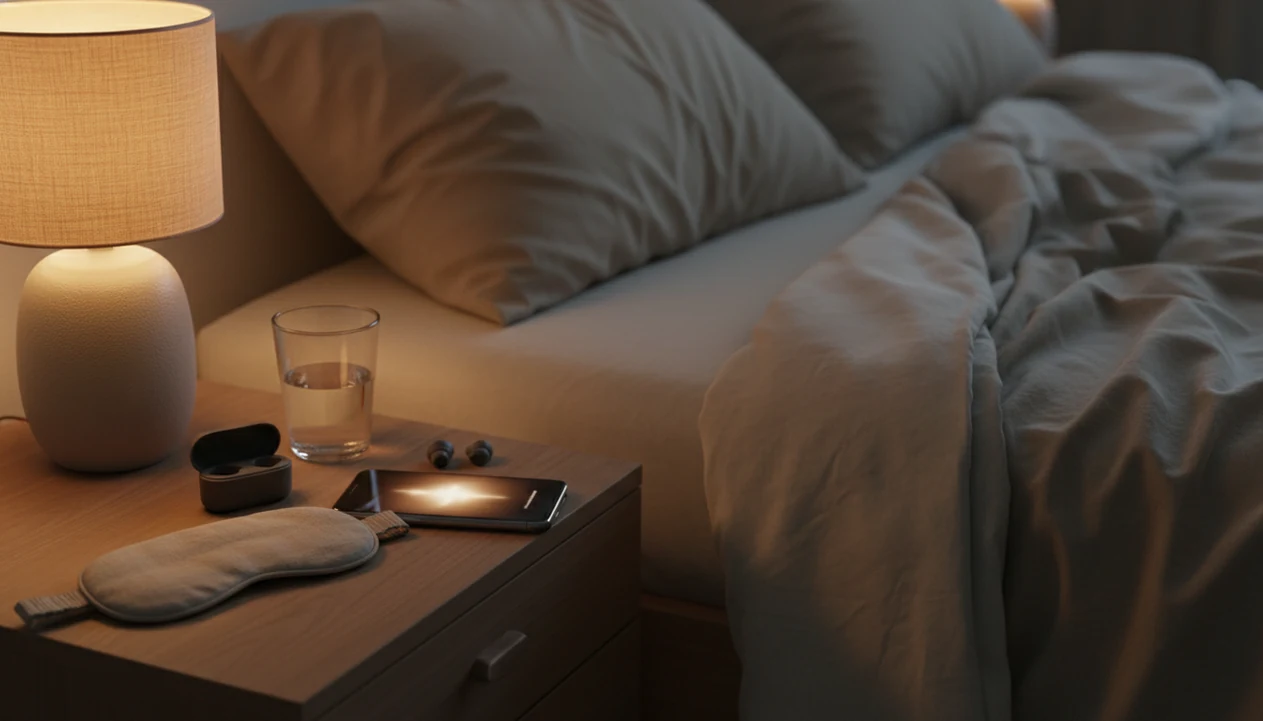
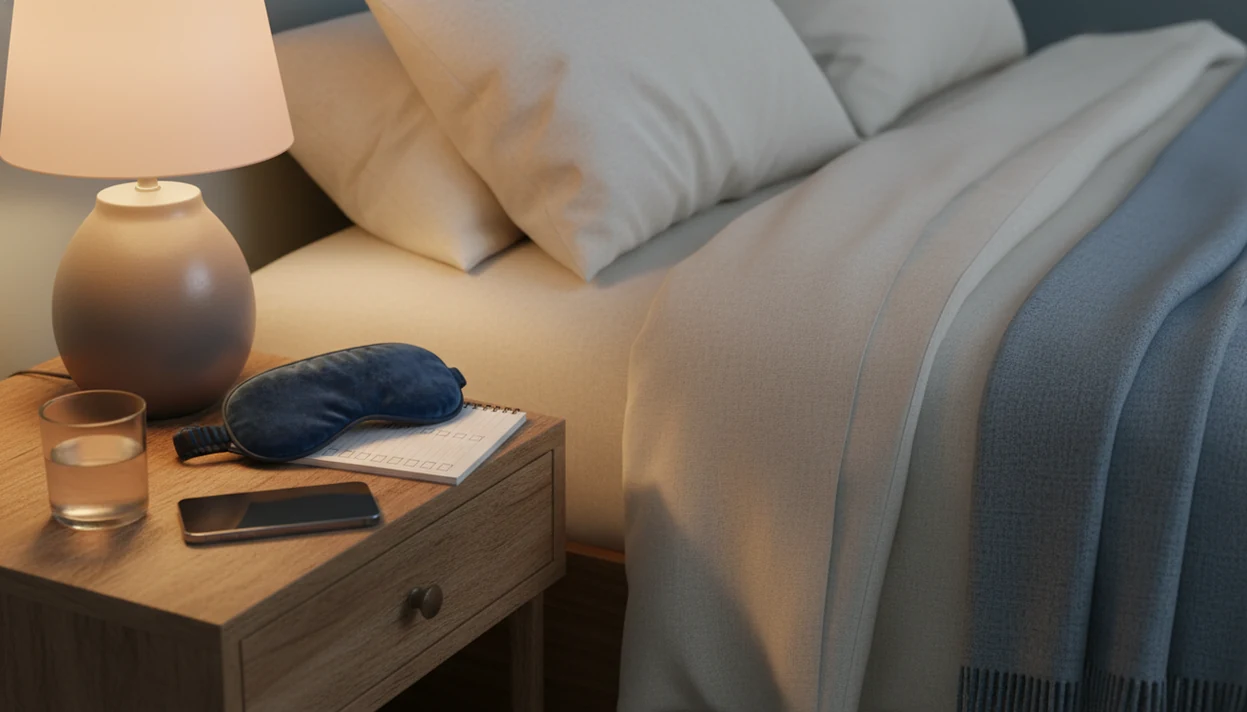
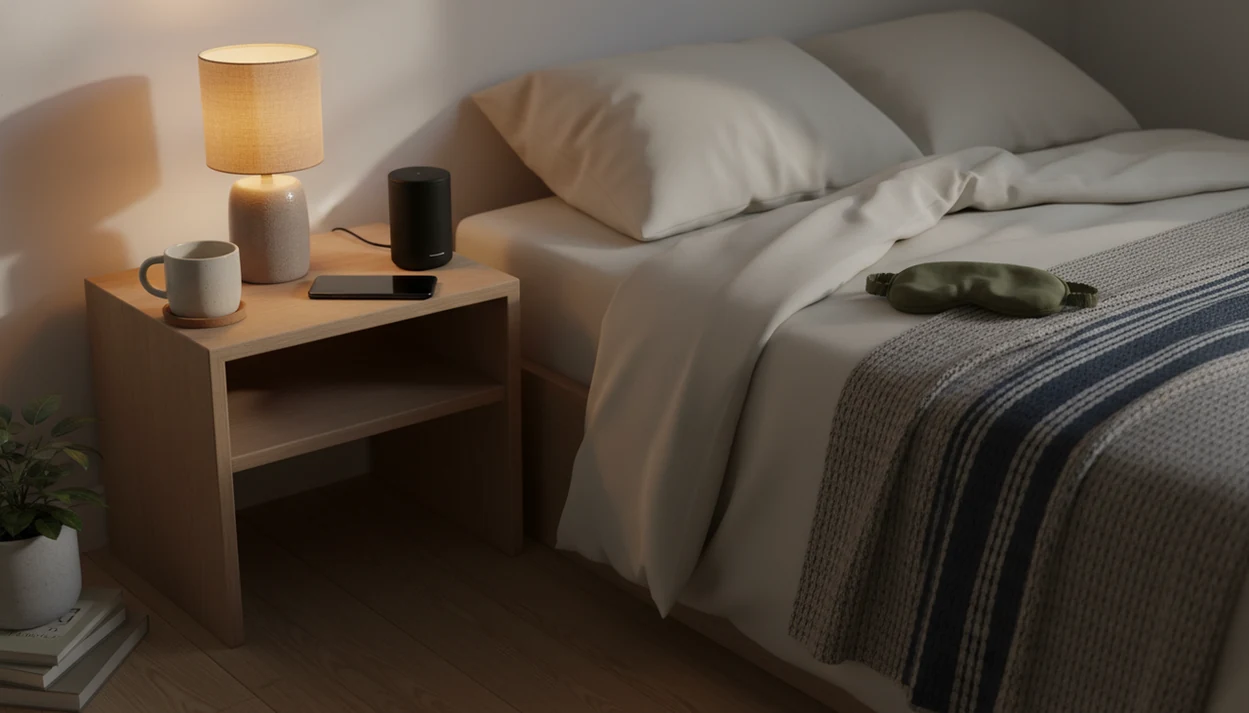
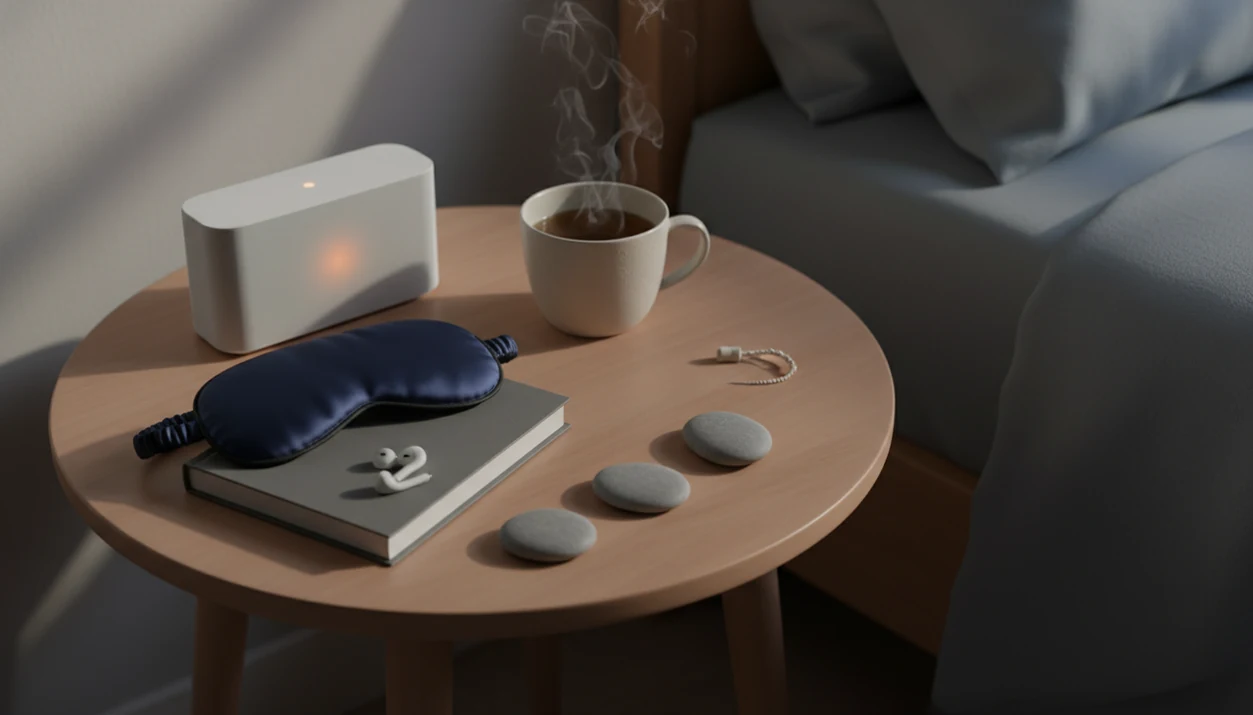
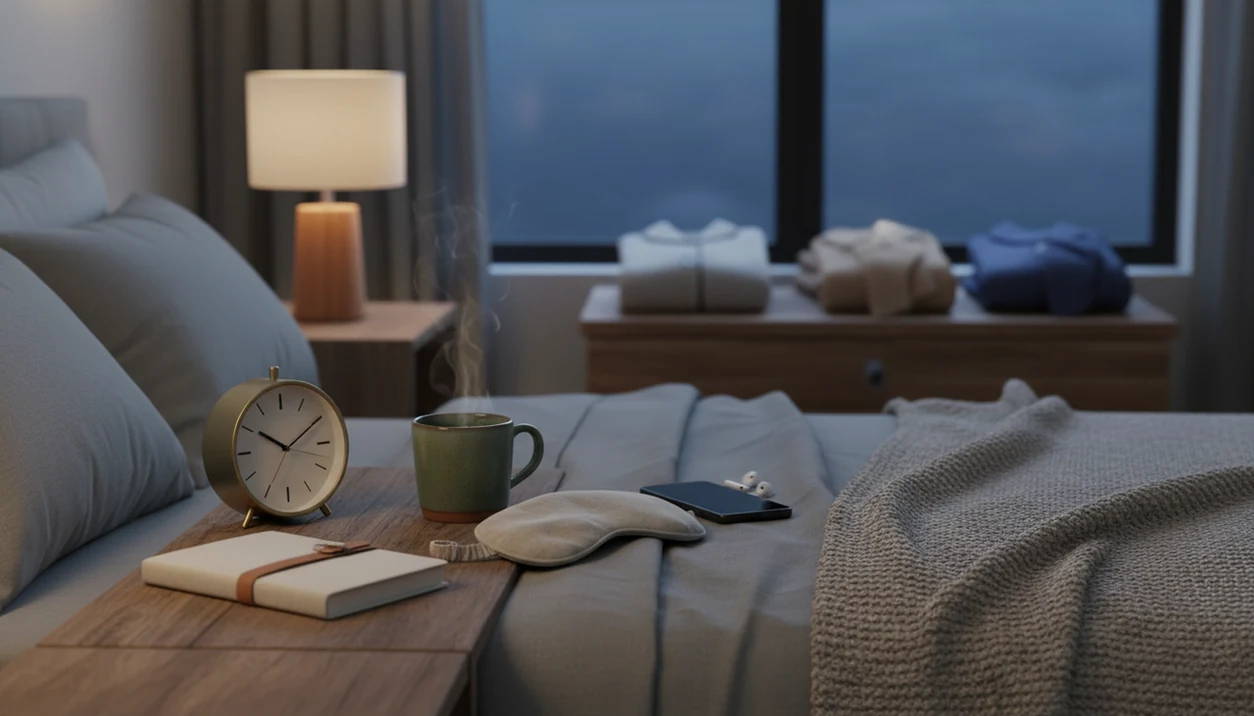
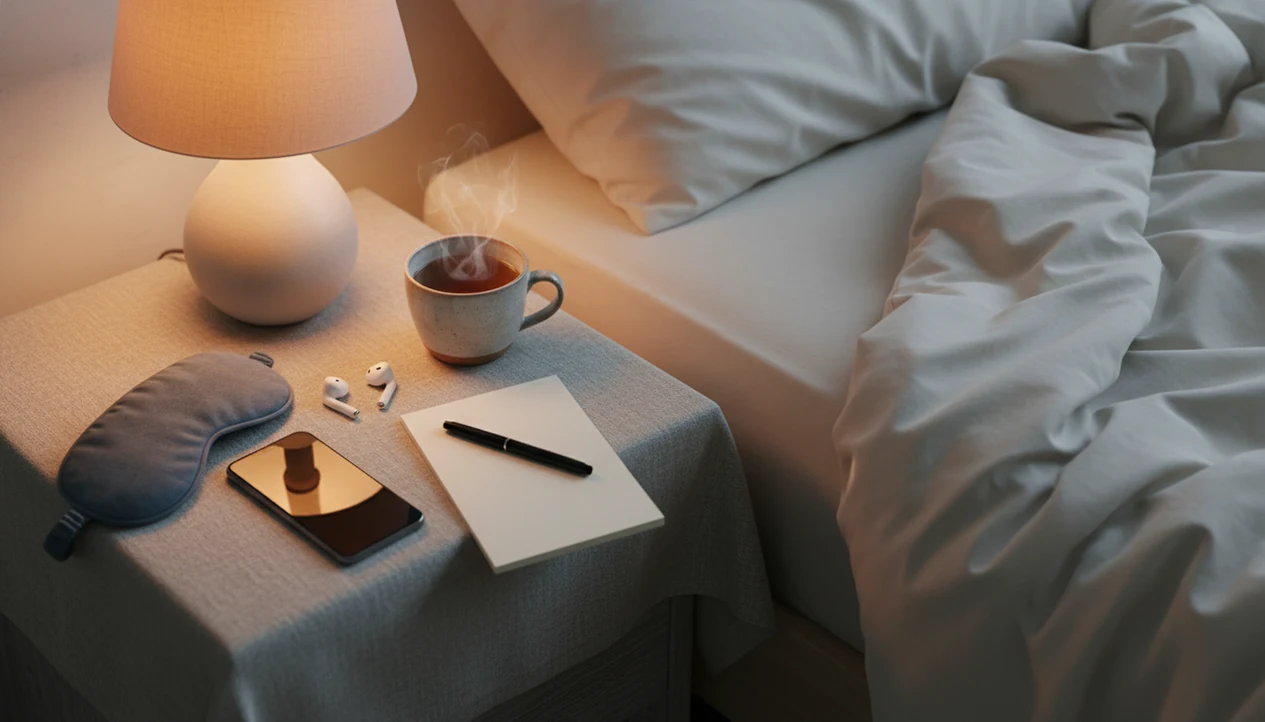
- Use darkness, curtains, an eye mask, or low light.
- Choose quiet, white noise, or soft audio that does not pull attention. For easily disturbed sleepers, a bedtime routine for light sleepers can help organize calming habits and bedroom adjustments.
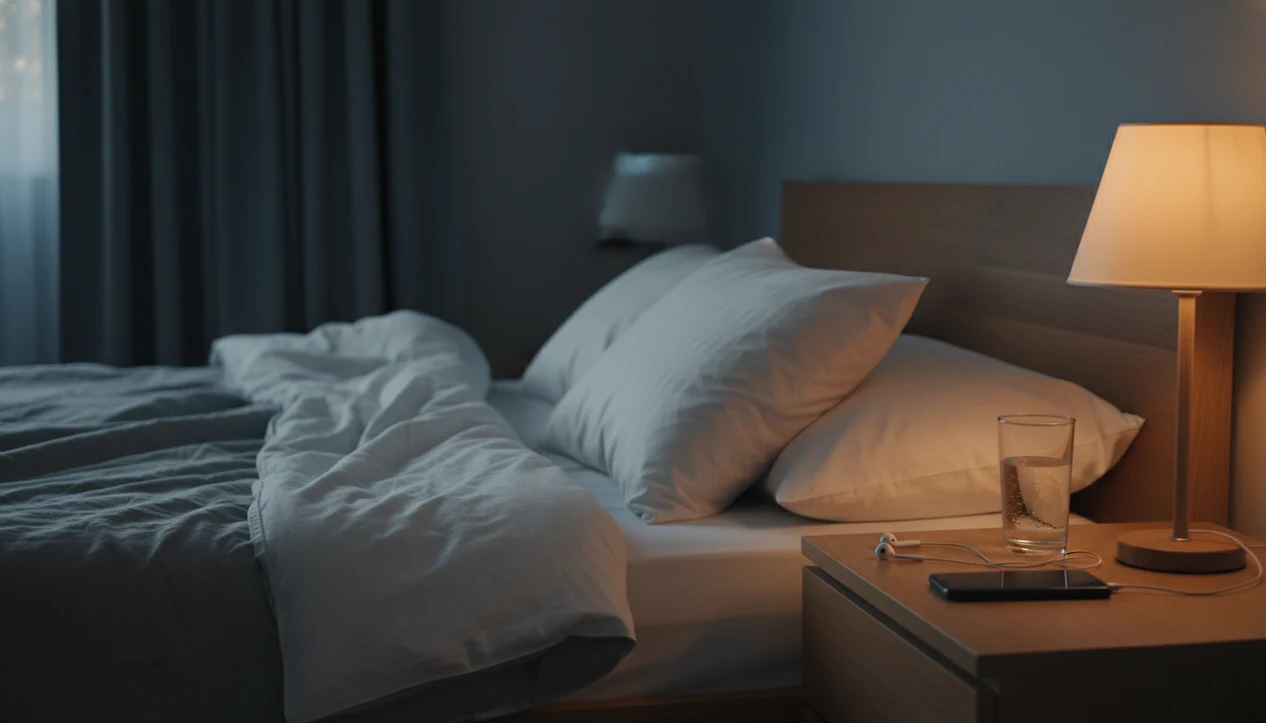
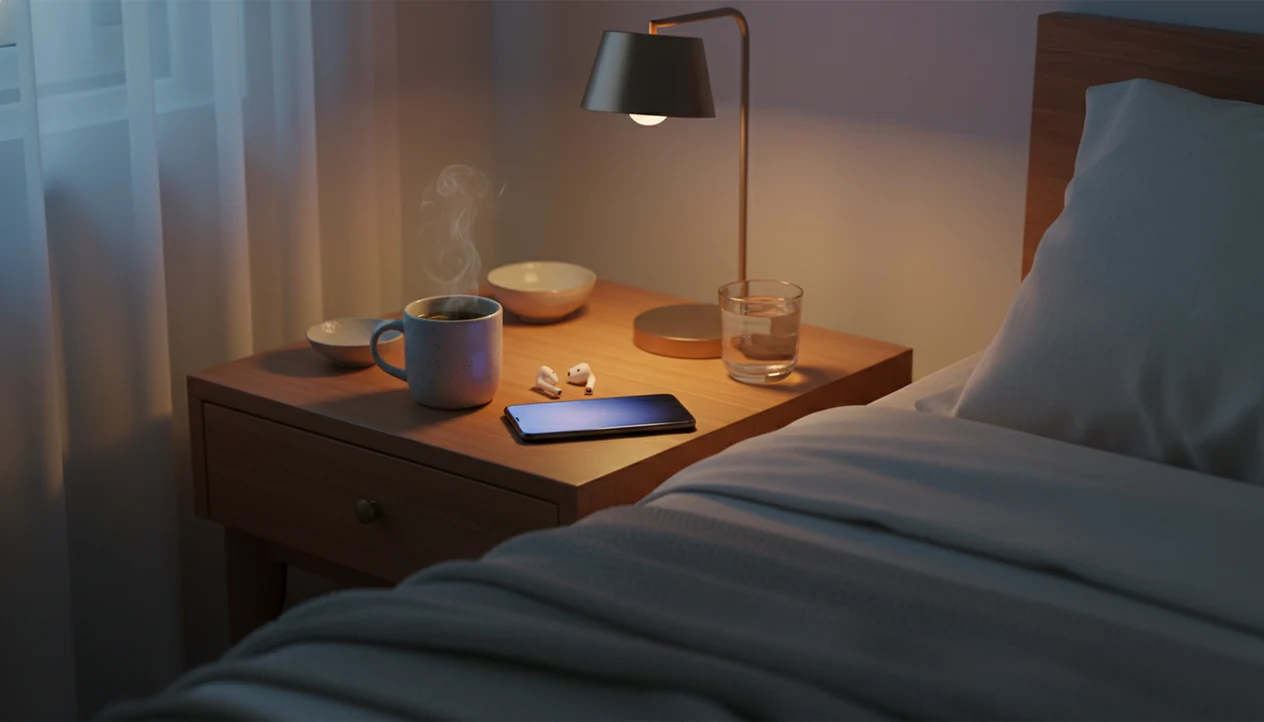
- Keep screens out of bed when possible; phone use in bed can delay melatonin release.
Image caption: A time-of-day sleep hygiene checklist showing daytime habits, evening wind-down steps, and bedroom setup for a sleep hygiene routine.
Where Sleep Hygiene Meditation Fits in Your Wind-Down Timeline
Where does sleep hygiene meditation fit? Put it in the final 5 to 10 minutes of your pre-bed block, after screens are off, lights are dimmed, and the active chores are done.
Think of meditation as the bridge between doing and drifting. Journaling, showering, and tidying are active wind-down steps. A body scan, guided breathing session, or sleep-focused imagery practice gives the mind one quiet track to follow.
Short is enough.
For beginners, 5 to 10 minutes is often easier than a 30-minute session because frustration can become its own bedtime problem. Tools like MindTastik offer guided sleep meditations and breathing exercises designed for this window. Apps such as MindTastik, Calm, and Headspace can deliver sleep anxiety support and everyday calm cues, not a medical cure or a guaranteed insomnia solution.
If thoughts still get loud after audio starts, a calming night routine for racing thoughts can help you adjust the earlier part of the evening.
Use bedtime audio without returning to scrolling
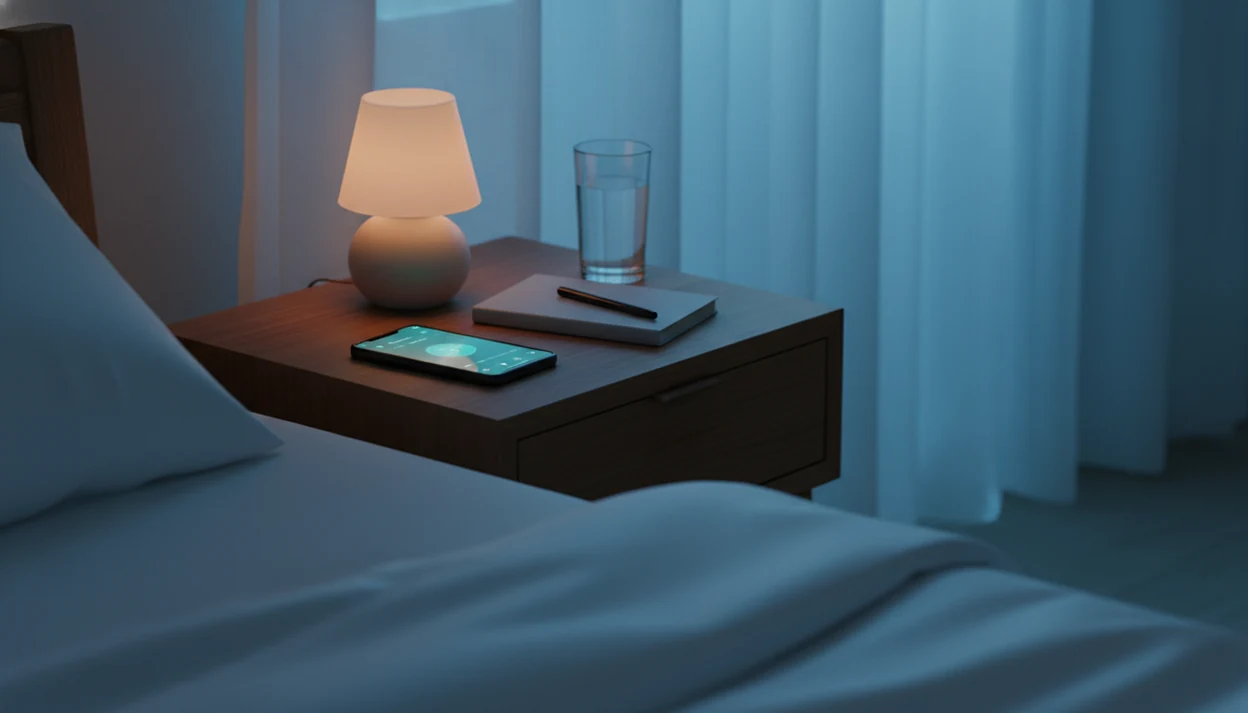
Using a phone for meditation creates a practical conflict with a screens-off routine. Choose the session before the final quiet block, start playback, then put the device aside rather than browsing for more content. Treat screens-off as the end of watching, reading, and interacting with the display, not necessarily the end of audio. Sleep Foundation guidance on bedroom technology recommends separate, consistent deadlines for device use and lights-out.
Reducing evening device use has some experimental support, although the evidence does not establish an ideal cutoff for everyone. In a 2025 randomized pilot trial, an online intervention targeting bedtime procrastination and evening device use reduced pre-sleep device use by an average of 23.4 minutes and increased daily sleep duration by 12.7 minutes. Because the intervention addressed both habits, those gains cannot be attributed to screen reduction alone or assumed for meditation audio.
How to Use This Sleep Hygiene Routine Tonight
Use this sleep hygiene routine tonight by choosing one target wake time, then building backward. Consistency matters more than checking every box perfectly.
- Set a fixed wake time and count back 7 to 9 hours for your target bedtime.
- Log your last caffeine intake at least 8 hours before that bedtime.
- Start your evening wind-down 60 minutes before bed; dim lights, stop screens, and do a quick worry dump.
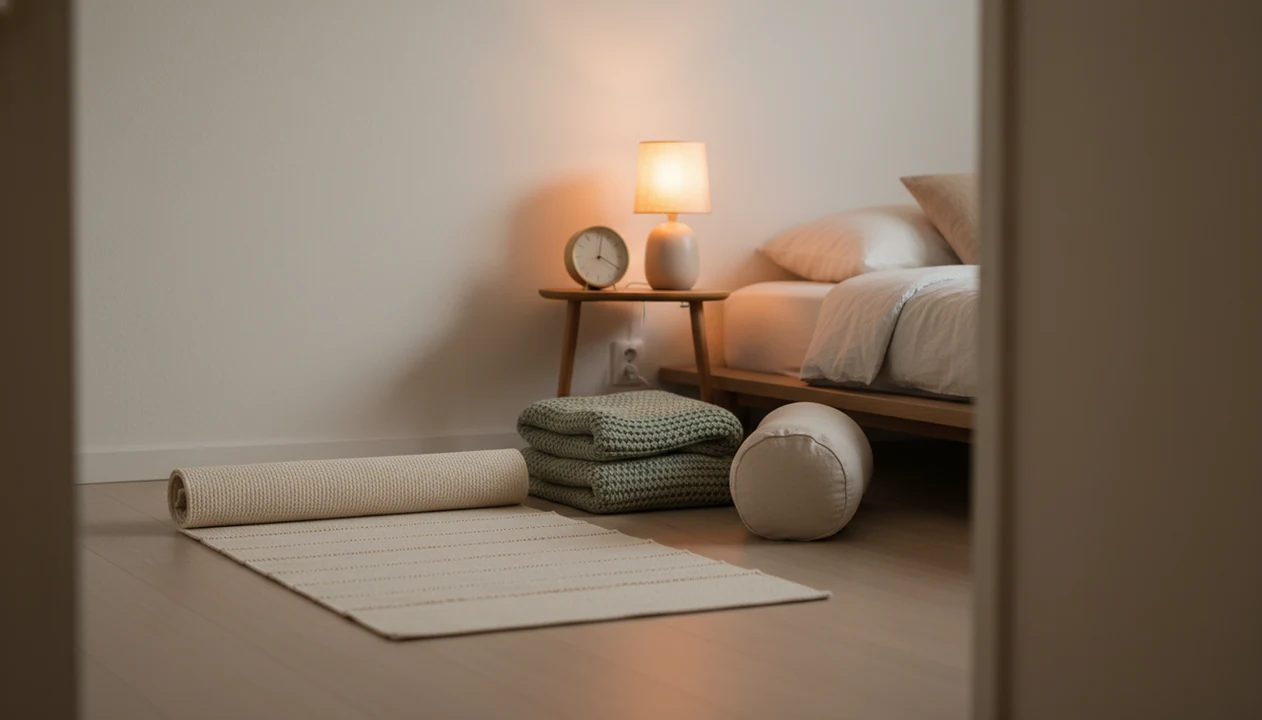
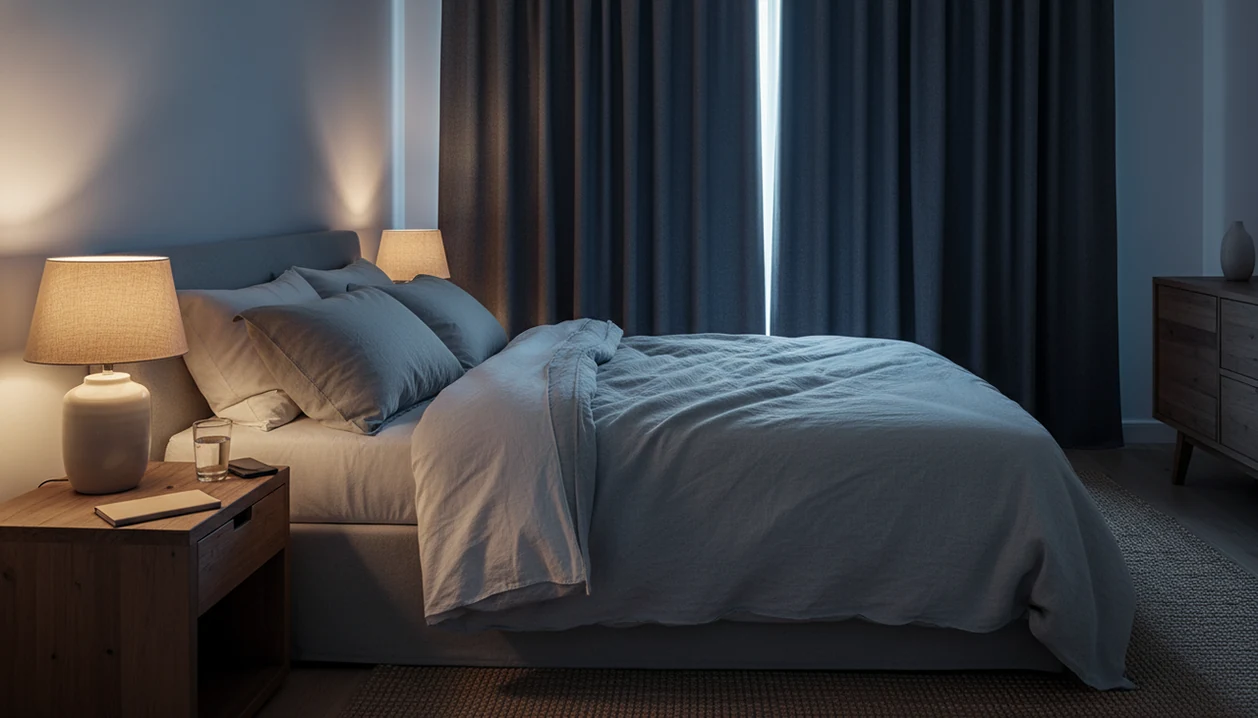
- Prep your bedroom so it is cool, dark, and quiet before you feel exhausted.
- Begin a 5-to-10-minute guided meditation with a body scan or breathing exercise via MindTastik.
- Review your checklist each morning and note what you completed, not what you missed.
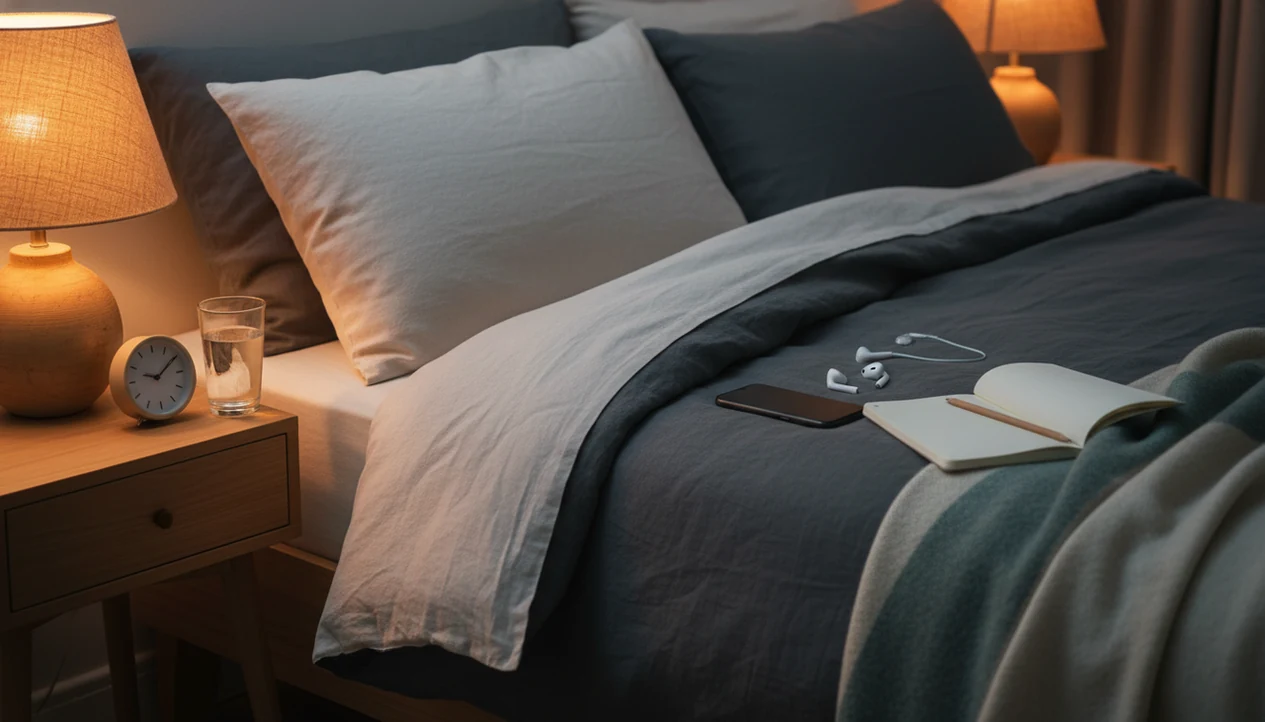
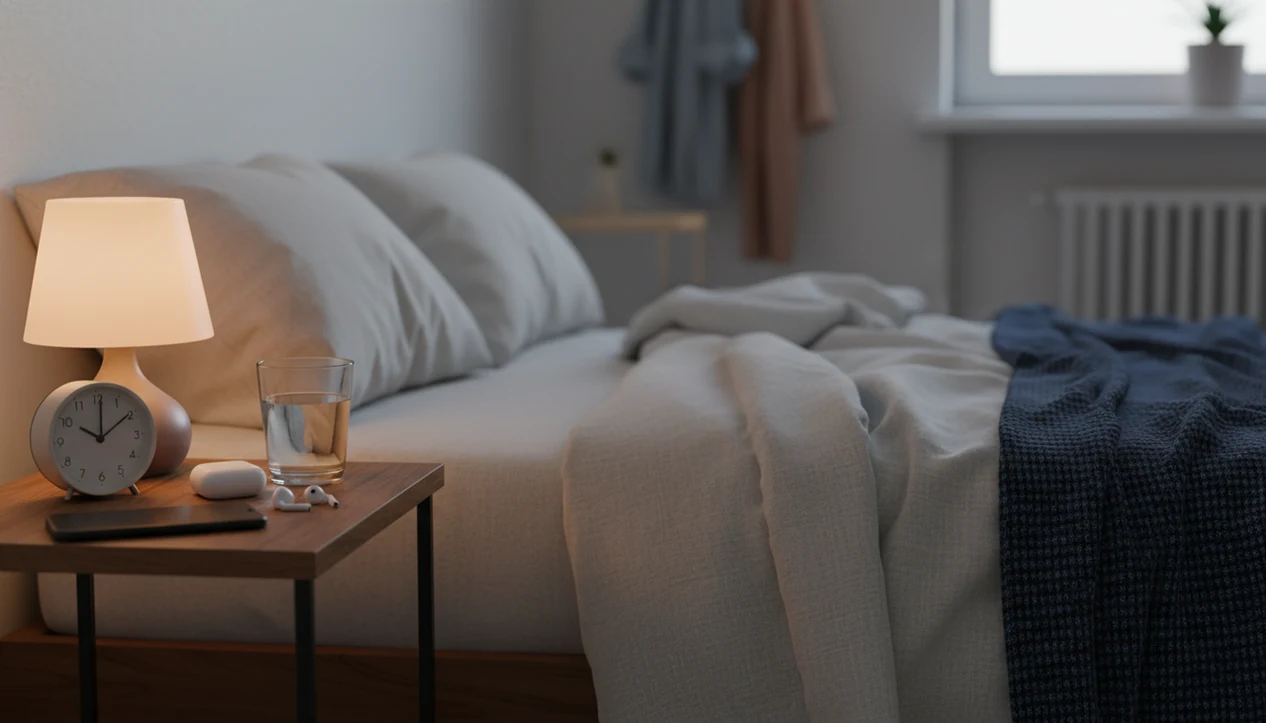
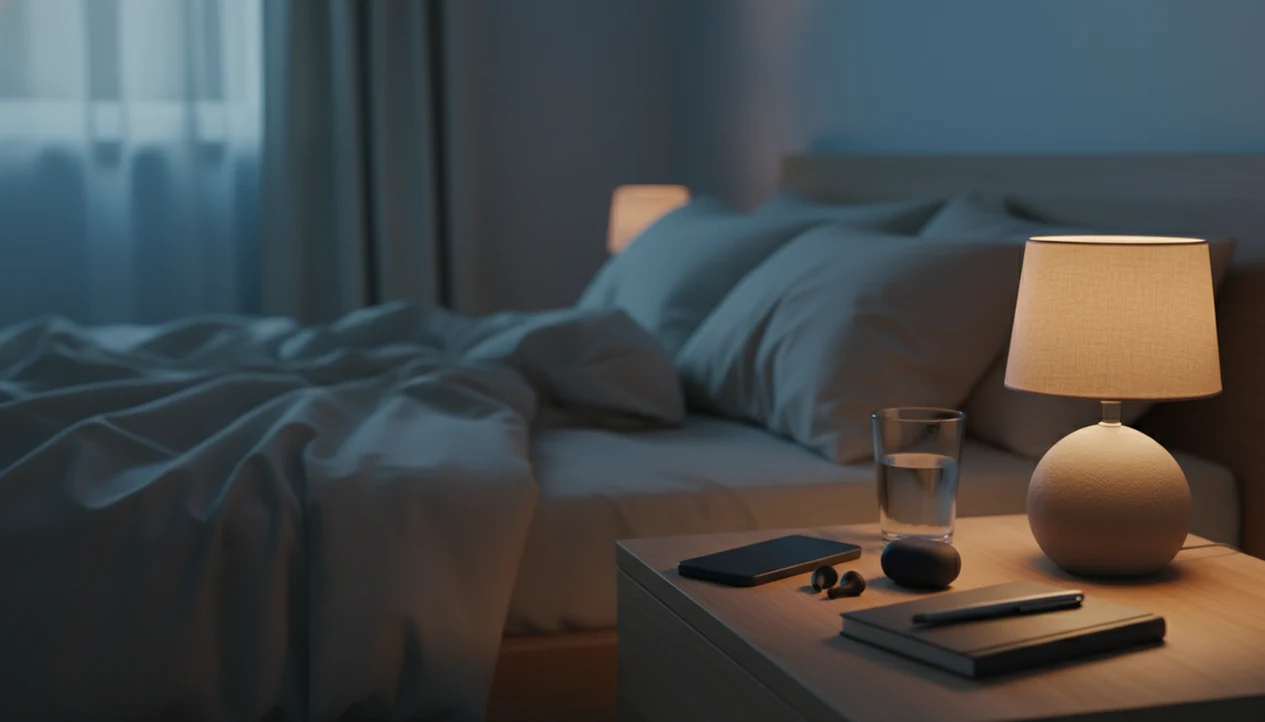
A pillow, a dim lamp, and a downloaded sleep story can still be enough for a decent routine. Start the audio, let the next exhale slow down, and stop debating whether the night is already ruined.
For busy schedules, it may help to build a sleep routine in smaller pieces over a week.
Common Sleep Hygiene Mistakes That Block Healthy Sleep
The most common sleep hygiene mistake is expecting a perfect checklist to cure insomnia. Sleep hygiene is supportive, not curative, and chronic insomnia often needs CBT-I or professional care.
Other mistakes are quieter. Alcohol feels like a shortcut, but it fragments sleep and reduces REM. Scrolling in bed can feel relaxing, yet blue light and emotional content may delay melatonin and keep the brain engaged. Rigid formulas, like 10-3-2-1-0 rules, can help some people but should be treated as experiments, not guarantees.
Then there is the three-night quit. Too soon.
Healthy sleep habits usually need days to weeks of repetition before the pattern feels natural. If screens are the hardest part, a screen-free bedtime meditation may give your hands something simpler to do than open another app.
Evidence Behind This Sleep Hygiene Checklist
The evidence behind this sleep hygiene checklist is strongest for a few core habits: adequate sleep duration, consistent timing, caffeine cut-offs, light management, and limiting alcohol before bed. It is weaker when sleep hygiene is used alone as a treatment for chronic insomnia.
The CDC and sleep medicine groups recommend that most adults get at least 7 hours of sleep, while short sleep remains common among U.S. adults. Review evidence also suggests sleep hygiene education can help, but its standalone effects are usually modest; it works better when paired with relaxation skills, CBT-I, or a structured routine.
- Treat duration and regularity as evidence-backed basics. A steady wake time and enough time in bed support the body clock.
- Cut caffeine early. Research on caffeine timing supports avoiding it in the hours before bed, especially if you are sensitive.
- Limit alcohol as a sleep aid. It may feel sedating, but it can fragment later sleep and reduce REM.
- Dim screens and bright light. Evening blue light can delay melatonin, especially from close devices.
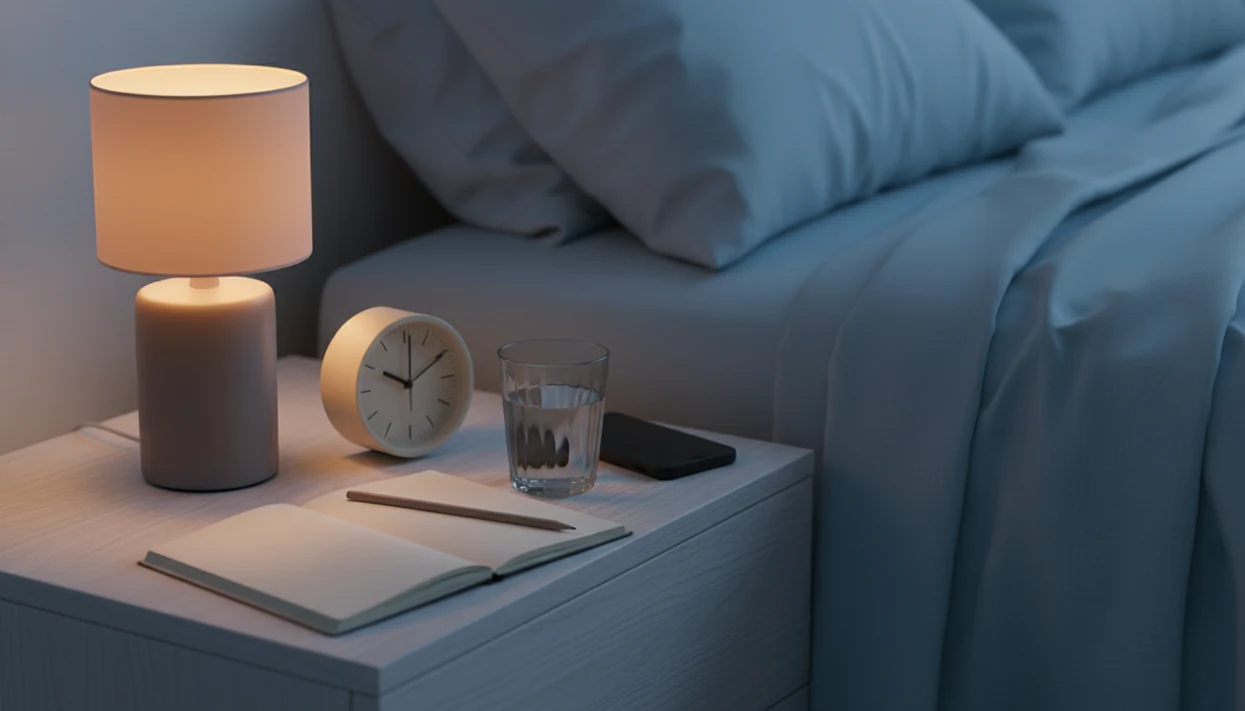
- Label softer tips honestly. Cool rooms, tidy nightstands, and exact wind-down timing are useful expert-practice habits, not guaranteed medical rules.
A familiar audio session for the final wind-down
MindTastik’s guided meditations and breathing exercises suit adults who prefer spoken instructions during the final quiet minutes before bed. Choosing one familiar session from the guided meditation library keeps the routine simple, without making a new selection every night.
A sleep story is another option when following a meditation feels demanding. Adults who prefer silence can skip the app and keep the same wind-down sequence. Persistent insomnia or suspected sleep apnea calls for professional assessment, not a longer audio session. MindTastik is not a medical treatment.
What a sleep hygiene checklist cannot treat
Sleep hygiene has real value, but it has limits. It can organize your nights; it cannot diagnose what is disrupting them.
- Sleep hygiene alone rarely resolves chronic insomnia or conditions like sleep apnea. Professional diagnosis may be needed.
- Evidence for sleep hygiene education as a standalone intervention is mixed and modest. Results are stronger when paired with CBT-I or behavioral relaxation.
- Many popular tips are based on expert opinion rather than high-quality trial-based guidelines. Treat them as experiments.
- Shift workers, new parents, caregivers, and high-stress adults may see slower progress.
- Meditation and relaxation are not substitutes for medical care when depression, anxiety disorders, PTSD, or other mental health conditions affect sleep.
- A checklist cannot account for your medical history, medications, pain, hormonal changes, or co-occurring disorders.
- If you feel dangerously sleepy while driving or working, seek medical guidance promptly.
A routine can be kind. It can also be incomplete.
When Sleep Won't Come
- If you feel wide awake after getting into bed, lower the pressure rather than extending the effort; a slow exhale or short body scan can give the mind one simple job. If small disturbances keep you alert, try sleep meditation for light sleepers to practice settling your attention gently.
- If your routine keeps expanding, trim it to a repeatable sequence: dim lamp, bathroom, pillow, audio, lights out. A sleep routine works best when it is easy to start tired.
- If silence makes thoughts feel louder, choose a quiet sleep story or breathing exercise instead of mentally arguing with wakefulness.
- If you keep checking whether you are sleepy yet, move attention to a neutral body cue, such as the weight of your head on the pillow.
- If a meditation feels too demanding at night, pick a simpler version; bedtime is usually better suited to repetition than performance.
Choose breathing, a body scan, or a sleep story
| Technique | Best for | Minutes |
|---|---|---|
| Slow exhale breathing | settling mental momentum after a busy evening | 3-5 min |
| Guided body scan | shifting attention from planning to physical rest | 8-12 min |
| Soft sleep story | replacing rumination with a low-effort narrative | 10-20 min |
Sleep hygiene and bedtime meditation questions
What should a sleep hygiene checklist include?
Include a consistent wake time, daytime natural light, a low-stimulation evening routine, and a dark, quiet, comfortable bedroom. Add a clear endpoint for screen use and a short relaxing activity before lights-out. Meditation is one option within the checklist, not a substitute for the other habits.
When should meditation happen in a bedtime routine?
A practical place is the final 5 to 10 minutes, after chores are finished and lights are dimmed. NHS guidance includes meditation among relaxing activities during the hour to 90 minutes before bed. The exact placement matters less than making it easy to repeat without extending bedtime.
Is a 5-minute sleep meditation enough?
Five minutes is a reasonable starting point for a repeatable wind-down, but there is no established minimum in the guidance cited here. A short breathing practice may be easier to follow than a long session when tired. Duration alone does not show that a meditation will improve sleep.
Can I use my phone for sleep meditation after screens-off?
Audio can fit a screens-off routine if the display is no longer part of the activity. Select the session beforehand, start it, and put the phone aside. Avoid turning a brief meditation into more browsing or messaging. This is a practical compromise, not evidence that bedtime phone audio improves sleep.
Should I keep the same wake time on weekends?
Keeping weekend wake times close to weekday times is a reasonable goal. A systematic review associated greater differences in sleep timing with poorer health outcomes, but it did not prove causation. Some weekend catch-up sleep showed favorable associations, so regularity should not become a reason to ignore insufficient weekday sleep.
What bedroom temperature is best for sleep?
The guidance cited here recommends avoiding excessive heat or cold rather than prescribing one temperature for every adult. Aim for a thermally comfortable room, with bedding suited to the conditions. Darkness and quiet also matter; an eye mask or earplugs may help when light or noise cannot be controlled.
Can sleep hygiene and meditation cure chronic insomnia?
Sleep hygiene and meditation can support a bedtime routine, but they should not be presented as a cure for chronic insomnia. Persistent insomnia needs assessment and evidence-based care, such as cognitive behavioral therapy for insomnia. Suspected sleep apnea also requires professional assessment rather than changes to the wind-down routine alone.