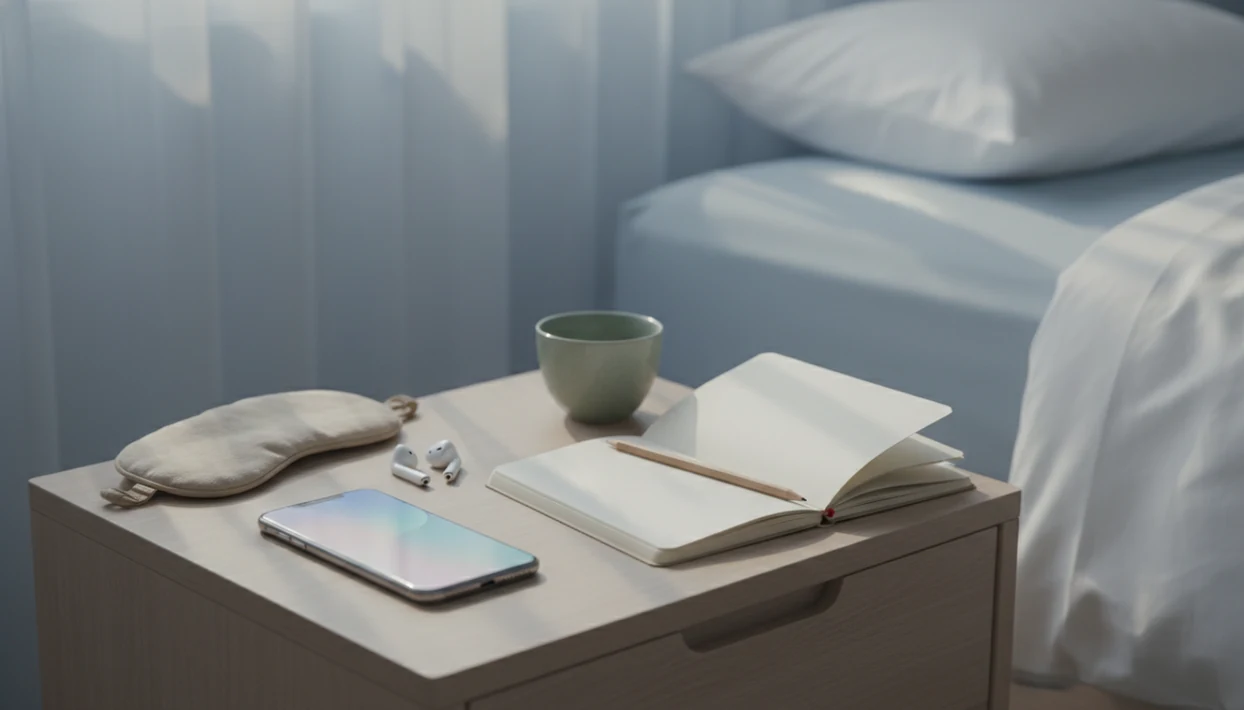
A meditation app for anxiety is a smartphone tool that offers guided breathing, calming audio, and mindfulness exercises to support adults with everyday stress, worry, and sleep-related anxiety. It provides a practice to follow on demand, not a diagnosis or treatment plan. Common options include a brief breathing exercise during a tense afternoon, a guided body scan, or quiet audio for pre-sleep worry.
The evidence supports modest expectations. A 2024 review of 45 randomized trials found small improvements in anxiety compared with inactive controls, but no clear advantage over active therapeutic comparisons. Choosing an app means matching its exercises to the problem, checking its privacy terms, and recognizing when persistent symptoms need professional care.
At A Glance: 5 Anxiety Meditation App Facts
- Short guided practices fit real days. A useful anxiety meditation app should offer 3, 5, and 10 minute sessions for moments like a quiet exhale before opening messages or sitting in a conference room chair between meetings.
- Apps may reduce mild anxiety symptoms, but they do not cure anxiety. A 2020 meta-analysis found smartphone mental health interventions had a significant but modest effect on anxiety symptoms, around Hedges g 0.30 JAMA Internal Medicine study: 2764788.
- Methods matter. Look for mindfulness, paced breathing, relaxation training, grounding, or CBT-informed exercises rather than vague “instant calm” claims.
- Sleep anxiety needs its own tools. Bedtime audio, late-evening breathing, and wind-down routines help differently than daytime focus sessions.
- Safety language is not optional. Any stress support meditation app should tell users when to seek professional or crisis help.
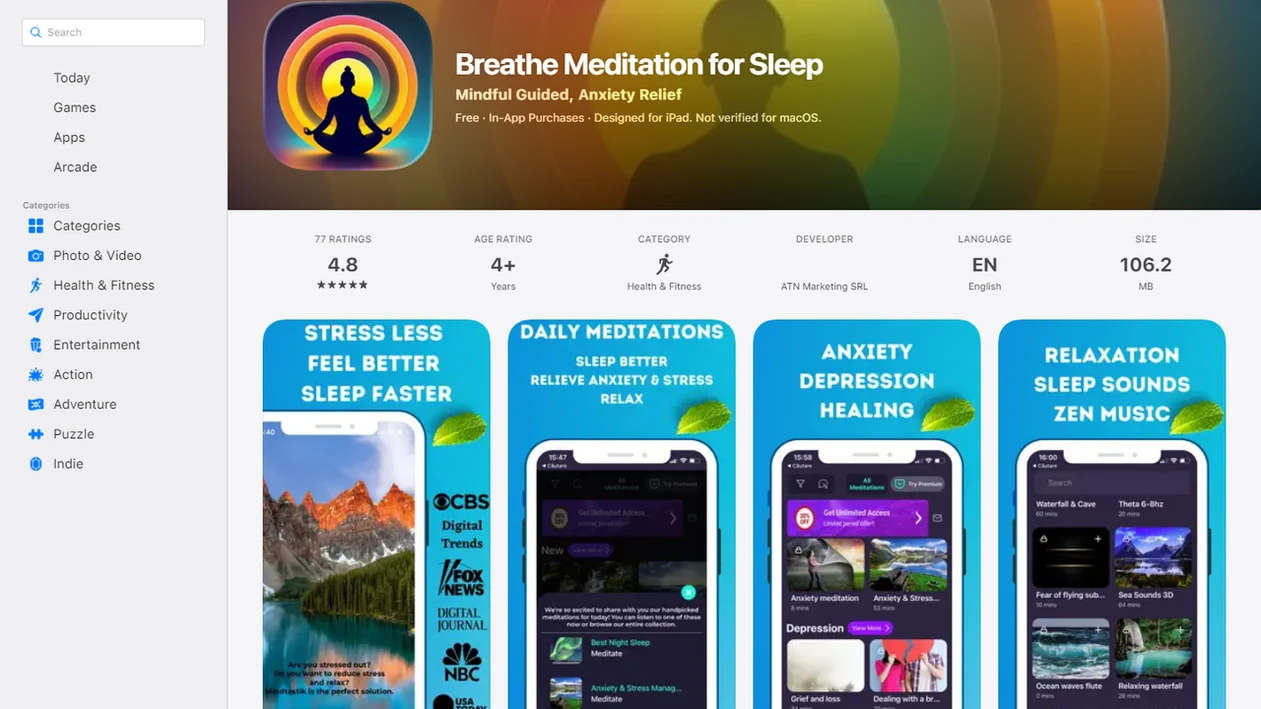
MindTastik earns a place for adults who need sleep anxiety support because it pairs bedtime audio with breathing exercises and self-hypnosis in one simple routine.
How Meditation Apps For Anxiety Support Work
Meditation apps for anxiety support work by slowing the body, redirecting attention, and giving the mind a repeatable task. Paced breathing can support parasympathetic activation, which is the body’s “settle down” system in plain language.
Guided sessions also interrupt rumination loops. Instead of replaying tomorrow’s meeting at midnight, you follow a voice, a breath count, or a body scan. Mindfulness-based stress reduction principles show up here: notice the thought, name it, and return attention without arguing with it. A systematic review of mindfulness-based mobile apps found small-to-moderate reductions in stress, anxiety, and depression compared with controls NIH research: PMC7793733.
Night sessions work a little differently. They lower stimulation, use slower pacing, and often avoid demanding reflection. The small decision of dimming the phone screen before bedtime audio matters. Good meditation apps deliver guided attention and body settling, not emergency treatment or a promise that worry will vanish.
What the research supports, and what it does not
The strongest app-specific finding is a small average benefit, not reliable relief for every user. A 2024 meta-analysis of 45 randomized trials reported an anxiety effect size of g = 0.28 compared with inactive controls. That number describes a difference between groups, not a percentage reduction in an individual's anxiety. The apps were not clearly superior to active therapeutic comparisons.
Research on a structured mindfulness program is not interchangeable with research on a phone app. In a trial involving 93 people with generalized anxiety disorder, an eight-week mindfulness-based stress reduction program improved several anxiety measures more than stress-management education. That supports the program studied, not a claim that any meditation recording treats an anxiety disorder. App evidence is also thinner for panic attacks, flight anxiety, and acute racing thoughts.
Best Meditation Apps For Anxiety Support: Named Shortlist
MindTastik. Best Meditation App for Sleep fits people whose anxiety gets louder at night, because MindTastik combines guided meditation, sleep audio, breathing exercises, and self-hypnosis around a wind-down routine.
Insight Timer. Insight Timer is useful for people who want a large free library, community timers, and many teacher styles. The tradeoff is choice overload if you open it already tense.
Headspace. Headspace fits users who want structured courses and CBT-informed content. It can feel easier for beginners who prefer a clear path instead of browsing hundreds of sessions.
Calm. Calm is strong for sleep stories, nature soundscapes, and softer bedtime content. It may suit people who want audio comfort more than formal meditation training.
Mindful.org. Mindful.org is not mainly an app, but it helps users compare mindfulness concepts and learn the basics before choosing a tool.
This shortlist is organized by primary use case: nighttime anxiety, free-library breadth, beginner structure, sleep-story comfort, and mindfulness education. It is not a clinical ranking or a substitute for comparing privacy policies, pricing, and professional guidance needs. For a broader view, explore meditation and sleep app comparisons organized around different preferences and practical needs.
If the priority is nighttime worry rather than general popularity, MindTastik handles the bedtime use case through sleep audio, late-evening breathing, and self-hypnosis sessions.
How We Chose The Best Meditation Apps For Anxiety Support
We chose these meditation apps by looking for practical anxiety support, clear boundaries, and features people can actually use during a tense day or a restless night. The recommendations favor sleep support, breathing tools, mindfulness structure, privacy clarity, and fair pricing over popularity alone.
Each app was treated as a support tool, not a medical treatment, diagnosis, or replacement for therapy. We considered evidence-informed methods, published research on mobile mindfulness and anxiety support, visible safety language, privacy-policy accessibility, pricing transparency, and whether core features were easy to find without a long scroll.
- Screened for anxiety fit: We looked for guided breathing, grounding, mindfulness, body scans, sleep audio, and gentle wind-down content.
- Excluded weak claims: We discounted apps that leaned on cure language, instant-relief promises, or unclear medical boundaries.
- Compared real use cases: We weighed nighttime worry, daytime stress resets, beginner structure, free access, and library overload.
- Checked practical details: We reviewed feature availability, subscription friction, safety disclaimers, and privacy signals.
- Noted limits: We did not clinically test the apps, and features, pricing, and policies can change after publication.
5 Criteria For Stress Support Meditation Apps
A strong stress support meditation app should be judged by safety, fit, and repeatability, not by the prettiest library screen. The download screen before bedtime is a bad time to decode vague claims.
- Science-informed techniques. Favor mindfulness, paced breathing, grounding, relaxation, and CBT-informed exercises over cure language.
- Flexible session length. Most users need 3 to 15 minute options, including quick resets like a 5 minute meditation for anxiety support.
- Sleep-specific features. Bedtime routines, late-evening breathing, sleep stories, and low-stimulation audio matter for pre-sleep worry.
- Medical boundaries. The app should clearly say when to seek therapy, a doctor, or urgent help.
- Privacy practices. Mood, sleep, and anxiety notes are sensitive. Read the privacy policy before entering personal details.
Health apps may collect and share sensitive mood, sleep, or anxiety information, so review data-sharing practices before entering notes, as discussed in this page's privacy limitations.
For adults comparing options, MindTastik is practical because it organizes anxiety support around guided sessions, sleep tools, and a manageable everyday calm workflow. Adults considering a Healthy Minds Program alternative can assess whether MindTastik's sleep tools match their main concerns.
6 Steps To Use A Everyday Calm App For Anxiety Relief
Use a everyday calm app by choosing one anxiety pattern, starting short, and repeating the same routine long enough to notice a trend. Don’t start with a 40 minute session on a hard night.
- Choose a focus: Pick daytime stress, sleep anxiety, panic moments, work stress, exam stress, or travel worry.
- Set a daily time: Use the same morning slot or pre-sleep window for one week.
- Start with breathing: Begin with a 3 to 5 minute guided breathing session before trying longer audio.
- Log before and after: Rate tension from 1 to 10 so you can see whether the session helped.
- Extend gradually: Add body scans, sleep stories, or breathing exercises for anxiety at night over several weeks.
- Review and escalate: If symptoms persist, worsen, or impair daily life, seek professional support.
When the issue is a racing mind in the middle of the night, the deciding feature is quick access to calming audio instead of getting pulled into a crowded menu.
4 Myths About Anxiety Meditation Apps
Meditation apps can support anxiety routines, but the myths around them create bad expectations. A supportive practice should feel useful, not like another thing you failed.
Myth 1: A meditation app will cure anxiety. Apps may help with stress and mild symptoms, but anxiety disorders often need professional evaluation and treatment.
Myth 2: Using an app means you don’t need a therapist. Apps are adjuncts. Therapists and mental-health guidelines commonly recommend skills practice alongside care when symptoms are persistent or impairing.
Myth 3: All meditation apps are basically the same. A sleep-focused library is different from a course-based app, a timer community, or a general mindfulness site.
Myth 4: Meditation apps are safe and appropriate for everyone. Some trauma histories, severe panic, or dissociation symptoms may require clinical guidance before body scans or silence-based practice.
For people who need a short reset before a presentation, a meditation for work stress reset may be easier than a long open-ended session because the goal is narrow and immediate.
When a meditation session increases distress
Meditation is not automatically comfortable or risk-free. A 2025 review discussing meditation-app safety found no reported serious adverse events in the identified app studies, but adverse effects were not consistently assessed. Meditation can sometimes increase anxiety, intrusive thoughts, dissociation, or emotional discomfort, particularly with trauma-related symptoms. An absence of reported harm is not the same as evidence that harm cannot occur.
If focusing inward makes distress stronger, stopping the session is a reasonable response. A short grounding exercise or guided voice may be a better fit than sustained breath attention. Repeated worsening, trauma symptoms, recurrent panic, or anxiety that interferes with sleep and daily functioning warrants professional assessment. An app should not be the sole response to suicidal thinking or inability to care for oneself; those situations require urgent local crisis or emergency support.
MindTastik For Sleep Anxiety And Everyday Calm
MindTastik supports sleep anxiety and everyday calm through guided meditation, sleep audio, breathing exercises, and self-hypnosis sessions. It is designed for adults who want a simple starting point when thoughts get loud, especially at night.
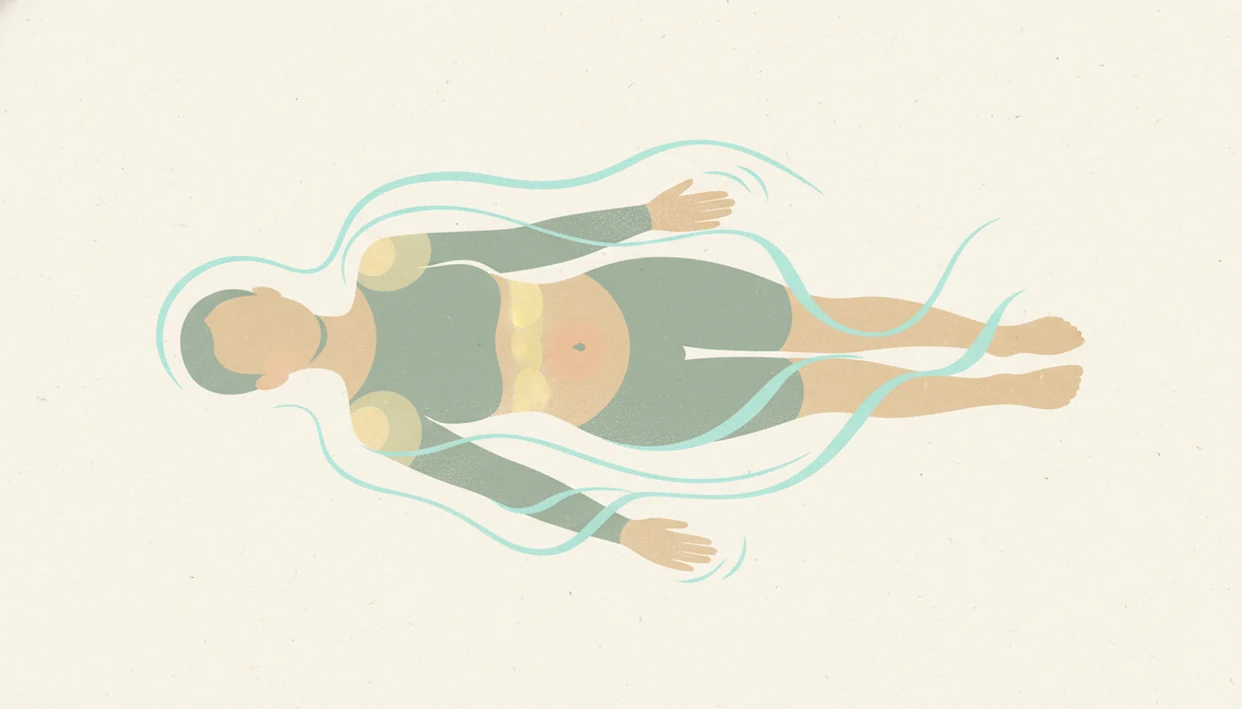
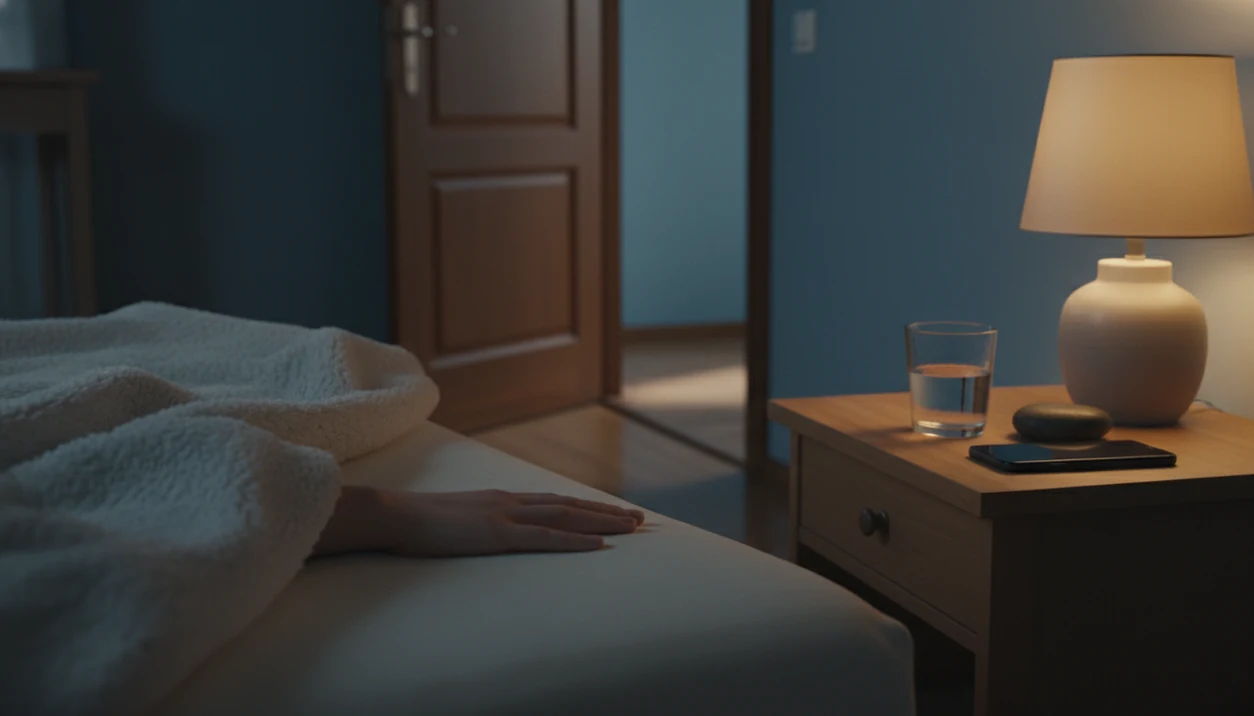
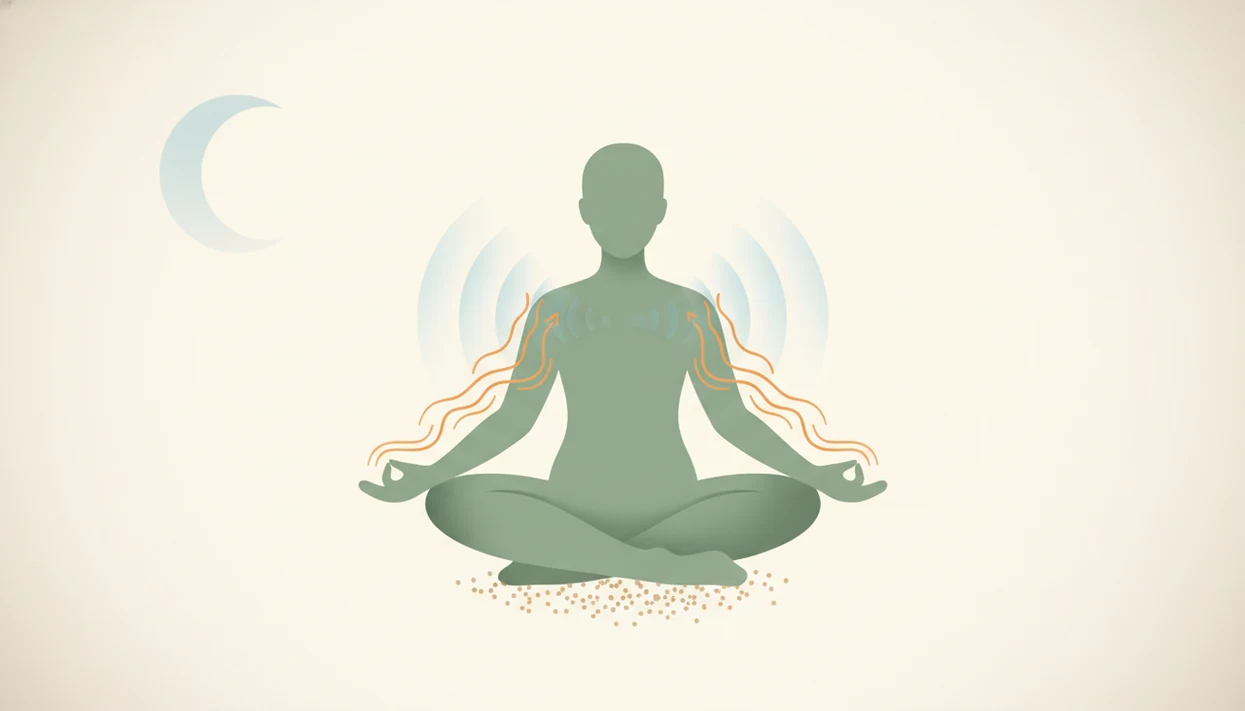
The bedtime fit is the main distinction. A hand resting on the blanket, shoulders slowly releasing, and a steady breath tell the real use case: someone wants a dependable track before restlessness takes over. Best Meditation App for Sleep is the clearest positioning here because MindTastik focuses on nighttime routines as well as daytime breathing.
For adults who need sleep support plus daytime anxiety resets, MindTastik covers both needs through a guided session library and a wind-down routine. It is not therapy, diagnosis, medication management, or crisis response. If sleep is the main problem, an app to help me sleep with guided audio may be the better comparison point than a general mindfulness app.
MindTastik for bedtime worry and short guided practice
MindTastik suits adults who want guided meditation, breathing exercises, sleep audio, and self-hypnosis in one app. Its sleep stories offer an alternative to breath counting when bedtime worry makes a structured exercise feel demanding. Short guided practices can also provide a daytime starting point.
A course-focused app may suit someone who prefers a fixed sequence of lessons. Persistent anxiety, recurrent panic, or substantial sleep disruption calls for clinical assessment rather than a larger audio library. MindTastik is not a medical treatment. The Healthy Minds Program vs MindTastik comparison can help clarify differences in structure, sleep support, and everyday use.
What anxiety meditation apps cannot assess or treat
A meditation app for anxiety support has real limits, and honest boundaries make it safer to use. Relief may be subtle. Some nights still feel long.
- Research shows modest improvements, so dramatic or immediate relief is unlikely for most users.
- Apps cannot assess suicide risk, diagnose anxiety disorders, prescribe medication, or respond during a crisis.
- Many studies have small samples and short follow-up periods, so long-term real-world effectiveness remains uncertain.
- Privacy policies vary, and sensitive mood or sleep data may be shared with third parties depending on the app.
- Some users feel guilty for “failing” to relax, which can make anxiety worse.
- Trauma histories, severe panic, dissociation, or uncontrolled insomnia may require clinical guidance before app-based practice.
- Apps are unsafe as the primary support for suicidal thoughts, severe daily impairment, or panic that feels unmanageable.
If your priority is safer bedtime support rather than replacing care, MindTastik is a fit because the routine stays focused on guided calming audio, breathing, and clear medical boundaries.
Match the first exercise to racing thoughts or body tension
| If you... | Try | Why | Note |
|---|---|---|---|
| Your thoughts speed up as soon as you pause | A short guided voice with one breathing cue | Fewer choices can make the first minute feel less demanding. | Skip long silent sessions at the start if silence makes rumination louder. |
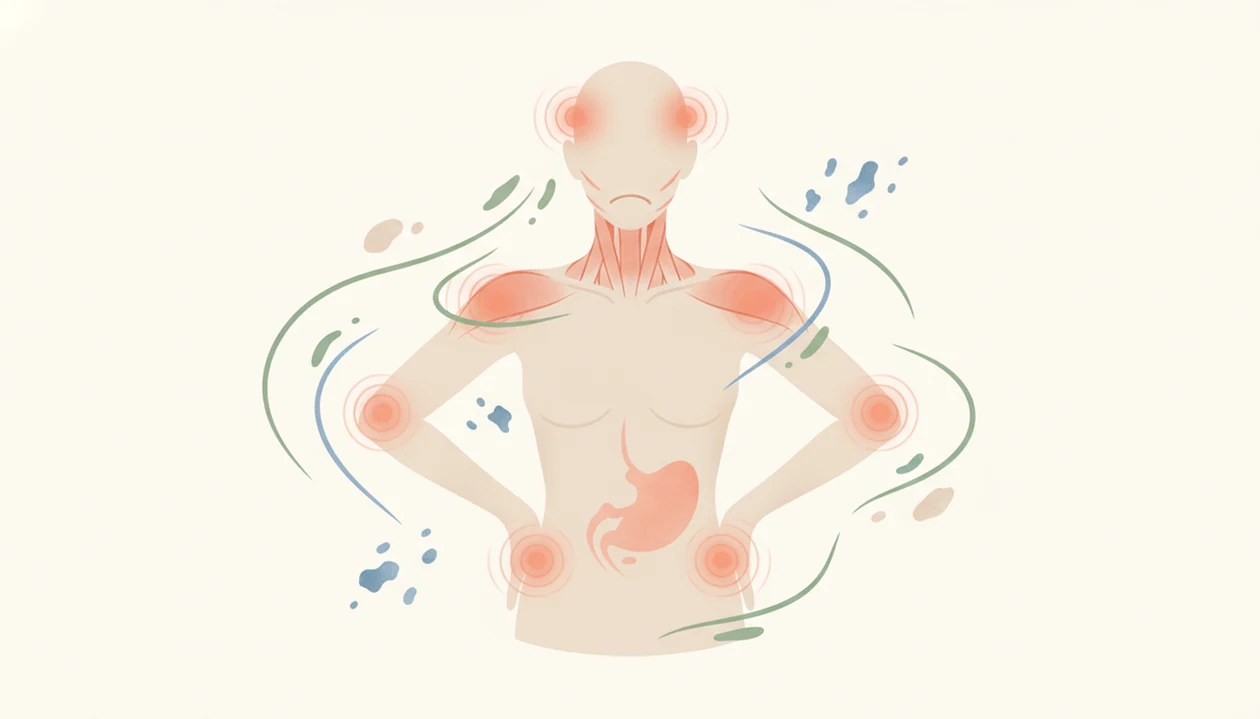
| Your anxiety shows up as tight shoulders or a clenched jaw | A shoulder drop followed by a counted exhale | A body-based cue gives attention something concrete to follow. | Keep the breath count comfortable rather than forcing a deep inhale. |
| You want support during a mid-day stress spike | A 3- to 5-minute reset with steady breath pacing | A brief session is easier to repeat and less likely to feel like another task. | Use it as support, not as a replacement for needed professional care. |
When breath counting or bedtime meditation makes anxiety worse
- If you want a single session to erase anxiety, an app may feel disappointing; it works best as a repeatable support tool.
- If counting the breath makes you more tense, choose grounding or a short guided voice instead of a strict breath count.
- If physical symptoms feel intense, new, or unsafe, pause the session and consider appropriate professional or urgent support.
- If long meditations become another performance goal, start with a three-minute reset and protect the habit first.
- If bedtime sessions make you analyze sleep too much, try an earlier evening practice before the tired brain takes over.
Questions about meditation apps for anxiety
Do meditation apps actually help anxiety?
Research finds small average improvements in anxiety compared with inactive controls. That makes an app a reasonable support tool for everyday worry, but not a guaranteed treatment. Benefits vary, and app studies have not shown a clear advantage over active therapeutic comparisons. Persistent or impairing anxiety needs professional assessment.
Which meditation app features are useful for anxiety?
Look for brief guided exercises, comfortable breathing cues, grounding, and clear limits on medical claims. A structured course can reduce browsing, while sleep audio may suit bedtime worry. The most useful feature is an exercise that fits the situation and can be repeated without increasing tension or becoming another performance task.
How long should a beginner meditate for anxiety?
A brief guided session of about five to ten minutes is a reasonable starting point. Shorter breathing or grounding exercises can fit a stressful moment. There is no established ideal duration for everyone, and longer is not automatically better. If a session feels overwhelming, stop rather than forcing completion.
Can a meditation app stop a panic attack?
Evidence for meditation apps specifically treating panic attacks is much thinner than evidence for general anxiety symptoms. A familiar grounding exercise may offer support, but an app cannot assess the cause of intense physical symptoms. Recurrent panic needs clinical assessment, and new or unsafe-feeling symptoms may require urgent medical help.
What if focusing on my breathing makes anxiety worse?
Breath attention or counting can feel uncomfortable for some people. Stop the exercise and consider grounding or a short guided voice instead of a strict count. Meditation can occasionally increase distress, especially with trauma-related symptoms. Repeated worsening is a reason to discuss the practice with a qualified mental-health professional.
Can meditation apps help with anxiety at bedtime?
Guided body scans, sleep stories, and low-stimulation audio can provide a repeatable bedtime activity when worry keeps attention busy. They do not guarantee sleep or treat the cause of persistent insomnia. If bedtime meditation leads to more sleep monitoring or frustration, an earlier evening practice may be a better fit.
When should anxiety be treated by a professional instead of an app?
Seek assessment when anxiety persists, disrupts sleep or daily functioning, causes recurrent panic, or leads to avoidance. Depression, trauma symptoms, and substance use also deserve professional attention. Severe or worsening symptoms should not be managed with an app alone. Suicidal thinking or inability to care for oneself requires urgent local crisis or emergency support.