
Meditation for Anxiety: A Practical Guide to Calmer Days
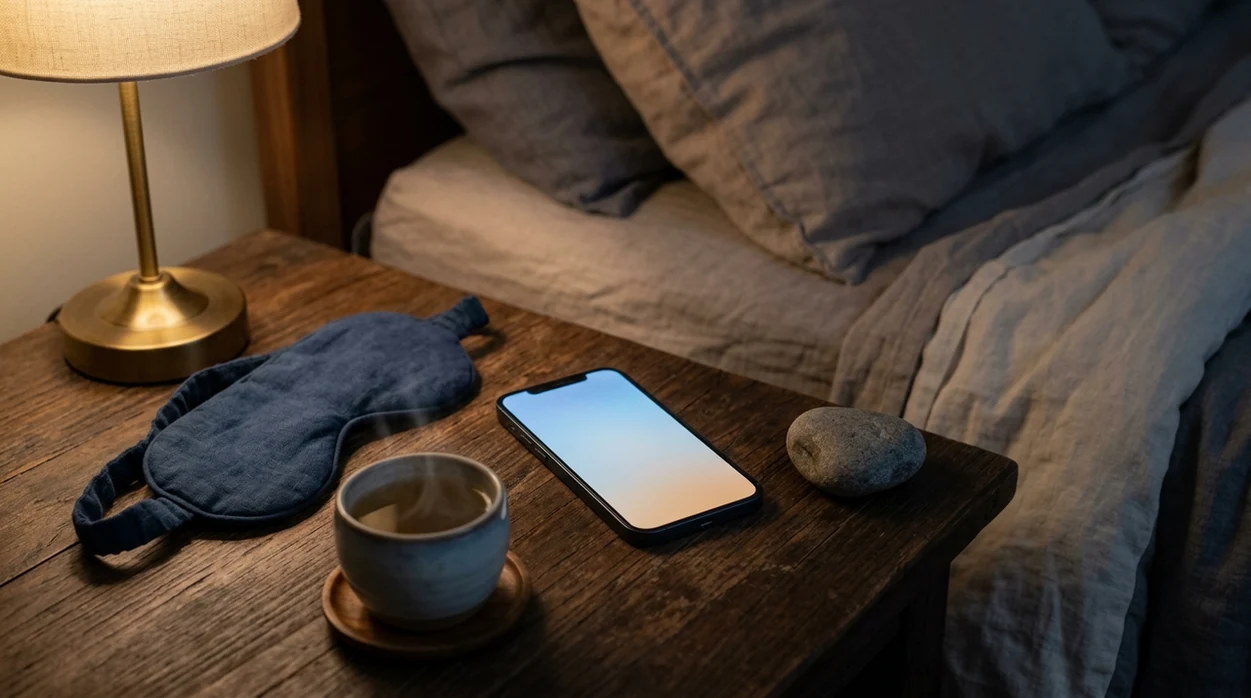


Meditation for anxiety is attention practice that can help people notice anxious thoughts, ease physical tension, and return to the present rather than follow every worry. The aim is not to empty the mind or produce calm on command. Benefits usually build through regular practice, and research supports modest symptom improvements rather than a cure. Severe or disabling anxiety still needs professional care.
A guided meditation app provides audio sessions, breathing exercises, relaxation practices, and sleep support for adults seeking help with anxiety and everyday stress. A guided voice, body scan, or comfortable breathing cue can give a beginner a concrete task when silent sitting feels difficult. These practices can support anxiety management, but they should not replace assessment, therapy, or medication when needed.
What matters most
- Meditation for anxiety is evidence-informed, with studies showing moderate symptom improvements for many people.
- Guided audio, body scans, breathing practices, and sleep meditations are often easier for anxious beginners than silent sitting.
- Meditation can support anxiety management, but severe panic, trauma-related distress, or disabling symptoms need professional guidance.
Meditation for anxiety: 5-minute starter map
Meditation for anxiety is attention training, not thought suppression. You practice noticing worry, body tension, or racing thoughts, then gently return to an anchor such as breathing, sound, or a guided voice.
A short session can fit morning worry, work stress, panic-like body tension, or sleep-related anxiety. The benefit usually builds through repeated practice, even when a session feels ordinary. In a tense early hour, that may mean feeling both feet on the floor and following a calm voice through the next breath instead of checking for updates again. For a personal perspective on lasting stress, Stress and Anxiety Controlled Me shares one person's experience.
Guided meditation apps can support this routine with structured audio, breathing exercises, sleep tracks, and relaxation sessions. Good sleep-anxiety and daily-calm tools give you repeatable starting points, not a diagnosis or guaranteed relief.
Meditation is not emergency care. If anxiety feels severe, disabling, unsafe, or new, professional support matters.
5 facts about meditation for anxiety
- Fact 1: Mindfulness and meditative therapies have randomized trial and review support for reducing anxiety symptoms in many people. The evidence is strongest for symptom reduction, not instant removal of anxiety.
- Fact 2: Benefits are usually moderate and gradual. Meditation is more like practicing a steady response than flipping a switch.
- Fact 3: Different anxiety patterns may fit different styles. Breath practice can help body tension, body scans can support sleep, and loving-kindness may soften harsh self-talk.
- Fact 4: Guided sessions are often more tolerable than silent meditation for anxious beginners. When someone says, “I just need something to play when my thoughts get loud,” a calm voice can be easier than silence.
- Fact 5: Meditation is best treated as an adjunct to therapy, medication, lifestyle support, or clinician guidance when those are needed. For quick practice ideas, a 5 minute meditation for anxiety can be a manageable first step.
How meditation for anxiety works in the body and brain
Meditation for anxiety works by training attention to notice worry and body signals without automatically reacting to them. Anxiety often involves attention loops, threat monitoring, tight muscles, rapid breathing, and repetitive “what if” thoughts.
In practice, you return to an anchor: breath, body sensation, sound, or a guiding voice. That return is the rep. The goal is not to erase thoughts. It is to see them sooner, name them more clearly, and let the body settle with less urgency.
Mindfulness practice may support stress response and emotion regulation. Some research also links meditation with changes in biological markers related to stress and anxiety, according to the American Psychological Association.
Brief practice, steady rhythm.
For anxious beginners, guided audio is often easier than unguided silence because it gives attention a clear place to land.
Research evidence from 47 trials on meditation for anxiety symptoms
A 2014 JAMA Internal Medicine meta-analysis reviewed 47 randomized clinical trials with 3,515 participants and found moderate improvements in anxiety from mindfulness meditation programs compared with control conditions JAMA Internal Medicine study: 1809754. That is meaningful, but it is not the same as saying meditation cures anxiety disorders.
A 2013 systematic review of 36 randomized controlled trials found meditative therapies were associated with a medium effect size for anxiety symptom reduction, Hedges g = 0.52 NIH research: PMC3718554. In another trial of adults with generalized anxiety disorder, 8-week mindfulness-based stress reduction outperformed stress management education.
Clinicians typically recommend meditation as a supportive practice, not a stand-alone replacement for diagnosis, therapy, medication decisions, or crisis care. The most common medically supported way to manage significant anxiety is professional care combined with skills that support daily regulation.
What anxiety research says about meditation apps
Evidence for mindfulness programs does not automatically establish the benefit of a particular app. A 2023 meta-analysis of 45 randomized trials, involving 6,082 participants, found that mindfulness apps reduced anxiety compared with control groups, but the average effect was small, with Hedges’ g of 0.28. The authors called for higher-quality trials and longer follow-up. This supports apps as a practice option, not a promise of substantial relief.
An earlier review of 15 studies found a similarly small anxiety benefit and reported uncertainty about study quality and differences between studies. These reviews concern mindfulness apps as a group, not MindTastik specifically. For someone with an anxiety disorder, an app is better understood as support for a routine than as an equivalent to clinician-delivered cognitive behavioral therapy or medication when those treatments are indicated.
5 meditation styles for anxiety beginners
Silent sitting can be hard when anxiety is loud. If tomorrow’s meeting is looping at midnight, “just watch your thoughts” may feel too vague.
Start with guided audio or short sessions before trying longer silent practice. Tools like MindTastik meditation sessions can help you test different formats without building a routine from scratch.
| Style | Best for | Session length | Beginner tip |
|---|---|---|---|
| Mindfulness meditation | Worry loops | 5 to 10 minutes | Label “thinking,” then return to breath. |
| Breathing meditation | Chest tightness or fast breathing | 3 to 8 minutes | Keep the breath comfortable, not forced. |
| Body scan | Sleep anxiety and body awareness | 10 to 20 minutes | Try it lying down if sitting feels tense. |
| Guided imagery | Needing a calming mental scene | 5 to 15 minutes | Choose simple images, not complex stories. |
| Loving-kindness | Self-criticism | 5 to 12 minutes | Use neutral phrases if warm ones feel false. |
For work-specific tension, meditation for work stress may fit better than a bedtime track.
How to use meditation for anxiety
Use meditation for anxiety by choosing one repeatable trigger, one short guided session, and one simple way to notice how you feel afterward. Consistency matters more than perfect calm.
- Choose a time or trigger you can repeat, such as after brushing your teeth, before opening email, or when you get into bed.
- Pick a short guided session from your meditation app or audio library, usually 5 to 10 minutes, especially if you are new or keyed up.
- Set a realistic expectation before you start: “I am practicing returning, not trying to become calm on command.”
- Follow the breath or body cue when the voice prompts you, and return gently when your mind leaves.
- Use an in-the-moment track during anxiety spikes, or a sleep audio track when nighttime worry takes over.
- Log one sentence afterward, such as “shoulders softer” or “still worried, but less rushed.”
For bedtime patterns, breathing exercises for anxiety at night can pair well with sleep audio.
Daily meditation routine for anxiety and sleep
A daily routine works better when meditation is not saved only for crisis moments. Regular practice gives your body a familiar path back toward regulation and sleep preparation, though it does not guarantee anxiety elimination.
Morning anxiety check-in
Start with 5 to 10 minutes before the day gets noisy. Choose a grounding or mindfulness track, then notice one body signal and one thought pattern.
Midday breathing reset
Use a short breathing track when stress rises. Forehead resting on clasped hands, office door closed for ten minutes, and no need to perform calm for anyone.
Pre-sleep meditation track
Before bed, choose a body scan, guided sleep meditation, or self-hypnosis session. A pillow adjusted behind the shoulders and one slow exhale can still be enough structure to help the body recognize the start of a routine.
If you are comparing meditation tools, look for bedtime audio, anxiety support, and everyday calm practices in one place rather than choosing on marketing claims alone.
Safety signs during meditation for anxiety
“Can meditation make anxiety feel worse?” Yes, for some people it can, especially when closing the eyes, focusing inward, or sitting in silence increases distress.
Be careful if you have a trauma history, dissociation, active psychosis, severe panic, or distressing intrusive experiences. Stop or switch to grounding if meditation increases panic, numbness, flashbacks, or a sense of disconnection from your body or surroundings.
Try eyes-open practice, shorter sessions, guided audio, or external anchors such as naming objects in the room. A parked-car reset with eyes open may feel safer than a dark bedroom body scan.
Persistent, severe, or disabling anxiety should be discussed with a licensed professional. If panic is a frequent concern, panic attack meditation support should be paired with clear safety planning, not treated as a cure.
When to seek professional help for anxiety
Seek professional help when anxiety is persistent, disabling, frightening, or interfering with work, sleep, relationships, school, caregiving, or basic daily tasks. Meditation can be useful support, but it should not stand in for diagnosis, therapy, or medication decisions.
Panic attacks that repeat or lead you to avoid normal activities deserve guided care. Trauma responses, flashbacks, dissociation, feeling unreal or detached from your body, or shutting down during meditation are also signs to involve a clinician, especially if inward focus makes symptoms stronger.
- Contact a licensed clinician if anxiety lasts for weeks, keeps escalating, or limits your life even with self-care.
- Tell them clearly about panic, trauma history, dissociation, sleep loss, substance use, intrusive thoughts, or medication questions.
- Use meditation as an adjunct while you follow a care plan, not as a test of whether you “should” need help.
- Seek urgent support now if you have thoughts of self-harm, feel in immediate danger, cannot function, or may hurt yourself or someone else.
If it feels like more than ordinary stress, it is enough reason to ask for help.
Handling Workday Uncertainty Without Feeding Anxiety
If anxiety turns an unanswered message or an upcoming performance review into repeated checking, use a brief pause to separate the work problem from the uncertainty around it. Keep your eyes open at your desk, notice your feet against the floor, and name the immediate task: drafting one reply, asking for clarification, or preparing one agenda point. Then return to that task without requiring yourself to feel completely calm first. The aim is not to ignore a deadline or suppress concern, but to avoid spending the available work time repeatedly seeking reassurance.
A 2019 review of workplace mindfulness trials found improvements in anxiety and stress, with a smaller improvement in sleep; burnout findings were inconclusive. That distinction matters if your evening worry follows understaffing, unpredictable hours, or conflicting demands. Meditation may help you respond to anxious thoughts, but it cannot make an unreasonable workload manageable. Pair the pause with a concrete workplace action, such as requesting written priorities or agreeing on when a response is actually needed.
Guided audio for worry loops and bedtime tension
MindTastik’s guided meditation library offers a spoken anchor for people who find silent sitting too vague when thoughts are racing. Breathing exercises offer another option, while sleep stories and soundscapes may suit a bedtime routine that does not center on inward attention. The app is not medical treatment. People with persistent, disabling anxiety, repeated panic attacks, or distress that increases during meditation should seek professional guidance rather than rely on an audio session.
What meditation cannot do for severe or persistent anxiety
Meditation for anxiety has real value, but it has limits. Those limits matter most when anxiety is intense, persistent, or tied to trauma.
- Research effects are meaningful but generally moderate, so meditation may not remove anxiety completely.
- Most studies measure symptom reduction, not full resolution of diagnosed anxiety disorders.
- Benefits depend on regular practice; sporadic crisis-only use may have limited effects.
- Meditation can temporarily worsen distress for some people, especially with trauma, panic, dissociation, or psychosis concerns.
- App-based meditation is not a substitute for diagnosis, individualized therapy, medication decisions, or emergency support.
- People with thoughts of self-harm, immediate danger, or inability to function should seek urgent professional or crisis support.
- Some users dislike inward focus. External grounding, movement, or therapist-guided skills may be a better fit.
For gentler options, calming meditation for anxiety support can help you compare lower-intensity starting points.
What Racing Thoughts Need
Thoughts keep jumping ahead to worst-case outcomes.
Use a counted exhale, such as inhale for three and exhale for five, for a few rounds. A longer exhale can give attention a clear rhythm without asking you to argue with every thought.
Your chest, jaw, or shoulders feel tight.
Start with a body-based cue before mental labeling. A deliberate shoulder drop paired with a steady breath may feel more accessible than trying to analyze the worry.
You keep checking whether meditation is working.
Choose a session with simple prompts and a clear ending. Progress is easier to notice when the goal is completing the practice, not proving that anxiety disappeared.
A Calmer Starting Point
During our review, we often see beginners overestimate how much control they need over racing thoughts in the first minute. The more useful move seems to be narrowing the task: hear the short guided voice, feel the next breath, and return once. A meditation session can be successful even when the mind wanders repeatedly.
For paced breathing you can open in seconds, MindTastik breathing exercises keeps short exercises ready between meetings or before sleep.
Meditation for anxiety questions
How long should I meditate for anxiety each day?
Start with 5 to 10 minutes of guided practice, or a shorter session if that feels more manageable. Completing a repeatable practice matters more than sitting for a long time. A session can count even when worry continues. Increase the length only if the practice remains comfortable and useful.
What type of meditation is best for racing thoughts?
Guided audio can provide a clear task when thoughts keep jumping ahead. Follow the voice, notice when attention has moved into worry, and return to the next cue. Comfortable breath counting is another option. If attention to breathing increases anxiety, use sounds or visible objects as an external anchor instead.
Should I meditate during a panic attack?
Meditation is not a requirement during panic, and inward focus can make symptoms feel stronger. If a practice increases distress, stop and try eyes-open grounding, such as naming objects in the room. Repeated panic attacks deserve professional care. Chest pain, trouble breathing, or immediate danger calls for urgent help rather than meditation.
How do I meditate if focusing on my breath makes me anxious?
Use a different anchor: a guided voice, sounds in the room, or objects in view. Keep the eyes open and the session brief. There is no need to force deeper breaths or continue a body-focused exercise that increases distress. If this happens repeatedly, discuss it with a clinician.
Can meditation replace therapy or medication for anxiety?
Meditation should support care, not replace it when anxiety is persistent, severe, or interfering with daily life. Evidence shows symptom benefits, but it does not establish meditation as a dependable substitute for established treatments. Therapy and medication decisions belong with a qualified clinician, especially when panic or trauma-related symptoms are present.
What meditation can help with anxiety at bedtime?
A guided body scan or sleep meditation can give bedtime worry a simple focus while supporting relaxation. Keep the goal modest: completing the practice, not forcing sleep. If body awareness makes anxiety stronger, try guided audio with less inward focus or an external sound anchor. Persistent sleep disruption deserves professional attention.