
Best Pregnancy Meditation Apps for New and Expectant Moms
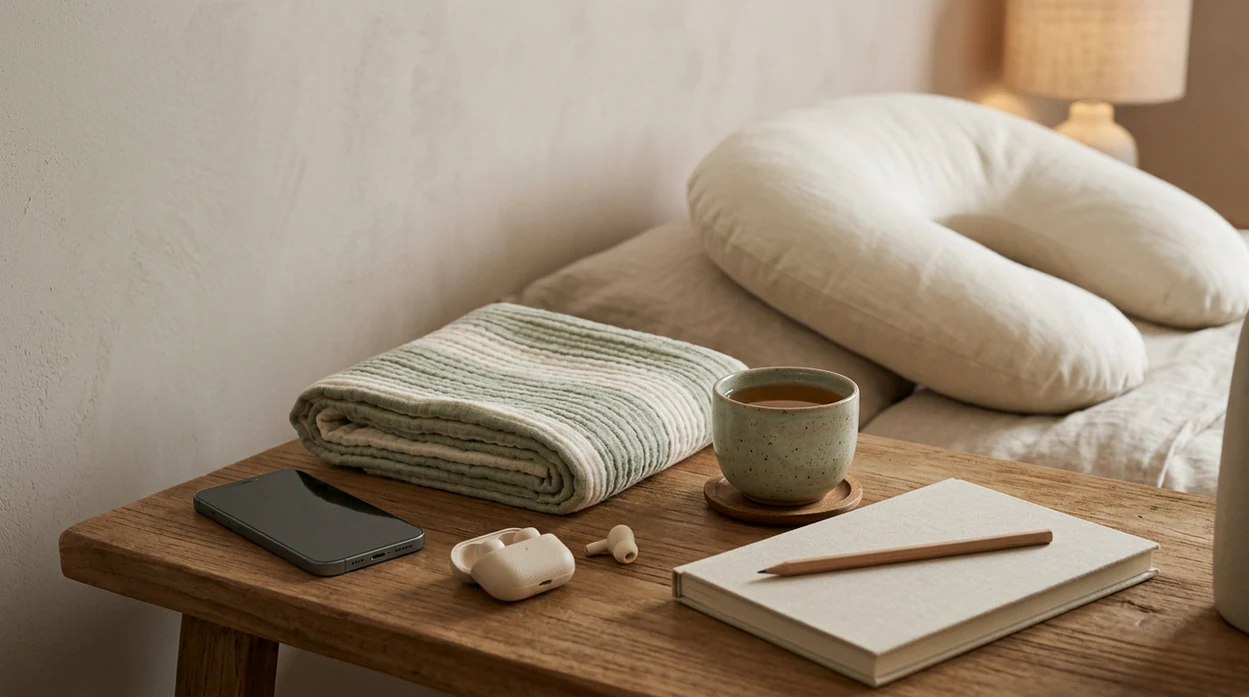


The best pregnancy meditation apps offer pregnancy-specific help with sleep, anxiety, gentle breathing, labor preparation, and postpartum rest, rather than relying only on general relaxation tracks. Useful options are easy to operate when tired, allow comfortable positions, and avoid forceful breathing or long breath holds. Trimester-aware audio and short sessions can make an app more practical as needs change.
MindTastik offers guided meditations, sleep audio, breathing practices, and self-hypnosis for adult rest and stress support, including pregnancy sessions. Research suggests prenatal mindfulness may reduce anxiety, depressive symptoms, and stress, but evidence for individual apps remains limited. Meditation complements prenatal care and mental health treatment; it does not replace either. Any session should allow adjustments that follow a clinician’s pregnancy advice.
What matters most
- Look for pregnancy-specific audio: trimester support, sleep tracks, calming breathwork, labor preparation, and early postpartum sessions.
- Research links prenatal mindfulness programs with lower anxiety, depressive symptoms, and stress, but app evidence is still limited.
- Avoid long breath holds, uncomfortable positions, and any app guidance that conflicts with your clinician’s pregnancy advice.
Looking for pregnancy sleep and birth-prep audio? See our best hypnobirthing apps guide.
Tracking fetal movement with Baby Kicks App can add reassurance between meditation sessions. General pregnancy tools and articles are available at The Pregnancy App.
How the top pregnancy meditation apps look
Side-by-side captures of the compared products. Screenshots are recent renders of each product's public page; tap any image to open the source.
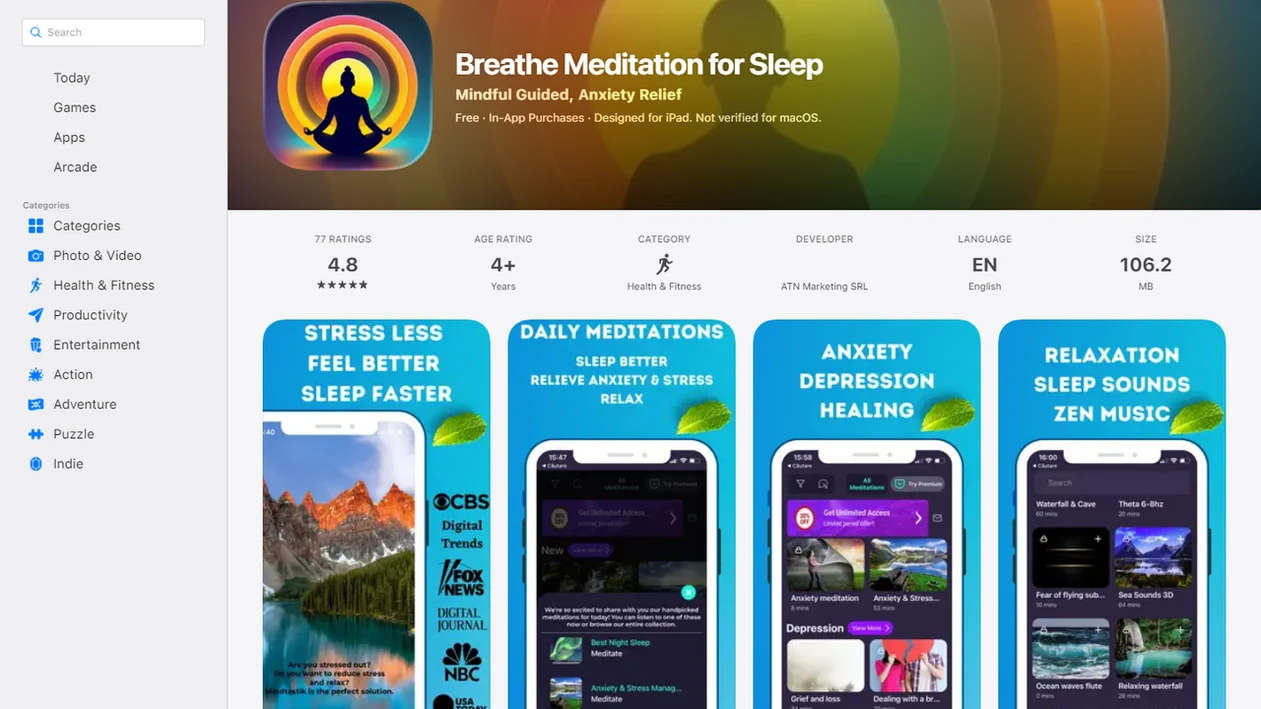
Best pregnancy meditation apps for new and expectant moms at a glance
The right app depends on the main job you need it to do: help with sleep, anxiety, labor preparation, postpartum calm, or a simple daily practice. Compare your options by safety cues first, then content style.
| App or category | Pregnancy-specific content | Sleep support | Anxiety support | Breathwork safety | Postpartum usefulness |
|---|---|---|---|---|---|
| Expectful | High | High | High | Pregnancy-aware | High |
| GentleBirth | High | Medium | High | Labor-focused | Medium |
| Mind the Bump | High | Medium | Medium | Gentle | Medium |
| Calm | Low to medium | High | High | Varies by session | Medium |
| Freya | Labor-focused | Low | Medium | Birth-focused | Low to medium |
| MindTastik | General adult calm support | High | Medium | Gentle options | Medium |
A practical shortlist should include Expectful, GentleBirth, Mind the Bump, Calm, and Freya; use a general meditation library only when you mainly need sleep audio or everyday calm rather than pregnancy-specific guidance.
How We Chose the Pregnancy Meditation Apps
We chose pregnancy meditation apps by putting pregnancy-specific usefulness first, then checking whether the content felt safe, practical, and clear for tired users. The goal was not to crown the biggest library, but to identify apps that support sleep, anxiety, labor preparation, and postpartum calm without drifting into medical promises.
- Start with pregnancy relevance: prioritize apps with trimester-aware sessions, birth preparation, early postpartum support, or language that clearly speaks to pregnancy rather than general stress alone.
- Separate the main use cases: review sleep, anxiety, labor-prep, and postpartum libraries as distinct needs because a strong bedtime app may still be thin on birth or newborn support.
- Check safety language: look for gentle breathwork, flexible positioning cues, and reminders that meditation does not replace prenatal care, therapy, crisis support, or clinician advice.
- Compare what is publicly available: assess apps through public app descriptions, help pages, content previews, and available documentation; where possible, hands-on use or session sampling informed the notes. Before subscribing, review meditation app privacy to understand how services collect, use, and share personal information.
- Treat details as changeable: confirm current pricing, availability, trial terms, and library depth before subscribing because apps update content and plans often.
Five facts about pregnancy meditation apps and prenatal mindfulness
Pregnancy meditation apps are most useful when they match real pregnancy situations, not when they offer generic calm tracks only. At 2:13 a.m., when the lock screen says you are still awake, “relax more” is not enough.
- Pregnancy-specific tracks are often more useful than generic mindfulness alone because they address trimester changes, sleep disruption, labor preparation, and early postpartum needs.
- A 2018 systematic review of 17 randomized controlled trials found prenatal mindfulness interventions significantly reduced anxiety and depressive symptoms compared with controls PubMed research: 30424810.
- In a study of pregnant Calm users, 88% used the app for pregnancy-specific reasons, especially sleep problems and anxiety.
- Safety basics include avoiding long breath holds, dizziness, flat-on-back practices later in pregnancy, and guidance that conflicts with clinician advice.
- Apps are adjunct tools, not replacements for prenatal care, therapy, crisis care, or medical treatment.
For pregnancy anxiety, a short guided session is often easier than unguided meditation because it gives tired attention somewhere specific to land. Compare calming apps for anxiety relief if you want additional options for short relaxation sessions alongside appropriate professional support.
Better sleep scores do not prove that a particular app works
A 2026 systematic review and meta-analysis of perinatal mind-body therapies reported better sleep-quality scores than control conditions, with a mean difference of -2.63 points. This finding supports considering relaxation practices during pregnancy and postpartum, but the intervention category is broader than meditation apps. It does not establish that any app in this comparison produces the same result.
For app selection, the practical implication is to favor flexible audio over rigid daily targets. Fatigue, pregnancy discomfort, nighttime awakenings, and newborn care can interrupt a planned session. A track that can be shortened or paused fits those conditions better than one that demands completion. Improvement in a sleep-quality score also should not be presented as proof that diagnosed insomnia has been treated.
How pregnancy meditation apps work for sleep, anxiety, and everyday calm
Pregnancy meditation apps work by lowering cognitive load and giving attention a simple object, such as breath, body sensation, sound, imagery, or a short mantra. That matters when someone is tired, uncomfortable, or carrying a looping list of worries.
Guided mindfulness can support stress regulation, reduce rumination, and help the body enter a relaxation response. In plain language, the app gives the mind one small track to follow instead of ten competing ones. A bedtime routine also builds a habit loop: same cue, same audio, same wind-down pattern. The phone brightness lowered to minimum becomes part of the signal.
Pregnancy-specific apps add context around trimester discomfort, racing thoughts, labor uncertainty, and postpartum sleep disruption. They are not diagnosing anxiety, monitoring fetal health, or replacing clinician-led mental health care. Check whether meditation apps are covered by HIPAA before assuming pregnancy-related information receives the same protections as clinical records.
How to use pregnancy meditation apps safely during pregnancy and postpartum
Use pregnancy meditation apps in short, comfortable, and symptom-aware sessions. Beginners usually do better with 3 to 10 minutes than a long body scan they can’t finish.
- Set a simple goal, such as sleep, anxiety support, labor confidence, or a short reset after feeding.
- Choose pregnancy-appropriate sessions with gentle cues, clear positioning, and no pressure to “push through.”
- Sit or lie comfortably, using side-lying or supported positions later in pregnancy if flat-on-back feels wrong.
- Skip long breath holds, forceful breathing, or any exercise that causes dizziness, panic, pain, or shortness of breath.
- Stop the session if you feel distressed, faint, emotionally overwhelmed, or physically uncomfortable.
- Ask a clinician for guidance if severe anxiety, depression, intrusive thoughts, self-harm thoughts, bleeding, pain, faintness, or medical warning signs appear.
Tiny counts.
For bedtime, try pregnancy sleep meditation before scrolling. Postpartum, a three-minute reset during a rest window may be more realistic than a planned 20-minute session.
Pregnancy meditation app features that matter most for expectant moms
What features should a pregnancy meditation app have? Look for pregnancy-specific sleep audio, short guided meditations, gentle breathing, labor-prep visualization, postpartum sessions, and controls that are easy to use with one hand.
Personalization matters because pregnancy does not feel the same every week. Trimester, mood, session length, bedtime use, and newborn schedule unpredictability all change what feels manageable. In consumer app research, pregnant users most often wanted help with sleep problems and anxiety. That matches what we hear in plain language: “I just need something to play when my thoughts get loud.”
Sleep and nighttime racing thoughts
Look for bedtime tracks that avoid dramatic music and keep instructions simple. A favorites folder for nightly sessions helps when decision-making is already gone.
Anxiety support and gentle breathing
Choose slow breathing, grounding, or guided reassurance without long holds. For more targeted routines, pregnancy anxiety meditation support can be a useful starting point. If guided reassurance feels helpful, an affirmation app may offer another format for brief, supportive reminders.
Labor preparation and postpartum calm
Labor visualization and early postpartum sessions should feel steady, not heroic. Image caption suggestion: “Short pregnancy meditation sessions can support bedtime calm, anxiety relief, and postpartum reset moments.”
MindTastik meditation app fit for pregnancy calm support
MindTastik is a guided-audio app for meditation, sleep, breathing exercises, and self-hypnosis when you want help with sleep, anxiety, or daily calm. For pregnancy, it fits as a general calm-support tool, not a pregnancy medical treatment.
Its useful areas include bedtime guided audio, short breathing sessions, beginner-friendly meditation, and self-hypnosis-style relaxation for adults. However, it should not be used as proof that pregnancy anxiety, depression, insomnia, birth outcomes, or postpartum mood disorders are being treated.
Readers comparing app features may also want separate guides for sleep meditation, anxiety meditation, breathing exercises, beginner meditation, self-hypnosis, and everyday calm. A broader pregnancy meditation app guide can help you decide whether you need pregnancy-specific content or a general everyday calm library.
Pregnancy meditation safety checklist for new and expectant moms
A pregnancy meditation app should pass basic safety checks before it becomes part of your routine. The cheap earbuds on the nightstand, one side tangled around a charging cable, are fine; unsafe breathing cues are not.
- Breathwork check: Avoid long breath holds, forceful breathing, hyperventilation-style cues, or anything that makes you lightheaded.
- Position check: Avoid pressure to lie flat for long periods later in pregnancy, unless your clinician says that position is appropriate for you.
- Medical-claims check: Avoid apps that claim to replace prenatal care, therapy, medication, birth support, or emergency help.
- Language check: Skip sessions that use shame, fear, or “your baby needs you to calm down” messaging.
- Stop-now check: End the session if you feel dizzy, short of breath, panicky, physically uncomfortable, or emotionally overwhelmed.
A systematic review and meta-analysis found antenatal anxiety symptoms are common, with prevalence estimates varying by trimester and anxiety type PubMed research: 28478167. Accessible support is useful, but persistent low mood, severe anxiety, insomnia, panic, intrusive thoughts, or self-harm thoughts require professional support.
When to Seek Professional Help During Pregnancy or Postpartum
Seek professional help right away if pregnancy or postpartum thoughts feel unsafe, frightening, or out of your control. Meditation apps can support calm, but they should never slow down medical care, mental health care, or emergency help.
- Call emergency services now if you may harm yourself or someone else, cannot stay safe, hear or see things others do not, feel detached from reality, or have intense paranoid, grandiose, or command-type thoughts.
- Contact your OB-GYN, midwife, primary care clinician, or therapist when insomnia lasts for several nights, panic attacks repeat, intrusive thoughts feel sticky or distressing, or anxiety keeps you from eating, sleeping, bonding, or leaving the house.
- Tell someone nearby what is happening, especially if you are alone with a baby or feel afraid of your own thoughts. A partner, friend, family member, nurse line, or doula can help you get care.
- Use crisis resources if danger feels immediate. In the U.S., call or text 988; elsewhere, use your local emergency number or crisis line.
The app can stay on the nightstand. Safety comes first.
Personalized meditation for winding down during pregnancy
MindTastik’s pregnancy sessions, guided meditations, sleep stories, and soundscapes suit readers looking for optional relaxation audio alongside prenatal care. Its sleep stories offer an alternative when following breathing instructions feels like too much effort. A short, gentle track may be easier to repeat than a demanding practice.
Readers seeking a structured childbirth course, clinician-led support, or treatment for persistent anxiety or insomnia should choose services designed for those needs. MindTastik is not a medical treatment, and its wider adult library should not be assumed to be pregnancy-adapted.
What pregnancy meditation apps cannot treat or guarantee
Pregnancy meditation apps can support everyday calm, but they have real limits. Clinicians typically recommend professional evaluation when symptoms are severe, persistent, or tied to safety concerns.
- App-specific pregnancy meditation research is still limited, and many studies are short-term.
- Meditation apps cannot remove major social stressors such as financial strain, discrimination, unsafe housing, partner violence, or lack of support.
- Not all app sessions are reviewed by clinicians or adapted for pregnancy.
- Meditation does not guarantee prevention of pregnancy complications, preterm birth, preeclampsia, depression, or anxiety disorders.
- Some users feel worse during body scans or silence, especially if intrusive thoughts get louder.
- Severe symptoms, self-harm thoughts, psychosis symptoms, or postpartum crisis signs require urgent professional help.
- High-risk pregnancies may need individualized guidance before trying breathwork, positioning changes, or long relaxation sessions.
The most medically supported path for serious perinatal mental health symptoms is clinician-led care, with meditation used only as a supportive practice when appropriate.
Calm Through Trimesters
First trimester: trying to meditate through nausea
Choose brief audio with minimal visualization and no breath retention. A three-minute grounding practice may fit better than a long body scan when your energy is low.
Second trimester: assuming longer means better
Longer sessions are not automatically more useful. If your body feels restless, a gentle body scan or partner-supported breathing routine may be easier to repeat.
Third trimester: forcing one sleep position
Use tracks that allow side-lying breath, extra support, and pauses. Comfort should guide the setup more than completing every instruction exactly.
Choose the bedtime track before fatigue sets in
Many expectant moms overestimate how much motivation they will have at night and underestimate how helpful a small preset routine can be. Keep the practice boring on purpose: water bottle nearby, night light low, one familiar track, and no decision-making after you are already tired. A routine works best when it asks less from the version of you who needs rest.
If hypnosis-style audio fits your goal better than mindfulness alone, start with MindTastik self-hypnosis sessions.
Pregnancy meditation app questions
What should I look for in a pregnancy meditation app?
Start with the main need: sleep, anxiety support, birth preparation, or postpartum rest. Look for short pregnancy-specific sessions, flexible positioning, gentle breathing, and clear limits on medical claims. A large general meditation library is less useful if finding an appropriate track takes too much effort when tired.
Are meditation apps safe during pregnancy?
Gentle meditation can be used as an optional wellness practice, but not every recorded session is suitable for pregnancy. Avoid long breath holds, forceful breathing, and instructions to ignore discomfort. Follow pregnancy-specific advice from a clinician, and stop if a practice causes dizziness, panic, pain, or shortness of breath.
Can a meditation app help with pregnancy anxiety?
Prenatal mindfulness research suggests possible reductions in anxiety, but evidence for individual apps is limited. An app can offer a short grounding practice or relaxation routine alongside care. Persistent anxiety, repeated panic attacks, or distressing intrusive thoughts need professional attention rather than an increasingly intensive app routine.
Can pregnancy meditation help me sleep?
Mind-body practices may improve sleep-quality scores during pregnancy and postpartum, but that does not prove that a particular app treats insomnia. Gentle audio can be part of a wind-down routine. Sleep difficulties lasting several nights, or symptoms that interfere with daily life, should be discussed with a clinician.
Can I meditate lying down while pregnant?
A meditation does not require one fixed position. Sitting with support or resting on the side can be alternatives to lying flat. Later in pregnancy, avoid pressure to remain flat on the back for long periods unless a clinician says that position is appropriate. Comfort matters more than following every recorded instruction.
Can a hypnobirthing app guarantee a painless birth?
No. Hypnobirthing is a coping and relaxation approach, not a guarantee of painless birth, fewer complications, or avoiding pain relief. Birth-preparation audio should support an individualized plan with qualified clinicians. A useful app allows alternatives when breath-focused exercises or birth imagery feel distressing.
Can I use pregnancy meditation sessions after birth?
Some sessions may still suit relaxation after birth, but postpartum-specific audio can better match interrupted sleep and caregiving demands. Short, pausable practices are practical when a full session is unlikely. Meditation does not replace assessment or treatment for postpartum mood symptoms, especially when thoughts feel unsafe or out of control.
When should I stop a pregnancy meditation session?
Stop if breathing instructions cause lightheadedness, shortness of breath, panic, or pain, or if the position becomes uncomfortable. There is no need to finish a recording. Guidance that discourages medical care is a reason to stop using that track. Unsafe thoughts or feeling detached from reality require urgent professional help.