
The Best Pregnancy Meditation for Moms to Be



Pregnancy meditation is a short, comfortable guided practice used to support calm, rest, bonding rituals, and preparation for labor. A practical starting point is 5 to 15 minutes of gentle breathing, a body scan, visualization, or affirmations. The best fit is audio with unhurried instructions that can be followed while seated, supported in a reclined position, or side-lying, without strain or pressure to finish.
Comfort matters more than completing a session. Avoid long breath holds, forceful breathing, and extended periods flat on the back after the first trimester unless a prenatal clinician advises otherwise. Meditation can be part of a bedtime routine or a quiet break during the day, but it is support for coping, not a replacement for prenatal care or mental health treatment.
The essentials
- Choose gentle guided audio, body scans, breathing, visualization, or affirmations that feel comfortable in your body.
- Avoid long breath holds and long periods flat on your back after the first trimester unless your clinician says otherwise.
- Use pregnancy meditation as a support for calm, sleep, and coping, not as a replacement for prenatal or mental health care.
For a structured hypnobirthing audio library, browse our best hypnobirthing apps comparison.
If kick counts matter for your care plan, babykicks.app makes logging quick. General pregnancy tools and articles are available at pregnancyapp.com.
How the best pregnancy meditations look
Side-by-side captures of the compared products. Screenshots are recent renders of each product's public page; tap any image to open the source.
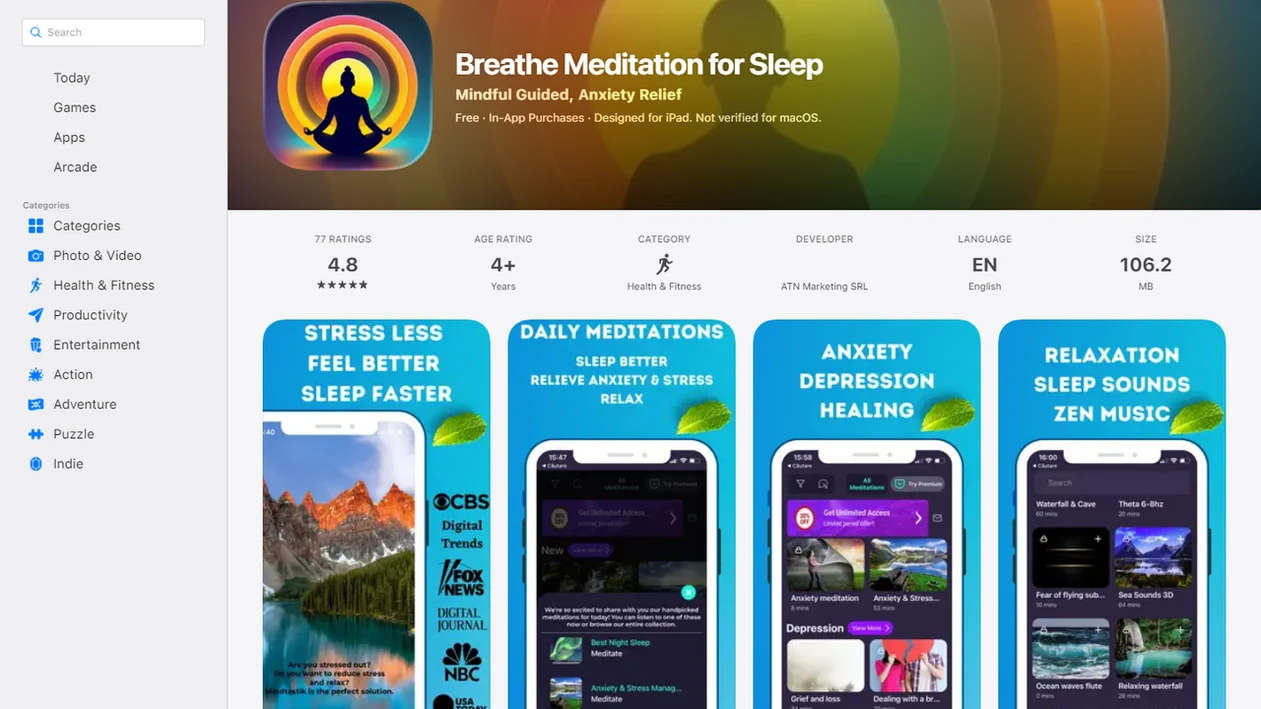
The Best Pregnancy Meditation for Moms to Be at a Glance
A strong pregnancy meditation is a gentle guided session that can be done seated, reclined, or side-lying. It should give you something simple to follow when your body feels busy and your thoughts keep circling.
| Meditation type | Best use case | Ideal length | Safety note |
|---|---|---|---|
| Guided pregnancy audio | Sleep, anxiety, everyday calm | 5-15 minutes | Choose calm pacing and pregnancy-aware cues |
| Body scan | Tension, restlessness, bedtime | 10-20 minutes | Use side-lying later in pregnancy |
| Belly breathing | Quick reset, mild stress | 3-8 minutes | Avoid breath holds or forceful breathing |
| Baby-bonding visualization | Connection and reassurance | 5-12 minutes | Stop if imagery feels upsetting |
| Birth affirmations | Labor confidence, fear support | 3-10 minutes | Keep phrases realistic and grounding |
For many moms, a pregnancy meditation app makes the choice easier. MindTastik meditation can be a practical way to find ready-made tracks for sleep, anxiety support, and everyday calm.
Keep it simple.
5 Facts About the Best Pregnancy Meditation for Moms to Be
Pregnancy meditation for moms to be should be gentle, repeatable, and easy to stop if your body says no. These five facts are the safest place to begin.
- Pregnancy meditation is generally safe for many uncomplicated pregnancies when the practice stays comfortable and non-forceful.
- Short daily practices of 5-15 minutes can be enough to build a steady habit.
- Research suggests mindfulness-based pregnancy programs can reduce anxiety, depressive symptoms, perceived stress, sleep problems, and fear of childbirth.
- Comfort matters: avoid long breath holds and extended flat-back positioning later in pregnancy unless your clinician clears it.
- Meditation may support sleep, mood, baby bonding, and labor coping, but it does not guarantee medical outcomes.
For moms to be, gentle consistency is usually more useful than a long session that feels like one more task. The chair cushion under a stiff back may tell you more than the timer does.
What the research supports, and what remains uncertain
Evidence for pregnancy mindfulness is promising, but results differ across studies. A 2017 review of mindfulness interventions during pregnancy found possible benefits for anxiety, depression, and perceived stress, while pooled randomized trials did not consistently show significant differences from control groups. This distinction matters: improvement during a program does not necessarily mean the program caused it.
A 2025 review of nine randomized trials, involving 1,024 participants, found a statistically significant reduction in anxiety with mindfulness-based interventions. Effects on depression, stress, and mindfulness remained uncertain because the studies varied substantially. These findings concern structured interventions, so they should not be treated as proof that any short pregnancy audio track will produce the same results.
The cited reviews do not provide strong evidence that affirmations alone, partner-supported meditation, or guided-app use specifically improves sleep, bonding, or nausea-related distress. A study of pregnant Calm app subscribers was observational, not a randomized comparison, and cannot establish that the app caused improvements. These practices can still serve as comfortable routines, without promises about maternal or infant outcomes.
How Pregnancy Meditation Works for Sleep, Anxiety, and Everyday Calm
Pregnancy meditation works by guiding attention toward breath, body sensation, sound, or imagery so the nervous system has fewer cues to chase. Slower breathing, body scanning, and repetition can downshift arousal, which means the body gets fewer “stay alert” signals.
Pregnancy adds specific stress loops. Sleep disruption, body discomfort, birth fears, and intrusive worry can all show up at once. At 2:13 a.m., checking the lock screen and realizing you’re still awake can make the mind even louder.
App-based meditation helps by reducing decision fatigue. Structured audio cues, consistent timing, and repeatable routines remove the need to plan from scratch. A 2019 meta-analysis of 13 randomized trials found small to moderate improvements in anxiety and depression during pregnancy mindfulness interventions (PubMed research: 30731300), and randomized pregnancy mindfulness trials have reported reductions in anxiety, stress, depressive symptoms, fear of childbirth, and sleep issues (PubMed research: 24290721).
How to Use MindTastik Meditation During Pregnancy
Use pregnancy meditation as a short, comfortable routine, not a test of focus. If you’re choosing between a 5-minute breathing exercise and a 20-minute body scan, start with the one your body would actually tolerate today.
- Choose a comfortable position seated, reclined, or side-lying depending on trimester, nausea, back pressure, and belly comfort.
- Select the right track for the moment, such as sleep audio, gentle breathing, anxiety support, bonding, or birth affirmations.
- Set a short timer for 3-5 minutes at first, then build toward 10-15 minutes if it feels helpful.
- Breathe gently through the session without holding your breath or trying to deepen every inhale.
- Log what helped in one phrase, such as “side-lying body scan worked” or “affirmations felt too much.”
- Stop immediately if you feel dizzy, breathless, panicky, painful, unusually unwell, or if symptoms worry you.
Tools like MindTastik can help organize the routine, but comfort still leads the plan.
Pregnancy Meditation Guide by Trimester
“What pregnancy meditation should I use by trimester?” The best choice changes with your symptoms, energy, and sleep position, so match the practice to what your body is handling right now.
First trimester calming tracks
In the first trimester, nausea, fatigue, and uncertainty often call for very short calming tracks from bed or the couch. A 3-minute breath practice may be enough, especially if sitting upright feels better than lying down. For nausea-heavy days, morning sickness relaxation meditation can be a gentler starting point.
Second trimester baby-bonding practice
In the second trimester, many moms prefer body awareness, baby-bonding visualization, confidence work, and fear-of-childbirth support. The most common medically supported approach is gentle mindfulness practice combined with regular prenatal care.
Third trimester sleep and labor support
In the third trimester, choose sleep tracks, side-lying body scans, labor visualization, and affirmations. Avoid extended flat-back sessions unless your clinician says they are safe for you. Side-lying often wins at night; the pillow math is real.
Best MindTastik Pregnancy Meditation Tracks by Symptom
The easiest way to choose a pregnancy meditation is to name the symptom first, then pick the shortest track that fits it. One user put it plainly: “I just need something to play when my thoughts get loud.”
- Insomnia: Choose a sleep story, body scan, or side-lying relaxation audio. If nights are your main struggle, pregnancy sleep meditation is the cleanest category to start with.
- Anxiety spikes: Use a short breathing meditation without breath retention. Keep the exhale soft, not forced.
- Birth fear: Try guided labor visualization and realistic positive affirmations. A labor and birth breathing meditation can support coping practice.
- Baby bonding: Use a heart-and-belly visualization or loving-kindness style practice.
- Frustration or restlessness: Pick a 3-minute grounding track or gentle movement-based mindfulness.
For anxiety spikes, short guided breathing is often easier than silent meditation because the voice gives the mind a place to land.
Pregnancy Meditation Safety Boundaries for Moms to Be
Gentle meditation is generally safe for many people, but pregnancy comfort and clinical context matter. A calm practice should not make you dizzy, breathless, panicky, painful, or worried that something feels wrong.
Avoid long breath holds, forceful breathwork, hyperventilation-style techniques, and any practice that pushes air hunger. Pregnancy is not the time to chase intensity in breathing exercises.
After the first trimester, avoid long flat-back sessions unless your prenatal clinician has cleared that position for you. Seated, reclined, or side-lying options are usually more comfortable. Dimming the phone screen before starting bedtime audio also helps keep the routine from turning into scrolling.
Clinicians typically recommend checking with a prenatal care professional before starting new wellness routines if you have a high-risk pregnancy, severe anxiety, trauma symptoms, depression, blood pressure concerns, faintness, contractions, bleeding, or unusual symptoms.
MindTastik sessions for quiet breaks and bedtime
MindTastik’s guided meditation library includes pregnancy sessions alongside breathing exercises and other guided audio. A short session can provide something simple to follow during a rest break; a sleep story may suit bedtime when focusing on body sensations feels uncomfortable.
The app is a routine aid, not medical treatment. People seeking help for persistent anxiety, panic, or depression should choose professional assessment rather than rely on audio alone. Anyone whose breathing or position needs special precautions should get individualized prenatal guidance.
What pregnancy meditation cannot treat or promise
Pregnancy meditation can be supportive, but it has clear limits. It should sit beside prenatal care, not replace it.
- Meditation cannot replace prenatal care, emergency care, therapy, medication, or treatment for perinatal mood disorders.
- Evidence for hard outcomes such as preterm birth, labor duration, delivery complications, or blood pressure changes is still emerging and should not be promised.
- Some people feel more anxious when sitting still, especially with trauma history, panic symptoms, or intrusive thoughts.
- High-risk pregnancies need individualized medical guidance before starting new wellness routines.
- Apps require consistency, privacy comfort, smartphone access, and sometimes paid features.
- Meditation should be stopped if it causes dizziness, breathlessness, pain, contractions, panic, bleeding, or unusual symptoms.
- A track that helped in week 18 may feel wrong in week 34, and that’s a useful signal.
MindTastik may help with routine-building, and its Best Meditation App for Sleep category can support bedtime wind-downs, but symptoms still need appropriate care.
Choosing pregnancy audio when body awareness feels uncomfortable
The right pregnancy meditation format is usually the one that matches your energy level, not the one that sounds most impressive. A sleepy evening may fit a body scan or sleep story, while a tense afternoon may call for a short breathing exercise with clear prompts. If a session makes you monitor your body too intensely, switch to something softer and more spacious. Comfort is useful information, not a sign that you are doing meditation wrong.
When you want audio-led suggestion rather than open meditation, MindTastik self-hypnosis sessions covers self-hypnosis sessions inside MindTastik.
Pregnancy meditation questions
When can I start meditating during pregnancy?
A gentle, comfortable practice can begin in any trimester in many uncomplicated pregnancies. Start with a few minutes of guided audio rather than a demanding breathing routine. Nausea, fatigue, and changing comfort may affect the position and length that suit the day. High-risk pregnancies need individualized advice from a prenatal clinician.
What position should I use for pregnancy meditation?
Seated, supported reclined, or side-lying positions are practical options, depending on comfort and clinical advice. After the first trimester, avoid extended sessions flat on the back unless a prenatal clinician has cleared that position. Change position or stop if there is pain, dizziness, breathlessness, or a sense that something is wrong.
Should pregnancy breathing exercises include breath holding?
Gentle pregnancy meditation should not require long breath holds, forceful breathing, or pushing through air hunger. Follow an easy breathing rhythm instead of trying to achieve a particular count. Stop if the exercise causes dizziness, breathlessness, or panic. A prenatal clinician can advise on any individual breathing restrictions.
Does meditation help with pregnancy anxiety?
Mindfulness-based programs may reduce pregnancy anxiety, but research findings vary and benefits are not guaranteed. Short guided sessions can be a coping option alongside appropriate care. Persistent distress, panic, difficulty functioning, or hopelessness needs professional assessment rather than a longer meditation routine. Immediate safety concerns require urgent help.
Can pregnancy meditation help with insomnia?
A gentle body scan or sleep story can provide a quiet bedtime routine and something simple to follow when thoughts keep circling. However, the cited pregnancy mindfulness reviews do not establish a specific sleep benefit from guided apps. Meditation should not replace assessment of persistent sleep problems or discomfort that repeatedly interrupts rest.
How many minutes should I meditate while pregnant?
Start with 3 to 5 minutes if fatigue, nausea, or restlessness makes longer sessions difficult. A 5 to 15 minute practice is a practical routine, not a proven treatment dose. Longer is not necessarily better. The session should remain comfortable and easy to stop, without pressure to finish the recording.
Can meditation help me bond with my baby?
A brief visualization or a familiar phrase can create a quiet bonding ritual during pregnancy. That is different from proving an improvement in maternal-infant bonding, which the cited reviews do not establish. Neutral language is fine, and imagery can be skipped if it feels upsetting, forced, or difficult to connect with.
Can meditation make labor easier or shorter?
Gentle breathing, realistic affirmations, and guided visualization can be used to rehearse coping with birth-related worry. They do not guarantee a shorter labor, fewer complications, or a particular delivery experience. Meditation belongs alongside prenatal preparation and clinical care, rather than serving as a plan for controlling birth outcomes.