
Teenage Issues Meditation Mindfulness Guide for Stress, Sleep, and Big Emotions
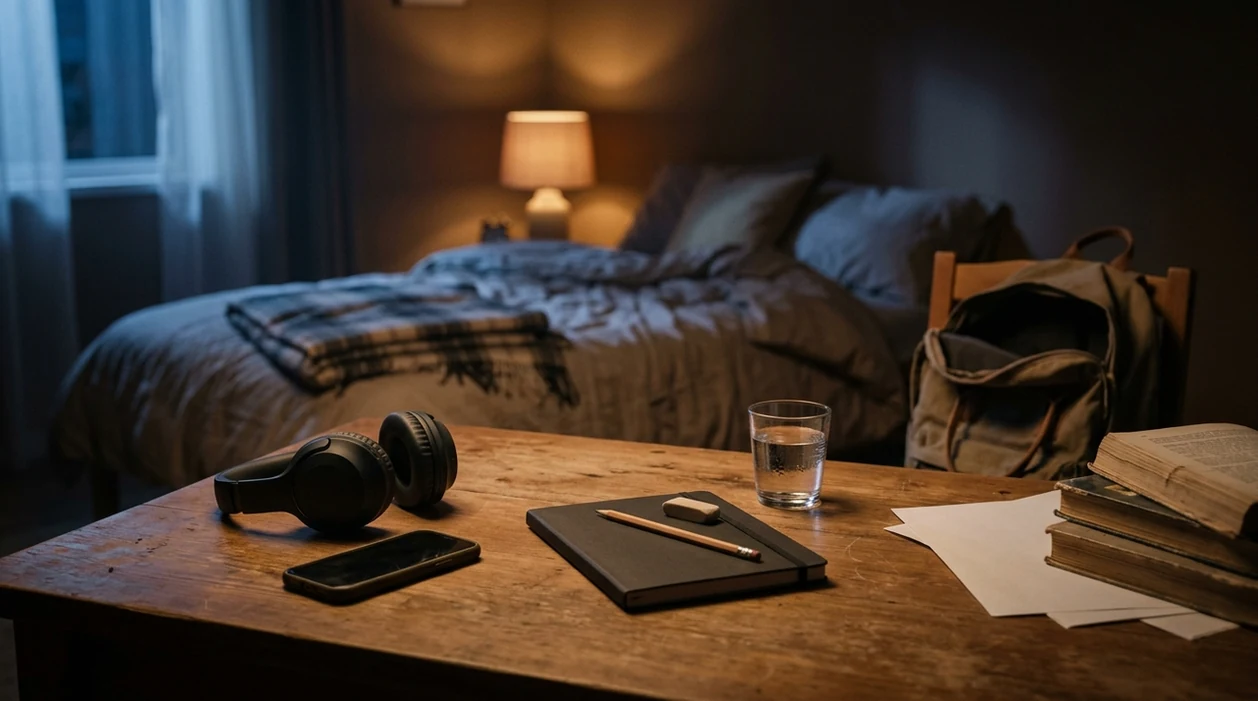


Meditation for teen stress uses short breathing, attention, and grounding practices to help teenagers respond to school pressure, anxiety, social media overload, sleep struggles, and strong emotions. It does not mean emptying the mind or pretending that problems are gone. A useful practice fits a real moment: before a test, after an argument, or when bedtime thoughts keep repeating.
Mindfulness can be a daily coping skill, but research benefits are generally modest and vary across programs. This guide is educational, not a diagnosis or treatment plan. Serious depression, self-harm, trauma, eating disorder behaviors, substance misuse, or symptoms disrupting school or home life need trusted adult involvement and professional care, not meditation alone.
The essentials
- Teen mindfulness works best when it is short, practical, and connected to real moments such as tests, arguments, panic spikes, bedtime, or overthinking.
- Research on youth mindfulness shows small to moderate benefits for stress, anxiety, depression symptoms, resilience, classroom behavior, and emotional regulation when practiced consistently.
- Meditation apps can help teens start with guided breathing, sleep audio, and anxiety SOS sessions, but adults should set safety boundaries and seek professional care when symptoms are severe.
Teenage issues meditation mindfulness at a glance
Teenage issues meditation mindfulness means paying attention to the present moment without harsh self-criticism. It is not blanking the mind, sitting perfectly still, or pretending stress is fine.
For teens, that present moment might include test anxiety, school pressure, sleep trouble, social media comparison, family conflict, rumination, or emotions that arrive fast and loud. The skill is noticing, “I’m spiraling,” before the spiral becomes the whole night.
A teen may use three slow breaths before class, an eyes-open grounding practice after an argument, or a short guided session when tomorrow’s meeting loops at midnight. Small counts.
Benefits are most likely when practice is brief, regular, and supported by a parent, counselor, teacher, or trusted adult. Mindfulness is a coping tool, not a replacement for therapy, medical care, or crisis support.
Five facts about teenage issues meditation mindfulness
- Regular mindfulness can reduce teen stress, anxiety, and depressive symptoms, but research effects are usually modest rather than dramatic.
- Teen mindfulness includes ordinary activities, not only seated meditation. Walking to class, listening to one song closely, sports focus, chores, and breathing can all become practice.
- Randomized school-based mindfulness programs have shown reductions in self-perceived stress and improvements in emotional regulation or classroom behavior, especially when adults guide the routine.
Evidence varies by program and setting; a BMJ Evidence-Based Mental Health summary of the MYRIAD trial found school-based mindfulness was not superior to usual social-emotional support for adolescent mental health mentalhealth reference.
- Suicidal thoughts, self-harm, eating disorder behaviors, trauma symptoms, major depression, substance misuse, or abuse require trusted adult and professional help. Meditation should not carry that weight alone.
- App-based guided meditations, sleep stories, breathing exercises, and short SOS sessions can make practice easier to start and repeat. A teen choosing between a 5-minute breathing exercise and a 20-minute body scan needs a clear starting point, not a crowded screen.
For younger siblings or mixed-age homes, a meditation for kids app may need different language and parent-led pacing.
Teen mental health trends behind mindfulness practice
In 2021, about 42% of U.S. high school students reported persistent sadness or hopelessness during the past year, up from 28% in 2011, per the CDC’s Youth Risk Behavior Survey summary CDC guidance: YRBS Data Summary Trends Report2023.pdf. That does not mean mindfulness is a cure. It does show why teens need practical coping tools before stress reaches a crisis point.
Mindfulness can be one low-cost early skill alongside sleep routines, trusted adults, school support, therapy, crisis resources, and medical care when needed. It can fit private moments for a teen: before a class starts, after an argument, or late at night in a quiet room when rest still feels far away.
Clinicians typically recommend professional assessment when symptoms are severe, persistent, unsafe, or interfering with daily life. A short reset can help a moment; care plans handle patterns.
Teenage mindfulness effects in the brain and body
Teenage mindfulness works by training attention to notice thoughts, sensations, emotions, and urges before reacting automatically. The practical goal is a pause between feeling and action, not the removal of emotion.
Breathing practices can cue the body toward calmer arousal by slowing the breath and giving attention one anchor. In plain language, the teen gives the nervous system a simpler job than scanning every possible threat. Palms pressed against a desk edge can become that anchor.
Teen overthinking often involves rumination and mind-wandering. Researchers also discuss the default mode network, a brain network linked with self-focused thought, but mindfulness should not be sold as a way to “rewire” a teen overnight. A large 2019 meta-analysis of 33 randomized trials found small to moderate gains in cognitive performance and resilience, plus small reductions in anxiety, depression, and stress in youth JAMA Internal Medicine study: 2737905.
For many teens, eyes-open grounding is easier than an eyes-closed body scan because it feels safer and more controllable.
Five steps to use teenage issues meditation mindfulness in real life
For teens, mindfulness usually works best when it is tied to one real trigger and kept short enough to repeat. The routine below is simple enough for school, home, or a quiet corner before practice.
- Set a tiny time goal. Start with 2 to 5 minutes, not a long session that feels like homework.
- Choose a safe format. Try eyes-open breathing, sound awareness, walking, or guided audio if closing the eyes feels uncomfortable.
- Match the practice to a trigger. Use breathing for test stress, calming audio for bedtime, grounding for anger, and a short reset for panic or social media spirals.
- Notice one cue without judgment. Name a tight chest, clenched jaw, fast thought, warm face, or shaky leg.
- Reset or stop if distress rises. Open your eyes, look around the room, move your body, and ask for help when needed.
Families who want a shared version can adapt this into a family mindfulness routine without making it a lecture.
Teenage mindfulness exercises for anxiety, school stress, and sleep
The easiest teen mindfulness exercise is the one that matches the moment. A bedtime body scan will not help much during a hallway argument, and panic may need eyes-open grounding instead of quiet inward focus.
| Teenage issue | Mindfulness practice | Session length | Best moment to use it |
|---|---|---|---|
| Test anxiety | Three slow breaths or box breathing | 1 to 3 minutes | Before opening the test or entering class |
| Bedtime overthinking | Body scan, sleep meditation, or calming audio | 5 to 15 minutes | After the phone is dimmed and notifications are off |
| Anger after an argument | Feel feet on the floor, name sounds, or notice cold water | 2 to 5 minutes | Before texting back or slamming a door |
| Social media comparison | Pause the phone and label the emotion | 30 seconds to 2 minutes | After scrolling starts to feel personal |
| Panic or intense anxiety | Eyes-open grounding with objects, colors, and room orientation | 1 to 5 minutes | Stop if symptoms worsen and get support |
For sleep-specific routines, bedtime meditation for children can help parents compare age-appropriate wind-down options.
A self-compassion reset after a mistake
After a disappointing grade or an awkward conversation, a kindness-based practice can focus on the response to the mistake rather than forcing calm. A systematic review of kindness- and compassion-based meditation in young people found improvements in 47% of wellbeing outcome measures, with small to medium effects. That figure describes measured outcomes, not the percentage of teenagers who benefited. Study quality and results varied.
A brief exercise is to name what happened without turning it into an identity: “I missed several questions,” rather than “I’m stupid.” Next, use the balanced response that might be offered to a friend: “This feels disappointing. One result does not describe everything I can do.” Finish by choosing one practical next step, such as asking about a missed question. This is a supportive exercise, not a requirement to feel positive or a proven treatment for anxiety. Practicing a mindset change for teen stress can help teens respond to setbacks without defining themselves by them.
MindTastik meditation app support for teenage mindfulness habits
Tools like MindTastik can support mindfulness habits through guided meditation, sleep audio, breathing exercises, beginner sessions, everyday calm tracks, and self-hypnosis sessions for adults seeking sleep, anxiety, and everyday calm support. Parents or older teens may use app-style tools to make practice easier through short sessions, reminders, audio guidance, and repeatable routines.
For context, general wellness apps such as Headspace, Calm, and Insight Timer offer similar guided mindfulness or sleep audio; choose based on age fit, privacy controls, session length, and whether crisis boundaries are clear.
A useful app does not need to overpromise. It should help someone find an easy place to begin when they want a calm guided track for the moments their mind feels crowded and hard to settle.
Helpful categories include:
- Sleep meditations: bedtime audio for a wind-down routine.
- Anxiety support audios: short sessions for tense moments.
- Breathing exercises: guided pacing for calmer arousal.
- Beginner meditation: simple instruction without judgment.
- Everyday calm and self-hypnosis sessions: repeatable tracks for routine-building.
MindTastik may sit beside topic hubs for sleep meditation, anxiety meditation, breathing exercises, beginner meditation, and everyday calm, but it should not be framed as treatment for teen mental health conditions.
Safety rules for teenage issues meditation mindfulness
Meditation for teens should be optional, flexible, and never used as punishment. “Go meditate” after a teen gets upset can feel like dismissal, especially if what they need first is being heard.
Some teens with trauma, panic, dissociation, or intense anxiety may feel worse during eyes-closed body scans. Eyes-open grounding, gentle movement, sound awareness, or naming objects in the room may feel safer. A phone with guided audio in a quiet room can help, but the teen still gets to pause or stop.
Red flags require trusted adult or professional help: suicidal thoughts, self-harm, eating disorder behaviors, substance misuse, abuse, major depression, or inability to function at school or home.
In the U.S., if there is immediate danger or suicidal thinking, call or text 988 for the Suicide & Crisis Lifeline, or use local emergency services 988lifeline reference.
If a practice increases distress, the teen should stop, open their eyes, orient to the room, move the body, and reach out. Supportive adults should validate resistance instead of shaming it. For younger children who need co-regulation first, parent and child breathing exercises may fit better than solo meditation.
When to seek professional help for teen stress, anxiety, or depression
Seek professional help when a teen’s stress, anxiety, low mood, or behavior feels unsafe, keeps getting worse, or starts disrupting daily life. Meditation can support coping in the moment, but it should never delay assessment when symptoms are serious or persistent.
Urgent red flags include self-harm, suicidal thoughts, threats of suicide, abuse, unsafe behavior, severe substance use, eating disorder behaviors, or a teen saying they cannot stay safe. Also pay attention when symptoms last for weeks, intensify, or interfere with school attendance, sleep, friendships, family life, hygiene, appetite, or activities they used to care about.
- Tell a trusted adult. Start with a parent, caregiver, teacher, coach, relative, or another adult who will act.
- Contact school support. Ask a school counselor, nurse, or administrator for help with next steps and safety planning.
- Call a clinician. Reach out to a pediatrician, family doctor, therapist, or local mental health clinic for an evaluation.
- Use crisis help immediately. If there is danger now, contact a crisis line or emergency services instead of trying another meditation.
- Keep mindfulness secondary. Use breathing or grounding only as a bridge to support, not as the whole plan.
Guided audio for school stress and bedtime worry
MindTastik’s guided meditation library, breathing exercises, sleep stories, and soundscapes offer alternatives to sitting in silence. Guided breathing may suit a brief school-stress reset; sleep audio may fit an evening wind-down. A parent and teen should check the content and let the teen choose or stop. Teens who find inward attention distressing may prefer eyes-open grounding or movement. Persistent anxiety, depression, or sleep disruption calls for professional assessment; the app is not medical treatment.
What teen mindfulness cannot treat on its own
Teen mindfulness is useful, but it has real limits. Treat those limits as safety information, not fine print.
- Mindfulness is not a cure for serious mental health conditions and does not replace CBT, medication, crisis care, or clinician support when indicated.
- Study effects in children and adolescents are generally small to moderate, not dramatic.
- Many studies are short-term and school-based, so they may not prove long-term outcomes from app-based practice at home.
- Some teens feel worse with body-focused or eyes-closed practices, especially with trauma, panic, dissociation, or intense anxiety.
- Forced meditation can backfire and increase resistance, shame, or anger.
- App-based tools require privacy judgment, age-appropriate content, parent or caregiver oversight, and clear crisis boundaries.
- Meditation may help a teen notice emotions, but it cannot fix unsafe environments, bullying, untreated illness, or lack of adult support.
For teen-specific audio and routines, a broader meditation for teens sleep and stress guide can help compare options.
Teen stress meditation questions
Can meditation help teenage anxiety?
Mindfulness may help a teen notice anxious thoughts and pause before reacting, but research benefits are generally modest and variable. It is a coping skill, not a guaranteed anxiety treatment. Anxiety that persists, worsens, or interferes with school, sleep, or friendships needs professional assessment rather than more meditation alone.
What meditation can teens do before a test?
Try three slow, comfortable breaths while keeping the eyes open and noticing the feet on the floor. The aim is to give attention one simple anchor before starting, not to erase every anxious thought. A brief practice is more practical before a test than a long session.
Can meditation help a teenager fall asleep?
A body scan, guided sleep meditation, or calming audio can support a bedtime routine when worry keeps repeating. The existing routine matters too: dim the phone and turn notifications off before starting. Sleep problems that continue for weeks should be discussed with a trusted adult and a health professional.
Can meditation make a teen’s anxiety worse?
Yes. Some teens, particularly those experiencing panic, trauma, or dissociation, feel more distressed during eyes-closed or body-focused practice. Stop rather than pushing through. Eyes-open grounding, noticing sounds, or gentle movement may feel more manageable. Repeated or intense distress is a reason to involve a trusted adult and clinician.
How can parents encourage mindfulness without forcing it?
Offer a choice, such as a short breathing exercise or calming audio, and accept a refusal. Meditation should not be punishment or a way to end a difficult conversation. After an argument, listening may matter more than suggesting a session. The teen should be able to pause or stop any practice.
When does teen stress need professional help instead of meditation?
Seek help when symptoms last weeks or months, worsen, or disrupt school, home life, or friendships. Self-harm, suicidal thoughts, abuse, severe substance use, or eating disorder behaviors require prompt adult and professional support. Imminent danger requires emergency services. In the United States, call or text 988 for the Suicide & Crisis Lifeline.