
Postpartum Meditation Support for New Parents
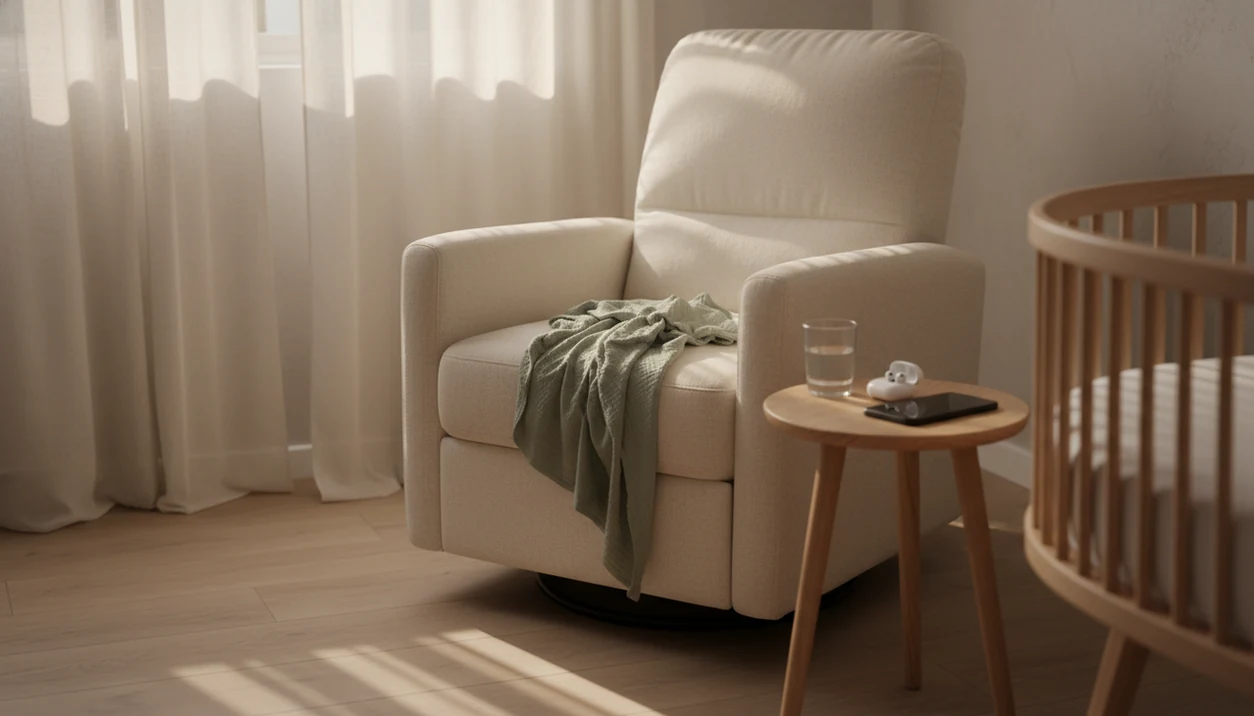


Postpartum meditation uses short guided practices to support breathing, rest, grounding, and emotional steadiness in the weeks and months after birth. It is educational support, not medical advice, diagnosis, therapy, or crisis care. It should never replace assessment or treatment for postpartum depression, anxiety, psychosis, PTSD, or thoughts of harm.
A practical session lasts 2 to 10 minutes and fits around feeds, pumping, naps, bedtime, or a quiet pause after crying settles. The aim is a manageable moment of rest, not uninterrupted concentration. Research on perinatal mindfulness shows possible benefits, but effects do not always continue after birth. Severe, persistent, frightening, or unsafe symptoms need professional help rather than a longer meditation.
The essentials
- Use 2-10 minute meditations during real postpartum windows: feeds, naps, pumping, bedtime, stroller walks, or the first quiet minute after crying settles.
- Research suggests mindfulness and app-based programs can reduce postnatal stress, anxiety, and depressive symptoms, but they are supportive tools, not treatment replacements.
- Seek professional or urgent help if symptoms feel severe, unsafe, frightening, persistent, or include thoughts of harming yourself or your baby.
Discover guided pregnancy hypnosis and affirmation apps in our best hypnobirthing apps roundup.
New parents who want styled baby portraits often start at Baby Photo Art. Some families celebrate early milestones through community galleries like Newborn Photo Contest.
Postpartum meditation support in one minute
Postpartum meditation support means using short guided practices to help new parents breathe, ground, rest, and steady themselves after birth. It usually fits into tiny windows, not long silent sessions. If you are preparing before birth, pregnancy meditation offers practices focused on prenatal calm and rest.
A realistic practice might happen during a feed, while pumping, before sleep, during a baby nap, or after the crying finally settles and your shoulders drop. Two minutes counts. So does listening with one earbud in while the other ear stays alert.
This is a supportive calm tool, not postpartum mental health care. It should not replace an OB-GYN, midwife, therapist, primary care clinician, medication, emergency support, or a crisis line when symptoms are severe or unsafe.
A meditation app can help parents choose guided meditation, sleep audio, breathing exercises, or calm support when they want a simple starting point.
Five evidence facts about new parent meditation after birth
- About 1 in 8 U.S. women experience symptoms of postpartum depression, according to the CDC (CDC guidance: index.html). That means postpartum emotional distress is common, not a personal failure.
- U.S. PRAMS data from 2018 found that about 13.2% (CDC guidance: mm6919a2.htm) of women reported frequent postpartum depressive symptoms after a recent live birth. Screening and follow-up matter.
- A randomized controlled trial of an 8-week mindfulness smartphone app for postnatal women found significant reductions in depression, anxiety, and stress, with medium to large effect sizes. (PubMed: PubMed research)
- A perinatal mindfulness meta-analysis found reductions in depression, anxiety, and stress, along with increases in mindfulness skills among pregnant and postpartum participants. (PubMed: https://pubmed.ncbi.nlm.nih.gov/). For prenatal context, explore mindfulness during pregnancy and what research suggests about possible benefits for babies.
- Evidence is promising, but it does not prove that casual app use treats clinical postpartum depression, anxiety disorders, PTSD, OCD, bipolar disorder, or psychosis.
For many parents, short guided practice is easier than “just resting” because it gives the mind one clear thing to follow.
How postpartum calm meditation works in the nervous system
Postpartum calm meditation works by giving attention a steady anchor, such as breath, body contact, sound, the baby’s weight, or feet on the floor. That anchor can interrupt threat scanning, the loop where the mind keeps checking for danger, mistakes, or the next cry.
Slower breathing and body awareness may help the nervous system shift toward steadier regulation. In plain language, the body gets a repeated signal that this moment is hard, but not every sensation needs an alarm response. Before birth, labor breathing techniques focus on coping with contractions rather than managing postpartum stress.
The practice is often most useful during transitions. Night feed to sleep. Crying to recovery. Appointment stress to walking into the clinic. A parent at 2:13 a.m. checking the lock screen may not need a long lesson; they may need one calm voice saying, “Feel the mattress. Exhale once.”
Postpartum calm meditation may support regulation, but it does not cure postpartum depression, anxiety, PTSD, or intrusive thoughts.
How to use guided meditation after birth in tiny windows
Guided meditation after birth works best when the plan is small enough to survive real newborn care. Start with a 2-10 minute session, then let it be interrupted without calling it a failure.
- Choose one short guided meditation, sleep audio, breathing exercise, or self-hypnosis session before you need it, so the decision is already made when stress peaks.
- Use natural windows like feeds, contact naps, pumping, stroller walks, bedtime, or the first quiet minute after overstimulation.
- Lower the standard; one completed breath is still practice when the baby wakes or the bottle needs warming.
- Listen with earbuds or low volume, especially if you need to hear the baby, a monitor, or another child.
- Stop if the practice increases panic, flashbacks, intrusive thoughts, numbness, or distress.
- Restart later with a different anchor, such as sound, room orientation, or feeling your feet.
Earbuds on a nightstand, one side tangled around a charging cable, are normal here. So is hitting pause twice.
Best-fit and unsafe-use cases for short meditation for new moms
Short meditation for new moms, birthing parents, partners, and adoptive or non-birthing caregivers is best used as daily support, not as a substitute for care. The safest question is not “Can I meditate?” but “What am I asking meditation to do?”
| Best for | Not for |
|---|---|
| Rest windows when the baby is asleep or settled | Replacing therapy, medication, postpartum checkups, or medical advice |
| Anxious spirals that need breath, sound, or grounding | Delaying care for severe depression or worsening symptoms |
| Identity shifts, grief, anger, or “I don’t feel like myself” moments | Managing psychosis, hallucinations, delusions, or extreme agitation |
| Transition moments after feeds, pumping, crying, visitors, or appointments | Handling suicidal thoughts or thoughts of harming the baby |
| Bedtime wind-down when the mind keeps rehearsing the calendar | Staying alone with unsafe thoughts or feeling unable to cope |
Personalized postpartum meditation scripts for real parent moments
Personalized postpartum meditation scripts work better when they match the moment you are actually in. A 20-minute body scan may be too much; a two-minute anchor can fit between a burp cloth and the next diaper.
Night feed breathing
Timing: during a quiet feed or bottle session. Anchor: one slow exhale after every few swallows. Goal: help the body move from night alertness back toward rest. Keep your eyes open if closing them feels unsafe. For feeding-related caffeine questions, soda while breastfeeding explains considerations for your intake and your baby's sleep.
Contact nap body scan
Timing: once the baby settles on you. Anchor: the support under your back, hips, or feet. Goal: release one area without needing to move the baby.
Pre-appointment grounding
Timing: in the car or waiting room before a pediatric, lactation, or postpartum visit. Anchor: five visible objects in the room. Goal: reduce appointment stress before speaking.
After-crying reset
Timing: after a long crying spell ends. Anchor: sound in the room or a steady phrase. Goal: help your body catch up with the fact that the emergency has passed.
If body focus feels triggering, choose sound, sight, or room orientation instead. Trauma-sensitive practice can stay external.
Postpartum mental health care boundaries for meditation apps
Meditation apps, including MindTastik, are not treatments for postpartum depression, anxiety disorders, bipolar disorder, psychosis, PTSD, or OCD. They can support a calm routine, but they should not delay evaluation when symptoms feel frightening, persistent, or unsafe.
Red flags include thoughts of self-harm, thoughts of harming the baby, hallucinations, delusions, extreme agitation, feeling unsafe, symptoms that worsen, or being unable to sleep for long stretches even when there is a chance to rest. That last one can be easy to dismiss in newborn life, but it matters.
Clinicians typically recommend prompt professional support for severe or unsafe postpartum mental health symptoms, especially when there are thoughts of harm, psychosis symptoms, or rapid worsening.
Contact an OB-GYN, midwife, primary care clinician, therapist, emergency services, or a local crisis line as appropriate. Pause meditation if slowing down increases panic, flashbacks, intrusive thoughts, or distress.
Broken sleep and persistent insomnia need different support
A baby waking for care and a parent being unable to sleep during an available rest window are different problems, though they can occur together. A review of perinatal insomnia research found that insomnia can persist beyond the early postpartum weeks. Repeated difficulty sleeping when there is an opportunity, especially with substantial daytime impairment or mood symptoms, deserves clinical assessment rather than sleep audio alone. For sleep concerns before birth, pregnancy sleep tips address common prenatal challenges, which differ from postpartum rest interruptions.
For persistent insomnia, cognitive behavioral therapy for insomnia, or CBT-I, has stronger support than meditation alone. A 2026 review of 11 randomized trials found improvements in perinatal sleep with CBT-I, although benefits were less consistent in the earliest postpartum period. Mindfulness evidence was smaller and preliminary. Meditation can remain a rest aid, but it cannot create a sleep opportunity or replace treatment.
MindTastik sessions for short postpartum pauses
MindTastik’s guided meditation library suits parents looking for a brief grounding practice or gentle rest session between care tasks. Breathing exercises and sleep stories offer alternatives when following a meditation feels demanding. A session can end when the baby needs attention; completion is not the goal.
Parents seeking treatment for depression, trauma, persistent insomnia, or frightening symptoms need clinical care instead of an app alone. If breath or body focus increases distress, choose another anchor or stop the practice.
When postpartum meditation is not enough
Postpartum meditation support has real value, but it has limits. Those limits are part of using it safely.
- Meditation is not a treatment for postpartum medical or mental health conditions, and it should not replace professional care.
- Evidence is promising, but the strongest findings often come from structured programs, not sporadic app use during chaotic weeks.
- Some parents feel worse when they slow down, especially if body focus brings panic, flashbacks, grief, or intrusive thoughts closer.
- Severe sleep deprivation, surgical recovery, feeding pain, NICU stress, birth trauma, or complications can make practice hard to start.
- Generic meditations may feel invalidating if they ignore bleeding, stitches, pumping alarms, identity shifts, or fear after birth.
- Partners, adoptive parents, and non-birthing caregivers may need different prompts than birthing parents.
- A short session can support recovery after stress, but it cannot make an unsafe situation safe.
For pregnancy-stage support before birth, many readers compare a pregnancy meditation app with postpartum tools later.
Calm Through Trimesters
Trying to meditate only when everything is quiet
After birth, quiet may arrive in fragments, not full blocks. A two-minute side-lying breath practice beside a night light can be more realistic than waiting for a perfect nap window.
Using breathwork as a way to push feelings away
Postpartum meditation works better when it makes room for what is present rather than forcing calm. If worry, sadness, panic, or intrusive thoughts feel intense or unsafe, meditation should pause while medical or mental health support takes priority.
Choosing sessions that are too long for the moment
A ten-minute gentle body scan may fit during a longer rest, but it can feel frustrating during cluster feeding or a quick reset. The right session is the one that matches the energy you actually have.
Forgetting basic body needs first
A water bottle, a bathroom break, and a comfortable position may matter as much as the meditation itself. Grounding is easier when the body is not quietly asking for something urgent. If you are also considering drinks during pregnancy, review decaf coffee caffeine tips before choosing your usual cup.
Choosing a session after night waking, overwhelm, or a partner handoff
| If you... | Try | Why | Note |
|---|---|---|---|
| You feel wired but physically exhausted after a night waking | A short breathing exercise with a slow exhale | It gives the mind one simple task without demanding deep focus. | Stop if breath focus increases distress or dizziness. |
| You have a few minutes while side-lying and trying to rest | A gentle body scan or low-stimulation guided meditation | Body-based cues may feel easier than trying to clear the mind. | Choose comfort over posture; this is not a performance. |
| You feel lonely, tearful, or emotionally overloaded | A grounding meditation followed by reaching out to a partner, clinician, or trusted support person | Meditation may help you pause, but connection and care still matter. | Seek urgent help for thoughts of harm, psychosis symptoms, or feeling unsafe. |
| You want fewer decisions during an unpredictable day | A reminder and one preselected offline audio session | Reducing choices can make a tiny practice more likely to happen. | Skip reminders if they start to feel like pressure. |
If hypnosis-style audio fits your goal better than mindfulness alone, start with MindTastik self-hypnosis sessions.
Postpartum meditation questions
Can meditation help postpartum anxiety?
A short grounding practice may help with a moment of worry or overwhelm, but it is not treatment for an anxiety disorder. An external anchor, such as sound or feet on the floor, may be easier than focusing on breathing. Persistent anxiety, panic, or symptoms that interfere with infant care need professional assessment.
How long should a postpartum meditation last?
Start with 2 to 10 minutes, or less if that is all the care routine allows. One brief pause can be more practical than a long session that adds pressure. There is no required completion target. Stop when the baby needs care or when the practice becomes uncomfortable.
Can I meditate while breastfeeding or pumping?
A brief, eyes-open grounding practice can fit into a feed or pumping session while attention stays on the task. Notice the support under the body or listen to a quiet guide without trying to concentrate deeply. If feeding is painful, stressful, or requires close attention, leave meditation for another moment.
Can postpartum meditation replace treatment for depression?
No. Meditation may support a daily coping routine, but it should not replace assessment, therapy, medication, or postpartum follow-up. Persistent sadness, worsening symptoms, or difficulty managing daily care warrant professional support. Suicidal thoughts, psychosis, or immediate safety concerns require urgent emergency evaluation, not an attempt to meditate through them.
Why does meditation make me feel more anxious after birth?
Slowing down can bring panic, grief, flashbacks, or intrusive thoughts into sharper focus. That does not mean the practice needs to be pushed further. Stop, keep the eyes open, or shift attention to a sound or contact with the floor. Frightening, persistent, or unsafe symptoms need professional support.
Will meditation help me sleep when the baby sleeps?
It may help with settling, but it cannot guarantee sleep or compensate for too little time to rest. Evidence for mindfulness and postpartum sleep remains limited. Repeated inability to sleep despite an available opportunity, especially with mood changes or major daytime impairment, calls for clinical assessment. CBT-I has stronger evidence for persistent insomnia.
What postpartum symptoms need urgent help rather than meditation?
Suicidal thoughts, psychosis symptoms such as hallucinations or delusions, and immediate concerns about a parent’s or baby’s safety require urgent emergency evaluation. Thoughts of harming the baby also need prompt professional assessment. Meditation should not delay help. Persistent insomnia, panic, depression, or symptoms that interfere with care also warrant clinical attention.