
Chronic Stress and Exercise: How Movement Supports Sleep, Anxiety, and Everyday Calm
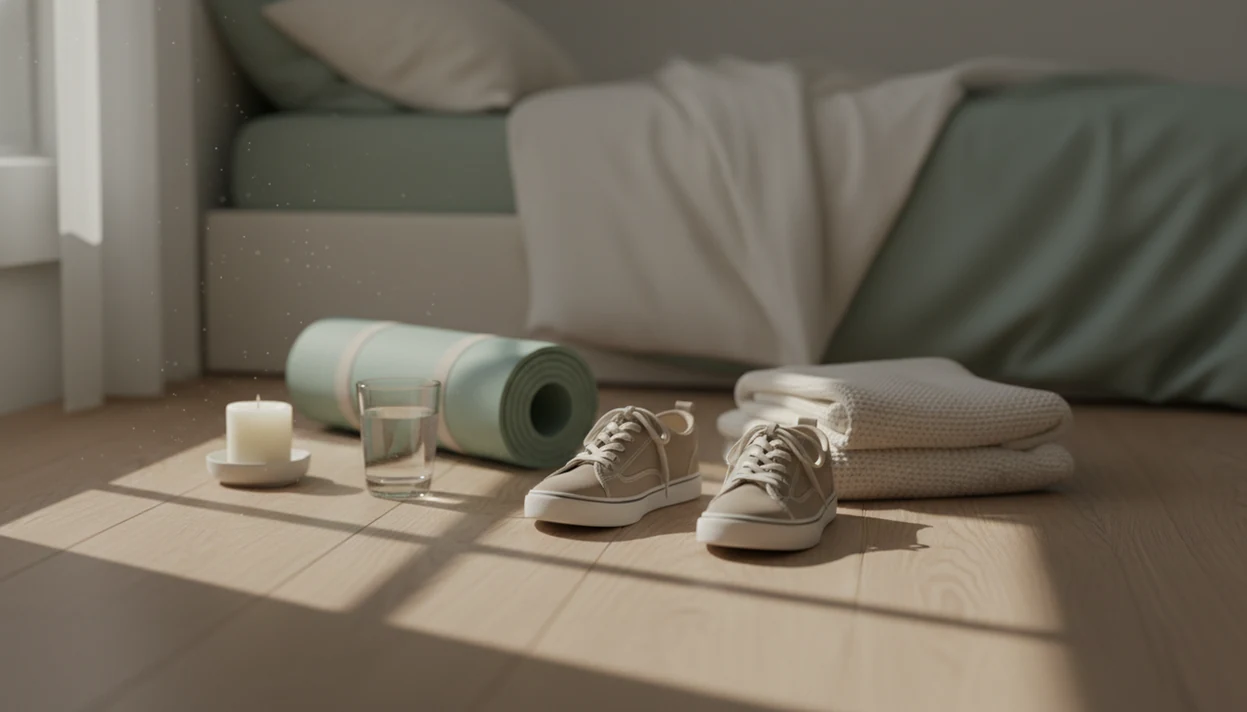


Chronic stress and exercise are linked: regular, manageable movement can support mood, sleep, and recovery from stress, while too much exercise without enough rest can add to exhaustion. Chronic stress is a prolonged state of nervous system activation. Exercise is planned physical activity that can help regulate stress responses, mood, sleep, and energy. Walking, stretching, yoga, or light strength training can provide a starting point.
Consistency matters more than making every workout hard. During a stressful period, a short, repeatable session may fit better than an intense workout that leaves little energy for the rest of the day. Breathing or meditation can accompany a cooldown, but neither exercise nor relaxation replaces medical care or therapy for severe or persistent symptoms.
Movement and recovery essentials
- Aim for consistency before intensity: short daily movement is often more helpful for chronic stress than occasional hard workouts.
- A mix of moderate cardio, strength training, and mind-body exercise can support anxiety, focus, sleep, and resilience.
- Exercise is supportive, not a replacement for medical care or therapy when stress, anxiety, depression, pain, or sleep problems are severe.
Chronic stress and exercise facts most people need first
- Chronic stress keeps the alarm system on. Cortisol, adrenaline, faster heart rate, and fight-or-flight arousal can stay active long after the original problem has passed.
- Regular movement helps discharge stress. Exercise can reduce stress hormones and increase endorphins, which are brain chemicals linked with mood and pain regulation.
- The public health target is specific. The CDC recommends 150-300 minutes of moderate aerobic activity weekly, plus muscle-strengthening activity on 2 or more days, for substantial health benefits CDC guidance: index.htm.
- High stress is common. The American Psychological Association reported that 27.3% of U.S. adults feel so stressed most days that they cannot function APA research: concerned future america.
- Exercise is support, not a substitute. Severe anxiety, depression, trauma symptoms, chest pain, or unsafe thoughts need professional care, not just a workout plan.
The first win is modest. Shoes by the door. Ten minutes outside. Done.
How chronic stress and exercise work in the nervous system
Chronic stress and exercise affect the same stress-response system: stress activates the body for short-term survival, and repeated movement can help train recovery after that activation. For more context on stress physiology, explore Sapolsky on stress and sleep and how prolonged arousal can affect rest.
When stress hits, cortisol and adrenaline rise. The American Psychological Association describes this as the body's stress response: heart rate, breathing, and muscle tension increase so the body can respond to a perceived threat APA research. Your heart beats faster, muscles tighten, digestion may slow, and sleep can get lighter or more broken. That is useful if you need to react quickly. It becomes draining when your body keeps acting like every email, bill, or late-night thought loop is an emergency.
Exercise gives the nervous system a controlled stressor with a recovery phase. Aerobic activity can improve mood and sleep pressure. Strength training can build confidence and energy. Yoga, tai chi, and stretching add breath, attention, and slower pacing. Over time, neuroplasticity may help the brain and body become more efficient at shifting from arousal back toward calm.
For chronically stressed adults, regular moderate movement is often easier to sustain than intense workouts because recovery is part of the benefit.
Cortisol is not a workout score or a stress diagnosis
A cortisol reading cannot, by itself, establish chronic stress or show how well an exercise routine is working. A systematic review of chronic stress biomarkers identified 37 eligible studies and many proposed markers, including cortisol and inflammatory measures. The evidence varied substantially across studies. That makes a single laboratory result a poor basis for deciding that stress is the cause of fatigue or that more exercise is needed.
Suspected medical cortisol excess requires a separate assessment. The NIDDK explanation of Cushing’s syndrome describes diagnosis through medical history, examination, and laboratory testing. Symptoms or one test result are not enough. For everyday exercise planning, tracking sleep, mood, energy, and recovery is more practical than treating each workout as an attempt to lower a hormone reading.
How to use exercise for chronic stress relief
Use exercise for chronic stress relief by starting small, choosing repeatable movement types, and adding a calming cooldown. The goal is a routine your body can trust, not another task to fail.
- Set a low starting target. Try 10 minutes of walking, mobility work, or gentle cycling.
- Choose one cardio option, one strength option, and one calming movement option. Keep the menu short.
- Schedule movement around stress patterns. Use morning walks for focus or early evening yoga for downshifting. For stressful evenings, the 4 A's stress model for bedtime offers a framework for responding to pressures before settling down.
- Pair movement with breathing or meditation. A short guided session reinforces the “we are safe now” signal.
- Track sleep, mood, energy, and anxiety for two to four weeks. Increase intensity only after the routine feels steady.
1. Set a stress-safe starting dose
If you are exhausted, begin below what you think “counts.” One block around the building may be enough.
2. Choose simple movement categories
Pick brisk walking, basic bodyweight strength, and stretching before adding complicated plans.
3. Pair workouts with calming audio
Guided breathing, sleep audio, or a short meditation can help some people downshift after movement. A related 5 minute meditation for anxiety can also fit after a short walk.
Best exercise types for chronic stress and anxiety support
The best exercise type for chronic stress depends on the stress pattern: anxious energy may need movement, body tension may need mobility, and poor sleep may need gentler timing. A systematic review found that aerobic exercise programs can reduce anxiety symptoms, but intensity and recovery still matter PMC research article: PMC6048763. If anxious feelings persist, these seven steps for managing anxiety can complement movement without replacing appropriate professional care.
| Exercise type | Best fit | Stress-related caution |
|---|---|---|
| Walking | Low motivation, work stress, beginner routines | May need brisk pacing for stronger cardio benefit |
| Jogging or cycling | Anxious energy, mood lift, focus | Can feel too activating if started aggressively |
| Strength training | Low energy, confidence, body awareness | Heavy sessions need recovery days |
| Yoga | Sleep support, tension, breath awareness | Some styles are more athletic than relaxing |
| Tai chi | Gentle balance, calm pacing, older beginners | Progress can feel subtle |
| Stretching | Muscle tension, evening wind-down | Works best when paired with breathing |
| Short movement breaks | Desk stress, tight schedules | Easy to skip without a cue |
High-intensity exercise may help some people, but it can backfire when overused, done too late, or treated like punishment.
Chronic stress and exercise tips for busy, burned-out adults
Short exercise still counts for chronic stress support. You do not need a 60-minute class when your calendar already feels packed.
- The lunch-break loop: Walk 5-10 minutes after eating. Leave the phone in a pocket if scrolling keeps pulling you back into work.
- The commute transition: Park farther away, get off one stop early, or take a slow lap before going inside.
- The mobility snack: Do shoulder rolls, hip circles, or calf raises between meetings. Office door closed for ten minutes, no special gear.
- The social anchor: Make movement easier with a neighbor walk, low-pressure class, or weekend trail.
- The outdoor cue: Morning light plus easy movement can support alertness and routine consistency.
After evening movement, a short breathing exercise or sleep-audio routine can provide structure and repeatable cues.
Best-fit and unsafe chronic stress exercise plans
A self-guided exercise plan fits everyday stress when movement is safe and symptoms are manageable. It is not the right tool for emergencies, unexplained medical symptoms, or severe mental health distress.
| Best for | Not ideal for |
|---|---|
| Adults with everyday stress, anxious tension, poor focus, mild sleep disruption, or low energy | Replacing emergency help, therapy, medication, trauma treatment, or medical evaluation |
| People who can safely walk, stretch, or do light resistance work | Chest pain, fainting, dizziness, uncontrolled blood pressure, or major injury without clinician guidance |
| Anyone wanting lifestyle support alongside meditation, breathing, sleep hygiene, or therapy | Severe pain, pregnancy concerns, medical restrictions, or new symptoms that need assessment |
Clinicians typically recommend gradual activity changes, especially when someone has heart disease risk, chronic pain, pregnancy concerns, or symptoms that appear during exertion. If stress spikes at work, a short walk plus meditation for work stress may be a safer first step than another late-night hard workout.
Chronic stress and exercise mistakes that can worsen fatigue
Exercise can become another stressor when the dose jumps too fast. Going from inactivity to intense daily workouts often leads to soreness, dread, and poor sleep instead of relief.
Possible signs of inadequate recovery include irritability, increased soreness, declining performance, heavy legs, persistent fatigue, and less interest in normally enjoyable workouts. If you are awake in the early hours with a tight jaw and a restless body, late-night high-intensity sessions may not be your friend.
Not tonight.
Avoid using exercise as punishment for stress eating, low productivity, or anxiety. That mindset teaches the body that movement is a penalty. Build rest days into the week, progress slowly, and finish with a calming cooldown. If panic-like sensations are part of the issue, panic attack meditation support can help you separate normal exertion from fear cues, while still seeking care when symptoms feel unsafe.
Breathing audio for the transition after exercise
MindTastik’s guided breathing exercises suit a quiet pause after walking, stretching, or light strength work, especially when physical effort ends but racing thoughts continue. Guided meditation is another option for end-of-day worry. These sessions offer a simple focus for settling down, not a treatment for chronic stress.
People seeking a structured exercise program need a different resource. Persistent exhaustion, worsening anxiety, or unexplained physical symptoms call for clinical assessment rather than another audio session or a harder workout.
When exercise is not enough for chronic stress
Exercise can support chronic stress, but it has clear limits. It is not a cure-all for anxiety disorders, depression, PTSD, burnout, insomnia, or long-running exhaustion.
- Exercise should not replace therapy, medication, trauma treatment, or medical care when those are needed.
- People with heart disease, uncontrolled high blood pressure, pregnancy concerns, chronic pain, recent injury, dizziness, fainting, or chest pain should seek medical guidance before increasing activity.
- Overtraining can raise fatigue, worsen sleep, increase injury risk, and make stress feel sharper.
- The right type, timing, and dose vary by fitness level, sleep schedule, work demands, medical history, and personal preference.
- Meditation apps, trackers, and self-guided routines can support habits, but they are not regulated medical treatments.
- If stress causes thoughts of self-harm, inability to function, severe panic, or unsafe symptoms, professional or emergency support is needed.
MindTastik may fit a wind-down routine. It still belongs in the support category, not the treatment category.
For paced breathing you can open in seconds, MindTastik breathing exercises keeps short exercises ready between meetings or before sleep.
Chronic stress and exercise questions
Does exercise help with chronic stress?
Regular physical activity can support mood, sleep, and stress recovery. The useful amount is one that remains manageable alongside daily demands and leaves enough time for rest. Exercise is supportive care, not a cure for chronic stress or a replacement for treatment when symptoms are severe or persistent.
What exercise is best when stress leaves me exhausted?
Start with tolerable movement rather than an intense workout: a short walk, gentle stretching, or light resistance work. Keep the session easy enough to repeat without worsening fatigue. Significant or persistent exhaustion should be assessed rather than assumed to be stress that can be fixed with exercise.
Can exercise make stress or anxiety worse?
It can, particularly when training increases quickly or recovery is inadequate. Excessive exercise can contribute to fatigue, disturbed sleep, and other physical symptoms. If sessions repeatedly leave anxiety, sleep, or energy worse, reduce the load and consider clinical guidance rather than pushing through.
Is walking enough to help with stress?
Walking is a practical starting point, especially when energy or motivation is low. Short, repeatable walks can form part of a regular activity routine without requiring a demanding workout. Walking does not replace care for persistent anxiety, exhaustion, or sleep problems, and it need not be the only activity.
Should I exercise before bed if I am stressed?
Timing should reflect how the activity affects sleep. If late, intense sessions leave the body restless or sleep more broken, move them earlier or choose gentler evening movement. A slow walk or stretching may fit better. Track the pattern across several days rather than judging one night.
Does feeling stressed mean my cortisol is too high?
No. Stress symptoms do not establish a cortisol disorder, and an isolated cortisol result does not diagnose chronic stress. Medical cortisol excess requires history, examination, and appropriate testing. Fatigue, poor sleep, or changes in mood should not automatically be attributed to high cortisol.
What should I do after a workout to feel calmer?
Allow a gradual cooldown instead of moving straight from effort into another demanding task. Gentle movement followed by a brief breathing or meditation session can provide a quieter transition. If feeling unwell includes chest pain, fainting, or unusual breathlessness, stop and seek appropriate medical help.
When does exercise-related fatigue need medical attention?
Persistent exhaustion, impaired daily functioning, fainting, unexplained weight change, or continuing sleep and mood problems warrant assessment. Exercise may contribute to fatigue, but it is not the only possible cause. A clinician can review symptoms and recovery rather than assuming that stress or overtraining explains everything.