
How Stress Affects the Brain and Body
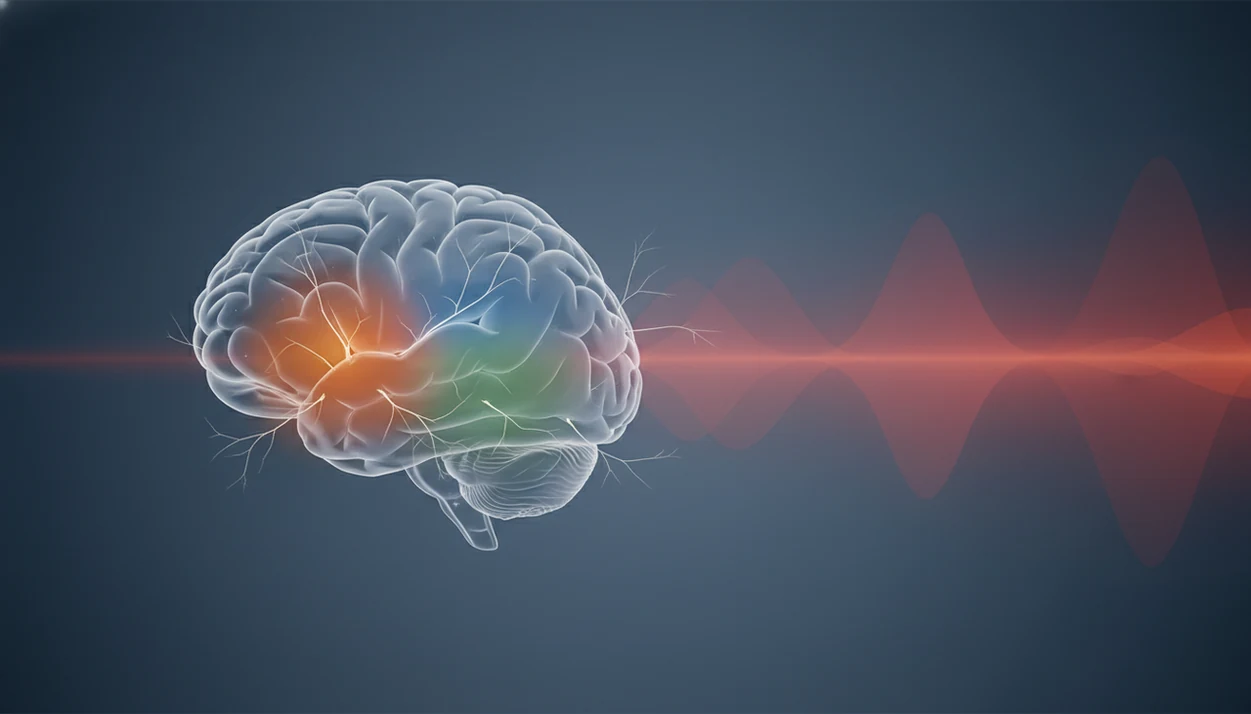


Stress affects the brain by activating its threat response: brief bursts can sharpen reactions, while ongoing activation can disrupt memory, focus, sleep, mood, and decision-making. Stress is the brain-and-body response to a perceived demand or threat. It involves the nervous system, stress hormones, attention, emotion, and physical arousal, not just a feeling of being overwhelmed.
Repeated cortisol and fight-or-flight activation can affect how the hippocampus, amygdala, and prefrontal cortex work. These areas support memory, threat detection, planning, and self-control. The effects are not identical for everyone, and stress does not automatically mean permanent brain damage. Sleep, movement, social support, breathing, and meditation can support recovery, while persistent or severe symptoms may need professional care.
What matters most
- Acute stress can be useful, but chronic stress is more likely to impair focus, sleep, memory, and emotional balance.
- The hippocampus, amygdala, and prefrontal cortex are the main brain areas to understand when stress becomes persistent.
- Sleep, exercise, social support, breathing, mindfulness, and guided meditation can support stress recovery, but severe symptoms may need professional care.
How stress affects the brain in plain language
How stress affects the brain: stress turns on the body’s alert system, which helps you react quickly, then becomes a problem when the alarm keeps ringing. Acute stress can help you slam the brakes, speak up in a meeting, or finish a deadline. Chronic stress is different; it keeps attention tilted toward threat and recovery pushed later.
The main brain areas are the hippocampus, amygdala, and prefrontal cortex. The hippocampus supports memory. The amygdala scans for danger. The prefrontal cortex helps with planning, attention, and self-control.
That is why stress is not “just feelings.” It can change cognition, sleep, mood, and behavior. Harvard Health notes that chronic stress may rewire the brain over time, affecting attention, memory, and thinking health reference: protect your brain from stress.
An unread email can seem oversized in the quiet hours before morning.
How stress works in the brain and body
Stress works by turning on fast body alarms and slower hormone signals so you can respond to demand. In short bursts, that system can help; when it stays active for days or months, it can overload sleep, attention, memory, and mood.
Two systems matter most. The sympathetic nervous system is the “fight-or-flight” branch that raises heart rate, breathing, and alertness, helped by adrenaline. The HPA axis is a slower brain-to-hormone pathway that releases cortisol, which helps mobilize energy and keep you ready. A simple sequence looks like this:
- Detect a possible threat, deadline, conflict, sound, or internal worry.
- Signal the body to become alert through adrenaline and faster breathing.
- Release cortisol to keep energy available while the demand continues.
- Return toward baseline when the brain reads the situation as safe enough.
Acute stress can sharpen reaction time and focus for a short task. Chronic stress is the problem: the alarm keeps stealing recovery time. That is why prolonged stress can make sleep lighter, attention jumpier, memory less reliable, and mood more reactive without meaning the brain is permanently damaged.
Five facts about stress and brain function
- Short-term stress can improve immediate performance. The stress response is built to help you react to a demand, not to stay active all day.
- Chronic stress is the bigger cognitive risk. Repeated activation can strain attention, decision-making, mood, and memory.
- Working memory can drop under high stress. A 2022 NIH-supported review found high stress in childhood and adulthood was associated with lower executive function and working memory NIH research: PMC9152042. When study pressure makes concentration harder, meditation for exam stress can offer a short calming practice.
- Stress and sleep problems reinforce each other. Stress keeps the brain alert at night, and poor sleep makes focus and emotional balance harder the next day.
- The brain remains adaptable. Sleep, movement, social support, and repeated calming habits can support resilience.
For many adults, a short reset is easier than a long routine because it lowers the barrier to repeating the practice. A practical starting point is a 5 minute meditation for anxiety support.
How to use this stress-brain guide
Use this guide by turning the science into one small next action, not a complete life overhaul. Start with the pattern you are seeing today, then choose a calming routine you can repeat long enough to notice whether it helps.
- Identify whether your stress is acute or chronic. A sudden deadline, argument, or scare may need a short reset, while weeks of tension, poor sleep, or constant worry may need steadier support.
- Match your symptoms to the main pattern: sleep disruption, scattered focus, mood reactivity, or body signals like tension, stomach changes, headaches, or fatigue.
- Choose one small calming routine before adding more. Try slow breathing, a short walk, bedtime audio, or a brief guided meditation at the same daily cue.
- Track what changes over one to two weeks, especially sleep quality, focus, irritability, and how quickly your body settles after stress.
- Seek professional help if symptoms keep impairing work, relationships, sleep, safety, or daily functioning, or if panic, trauma symptoms, depression, or severe insomnia persist.
How chronic stress affects the hippocampus, amygdala, and prefrontal cortex
Chronic stress affects brain function most clearly through memory, threat detection, and self-control circuits. The hippocampus, amygdala, and prefrontal cortex help explain why people notice brain fog, worry loops, and poorer impulse control under prolonged stress.
Hippocampus and memory
The hippocampus helps form and retrieve memories. BrainFacts states that persistently high glucocorticoid levels can inhibit neuron growth in the hippocampus, which can disrupt normal memory formation and recall brainfacts reference: stress the brain and body 102822.
Amygdala and threat sensitivity
The amygdala helps detect threat and emotional importance. Under chronic stress, ordinary signals can start to feel urgent. The phone buzz lands harder than it should.
Prefrontal cortex and self-control
The prefrontal cortex supports planning, attention, impulse control, and decision-making. When stress stays high, this region can feel less available, so simple choices feel strangely effortful.
How stress affects the brain and sleep at night
Stress affects sleep by keeping the nervous system alert when the brain should downshift. Racing thoughts, lighter sleep, frequent waking, and next-day fatigue are common ways this shows up.
After dark, the brain may loop through unfinished work, a tense conversation, or the next day’s list. A small clock on the desk shows the hour slipping by, and the body already senses that morning may ask for more effort. Poor sleep can then make attention, memory, and emotional balance feel harder to access. NIH explains that sleep supports brain function, including attention, learning, and memory, which helps explain next-day brain fog after stress-disrupted sleep ninds reference: brain basics understanding sleep.
Slow audio can help some people stop adding more stimulation. Tools like MindTastik, Calm, and Headspace can support bedtime guided breathing or sleep audio, but they do not treat insomnia or replace medical care. For a narrower routine, try breathing exercises for anxiety at night.
6 daily habits for stress-related brain recovery
Use stress recovery habits to reduce repeated threat activation and give the brain clearer recovery signals. Keep the routine small enough to repeat on a normal day.
- Notice your first stress cues, such as jaw tension, shallow breathing, scattered focus, or stomach changes.
- Slow your breathing for one to three minutes, with a slightly longer exhale than inhale.
- Protect sleep timing by dimming the phone before bedtime audio and keeping the wake time steady.
- Move your body daily, even with a short walk between tasks.
- Reduce rumination by writing one next step instead of replaying the whole problem. If money worries keep repeating, try meditation for financial stress before choosing one practical next step.
- Repeat a calming practice at the same cue, such as after work or before bed.
MindTastik offers guided practices, sleep audio, breathing exercises, and self-hypnosis sessions for adults looking for support with rest, anxiety, and everyday calm. For work-specific pressure, meditation for work stress may fit better.
Best-fit readers and clinical red flags for this stress brain guide
This guide is best for adults who want plain-language stress science and practical calming tools. It is not for emergencies, diagnosis, trauma treatment, or replacing therapy or medical care.
| Reader situation | Best-fit guidance |
|---|---|
| Everyday stress | Use sleep, breathing, movement, and simple routines to lower repeated activation. |
| Mild anxiety patterns | Try beginner-friendly calming tools and track what feels manageable. |
| Sleep disruption | Build wind-down cues and reduce late-night stimulation. |
| Brain fog or focus issues | Check sleep, workload, stress load, and recovery time before assuming one cause. |
| Clinical red flags | Seek professional help for persistent cognitive problems, panic, depression, trauma symptoms, or severe insomnia. |
Start simple.
Symptoms of brain stress people notice first
Stress-related brain symptoms often appear as small daily breakdowns before they feel dramatic. These signs can overlap with sleep loss, anxiety, depression, medication effects, medical conditions, and lifestyle factors, so avoid self-diagnosing from one symptom.
- Brain fog: thinking feels slow, scattered, or harder to organize.
- Forgetfulness: names, tasks, and small details slip more often.
- Trouble focusing: attention jumps between tabs, messages, and worries.
- Irritability: reactions feel stronger than the situation deserves.
- Racing thoughts at night: the brain keeps scanning problems when rest should begin.
- Body signals: tension, headaches, stomach changes, or fatigue can travel with stress. Exploring where your body stores emotions can help you notice physical sensations that accompany stress and other feelings.
Some people look for a calm track they can start quickly when worry feels hard to settle. For stronger surges, panic attack meditation support should be paired with safety guidance and professional support when needed.
Brain fog and fatigue do not prove high cortisol
Brain fog, poor sleep, and exhaustion cannot establish that cortisol is high or that chronic stress is the cause. A systematic review of chronic stress biomarkers found substantial variation across studies examining cortisol and other biological measures. No single biomarker diagnoses chronic stress. An isolated cortisol result therefore needs clinical context, rather than being treated as proof that stress has damaged the brain.
Testing for a cortisol-related endocrine disorder is a different question from assessing everyday stress. According to the NIDDK explanation of Cushing’s syndrome, diagnosis requires medical history, examination, and laboratory testing. Stress, depression, alcohol use, and other conditions can complicate interpretation. Persistent exhaustion or impaired functioning deserves assessment of sleep, mood, medications, and physical symptoms, rather than an assumption that cortisol explains everything.
How to reduce brain stress with calming routines
Calming routines reduce brain stress by repeating signals of safety, recovery, and predictability. The most useful routine is one you can do on a difficult day, not only on a quiet weekend.
Mindfulness and guided meditation can train attention back to one anchor. Slow breathing with longer exhalations may help the body shift away from high arousal. Consistent sleep timing, a familiar wind-down cue, physical activity, social support, and fewer avoidable decisions all reduce load.
NCCIH says meditation and mindfulness may help with anxiety, depression, and sleep, though study quality and individual results vary; a review of meditation and physiological stress markers also found that effects differed by meditation type and outcome.
Choose between a 5-minute breathing exercise and a 20-minute body scan based on the night you are actually having. A notebook left open beside a reading light can be enough preparation if it reminds you to return to one steady breath.
A guided meditation app can support sleep, anxiety management, beginner meditation, and everyday calm. For a softer practice, calming meditation for anxiety support may be enough.
Guided breathing for stress-related tension and racing thoughts
MindTastik’s guided meditation and breathing sessions suit everyday stress that shows up as physical tension, scattered attention, or racing thoughts before bed. A spoken prompt can make a short practice easier to follow when concentrating is difficult. The app’s breathing exercises offer one starting point for a repeatable calming routine. Persistent exhaustion, worsening memory problems, or symptoms that interfere with daily life call for clinical assessment rather than an app alone. MindTastik is not a medical treatment.
What stress symptoms cannot reveal about the brain
Stress science is useful, but it can be oversimplified online. Keep these limits in mind before turning one article into a diagnosis.
- Not every stress symptom is caused by the brain alone.
- Sleep loss, anxiety, depression, medication effects, medical conditions, and lifestyle factors can look similar.
- Human stress studies often show associations, not direct cause in every individual.
- Claims that stress permanently shrinks the brain are too simple.
- Meditation and relaxation help many people, but they are not cure-alls.
- App-based self-help is best suited to mild or moderate stress support.
- Persistent cognitive problems, panic, severe insomnia, trauma symptoms, or major mood changes deserve professional evaluation.
- Stress effects vary by duration, intensity, age, health, sleep, and social support.
Clinicians typically recommend seeking care when stress causes ongoing impairment, safety concerns, severe sleep loss, panic symptoms, or major mood changes.
If your nervous system needs something faster than a full sit, try MindTastik breathing exercises for guided breath pacing.
Stress, memory, and brain fog questions
Can chronic stress permanently damage the brain?
Chronic stress is associated with changes in brain function, including memory, emotional regulation, and executive control. That does not mean every stressed person has permanent damage. Effects vary, and some are reversible. Recovery depends on factors such as stress duration, severity, sleep, health, and the surrounding environment.
Why does stress make it hard to think clearly?
Stress directs attention toward possible threats and prepares the body to respond. When that response stays active, planning, working memory, and self-control can become harder. Poor sleep can add to the problem. Scattered thinking is not specific to stress, so persistent difficulties should not automatically be attributed to it.
Which parts of the brain are affected by stress?
Three important areas are the hippocampus, which supports memory; the amygdala, which helps detect threats; and the prefrontal cortex, which supports attention, planning, and self-control. Chronic stress is associated with changes in these systems, but it does not produce the same pattern or symptoms in every person.
How does cortisol affect memory?
Cortisol is part of the stress response and helps mobilize energy during a demand or threat. Persistent stress-hormone activation can affect the brain systems involved in memory. Forgetfulness alone does not establish high cortisol, however. Sleep disruption, mood symptoms, medication effects, and medical conditions can also contribute.
Why does stress cause racing thoughts at night?
Stress can keep the nervous system alert when sleep should begin. Attention may remain fixed on unfinished tasks, conflict, or anticipated problems. Disrupted sleep can then make focus and emotional regulation harder the next day. A consistent wind-down routine may help, but ongoing sleep problems deserve assessment.
How long does it take the brain to recover from stress?
There is no single recovery timetable. The duration and severity of stress, sleep quality, health, and continuing demands all matter. A brief calming practice may reduce immediate arousal without resolving a longer pattern. Persistent memory problems, exhaustion, or impaired daily functioning are reasons to seek professional assessment.
Can meditation reduce the effects of stress on the brain and body?
Meditation can be a useful addition to stress recovery, but it is not a cure or proof that brain changes have reversed. Reviews have found modest improvements in some physiological stress measures, with effects varying by practice and outcome. Sleep, movement, social support, and appropriate treatment remain important.
When should brain fog or stress-related exhaustion be checked?
Assessment is appropriate when symptoms persist, worsen, or interfere with work, relationships, or basic daily tasks. Sleep disruption, mood changes, fainting, or unexplained weight changes also warrant attention. Fatigue and brain fog have several possible causes, so evaluation should consider more than stress or cortisol alone.