
Manage Stress by Listening to Your Body
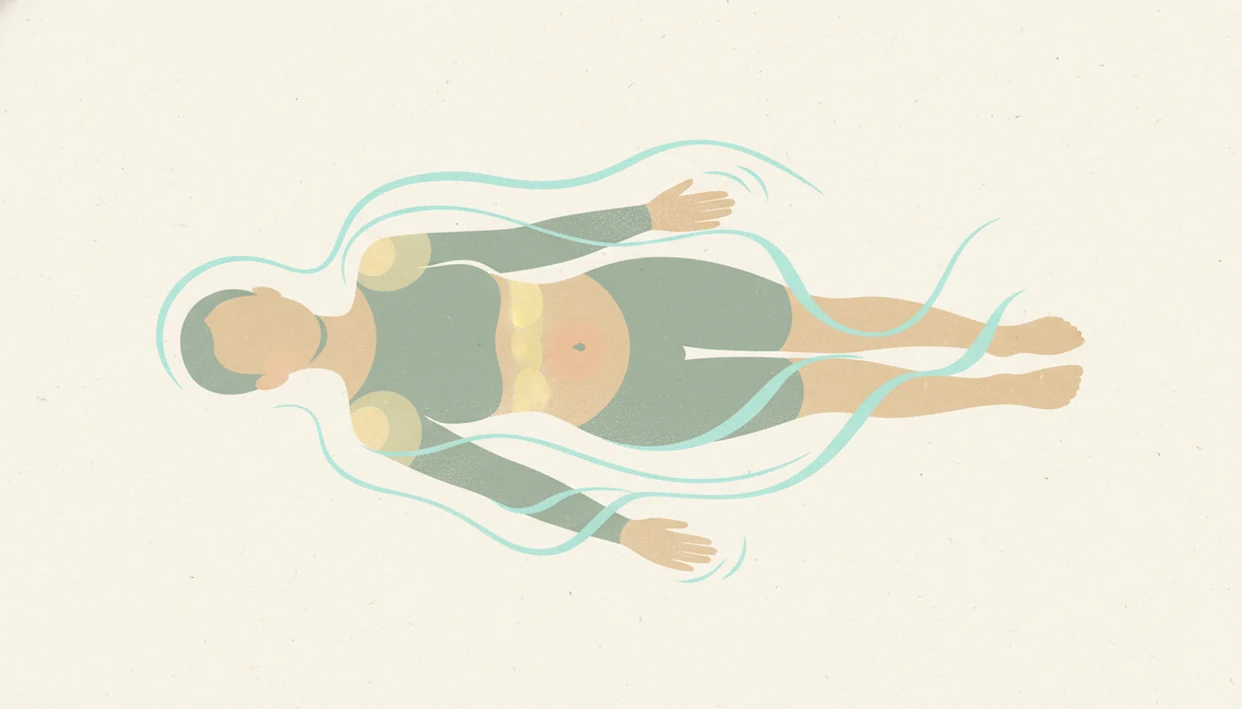


To manage stress by listening to the body, notice an early physical signal and respond with one calming action before tension builds. Body listening means treating sensations such as a clenched jaw, raised shoulders, shallow breathing or fatigue as cues to pause, not as a diagnosis. The body may show signs of stress before a person can put the feeling into words.
A useful routine is simple: notice the signal, name it, choose a response, then check what changed. That response might be gentle breathing, movement, rest or guided meditation. MindTastik offers breathing exercises, guided meditation, sleep audio and self-hypnosis sessions to support this habit. The aim is earlier recognition and recovery, not constant monitoring or the elimination of every stressful feeling.
The essentials
- Your body often shows stress before your mind fully names it.
- The most useful routine is: notice the signal, name it, choose one calming action, then track what changed.
- MindTastik can support this habit with guided meditation, sleep audio, breathing exercises, and self-hypnosis sessions for adults who want sleep, anxiety, and everyday calm support.
Body Signals That Define Stress Awareness
Body listening is a practical stress-management skill: you notice physical cues early, then choose a response before stress runs the whole day. It is not just “rest when tired,” and it is not a vague wellness phrase.
Common stress signals include jaw tension, tight shoulders, headache, stomach discomfort, racing heart, shallow breathing, fatigue, and sleep disruption. In a restless early morning, the clue might be pressure across the chest, teeth pressed together, and a body that has not fully settled. Exploring where your body stores emotions can help you reflect on how feelings appear as physical sensations.
The goal is earlier recovery, not eliminating all stress. Stress is part of life; staying stuck in stress is the problem. An APA report estimated that 77% of people regularly experience physical symptoms caused by stress, including fatigue, headache, muscle tension, or upset stomach APA research: full report.pdf.
Notice sooner. Recover sooner.
Five Physical Stress Signals to Watch
Five body signals are especially useful because they often appear before someone says, “I’m overwhelmed.” About 33% of adults report extreme stress, and 48% say stress increased over five years, according to the APA source.
- Muscle tension: Tight shoulders, jaw clenching, or a stiff neck may suggest your body is bracing.
- Breathing changes: Shallow breathing can show that your system has shifted into alert mode.
- Digestive discomfort: A tight stomach or nausea may appear when stress load rises.
- Sleep disruption: Trouble falling asleep, waking often, or bedtime racing thoughts can signal poor recovery.
- Energy crashes: Afternoon heaviness may mean your body has been running on high alert too long.
Suggested image caption: “A simple body-scan routine can help you notice stress signals before they build into burnout.”
For many people, a 5 minute meditation for anxiety support is easier than a long session because the body does not have to settle all at once.
Nervous System Mechanics Behind Body Listening
Stress changes the body because the nervous system shifts toward alert mode. Muscles tighten, breath gets shallower, heart rate may rise, digestion can slow or churn, and sleep becomes lighter.
Body listening works by creating a pause between the stress signal and the stress reaction. That pause matters. Feet planted on office carpet, fingers tracing a jacket zipper, one slow exhale can interrupt the automatic spiral.
Breathing exercises, progressive relaxation, and mindfulness can support emotional regulation by training attention and reducing reactivity. A JAMA Internal Medicine meta-analysis found that mindfulness-based stress reduction produced moderate improvements in mental health and quality of life across several populations JAMA Internal Medicine study: 1809754.
Clinicians typically recommend getting professional help when symptoms are severe, persistent, or medically concerning. Body awareness supports regulation; it does not diagnose what is causing symptoms.
Five-Step Body Listening Routine
Use this routine when stress feels physical, vague, or hard to name. Keep it short enough that you will repeat it. When money worries trigger physical tension, meditation for financial stress offers a focused option for your next calming practice.
- Pause: Stop for 30 to 60 seconds before reacting, replying, scrolling, or pushing through.
- Scan: Move attention from head to chest, belly, shoulders, hands, and legs.
- Name: Label sensations neutrally, such as tight, warm, heavy, restless, numb, or tired.
- Match: Choose one practice, such as slow breathing, a short walk, guided meditation, or sleep audio.
- Track: Write down how the body feels before and after the practice.
The most useful body-listening routine is notice, name, match, and track because it turns stress awareness into a repeatable behavior.
If shallow breathing shows up at night, breathing exercises for anxiety at night can give the body a clear next step.
A gentle breathing response, without forcing a deep breath
When shallow breathing is the signal, the response does not need to involve a large inhale or a breath hold. The NHS breathing exercise for stress recommends a comfortable position, gentle breathing into the abdomen without forcing it, and regular breaths for at least five minutes. Counting can help keep a steady pace, but comfort matters more than reaching a particular count.
Stop the exercise or return to normal breathing if it brings marked dizziness, tingling, chest discomfort, air hunger or worsening panic. A systematic review of slow breathing found improvements in perceived relaxation, but some comparisons did not show a significant reduction in anxiety. Feeling a little less tense can be a useful result; it does not prove that the underlying symptoms are harmless or that breathing alone is sufficient treatment. For additional coping guidance, panic attack meditation support can complement professional care, but it should never delay urgent assessment.
Best-Fit Stress Scenarios and Safety Boundaries
Body listening fits everyday stress patterns, but it is not a safety plan for urgent symptoms. Use it for routine regulation, not for delaying care.
| Best for | Not for |
|---|---|
| Everyday stress | Chest pain |
| Bedtime racing thoughts | Severe shortness of breath |
| Beginner meditation | Fainting |
| Workday tension | Persistent panic |
| Habit-building | Major depression |
| Focus resets | PTSD symptoms or medical concerns without professional help |
A good meditation app for sleep, anxiety, and everyday calm support can add structure, reminders, and guided practice; it should not claim to diagnose symptoms, provide emergency care, or replace treatment.
A train seat during the evening commute can be enough space for one reset. If work stress is the main trigger, a meditation for work stress reset may fit better than waiting until bedtime.
MindTastik Tools for Body-Based Stress Support
Apps can make body listening easier when you do not want to invent a practice from scratch. MindTastik offers guided meditation, sleep audio, breathing exercises, and self-hypnosis sessions for adults looking for gentle support with rest, anxiety, and everyday calm.
- Shallow breathing: Try breathing exercises with a simple count or guided pacing.
- Bedtime tension: Use sleep audio after dimming the phone screen and setting earbuds on the nightstand.
- Racing thoughts: Choose guided meditation when “I just need something to play when my thoughts get loud” is the whole plan.
- Restlessness: Pick a short calming session instead of forcing a long sit.
Meditation use among U.S. adults more than tripled from 4.1% in 2012 to 14.2% in 2017, per CDC survey data CDC guidance: db325.htm. Tools like MindTastik, Calm, and Headspace can support practice, but consistency still does the quiet work.
Seven-Day Stress Signal Tracking Plan
A seven-day plan helps you find patterns instead of guessing. Check in three times daily: morning, afternoon, and bedtime.
Track only three things: the body signal, the chosen practice, and the after-practice change. For example: “tight shoulders, 3 minutes breathing, less clenched.” That is enough. More detail often becomes homework.
Consistency matters because occasional use may not produce noticeable results. Evidence for mindfulness practice is promising but not uniform: benefits vary by program length, adherence, baseline stress, and whether someone is also receiving professional care.
For beginners, body listening usually works best when the practice is short and repeated daily, while longer meditation fits people who already tolerate stillness well. During study periods, meditation for exam stress can provide a short practice to support calm before returning to revision.
If anxiety is the main pattern, a meditation app for anxiety support can help you compare guided sessions, breathing tools, and bedtime support.
Guided audio for shallow breathing and bedtime tension
MindTastik’s guided breathing exercises suit moments when shallow breathing is the clearest stress signal and a spoken pace would help. Guided meditation can provide an attention anchor for racing thoughts, while sleep audio offers a bedtime option. These sessions provide structure, not a diagnosis. People whose symptoms are severe, persistent or unexplained should seek professional assessment rather than rely on an app. Anyone who finds breath-focused practice uncomfortable can choose another calming activity instead.
Body signals cannot confirm that stress is the cause
Body listening is useful, but it has clear limits.
- It cannot diagnose the cause of chest tightness, pain, fatigue, dizziness, or stomach symptoms.
- Chest pain, severe shortness of breath, fainting, or sudden intense symptoms require urgent medical evaluation.
- Persistent anxiety, depression, trauma symptoms, or major sleep disruption may need professional care.
- Meditation apps are not stand-alone treatments for clinical anxiety disorders, major depression, PTSD, or other serious conditions.
- Body-focused practices can feel uncomfortable or triggering for some trauma survivors.
- Benefits depend on consistency, so irregular practice may not help much.
- Stress reduction does not mean stress disappears; the goal is better recovery and regulation.
If symptoms feel like panic, panic attack meditation support should be paired with safety guidance, not used as a substitute for care.
Body listening does not require calm or constant checking
- Myth: You need to feel calm before a reset works. Reality: a steady breath practiced while you still feel tense can be the starting point, not the finish line.
- Myth: Body listening means analyzing every sensation. Reality: pick one clear signal, such as tight shoulders or a clenched jaw, and answer it with one small action.
- Myth: Longer sessions are automatically better. Reality: a counted exhale for two minutes may be more repeatable than a 20-minute routine you avoid.
- Myth: If your thoughts keep racing, you are doing it wrong. Reality: the goal is to notice the race sooner and return to the next breath without turning it into a test.
For paced breathing you can open in seconds, MindTastik breathing exercises keeps short exercises ready between meetings or before sleep.
Questions about physical stress signals
What does listening to the body mean for stress management?
It means noticing a physical change, such as jaw tension, shallow breathing or a tight stomach, and using it as a cue to pause. Name the sensation, choose one calming action, then check for a change. The sensation is information, not proof that stress is its cause.
How can I tell if a physical symptom is stress or something medical?
Body listening cannot reliably make that distinction. Anxiety can cause palpitations, nausea, dizziness and breathing changes, but those symptoms can have other causes. New, severe or unexplained chest pain, fainting, significant breathing difficulty or neurological symptoms need urgent medical assessment rather than a breathing exercise.
How often should I check in with my body?
The seven-day plan on this page uses three brief check-ins: morning, afternoon and bedtime. Record one signal, one response and what changed afterward. This is a practical routine, not a proven ideal frequency. If checking turns into repeated symptom analysis, reduce the monitoring rather than adding more detail.
Should I take deep breaths when stress makes my breathing shallow?
Aim for gentle, comfortable breathing rather than the biggest possible inhale. A steady pace and optional counting can provide an anchor. Forceful overbreathing or prolonged breath holds may be uncomfortable, particularly during panic. Stop or return to normal breathing if dizziness, tingling, air hunger or panic increases.
Why does focusing on my body sometimes make anxiety worse?
People experiencing panic can become more focused on bodily sensations, and body-focused practices can feel uncomfortable for some trauma survivors. A body scan is not compulsory. A short walk or guided practice with less emphasis on internal sensations may be a better choice. Persistent panic or trauma symptoms warrant professional support.
Does feeling more relaxed mean the stress has gone away?
Not necessarily. Slow-breathing research distinguishes perceived relaxation from anxiety reduction, and some comparisons found improved relaxation without a significant anxiety change. A looser jaw or less tense shoulders can still be useful. It is a short-term observation, not evidence that every source of stress has been resolved.
Is anxiety literally stored in the body?
That is not an established literal medical claim. Anxiety involves psychological processes and real bodily responses, including changes in breathing, heart rate and muscle tension. Body listening helps identify those responses. Breathing or relaxation may change arousal, but it does not remove a stored substance or memory from the body.