
How to Feel at Ease When Stressed
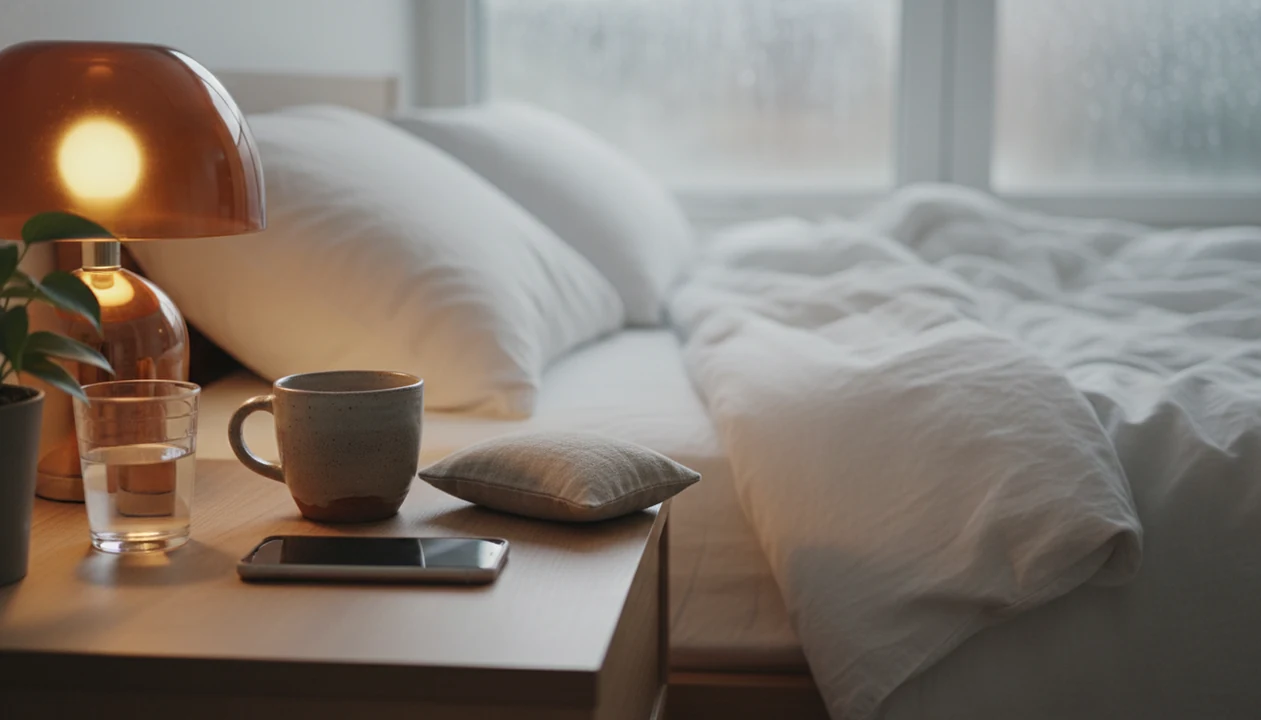


To feel at ease when stressed, start with gentle, slower breathing, notice a few things in the present moment, and choose one small next action. Feeling at ease means moving from high alert toward a calmer state, with less muscle tension, steadier breathing, and thoughts that are easier to sort. It does not mean every worry disappears.
Short breathing exercises, guided meditation, and a quieter bedtime routine offer ways to pause without solving everything at once. The immediate goal is a little more room to decide what comes next. This guide covers everyday stress support, not diagnosis or treatment. Chest pain, fainting, severe anxiety, trauma symptoms, or self-harm thoughts need care beyond a self-guided calming routine.
Start here
- Use slow breathing first because it gives your nervous system a clear signal that the immediate threat has passed.
- Pair quick in-the-moment tools with daily habits like short meditation, sleep audio, movement, and reduced stimulation.
- A guided meditation app can support the routine with guided meditation, sleep audio, breathing exercises, and calming sessions for sleep, anxiety, focus, and everyday calm.
Stress Ease Definition for How to Feel at Ease When Stressed
Feeling at ease when stressed means shifting your body and mind out of a high-alert state into a calmer state where breathing, heart rate, muscle tension, and racing thoughts begin to settle.
That does not mean stress disappears on command. It means the volume drops. Your shoulders may lower, your breath may stop catching, and your thoughts may become easier to sort. The useful sign is not “I feel amazing.” It is “I have a little more choice now.”
Stress and anxiety symptoms are common. Per the CDC, about 27.3% of U.S. adults reported anxiety disorder symptoms during a given week in the COVID-19 pandemic, compared with about 8.1% in 2019. CDC guidance: mm7013e2.htm. That statistic does not diagnose anyone, but it does show how normal it is to need practical calming skills.
The first minute can feel messy.
Five Facts in a How to Feel at Ease When Stressed Guide
- Breathing helps quickly: Slow breathing, especially with longer exhales, can reduce the body’s stress intensity within a few minutes.
- Mindfulness helps with repetition: A JAMA Internal Medicine meta-analysis found mindfulness programs produced small to moderate reductions in psychological stress JAMA Internal Medicine study: 1809754.
- Sleep matters: Poor sleep can make worry, irritability, and tension feel louder the next day.
- Small steps beat powering through: For many people, one grounded next action works better than trying to solve every problem at once.
- Structured audio can improve consistency: A systematic review found app-based mindfulness and relaxation programs reduced stress and anxiety in multiple trials NIH research: PMC6080374.
For acute stress, a short reset is often easier than a long practice because the body needs a simple cue first.
Stress Signals in the Body During Fight-or-Flight
Stress ease works by giving the nervous system a different signal. Fight-or-flight activation can bring faster breathing, tight muscles, sharp vigilance, and thoughts that jump from one problem to the next. Learning how chronic stress affects the nervous system can help explain why your body stays on alert.
Slow, exhale-focused breathing may help cue the parasympathetic calming response. In plain language, the body gets a message that it can downshift. Present-moment attention adds another cue because you stop rehearsing every possible outcome and notice what is actually here. To calm an overactive nervous system, combine gentle breathing with simple grounding practices that feel manageable.
Guided audio can help because it lowers decision load. When stress is high, choosing between ten techniques can feel like another task. Following a voice, sound, or simple sequence is easier than inventing a calming plan from scratch.
Meditation supports stress regulation, but it is not medical treatment. Clinicians typically recommend professional support when stress becomes severe, unsafe, or tied to panic, trauma, depression, or physical symptoms.
Before You Try Stress-Ease Techniques
Before you try stress-ease techniques, make sure the moment is safe enough for self-guided calming. These tools fit everyday stress best, not emergencies, medical symptoms, or situations where you might be in danger. You can calibrate your alarm system by distinguishing genuine danger from stress signals that arise in safe situations.
Use a quick setup so the practice feels small and doable rather than like another task.
- Check your physical safety first. If you are driving, crossing a street, in conflict, or near anything risky, move to safety before starting.
- Choose a quiet-enough place where you can breathe without rushing. It does not have to be silent; it just needs to feel less demanding.
- Set a short timer, such as one to three minutes, so your brain knows this is manageable.
- Keep the breath gentle. If deep breathing makes panic, chest tightness, tingling, or dizziness worse, stop forcing it and return to normal breathing.
- Seek urgent help if you have chest pain, fainting, immediate danger, or thoughts of harming yourself. Calming audio can wait; safety comes first.
Five Stress-Ease Steps for Home, Work, or Bedtime
Use these steps when stress spikes at home, at your desk, or before sleep. Keep them plain. Fancy plans are hard to follow when your body is already on alert.
- Pause and name the stress signal: “My chest is tight,” “My thoughts are racing,” or “I’m bracing.”
- Breathe slowly with longer exhales for 60 to 90 seconds, such as inhaling for four and exhaling for six.
- Ground attention through senses or contact points, like feet on the floor or fabric against your skin.
- Choose one small next action, such as sending one message, closing one tab, or turning down the lights.
- Reset later with a guided meditation, breathing session, or sleep routine when the pressure has passed.
If the spike happens during the workday, a meditation for work stress routine can make the reset more repeatable.
Best Use Cases and Red Flags for Stress-Ease Techniques
Stress-ease techniques are most useful for everyday tension and early stress signals. They are not enough for emergencies or symptoms that need clinical care.
| Best for | Not for |
|---|---|
| Everyday stress after a hard conversation | Chest pain, fainting, or symptoms that may be medical |
| Racing thoughts before a meeting or exam | Severe anxiety symptoms that feel unmanageable |
| Bedtime worry and restless thinking | Trauma flashbacks or dissociation |
| Focus pressure during work or study | Self-harm thoughts or danger to yourself or others |
| Building a everyday calm habit | Situations where professional care is needed |
A meditation app can support a routine, but it should not replace therapy, medication, emergency help, or advice from a qualified professional.
Four Breathing, Grounding, and Meditation Tools for Stress Ease
Longer-exhale breathing: Use this when stress feels panic-like or physical. Try a shorter inhale and a longer exhale for one to three minutes.
5-4-3-2-1 grounding: Use this when your mind is spiraling. Name five things you see, four you feel, three you hear, two you smell, and one you taste.
Body scan: Use this when muscle tension is the loudest signal. Move attention from head to feet, softening one area at a time.
10-minute guided meditation: Use this for general overwhelm, especially when you want someone else to lead the sequence. Meditation does not require clearing the mind completely; wandering thoughts are part of the practice.
Image caption suggestion: A person using slow breathing and guided audio to feel more at ease during a stressful moment.
If ten minutes feels too long, a 5 minute meditation for anxiety support can be a realistic starting point.
Common Mistakes When Trying to Feel at Ease When Stressed
The biggest mistake is treating calm like a pass-fail test. Stress ease usually starts by lowering intensity one notch, not by becoming perfectly relaxed in one session.
If a technique seems to make things worse, adjust the dose before you abandon it. Many people breathe too deeply, inhale too fast, or keep scrolling upsetting updates while a calming track plays in the background. That gives the body mixed signals.
- Aim for “slightly steadier” instead of completely calm. A small drop in tension still counts.
- Soften the breath if deep breathing feels activating. Use gentle, normal-size inhales and longer, easy exhales.
- Stay with one method for at least one to three minutes before switching. Jumping every few seconds can keep the mind searching instead of settling.
- Pause stressful inputs while you practice. Calming audio works better when it is not competing with emails, news, or conflict threads.
- Repeat the practice over time and get support when needed. One reset can help the moment, but ongoing stress may need routine practice, care, or professional guidance. For lingering emotional strain, meditation for emotional healing may offer a gentle way to practice awareness and self-kindness.
Let a worried thought remain without solving it immediately
Trying to force a worried thought away can turn a calming exercise into another struggle. Acceptance offers a different aim: allowing a thought or feeling to be present without automatically fighting it or avoiding it. A review of acceptance- and mindfulness-based methods describes this approach as potentially useful for stress-related symptoms, while emphasizing that benefits are generally modest. Acceptance is not a promise that discomfort will stop. Practicing mindfulness for emotional reactivity adds compassion to the pause, helping you respond without judging your initial reaction.
A practical version is to name what is happening, such as “worry about tomorrow,” then return attention to feet on the floor or an easy breath. The thought can remain in the background while the next small action gets attention. This does not mean accepting an unsafe situation or leaving a real problem unresolved. It means postponing the demand to settle every thought before doing anything else.
Sleep Habits That Make It Easier to Feel at Ease When Stressed
Can better sleep make stress easier to handle? Yes, poor sleep lowers emotional resilience and can make worry, irritability, and body tension feel stronger.
Per the CDC, adults sleeping less than 7 hours are more likely to report frequent mental distress than those sleeping 7 to 9 hours. The CDC also reports that about 32.3% of adults get less than 7 hours of sleep per 24-hour period. CDC guidance: adults sleep facts and stats.html. That is a lot of people trying to stay calm on a short battery.
A simple wind-down routine helps: choose a consistent bedtime, step away from scrolling, soften the room lighting, start a sleep meditation, and use calming audio instead of mentally rehearsing the next day. Many people know that restless middle-of-the-night reach for the phone.
Tools like MindTastik, Calm, and Headspace can make bedtime audio easier to start. For night-specific breathing, try breathing exercises for anxiety at night.
MindTastik Tools for Stress, Sleep, Anxiety, and Focus
MindTastik offers guided meditations, sleep audio, breathing practices, and self-hypnosis sessions for adults looking for everyday support with rest, stress, and a calmer routine.
Different stress moments need different starting points. A breathing exercise can fit a one-minute reset when you want steadier breath. A guided meditation may help when the same worries keep circling. Sleep audio can support the moment when you settle in, release your shoulders, and let a calm voice guide the next exhale.
For work or study stress, focus sessions can reduce mental clutter without turning calm into productivity pressure. The useful habit is matching the session to the moment, then repeating it often enough that the choice becomes easier.
Reminders, categories, and saved sessions can help, but the practice still asks for engagement. The Best Meditation App for Sleep is the one you will actually use when you need a calm voice to guide you out of mental overdrive.
Evidence Behind These Stress-Ease Steps
The main stress-ease steps are supported by research on breathing, mindfulness, and sleep, but they should be understood as supportive self-care. They can help lower stress intensity; they are not claims of medical treatment or a substitute for professional care.
- Use slow breathing to give the body a downshift cue. Longer exhales can support parasympathetic activity, the “rest and digest” side of the nervous system, which may soften heart rate, muscle tension, and urgency.
- Practice mindfulness because repeated present-moment attention has been linked with reduced stress and anxiety symptoms in research. The benefit usually comes from repetition, not one perfect session.
- Protect sleep duration because short or poor sleep can make emotional regulation harder. When the brain is tired, worry and irritability often feel louder, and resilience feels thinner.
- Choose app-based mindfulness as a practical aid, not a guarantee. Studies are promising, but results are mixed, and people still need consistency, privacy, and the right session for the moment.
- Separate calming support from clinical treatment. If stress is severe, unsafe, trauma-linked, or worsening, use these tools alongside qualified help.
Guided sessions for racing thoughts and physical tension
MindTastik’s breathing exercises suit a short, structured pause when counting alone feels like another task. Guided meditations offer a different starting point when worries keep circling, while sleep stories and soundscapes fit a quieter bedtime routine. These sessions provide something simple to follow, not a requirement to become perfectly calm. People with severe or worsening symptoms, persistent insomnia, or trauma-related distress should seek professional support rather than rely on an app. MindTastik is not a medical treatment.
When a stress reset is not enough
Breathing, meditation, and calming apps can support stress relief, but they have limits. Please treat these tools as supportive practice, not a safety plan.
- Breathing and meditation are not replacements for professional care when symptoms are severe, unsafe, or worsening.
- Results are not instant or guaranteed. Many people need weeks of consistent practice before stress feels easier to manage.
- App-based tools require engagement, smartphone access, battery life, and enough privacy to listen or practice.
- Scrolling relaxation content can backfire if it turns into another hour of stimulation.
- Multitasking during relaxation, such as checking messages during audio, can keep the stress loop active.
- Evidence is still limited on which specific app features add benefit beyond guided audio, mindfulness basics, and reminders.
- Seek urgent help for chest pain, danger, fainting, or thoughts of self-harm.
For ongoing worry, a meditation app for anxiety support may help alongside appropriate care.
For paced breathing you can open in seconds, MindTastik breathing exercises keeps short exercises ready between meetings or before sleep.
Questions about feeling at ease under stress
How can I feel more at ease when stress hits suddenly?
Start with a brief pause in a safe place. Let the breath slow gently, feel both feet on the floor, and name a few neutral objects nearby. Then choose one manageable action. The goal is less urgency, not instant relaxation or solving the whole problem.
What if deep breathing makes me feel more tense?
Avoid forcing large breaths or holding a count that feels uncomfortable. Try normal-size inhales and easy, slightly longer exhales instead. If attention to breathing increases distress, switch to noticing objects, sounds, or contact with the floor. A technique that feels worse does not need to be continued.
How do I stop racing thoughts when I am stressed?
A useful goal is to interrupt the loop rather than eliminate every thought. Name the worry briefly, notice something concrete in the room, and return to one task. Guided meditation can provide structure, but wandering thoughts are expected. Repeated or unmanageable anxiety needs more than a short reset.
Can a short meditation help, or do I need a longer session?
Brief guided practices can reduce immediate anxiety, but that does not establish lasting relief from chronic stress. Many app studies prescribe about 10 minutes daily, and the best dose remains uncertain. A manageable session is a reasonable starting point; longer practice is not automatically better.
Why do I still feel stressed after a calming exercise?
A calming exercise may lower intensity without removing the cause of stress. Results are not guaranteed, and one session is not a reliable test of a routine. Look for a smaller change, such as less bracing or clearer thinking, rather than treating complete calm as the only useful outcome.
What helps when stress keeps me awake at night?
Keep the wind-down simple: reduce scrolling, soften the lighting, and choose quiet audio or a gentle body scan. Avoid making sleep another performance target. Meditation may help some sleep outcomes, but findings are inconsistent, especially for chronic insomnia. Persistent sleep trouble deserves professional assessment.
Does feeling at ease mean ignoring my problems?
No. A short reset creates a pause before responding; it does not replace action on the problem. After grounding or gentle breathing, identify one concrete step, such as sending a message or setting a boundary. Acceptance means allowing feelings to exist, not accepting danger or abandoning practical decisions.
When should I get help instead of trying to calm myself?
Chest pain, fainting, immediate danger, or self-harm thoughts are not situations for relying on meditation or breathing exercises. Seek urgent help. Professional support is also appropriate when anxiety is severe, symptoms keep worsening, trauma symptoms occur, or sleep problems persist despite changes to the routine.