
Meditation Posture Guide for Sleep, Anxiety, and Focus
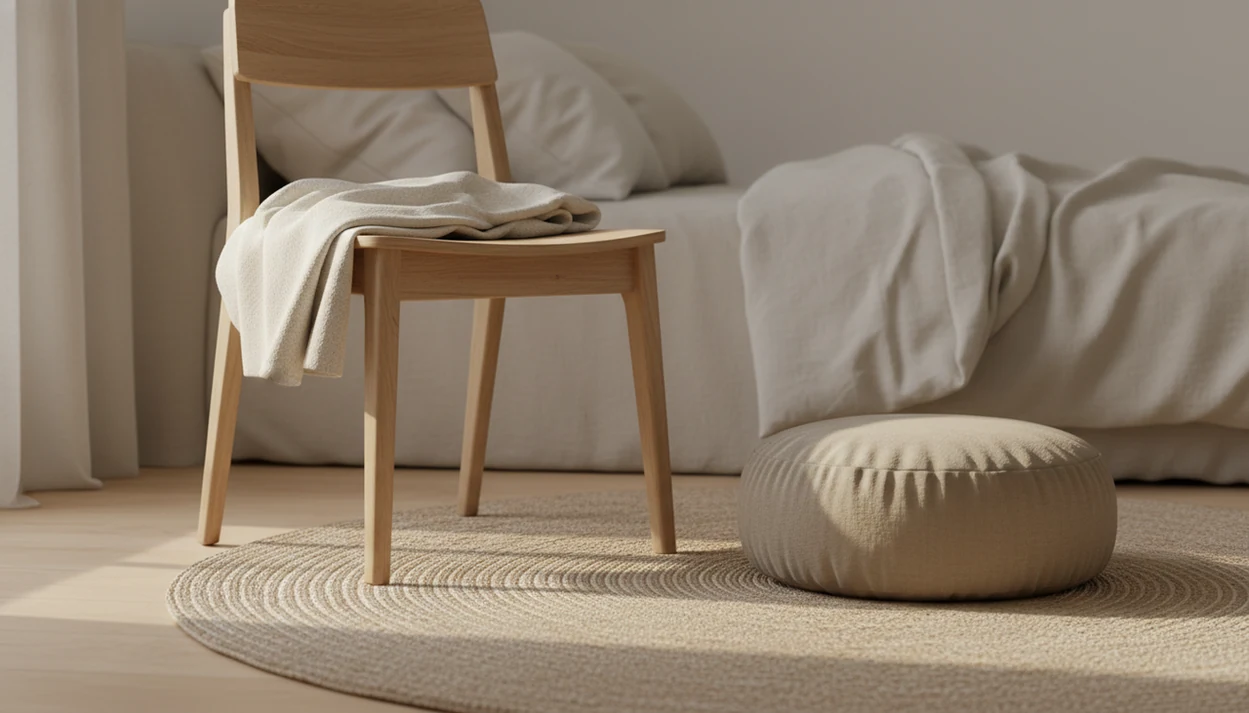


The best meditation posture is a comfortable, stable position that supports alertness without pain, usually sitting upright on a chair or cushion, or lying down when the goal is sleep. Meditation posture means how the body is positioned so breathing, attention, and comfort can work together without unnecessary strain. Keep the spine long rather than rigid, with relaxed shoulders and a soft jaw. For practical ways to begin, explore meditation techniques that pair comfortable positioning with a clear focus for attention.
Lotus pose is not required. A chair, cushion, bed, standing position, or walking practice can all work. Upright sitting usually suits anxiety support and focus better than lying down, while a reclined position makes sense for bedtime meditation. The useful choice is a position that can be repeated comfortably, not one that demands flexibility or forced stillness. If you are weighing seated and moving practices, compare meditation types before choosing a position that suits your goal.
Posture essentials
- You do not need lotus pose; a chair, cushion, bed, standing position, or walking practice can all work.
- For anxiety and focus, an upright seated posture usually supports alertness better than lying down.
- For sleep meditation, lying down is practical, especially when using a guided app session before bed. For a structured bedtime practice, try body scan meditation for sleep while resting in a comfortable, supported position.
- Keep the spine long, not rigid. Sit or lie in a way that gives the breath room without forcing your back into a military shape.
- Relax the shoulders, face, jaw, and belly. A clenched jaw can make a calm session feel like work. Noticing tension without forcing relaxation is central to body scan meditation, which can also support a calmer bedtime routine.
- Rest the hands somewhere effortless. Thighs, lap, or a cushion all work if the shoulders can drop.
- Use support before pain takes over. A folded blanket, pillow, wall, or chair back can save the session.
- Adjust gently when needed. Pain, numbness, or restricted breathing are signs to move, not signs to endure.
Set up a supported chair and finish without rushing
A chair setup does not need to imitate a floor posture. Harvard Health’s meditation guidance recommends sitting with the back supported and feet flat on the floor. This gives beginners a concrete starting point without requiring crossed legs or kneeling. Settle into the support before starting the audio, then check that the shoulders and jaw are not tightening to hold the position.
The end of a session deserves a little time, too. The NHS beginner instructions recommend gently opening the eyes and remaining seated briefly before standing. Treat this as part of the practice rather than jumping straight into the next task. The guidance recommends seated meditation but does not require a cross-legged floor position.
A simpler position may be easier to keep practising
A 2023 randomized trial of sitting and movement meditation compared daily 10-minute and 30-minute practices over two weeks. Overall dropout was 40.5%, and the odds of dropout were 2.54 times higher with movement meditation than with sitting meditation. That finding supports trying a simple seated practice first, but it does not establish that a particular chair or cushion position produces better meditation results.
The distinction matters: completing a practice and benefiting from it are different questions. This trial compared meditation formats and durations, not spinal alignment, lotus pose, or lying down. Its practical use here is modest. Begin with a comfortable setup that does not add unnecessary demands, and change the position when discomfort becomes the main task rather than treating continued stillness as proof of progress. To compare how different practices direct attention, explore types of mindfulness meditation and choose an approach you can repeat comfortably.
Guided sessions for sitting practice and bedtime
MindTastik’s guided meditation library offers a way to practise attention in a comfortable seat, while its focus sessions suit an upright setup. Sleep stories are a better match for lying down when staying awake is no longer the goal. Audio can provide instructions, but it cannot assess body alignment or explain persistent pain. People who need posture corrections or help with an injury should seek individualized guidance rather than rely on an app.
What posture cannot solve, and when to get help
Meditation posture can support practice, but it does not determine results by itself. Breath awareness, attention training, session length, emotional state, sleep pressure, and consistency all matter.
- No single posture is proven universally superior for sleep, anxiety, or focus.
- Chronic pain, injuries, pregnancy, mobility limits, and neurological symptoms may require individualized guidance.
- Rigid posture advice can worsen pain, tension, or breath restriction.
- Guided meditation apps can support consistency, but they do not replace medical care, therapy, or physical-therapy advice.
- Mindfulness research supports programs overall, not one exact sitting pose.
- Lying down may help bedtime practice, but it can make focus sessions too sleepy.
- Chair meditation is accessible for many people, but poor seat height can still strain hips or knees.
If your jaw feels clenched as you settle into a quiet room and worry keeps circling, posture may help your body soften. It is still only one part of the routine. MindTastik can be a gentle starting point, along with practices like progressive muscle relaxation for sleep.
Chair, cushion, or lying down: match posture to the goal
Chair posture works best when you want alertness without turning the session into a flexibility test; a cushion can work well if your hips stay higher than your knees; lying down fits sleep-focused practice more than concentration practice. The right posture is the one that lets a steady breath feel available without making your body the main problem to solve. If you are unsure, start with a short session in a chair and change only one support at a time. Your preferred posture can help you consider which meditation style fits you, alongside your goals and comfort with different practices.
Adjust tension and tingling instead of forcing stillness
A common mistake is treating posture like a performance instead of a repeatable setup. A useful posture should feel organized, not impressive. If your shoulders lift, jaw tightens, or legs tingle quickly, the smarter habit is to adjust early rather than force stillness. Small comfort choices tend to protect consistency better than dramatic willpower.
If you are ready to move from tips to practice, MindTastik guided meditation app is where MindTastik keeps its guided meditation experience.
Meditation posture questions
What is the best meditation posture for beginners?
A supported chair is a practical starting point: keep the feet flat on the floor, let the back rest against support, and relax the shoulders and jaw. The aim is comfortable alertness, not a perfectly straight silhouette. A cushion is another option if it does not strain the hips or knees.
Can I meditate lying down without falling asleep?
Lying down is a valid meditation position, but it fits sleep practice better than concentration practice. When staying alert matters, upright sitting is usually the more useful choice. No position guarantees wakefulness, and changing posture alone may not overcome strong sleep pressure.
Do I need to sit in lotus position to meditate?
No. Meditation does not require lotus pose, crossed legs, or sitting on the floor. A chair, cushion, standing position, or walking practice can support attention. Choose a position that permits comfortable breathing and does not turn knee, hip, or back discomfort into the main focus of the session.
Should my back be straight during meditation?
Aim for a long spine without stiffness. Sitting upright does not mean holding the back rigid or refusing support. Harvard Health recommends a chair with the back supported. If maintaining the position causes pain, tension, or restricted breathing, adjust the setup rather than trying harder to hold it.
Why do my legs go numb when I meditate?
Numbness is a reason to change position, not a requirement of meditation. A general posture guide cannot determine its cause. Stop forcing the seat, and consider a supported chair instead. Persistent numbness, weakness, pain, or symptoms travelling down an arm or leg need medical guidance.
What meditation posture is best for anxiety?
A comfortable upright seat usually supports alertness while allowing the shoulders and jaw to soften. The position should not demand constant effort or create pain. Posture can support the session, but no single posture is proven best for anxiety, and meditation is not a replacement for appropriate mental-health care.
What posture should I use for sleep meditation?
Lying down is practical when sleep is the intended outcome. The body can settle without the need to maintain an upright seat. A reclined guided practice or sleep story fits this goal better than an alertness-focused session. There is no universally superior sleep meditation posture.
Is it okay to move or change position during meditation?
Yes. Adjusting early is more useful than forcing stillness through tightening shoulders, a clenched jaw, or tingling legs. Change one support or position at a time so the effect is clear. Persistent or worsening symptoms call for medical guidance, not a longer attempt to tolerate the posture.