
How Meditation Helps With Difficult Emotions
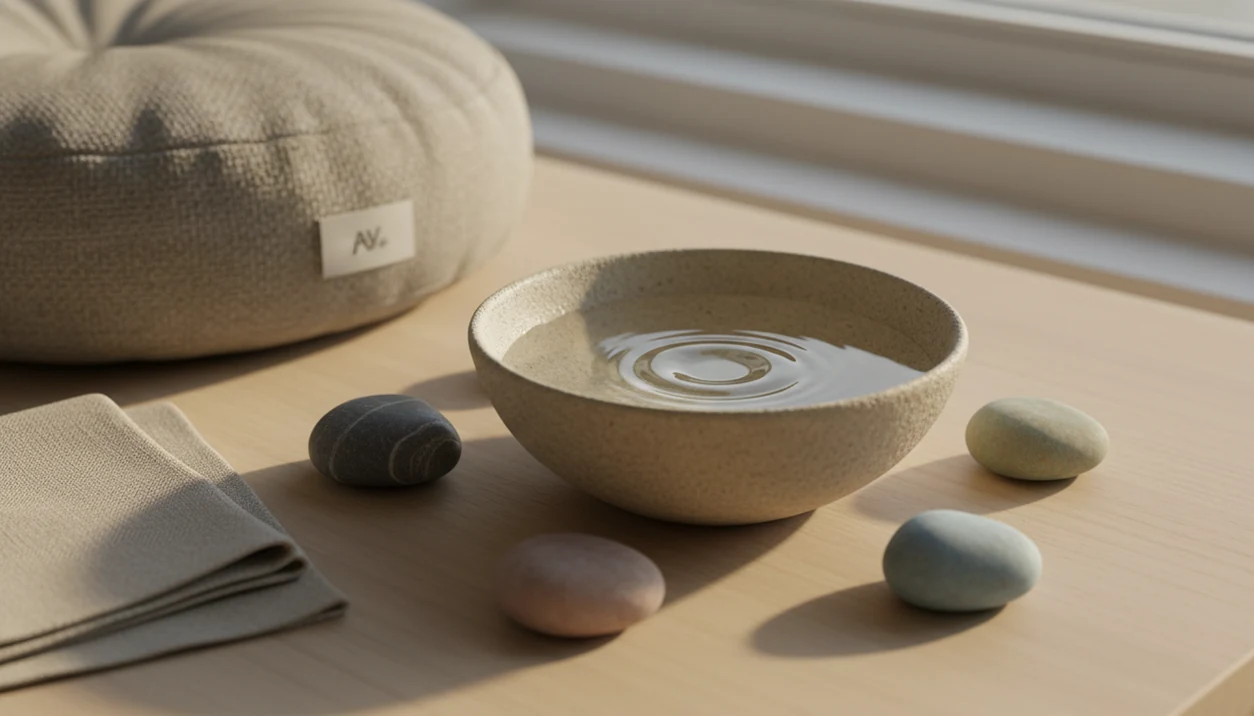


Meditation for difficult emotions trains attention so anger, anxiety, sadness, or stress can be noticed without an immediate reaction. The practice involves observing emotional sensations, thoughts, and urges rather than suppressing them or acting on them automatically. Breathing, body awareness, and nonjudgmental attention provide a place to return when a feeling starts to dominate the moment.
The aim is not to erase emotion. It is to create enough space to choose the next response, such as delaying a message, setting a boundary, or asking for support. Mindful breathing, body scans, emotion labeling, and RAIN offer different ways to practice this pause. Short, repeated sessions can make practice easier to maintain, but meditation should not replace professional care for severe or trauma-related distress.
What matters most
- Meditation does not erase difficult emotions; it helps you regulate them with more awareness and less reactivity.
- Mindful breathing, body scans, emotion labeling, and RAIN are practical techniques for anger, anxiety, sadness, and stress.
- Consistent short practice usually matters more than one long session, and meditation should not replace professional care for severe or trauma-related distress.
How Meditation Helps With Difficult Emotions in Plain English
Meditation helps with difficult emotions by creating a pause between what you feel and what you do next. That pause can be small, maybe one breath before sending the message, but it changes the moment.
In practice, you notice the emotion, name it, and feel where it shows up in the body. Anger might feel hot in the face. Anxiety might sit as pressure in the chest. Sadness may feel heavy behind the eyes. The goal is not to become emotionless. The goal is emotional regulation, which means staying aware enough to respond with more choice. For moments when anger feels intense, meditation for anger offers a focused way to practice responding more calmly.
A guided meditation tool for sleep anxiety and everyday calm should offer guided sessions, breathing support, and repeatable routines, not promises to erase pain or replace care. Use guided audio as practice support, not as mental health treatment.
Meditation Mechanisms for Emotional Regulation
Meditation works for emotional regulation by training attention, decentering thoughts, and increasing body-based awareness during emotional activation. In plain English, it helps you notice “I am having anger” instead of becoming the anger.
Attention training is the repeated act of returning to the breath, body, or sound when the mind spirals. You drift into a replay of the argument, then come back to one inhale. Again. That repetition matters.
Decentering means seeing thoughts and emotions as experiences, not commands. “I need to fix this right now” becomes a mental event you can observe. Body awareness adds another layer: tightness in the jaw, heat in the neck, pressure in the ribs, heaviness in the stomach, or restless legs under the desk. Practicing mindfulness of anger can help you observe heated thoughts and physical sensations before choosing your response.
Emotion regulation is different from suppression. Suppression says, “Don’t feel this.” Regulation says, “Feel this without being pushed around by it.” A 2019 brief mindfulness meditation study found changes in emotion intensity, emotional memory, and emotional attention bias after practice PMC research article: PMC6795685. To explore this distinction in daily life, learn how to process emotions without suppressing them while acknowledging what you feel.
What research says about noticing versus accepting emotions
A 2025 review of 110 studies involving 8,105 participants found a small overall benefit from mindfulness-based strategies for emotional reactivity and regulation. Results varied substantially across studies. Components involving equanimity, a steadier attitude toward experience, showed a larger effect than monitoring alone. This distinction matters: noticing every sensation is not the same as learning to meet it without immediately resisting or reacting.
A 2026 review of 16 randomized controlled trials involving 988 participants also found improvements in cognitive reappraisal and overall emotion dysregulation. Reappraisal means changing how a situation is interpreted, rather than forcing a feeling away. These findings support meditation as one way to develop emotional skills, but they do not establish that a single brief session will stop anger, anxiety, or sadness.
Five Facts About Meditation and Difficult Emotions
- Meditation does not remove emotions; it helps you notice them clearly before reacting.
- Breathing practices and body scans anchor attention in the present when thoughts start looping.
- Naming an emotion, such as “anger” or “fear,” can reduce overwhelm by making the experience more specific.
- Acceptance is not approval; it means allowing the feeling to be noticed without pretending it is fine. If chakra-based practices appeal to you, heart chakra meditation for emotional balance offers another framework for reflection.
- Repeated practice improves the skill over time, especially when sessions are short enough to repeat.
The research is encouraging but measured. A 2016 systematic review and meta-analysis found moderate evidence that mindfulness meditation programs improved anxiety, depression, and pain. A 2014 review reported small to moderate improvements in anxiety and depression symptoms across mindfulness-based interventions NIH research: PMC4117424.
For many people, short repeatable practice is easier than waiting for one long session because emotional regulation is learned through repetition.
Five-Step Meditation Practice for Difficult Emotions
Use this practice when an emotion feels loud but you are safe enough to pause. If you are new, guided audio can reduce the guesswork.
- Set a timer for 3 to 10 minutes. Choose a length you can finish, not the length you think you “should” do.
- Place attention on the breath or another safe anchor. Use breath, feet on the floor, ambient sound, or the feeling of clothing on skin.
- Name the emotion in simple words. Try “anger is here,” “worry is here,” or “sadness is here.”
- Scan the body for sensations without forcing change. Notice heat, tightness, pressure, numbness, or restlessness.
- Choose one next action after the practice. Send the calmer reply, step outside, drink water, write one sentence, or ask for support.
A small notebook beside a meditation cushion can help here. One line is enough.
Guided sessions can help beginners stay with the steps when silent practice feels too open-ended. If you want more starting points, our meditation techniques for beginners guide keeps the instructions simple.
Meditation Techniques for Anger, Anxiety, Sadness, and Stress
Different emotions often need different meditation techniques. Matching the practice to the moment can make the first few minutes less frustrating.
| Emotion or pattern | Useful technique | How it helps |
|---|---|---|
| Anxiety or panic-like spiraling | Mindful breathing | Gives attention one steady place to land when thoughts speed up. |
| Stress, tension, or numbness | Body scan | Helps you notice clenched muscles, shallow breathing, or areas that feel shut down. |
| Anger or rumination | Emotion labeling | Turns “I’m losing it” into “anger and replaying are here.” |
| Self-criticism or resentment | Loving-kindness | Practices phrases of goodwill without forcing forgiveness or false positivity. |
| Strong mixed emotions | RAIN | Slows the reaction cycle by recognizing, allowing, investigating, and not over-identifying. |
Feet planted on office carpet can be enough for the first anchor. You do not need a cushion or quiet room.
If you want a broader menu, the Meditation Techniques: A Practical Library compares options by use case.
Naming a feeling is a starting point, not a complete solution
Emotion labeling can help make an intense experience more specific, but it is not uniformly calming. A 2022 experimental study of affect labeling found reduced distress during high-intensity aversive conditions but increased distress during low-intensity conditions. The finding cautions against repeatedly examining every mild feeling in the hope that naming it will always make it fade.
A practical approach is to name the feeling briefly, then notice whether doing so helps or increases fixation. If attention becomes stuck on the label, return to another anchor, such as feet on the floor or ambient sound. Naming can be followed by considering another interpretation, delaying a response, communicating a need, or addressing the problem. It need not become the whole practice.
RAIN Meditation Guide for Difficult Emotions
RAIN is a four-part meditation method for strong emotions: Recognize, Allow or Accept, Investigate, and Non-identification or Nurture. It gives the mind a sequence to follow before it reacts automatically.
- Recognize: Name what is happening. “This is fear,” “this is shame,” or “this is anger.”
- Allow or Accept: Let the feeling be present for now. You are not approving it; you are stopping the fight with reality.
- Investigate: Notice body sensations with compassionate curiosity. Is there pressure, heat, shaking, or a hollow feeling?
- Non-identification or Nurture: Remember that the emotion is an experience, not your whole identity. Offer a steady phrase, such as “This is hard, and I can be careful.”
RAIN can interrupt the urge to snap, shut down, or scroll for an hour. However, do not force traumatic memories or intense emotions alone. Use grounding, open your eyes, or seek professional support if the practice feels unsafe. You can also practice mindfulness for anger to notice its energy while choosing an action that avoids harm.
For gentler self-talk practice, loving-kindness meditation for beginners may be a better first step.
Best-Fit Meditation Use Cases and Safety Boundaries
Meditation is best suited for everyday emotional reactivity, not crisis care. Some people also feel more emotion at first when they finally sit quietly.
| Best for | Not ideal for |
|---|---|
| Everyday stress | Replacing therapy |
| Irritability after conflict | Crisis support |
| Anxious thoughts | Trauma treatment without guidance |
| Rumination and replaying conversations | Medical or psychiatric care |
| Sleep-related worry | Managing self-harm thoughts alone |
| Pausing before reacting | Severe panic symptoms without support |
Clinicians typically recommend extra care when anxiety, trauma symptoms, depression, or panic are severe, persistent, or interfering with daily life. In a 2013 randomized clinical trial, an 8-week mindfulness program led to clinically meaningful reductions in anxiety symptoms in adults with anxiety disorders, but that was structured care, not a quick fix. PubMed research: 23541163.
If stillness feels too intense, try shorter guided practices, eyes-open meditation, walking meditation, or grounding meditation techniques. Breath counted in a bathroom stall still counts.
When to Seek Professional Support
Seek professional support when difficult emotions feel unsafe, unmanageable, or persistent despite your best efforts. Meditation can be a helpful support skill, but it is not the right tool for every level of distress.
If you are having thoughts of self-harm, feel at risk of harming someone else, notice hallucinations or delusional beliefs, or are in immediate danger, treat that as urgent. Contact emergency services, a crisis line, or a trusted person who can stay with you while help is arranged.
For non-emergency but ongoing distress, use a simple plan:
- Notice whether panic, depression, trauma symptoms, or anxiety keep returning or interfere with sleep, work, relationships, or basic care.
- Contact a qualified clinician, therapist, or prescriber if symptoms persist or feel bigger than self-guided practice can hold.
- Use meditation alongside therapy, medication, or other care when a professional recommends it, rather than as a replacement.
- Choose safer practices when stillness intensifies distress: eyes open, feet on the floor, walking slowly, naming objects in the room, or stopping the session.
- Return to short guided practices only when your body feels steady enough.
MindTastik Support for Sleep, Anxiety, Focus, and Everyday Calm
MindTastik offers guided practices, sleep-focused audio, breathing exercises, and self-hypnosis sessions for adults looking for support with rest, anxious moments, and everyday calm. For beginners, having the next step spoken clearly can make it easier to begin.
Difficult emotions rarely wait for a convenient moment: worry at bedtime, scattered attention before a deadline, irritation after a tense meeting, or unease before a trip. In a quiet room with only dim light, guided audio can give the mind one steady place to return.
Guided meditation can give that moment a track to follow. Breathing exercises may fit a short reset, sleep audio can support a wind-down routine, and self-hypnosis sessions may help some adults practice calming suggestions. Guided audio does not diagnose, treat, or cure medical conditions.
Guided audio for the pause before reacting
MindTastik’s guided meditation library suits adults who want spoken instructions while noticing anger, worry, or sadness. A familiar session can reduce the number of decisions involved in starting; breathing exercises offer another option when attention needs a simple anchor.
These sessions are support tools, not medical treatment. Someone who feels unsafe, cannot stay oriented, or has persistent trauma symptoms should choose professional support rather than rely on self-guided audio. Silence or an external anchor may also suit people who find spoken instructions distracting.
When meditation is not enough for difficult emotions
Meditation can support emotional regulation, but it has real limits. It should be used with care, especially when emotions feel severe or tied to past trauma.
- Meditation is not a substitute for professional treatment for severe, persistent, or trauma-linked emotions.
- Sitting quietly may initially make emotions feel stronger for some people.
- Benefits are usually not instant and depend on repeated practice.
- Meditation may work best alongside sleep hygiene, therapy, exercise, medication when prescribed, or broader stress management.
- Meditation is not guaranteed to work for everyone.
- Strong panic, self-harm thoughts, or crisis symptoms require immediate professional or emergency support.
- Some practices, including long silent sessions, may be too intense during acute distress.
If the body says “too much,” listen. Try eyes open, shorten the session, stand up, or contact a qualified professional.
When you want app-based guidance rather than reading steps alone, MindTastik guided meditation app collects the core guided library in one place.
Questions about meditating with difficult emotions
Can meditation stop an emotional spiral?
Meditation may interrupt a spiral by shifting attention from repeated thoughts to a steady anchor, such as sound or feet on the floor. It does not guarantee that the feeling will stop. The useful result may be a brief pause before acting, rather than immediate calm or a complete change in mood.
How long should I meditate when I feel overwhelmed?
The practice on this page uses 3 to 10 minutes, with a length that feels manageable rather than demanding. Strong distress is not a reason to force a longer session. If sitting still makes the experience harder to tolerate, stop and use grounding, a supportive conversation, or professional help instead.
What meditation helps with anger after an argument?
Brief emotion labeling can identify anger and the urge to react, while a breath or external anchor gives attention somewhere to return. The next step matters: delay a heated reply, consider another interpretation, or decide what boundary needs stating. Recurrent aggression or loss of control needs more than self-guided meditation.
Why do difficult emotions feel stronger during meditation?
Some people notice more emotion when they sit quietly and distractions fall away. That does not mean the session must continue or that stronger distress proves progress. A shorter practice, an external anchor, or stopping may be more appropriate. Persistent, severe, or trauma-linked distress calls for support from a qualified professional.
Is accepting an emotion the same as suppressing it?
No. Acceptance means acknowledging that a feeling is present without needing to approve of it or act on it. Suppression means trying to push the feeling away. Meditation can make room for anger or sadness while still leaving room for boundaries, problem-solving, and decisions about what happens next.
Is RAIN meditation a proven treatment for difficult emotions?
RAIN is a structured mindfulness and acceptance exercise, not a separately validated clinical treatment with an established independent effect size. Research supports some of its components, including acceptance and emotion labeling. It can organize a practice, but it should not replace assessment or treatment for severe depression, trauma symptoms, or unsafe behavior.