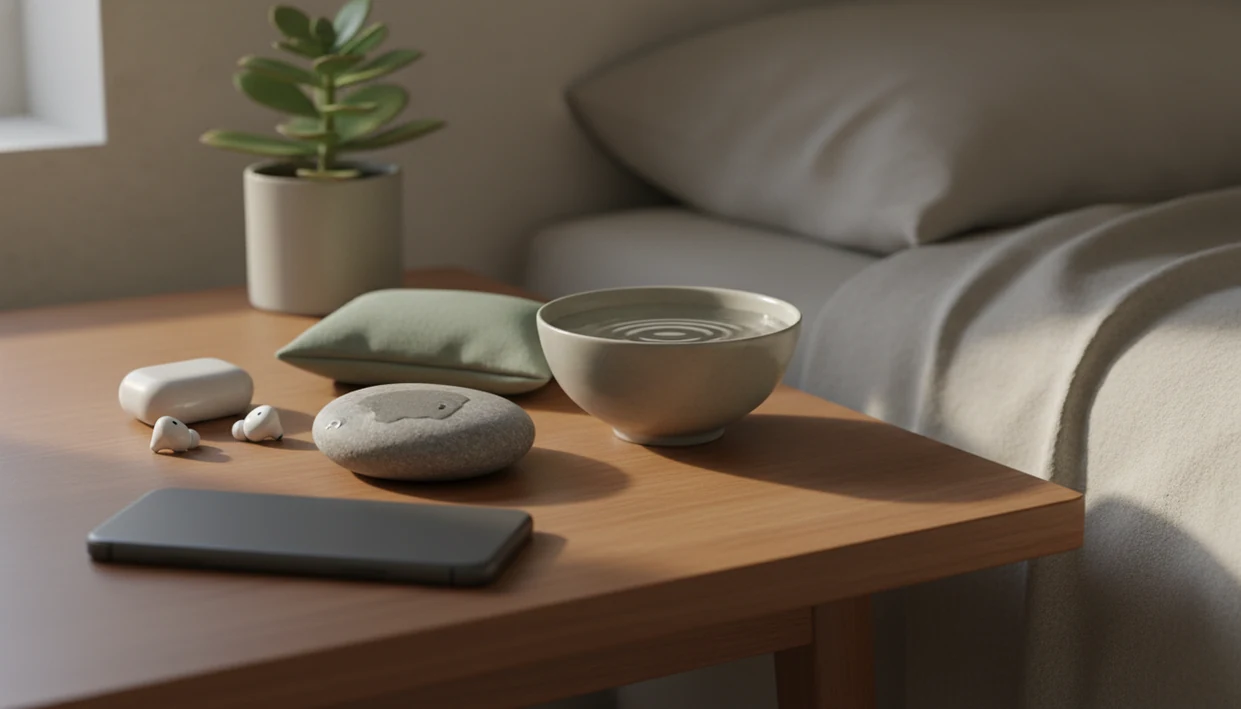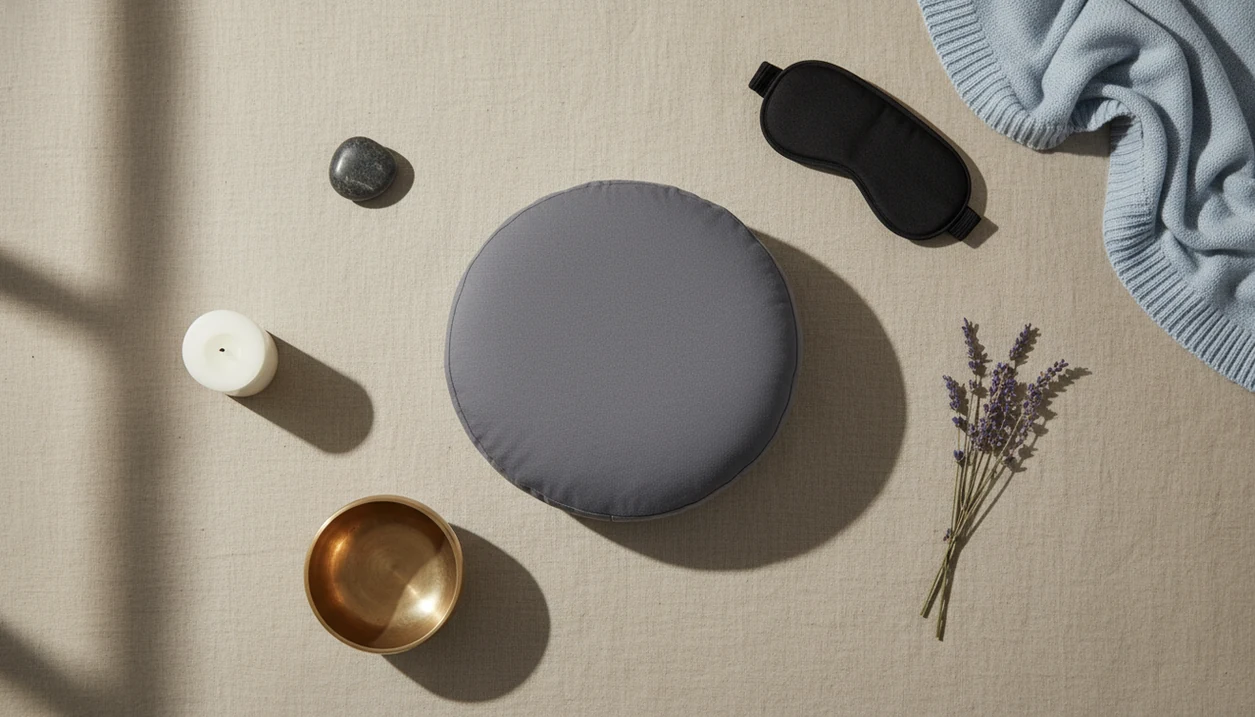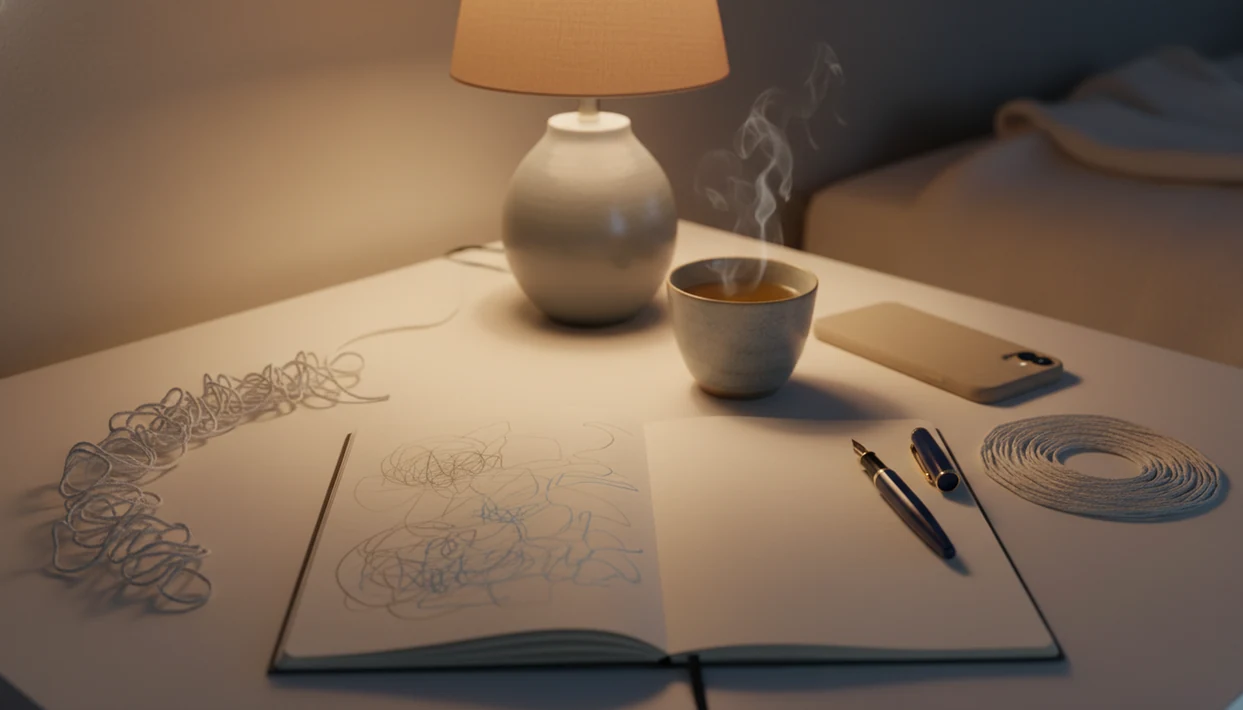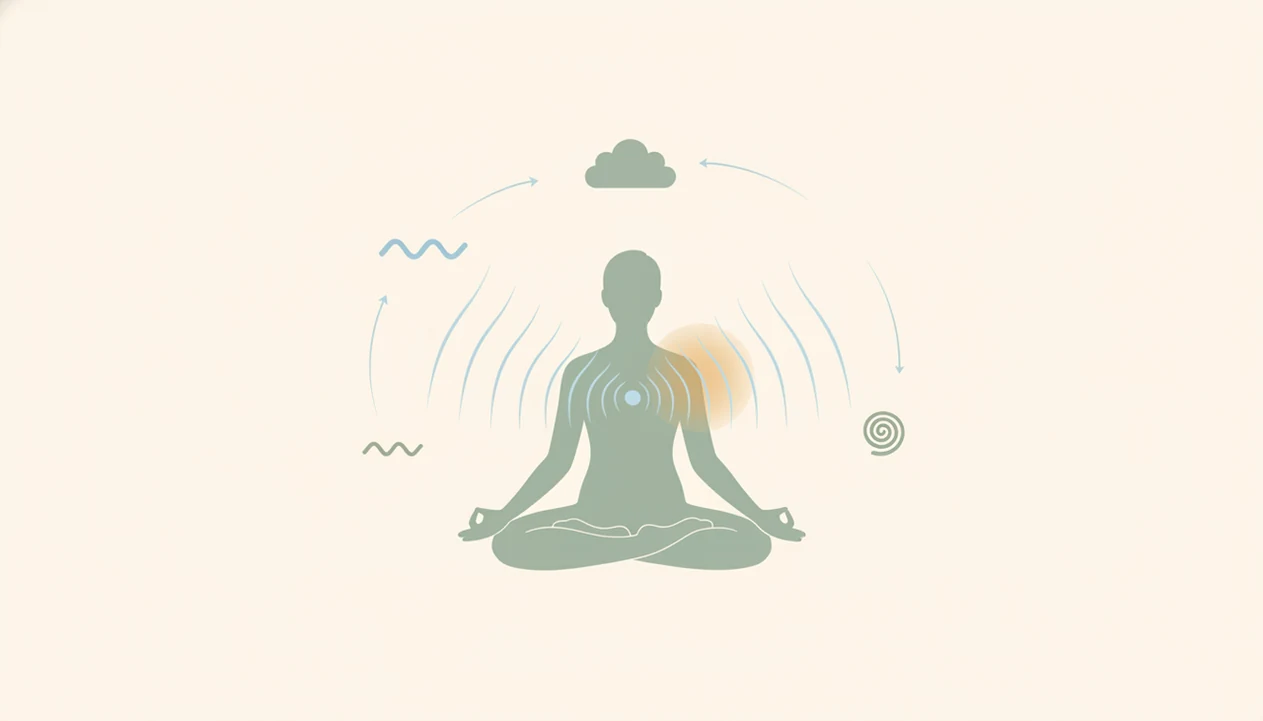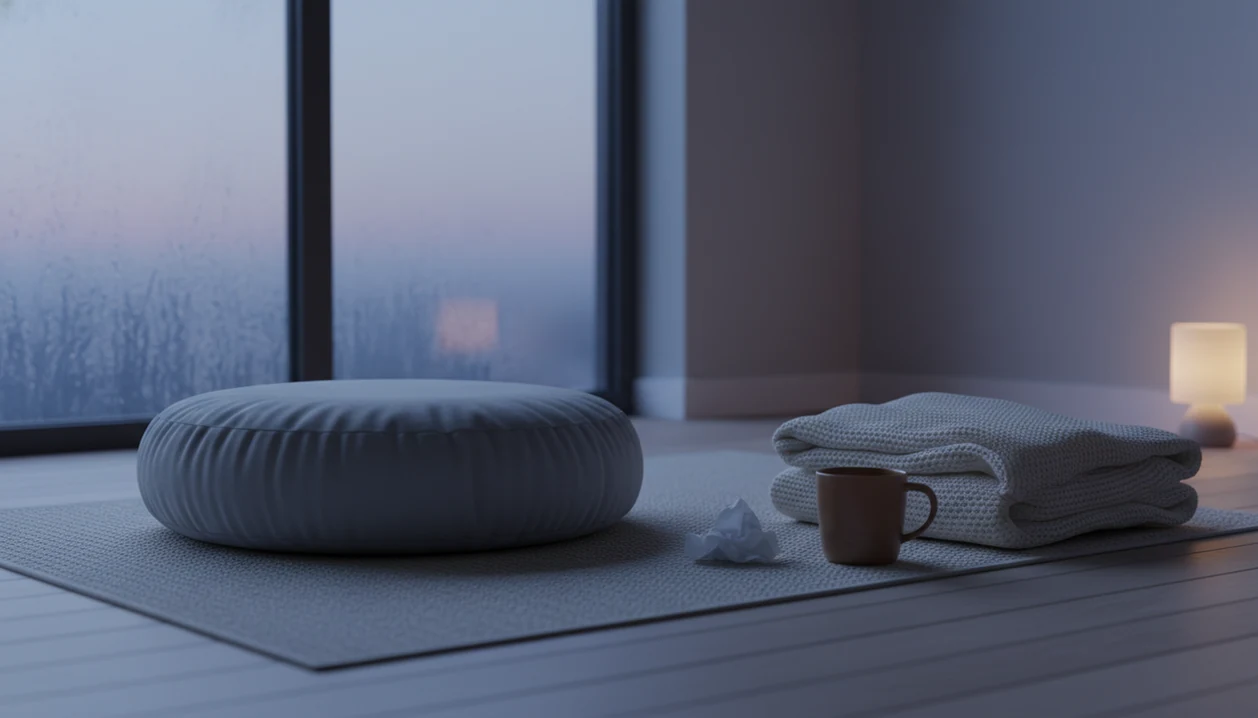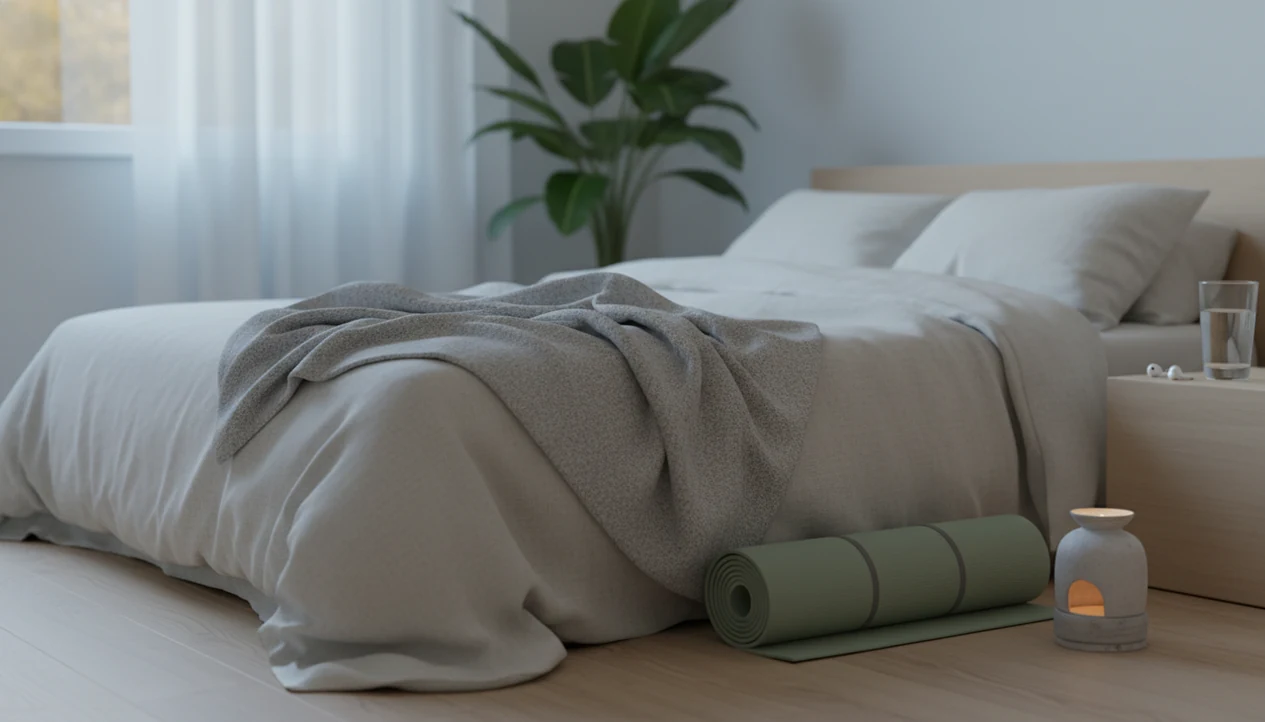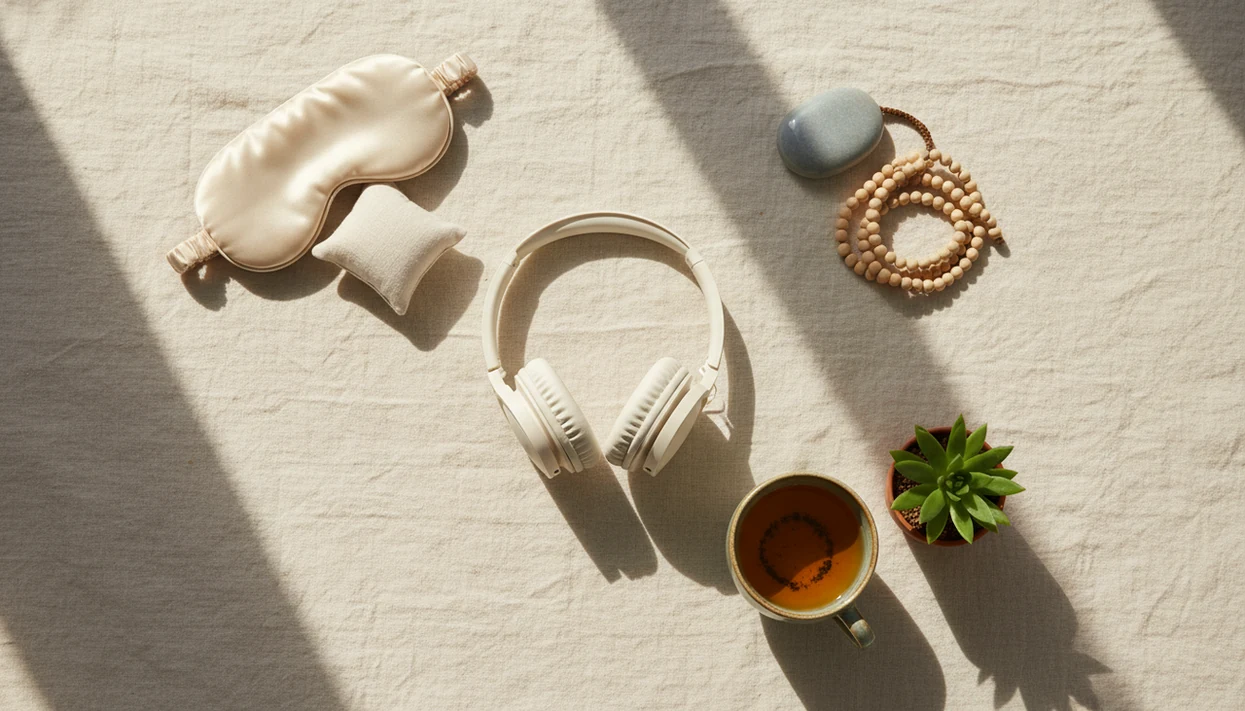
Meditation techniques are structured practices that train attention and awareness through breath focus, body scanning, mantra repetition, or guided imagery. They give attention a steady place to return and can support relaxation, anxiety management, and sleep. The methods differ in what they ask a person to notice: breathing, physical sensations, a repeated phrase, or an imagined scene.
Choosing a method starts with the immediate goal. Body scans and yoga-nidra-style practices suit settling down for sleep. Loving-kindness uses kind phrases to support self-compassion, while breath-focused mindfulness offers an anchor for daytime calm. This library compares the main approaches, explains guided and unguided options, and offers a practical starting schedule. No technique requires an empty mind, and none replaces professional care.
What Meditation Techniques Are and Why They Matter
Meditation techniques are mental exercises that give your attention a clear job: follow the breath, scan the body, repeat a phrase, or notice thoughts without chasing them. They matter because different needs call for different methods.
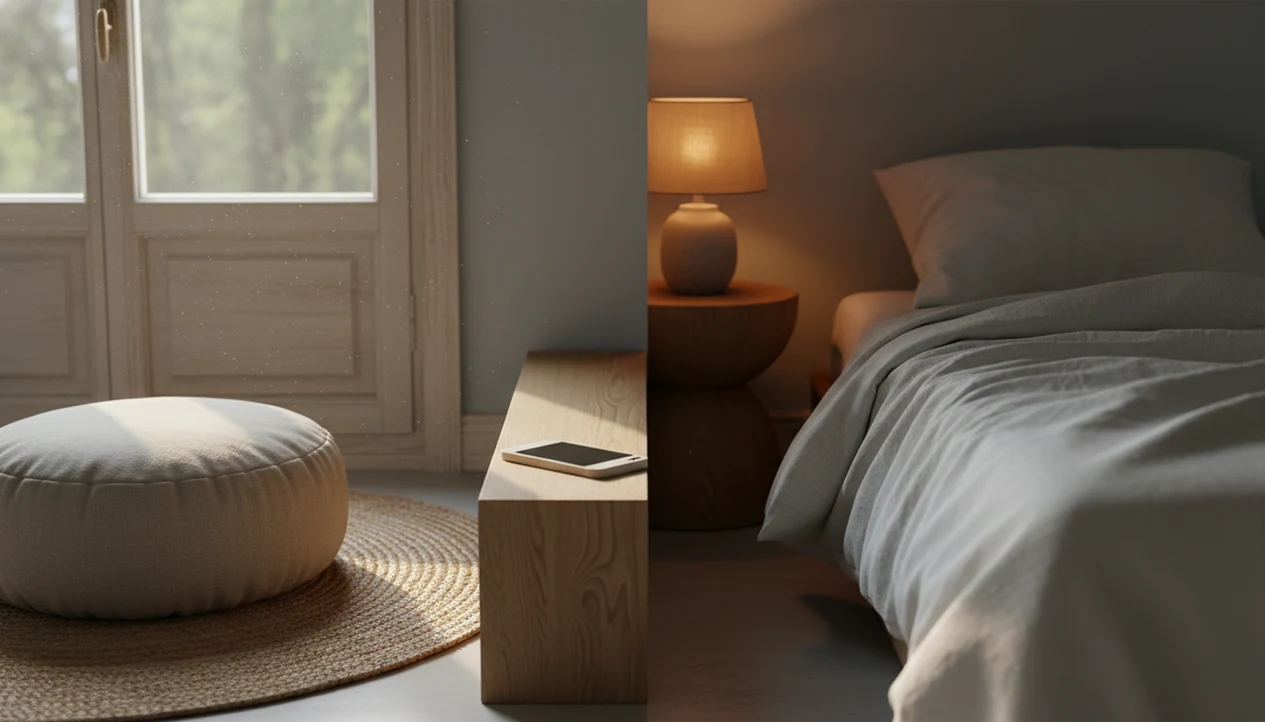
A person settling into a quiet corner before sunrise may need a different practice than someone taking a five-minute reset between meetings. One may need a lying-down body scan. The other may need breath counting.
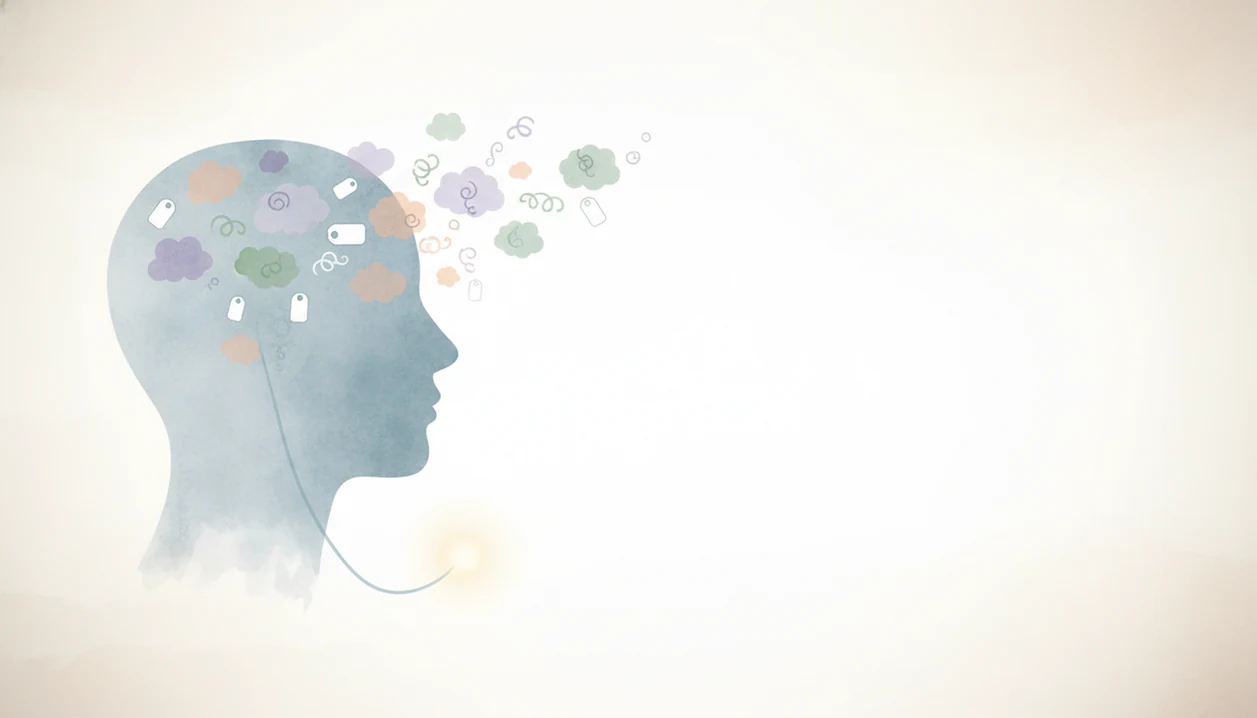
Meditation is also not about emptying your mind. The skill is noticing distraction and gently returning attention, again and again. That return is the practice.
Per the CDC’s 2022 national survey, 16.6% of U.S. adults used meditation in the past year, nearly double the 2012 rate of 8%. A library format helps because it turns a vague search into a practical choice: goal, technique, duration, then guided session.
7 Types of Meditation Techniques Compared by Goal and Duration
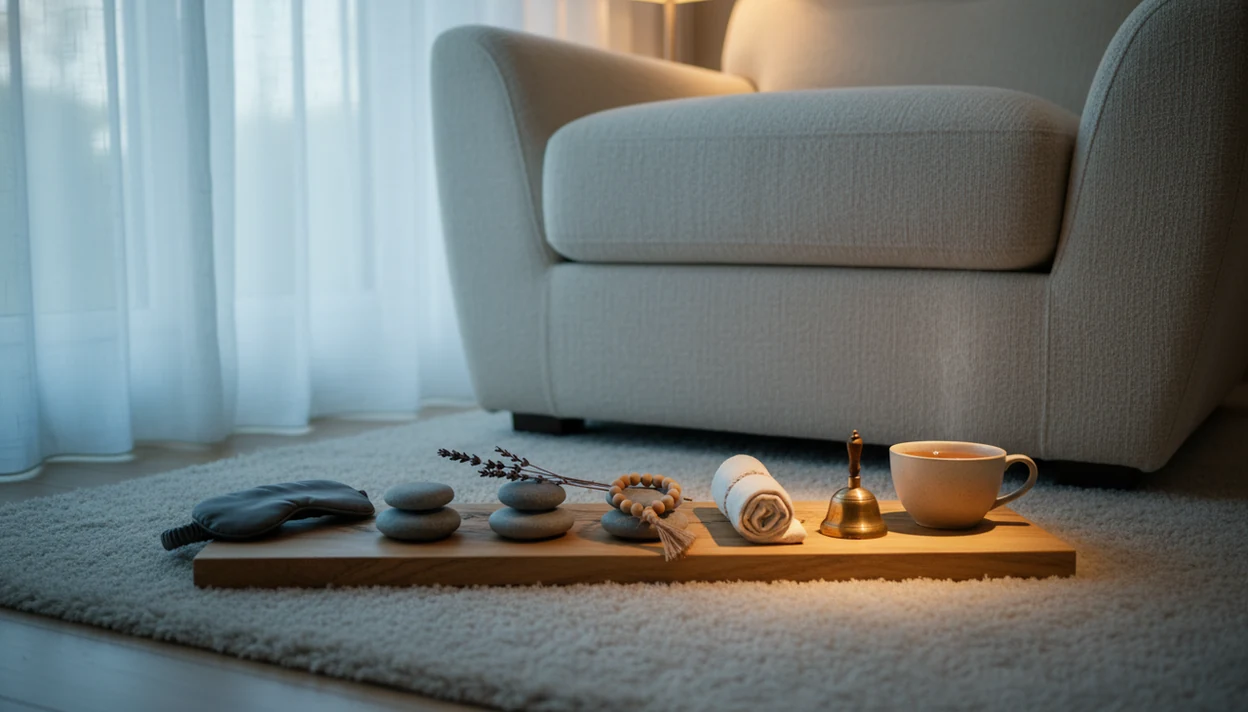
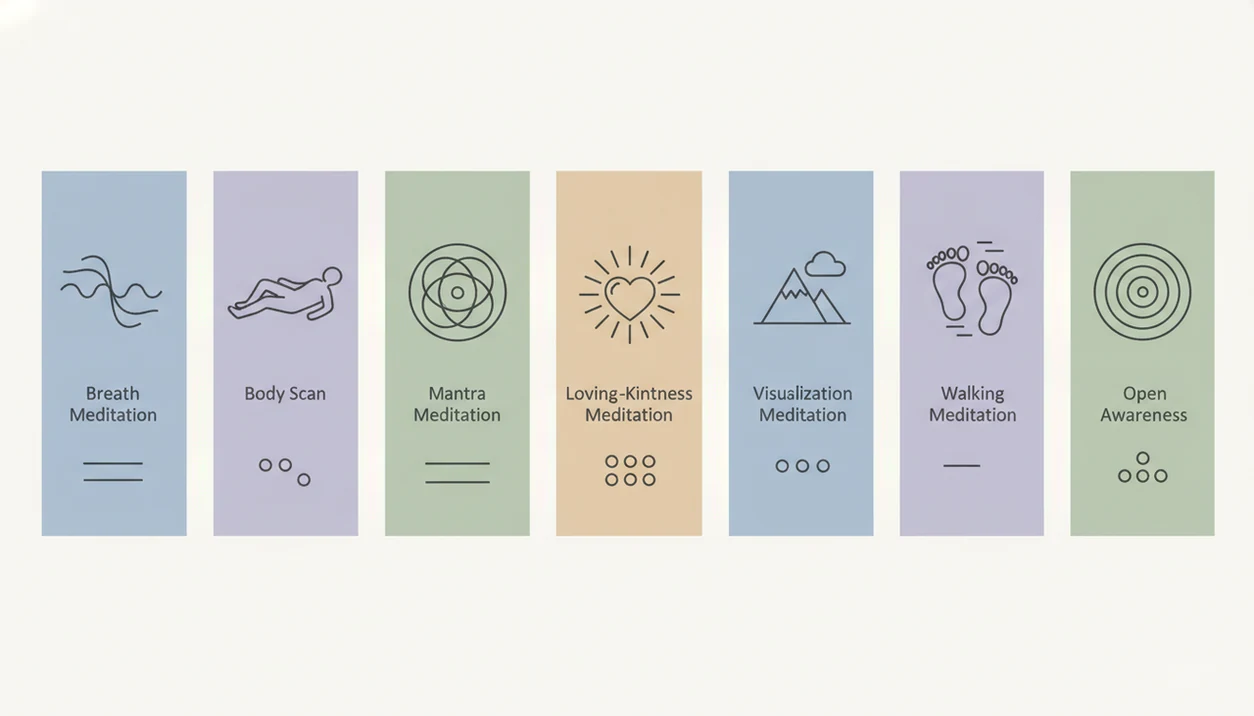
The main types of meditation techniques differ by attention style, body position, emotional tone, and session length. Use this table to compare your options before choosing a guided session.
| Technique Name | How It Works | Best For | Typical Duration | Difficulty Level | Guided Audio Available |
|---|---|---|---|---|---|
| Mindfulness / Breath Awareness | Follow the breath and return when distracted | Anxiety, focus, everyday calm | 3-20 min | Beginner to moderate | Yes |
| Body Scan | Move attention slowly through the body | Sleep, tension release | 10-30 min | Beginner | Yes |
| Loving-Kindness (Metta) | Repeat kind phrases toward self and others | Self-compassion | 5-20 min | Beginner to moderate | Yes |
| Mantra Meditation | Repeat a word, phrase, or sound | Anxiety, focus | 5-20 min | Beginner | Yes |
| Guided Visualization | Imagine calming scenes or safe places | Sleep, stress relief | 5-25 min | Beginner | Yes |
| Walking / Movement Meditation | Coordinate slow movement with awareness | Focus, restlessness | 5-20 min | Moderate | Sometimes |
| Yoga Nidra - Style | Follow deep relaxation cues while lying down | Sleep, deep rest | 15-45 min | Beginner | Yes |
Guided meditation techniques can overlay any of these methods with audio instructions. If you are new, start with meditation techniques for beginners before trying silent practice.
How Meditation Techniques Work on Stress, Sleep, and Anxiety
Meditation techniques work by training attention and changing how the body responds to stress cues. The mechanism is not instant. Repeated practice teaches the nervous system a different default response over weeks.
- Focused attention can reduce sympathetic nervous system arousal, the fight-or-flight pattern, and support parasympathetic activity, the rest-and-digest response.
- Focused-attention meditation, open-monitoring mindfulness, and mantra repetition engage attention networks in different ways.
- A 2014 JAMA Internal Medicine meta-analysis of 47 randomized trials found moderate improvements in anxiety, depression, and pain from mindfulness meditation programs: JAMA Internal Medicine study: 1809754
- A 2015 randomized clinical trial found that a mindfulness awareness program improved sleep quality more than sleep hygiene education in older adults with sleep disturbance: JAMA Internal Medicine study: 2110998
- NCCIH notes that meditation is generally considered safe for healthy people, while some people report anxiety, mood changes, or other adverse effects: NCCIH mindfulness overview: meditation and mindfulness effectiveness and safety
One minute still moves the needle.
For anxiety spikes, breath or mantra practices usually fit better than long open monitoring because they give the mind a simple anchor. For bedtime, body-based methods can reduce the urge to problem-solve in the dark.
Best Meditation Techniques for Sleep, Anxiety, and Beginners
The best meditation methods depend on the problem in front of you. Sleep, anxiety, focus, and self-compassion each ask for a different kind of attention.
Best Meditation Methods for Falling Asleep
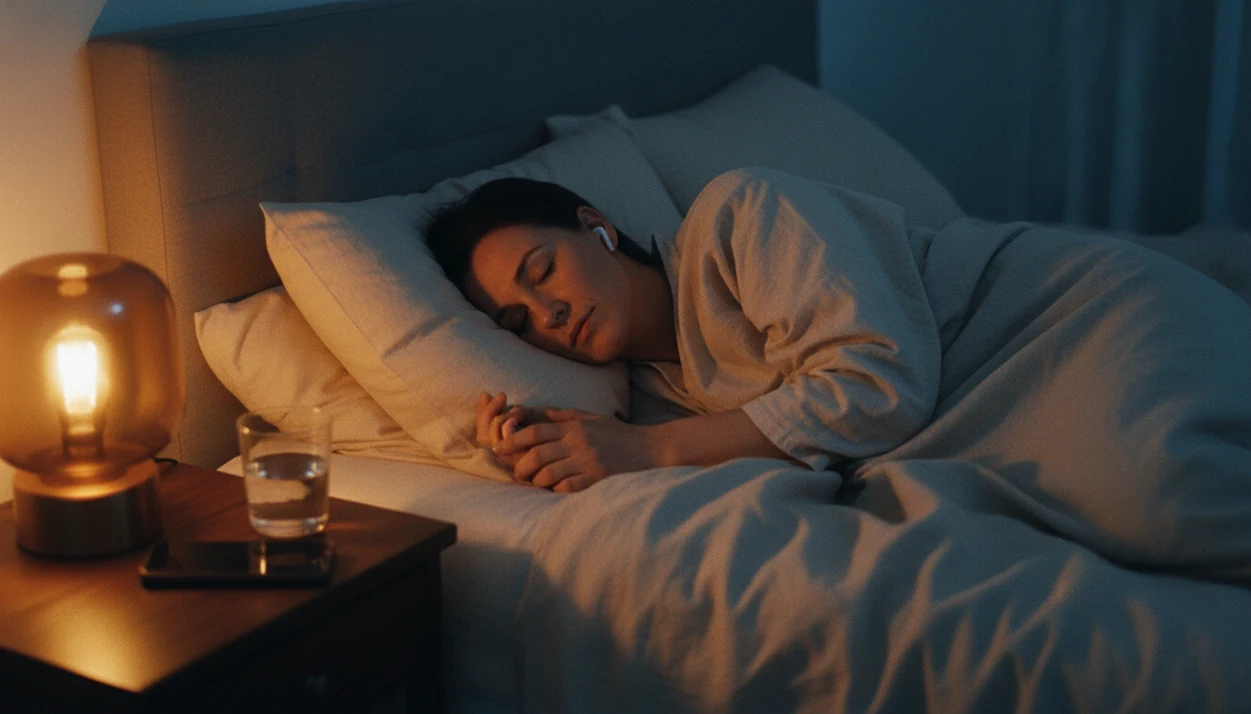
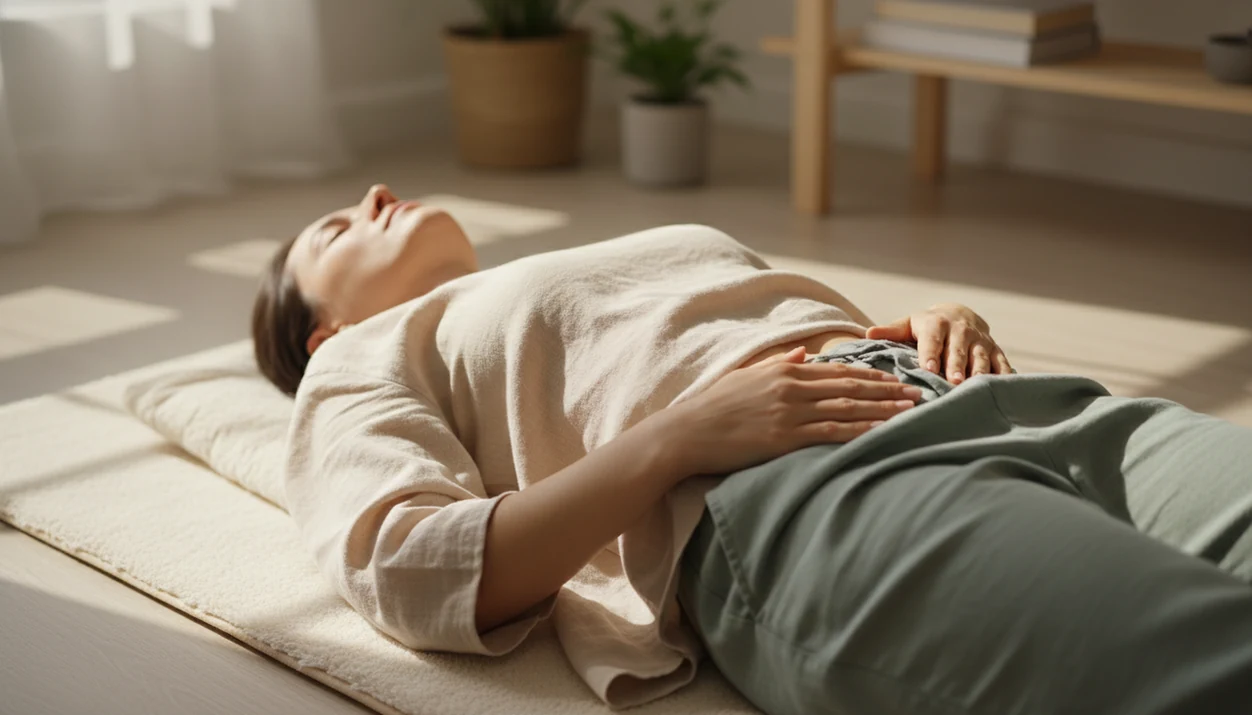
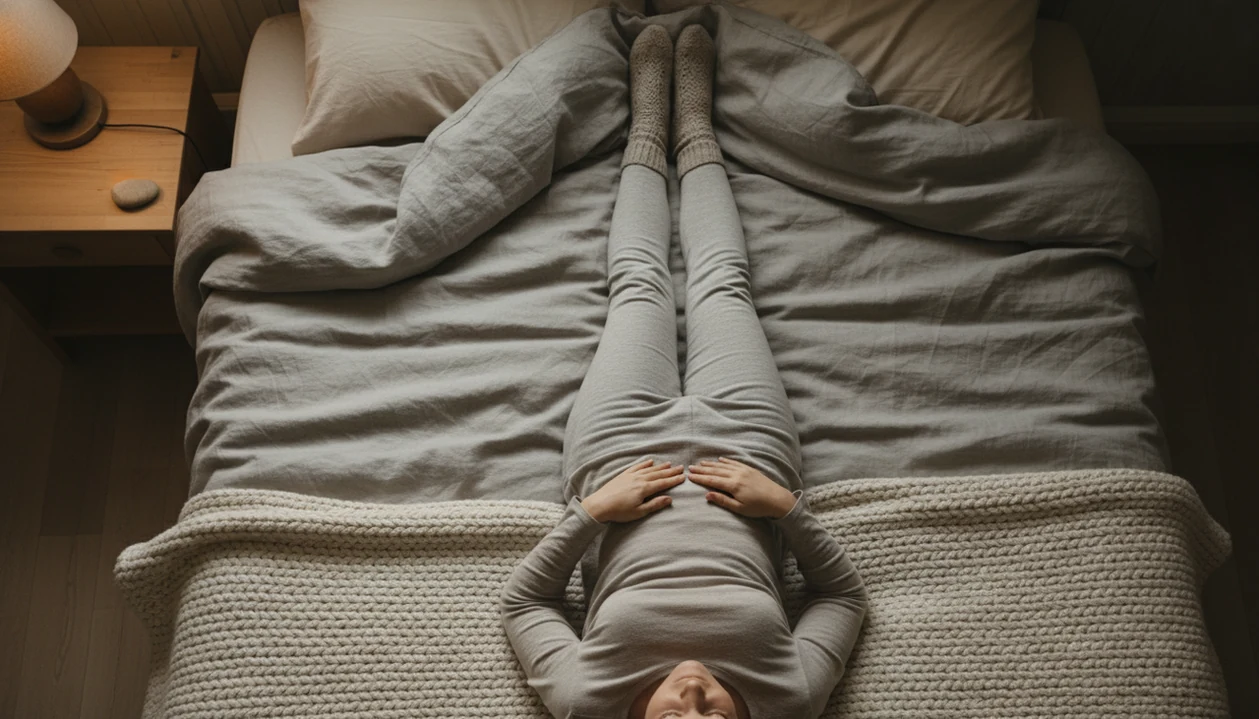
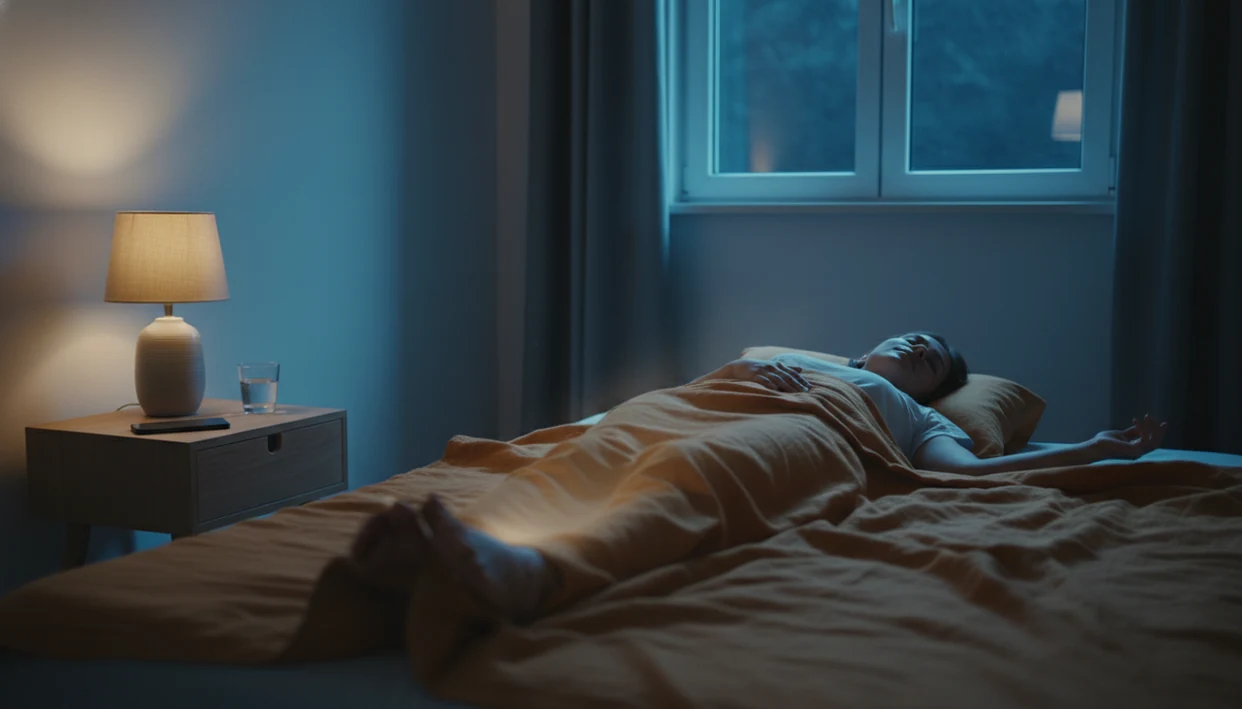
Body scan, yoga-nidra-style meditation, and guided sleep visualization work well at night because they allow a lying-down posture. That matters when your shoulders are tense against the mattress and tomorrow’s meeting keeps looping at midnight. For sleep-focused imagery, try visualization meditation for sleep.
Best Meditation Methods for Anxiety Relief
Breath-focused mindfulness and mantra meditation fit anxiety spikes because they can work in 3-5 minutes. Open-monitoring practice may feel too exposed during acute anxiety. A steadier option is counting exhales or repeating a phrase through cheap earbuds. Another structured option is alternate nostril breathing, which uses a simple pattern of breathing through one nostril at a time.
Best Guided Meditation Techniques for Beginners
Guided meditation techniques are often easiest for beginners because the voice tells you what to do next. Apps such as MindTastik, Calm, and Headspace organize sessions by goal, length, and style.
How to Choose and Use a Meditation Technique
Choose a meditation technique by matching your current need to a method, then start with a session length you can actually finish. The missing step in many guides is progression: fully guided first, lighter prompts later.
- Identify your current need: Choose sleep, anxiety, focus, or self-compassion before opening the app.
- Match your need to a technique: Use the table above to choose body scan, breath awareness, mantra, metta, visualization, or movement.
- Pick a session length: Start with 3, 5, 10, or 20 minutes based on your schedule.
- Open a guided audio session: Follow the voice prompts without trying to perform the practice perfectly.
- Log how you feel after the session: Note mood, body tension, and sleepiness so patterns become visible.
- Graduate slowly: Move from fully guided sessions to lightly prompted ones as comfort grows.
If the choice itself feels tiring, a picker-style guide such as which meditation technique should I use can narrow the first session.
Guided vs. Unguided Meditation Techniques
Guided meditation techniques use audio instructions, while unguided meditation relies on a timer and your own memory of the method. Beginners usually do better with guidance because there is less guessing.
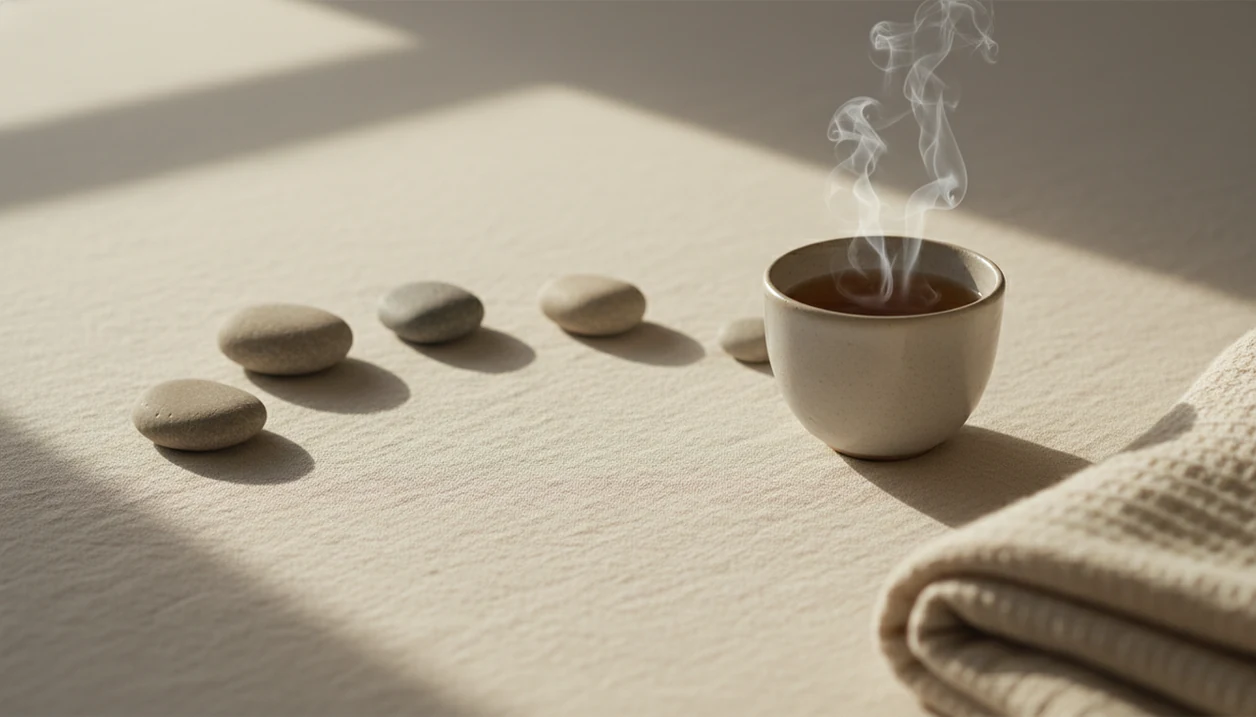
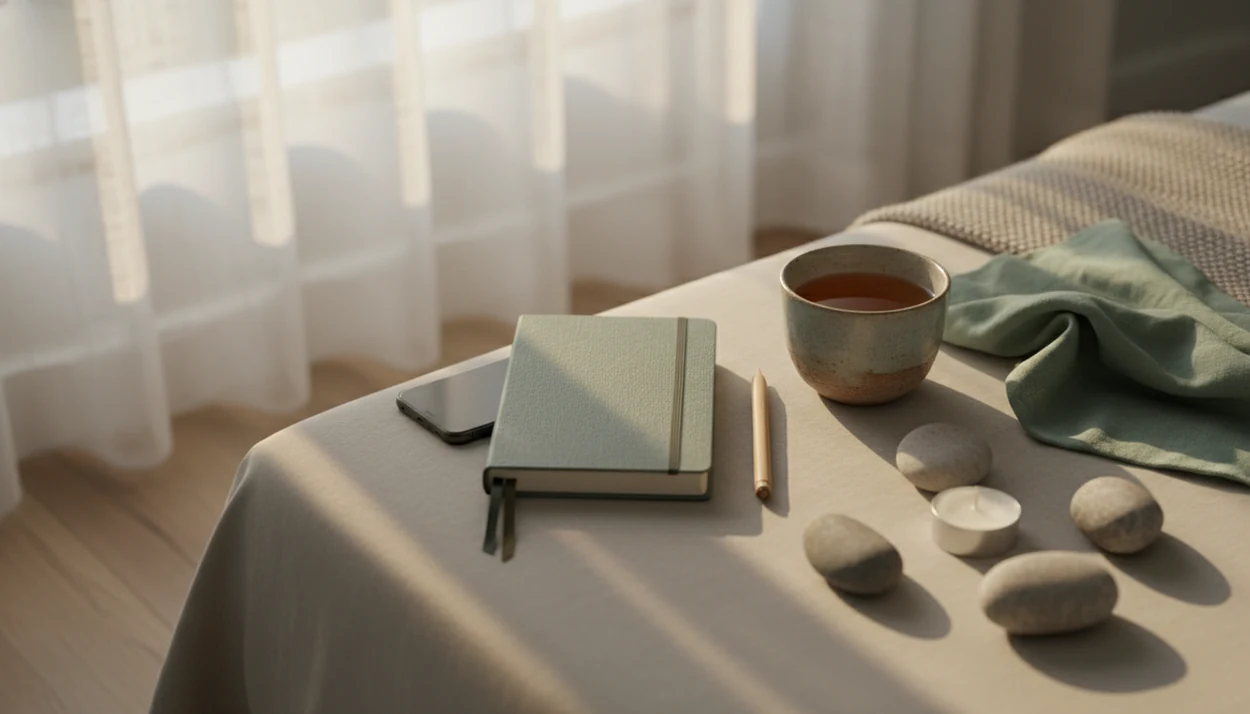
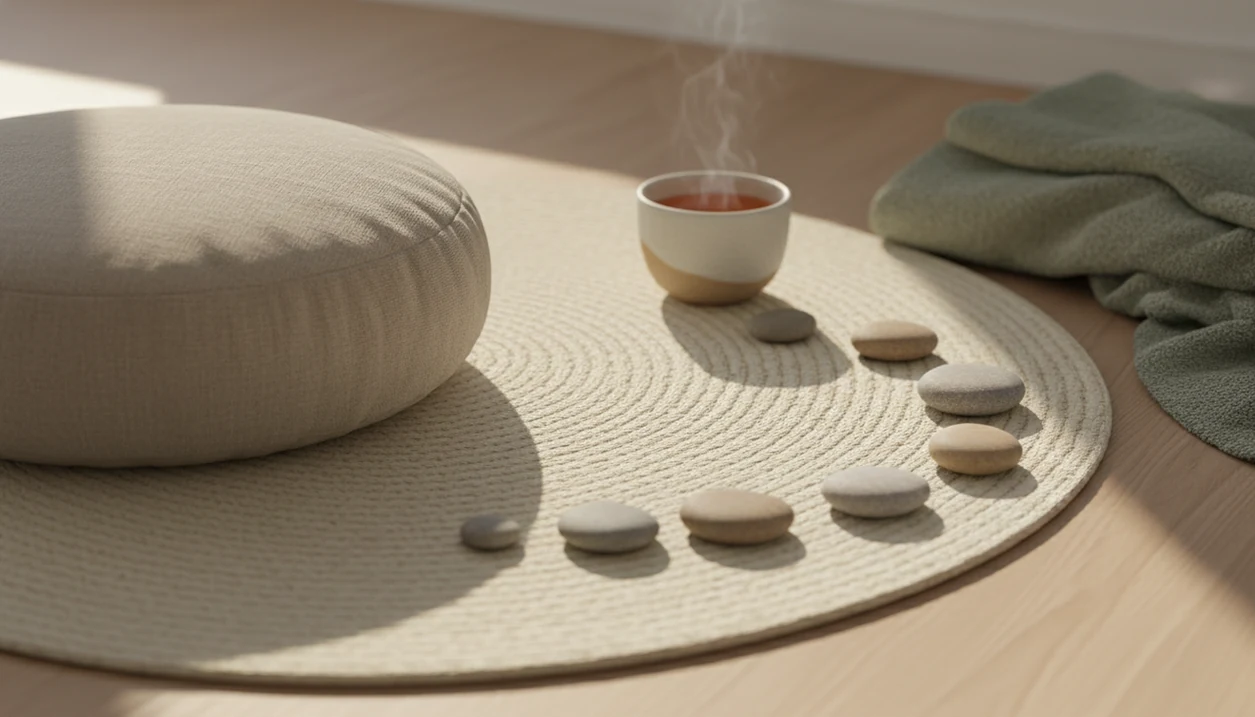
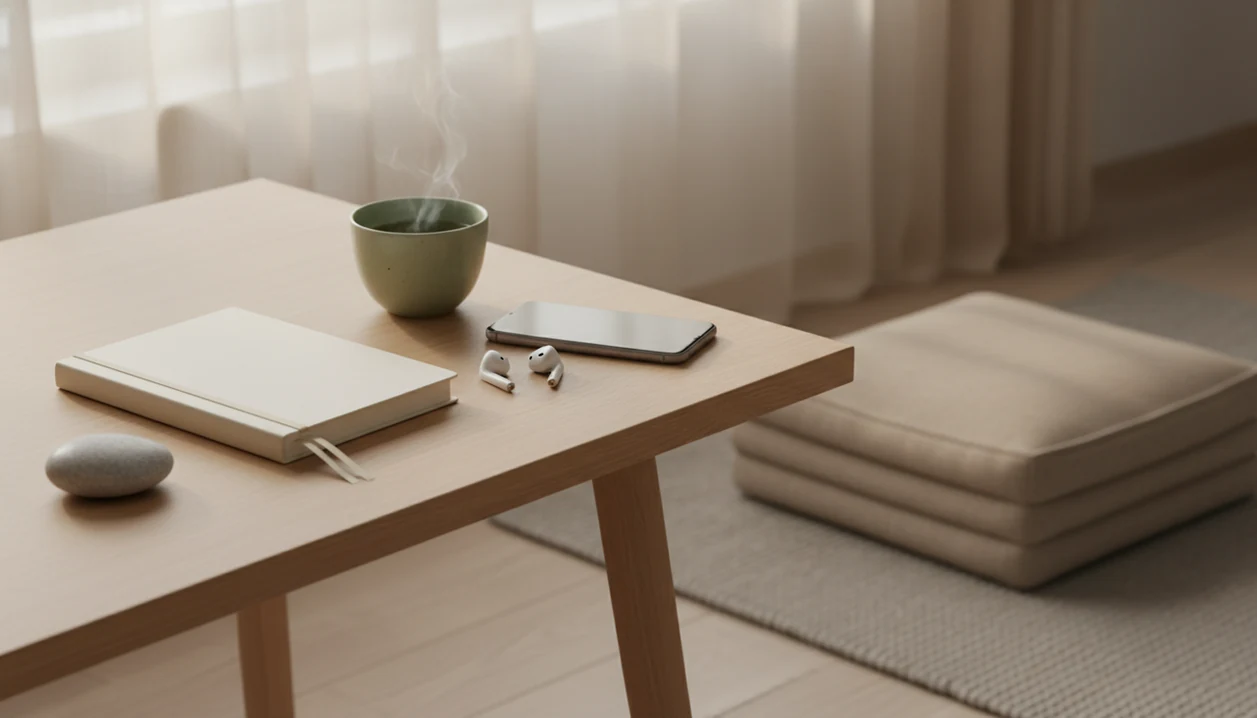
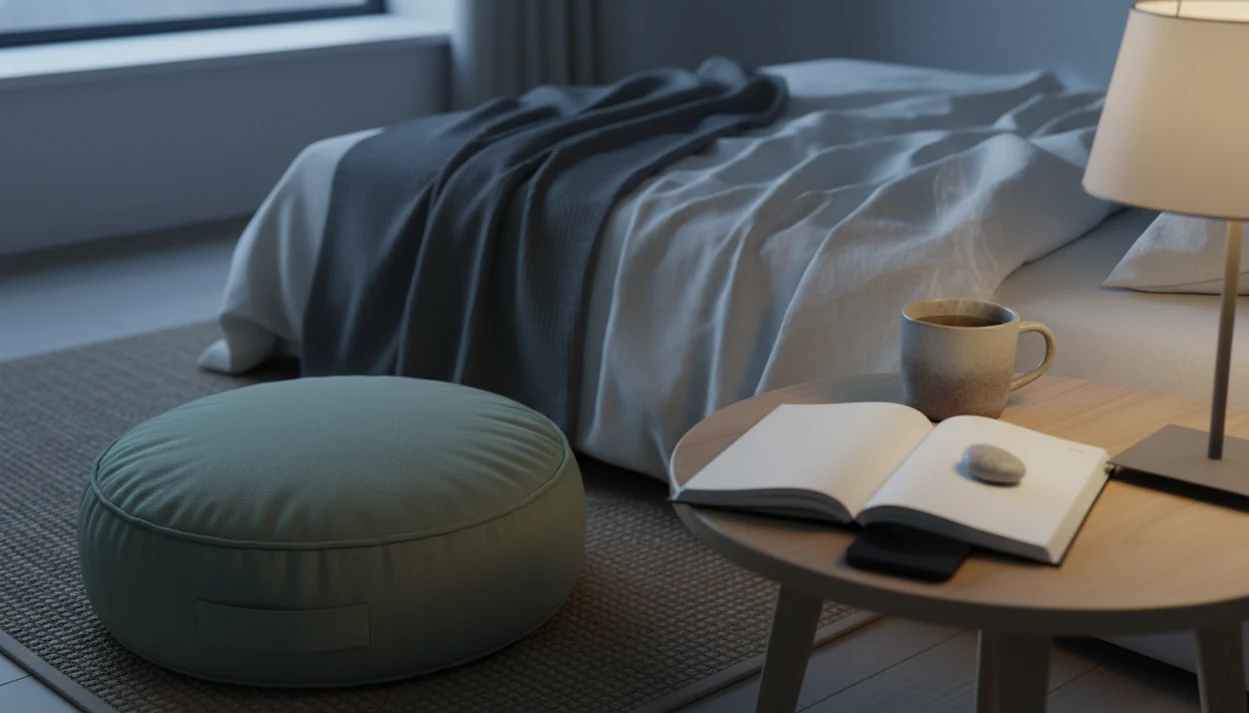
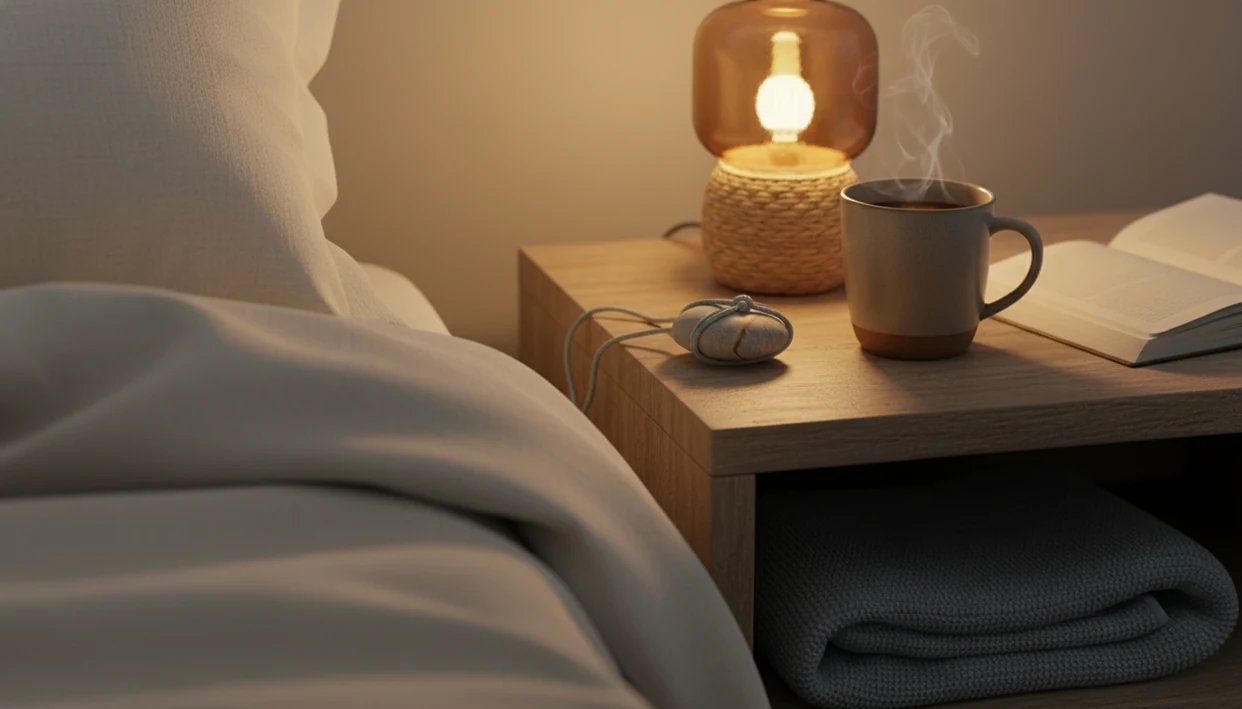
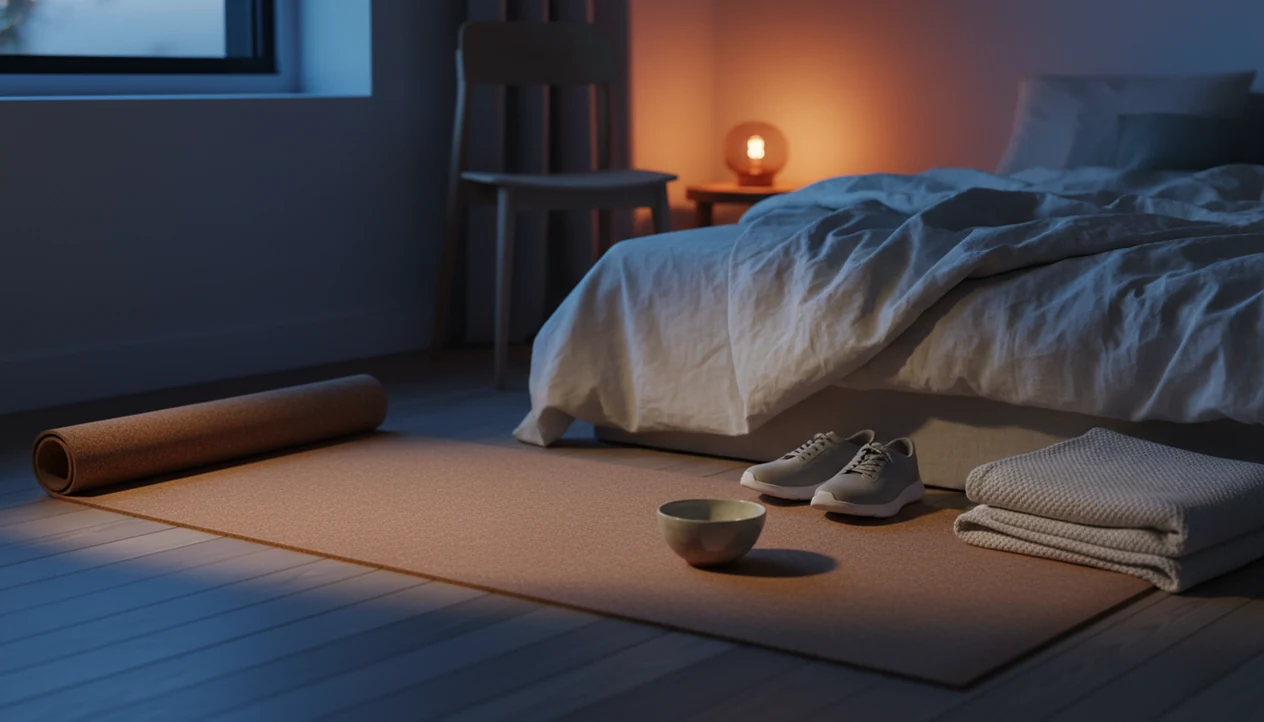
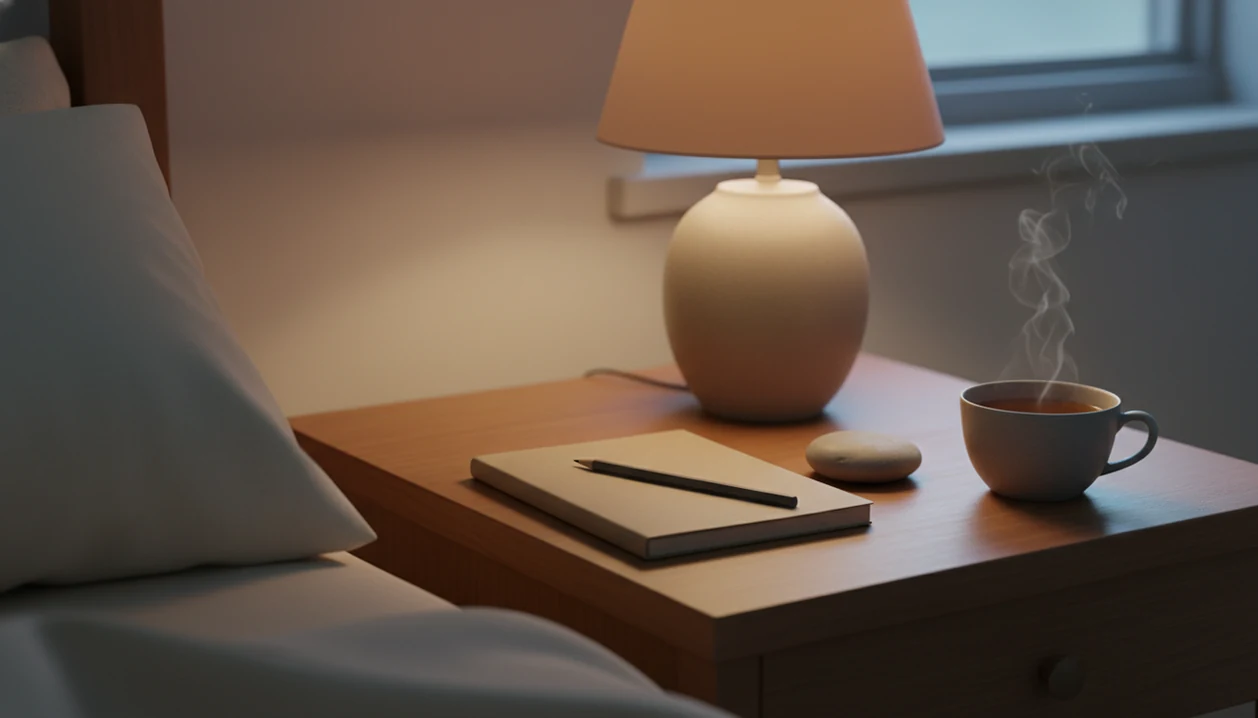
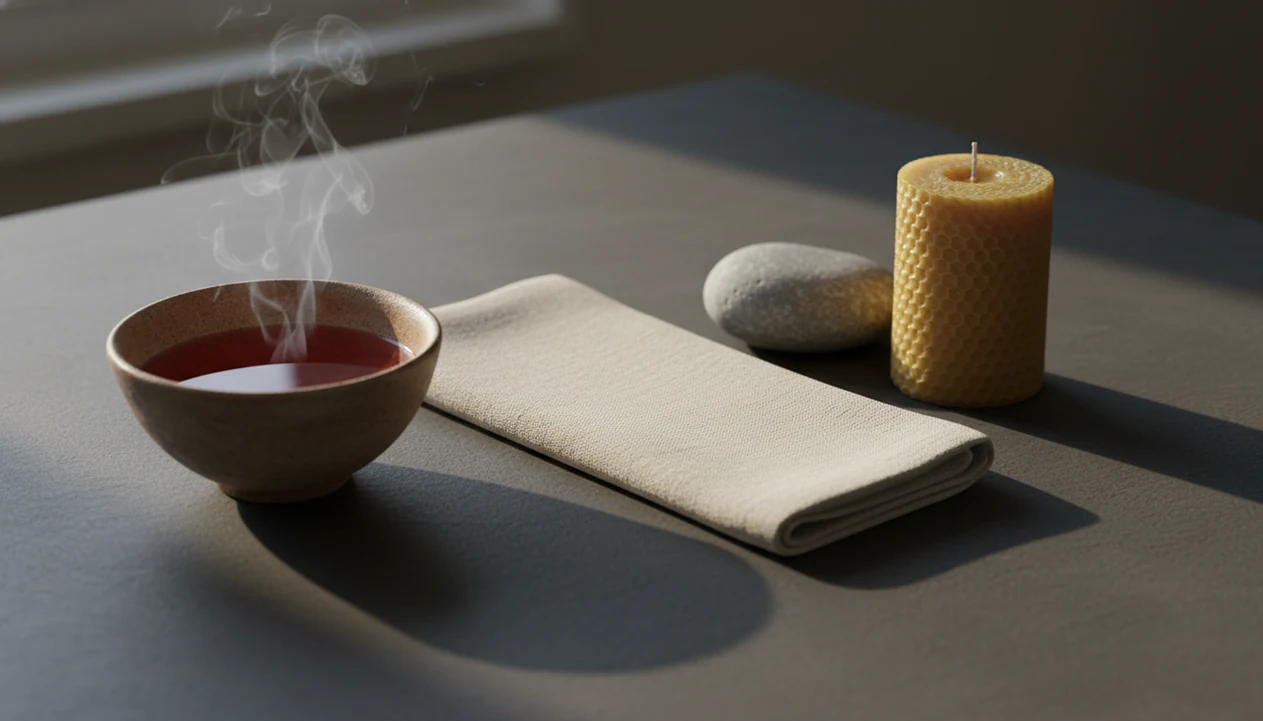
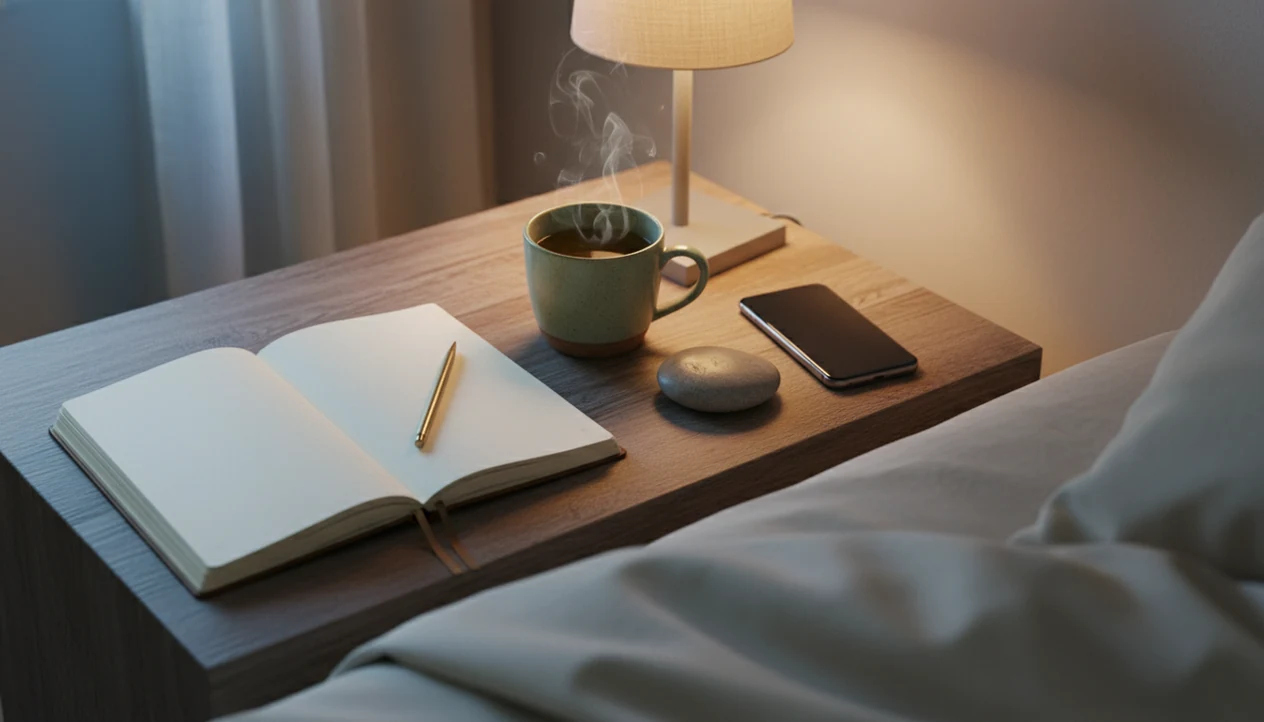
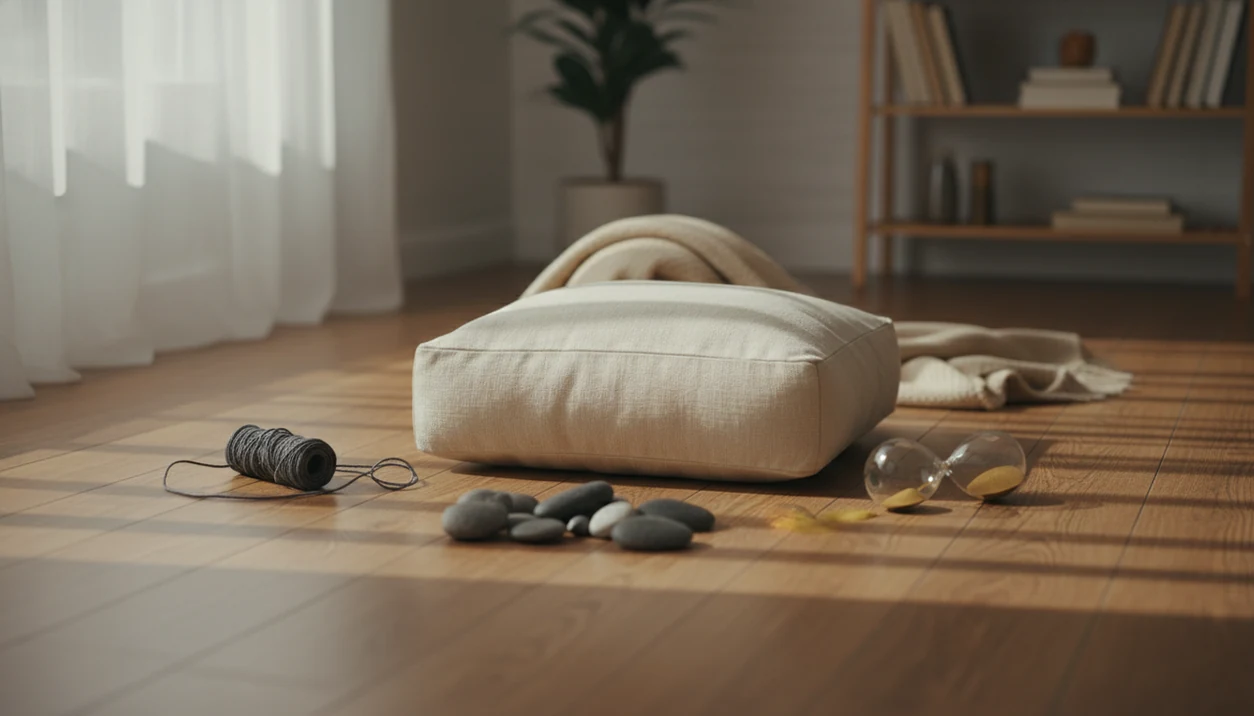
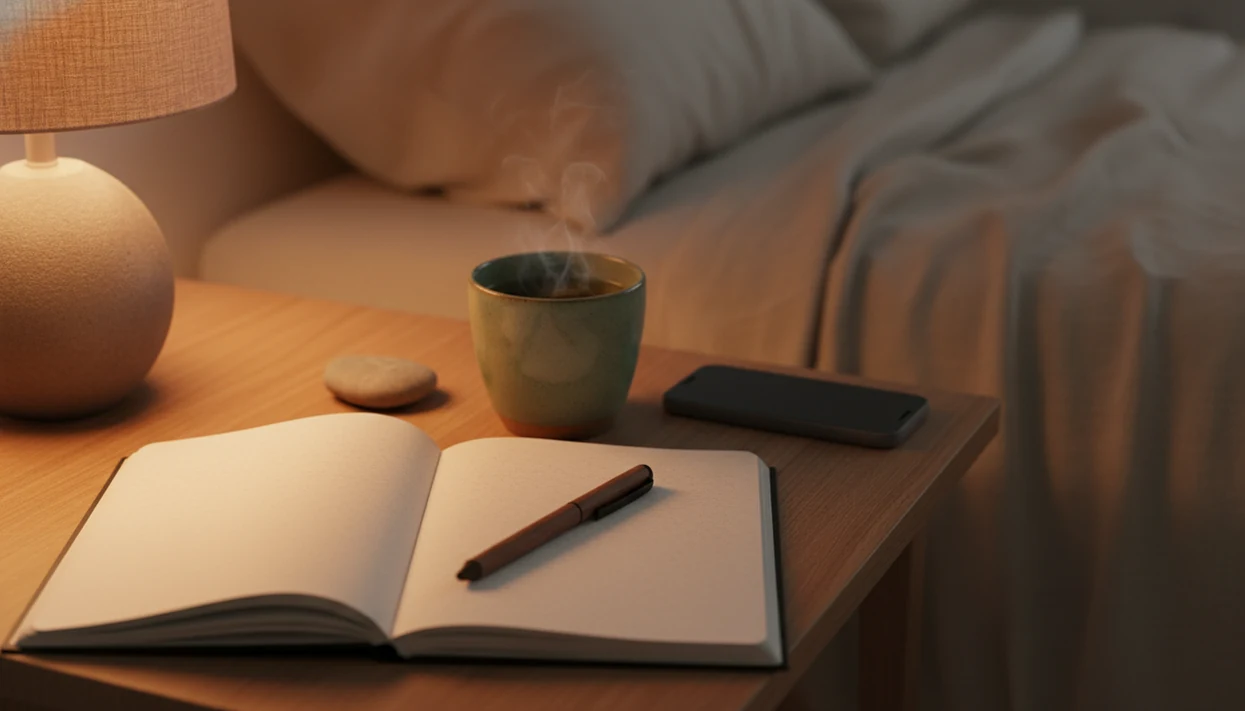
A guided voice can say, “return to the breath,” just as tomorrow’s plans begin to crowd in. At night, with a journal closed beside a candle and a stone resting on the mat, that simple cue can interrupt rumination before it gathers speed.
Unguided practice fits people who have internalized a method. A hybrid approach sits between the two: fewer prompts, longer quiet spaces, and a soft bell at the end.
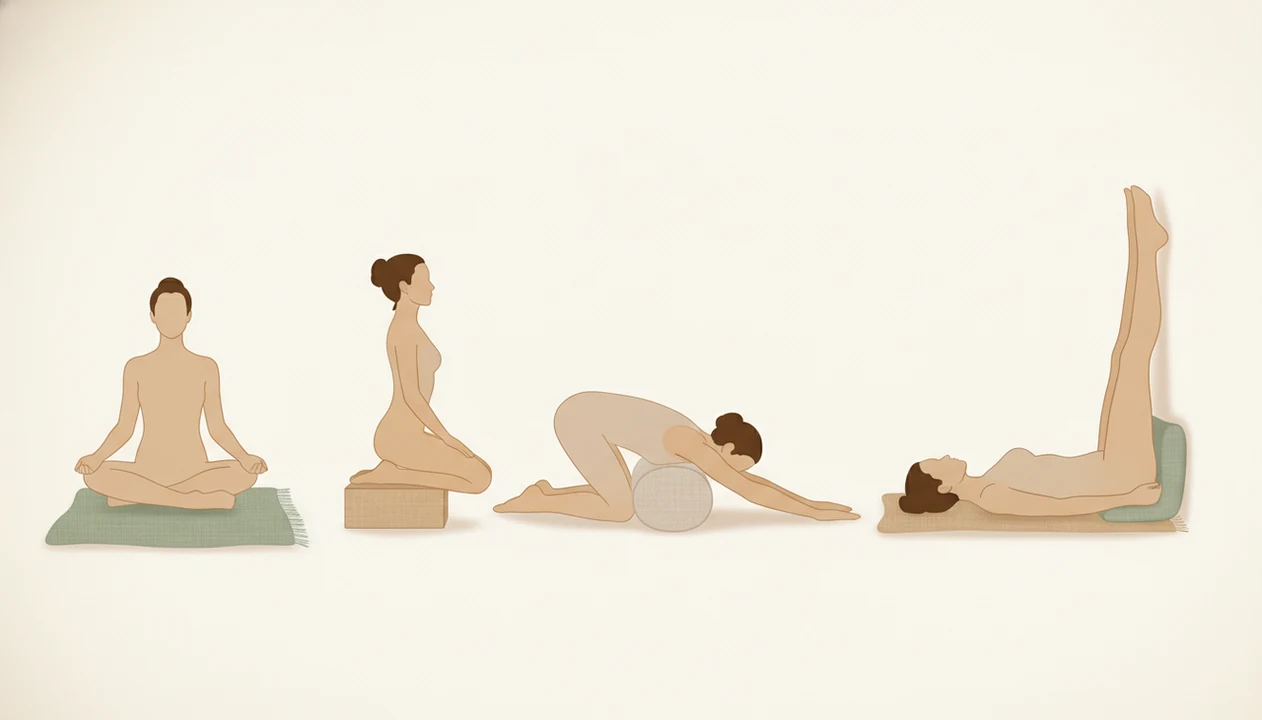
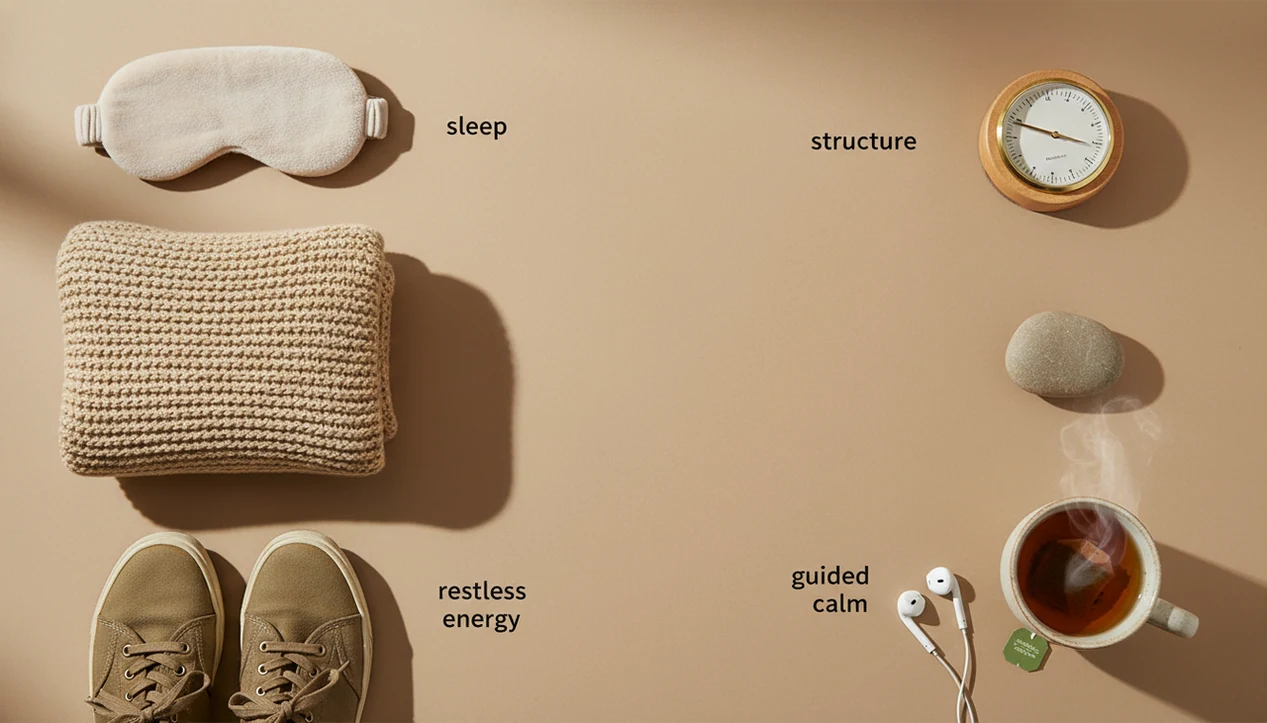
You also do not need to sit cross-legged. Chair sitting, lying down, and slow walking are valid positions. For restless days, short meditation techniques may be easier than a long silent sit.
When sitting still makes meditation harder
Stillness is not always the easiest starting point. A 2025 comparative study of novice meditators found greater focused attention during movement-based meditation than during static practice. Movement also appeared to reduce the drowsiness associated with sitting still. This supports trying walking or gentle movement when a seated session repeatedly leads to sleepiness or restlessness, rather than treating those responses as a failure to meditate.
The same study found that audio guidance improved focused attention in novices compared with unguided practice. However, the authors reported that verbal instructions may also increase cognitive load or autonomic arousal. More prompts therefore do not necessarily mean more relaxation. A practical choice is to change one element at a time, such as movement instead of sitting, or fewer instructions instead of continuous speech, and compare comfort and attention. These findings do not establish one best method for everyone.
Daily Meditation Practice Schedule for Lasting Calm
A daily meditation practice works best when it is short, repeatable, and tied to something you already do. Benefits usually come from regular practice over weeks, not one dramatic session.
Start with 3-5 minutes. Add 1-2 minutes per week only if the habit feels stable. A person who starts too big often quits by Thursday.
Try a simple rotation:
- Morning: 3 minutes of breath awareness before opening messages. To make morning breath awareness more concrete, practice the belly breathing technique with gentle, unforced breaths.
- Midday: 5 minutes of grounding when attention feels scattered. For a steadier midday reset, try grounding meditation techniques that bring attention back to present sensations.
- Evening: 10-20 minutes of body scan or yoga-nidra-style practice.
- Difficult days: mantra meditation instead of silent sitting.
Use session logging in MindTastik to compare mood, sleep quality, and follow-through. If kindness practice feels like the missing piece, loving-kindness meditation for beginners gives that route a clear starting point.
Audio guidance for breath practice and bedtime
MindTastik’s guided meditation library suits readers who want spoken instructions rather than remembering each step of a practice. Its breathing exercises offer another option for daytime relaxation, while sleep stories and soundscapes suit those who prefer listening at bedtime. Readers who find speech distracting may prefer unguided practice. Those seeking treatment for persistent insomnia or severe anxiety need professional care, not an app alone.
When meditation needs adjustment or professional support
Meditation techniques are supportive practices, not substitutes for professional care. Clinicians typically recommend getting qualified help when anxiety, depression, trauma symptoms, insomnia, or mood changes interfere with daily life.
- Meditation does not replace treatment for severe mental health conditions or medical sleep disorders.
- Some people initially notice more uncomfortable thoughts, emotions, or body sensations during practice.
- The NCCIH notes that mindfulness meditation is generally safe for healthy people, but adverse effects such as increased anxiety or mood changes have been reported.
- Evidence is stronger for general stress and mild-to-moderate symptoms than for complex conditions like PTSD or bipolar disorder.
- Benefits usually require regular practice over weeks or months. Occasional use may feel good, but may not create lasting change.
- Intensive retreats or highly structured techniques can be destabilizing without proper guidance for vulnerable people.
- Meditation apps, including MindTastik, can complement therapy or medical care, but they should not replace it.
If meditation makes symptoms worse, stop the session and seek appropriate support.
Choosing and practicing meditation techniques
Which meditation technique is best for falling asleep?
A body scan, yoga-nidra-style practice, or guided visualization is a practical starting point because each can be done lying down. Choose a method that feels comfortable rather than trying to force sleep. Meditation can support a bedtime routine, but persistent insomnia needs assessment rather than repeated changes of audio.
What meditation technique should a beginner start with?
Brief guided breath awareness is a straightforward starting point: notice breathing, recognize distraction, and return attention. A body scan offers a different focus if following the breath feels unhelpful. Start with three to five minutes, then choose the method that is comfortable enough to repeat.
What if I cannot stop thinking during meditation?
Stopping thoughts is not the task. In breath awareness, the task is to notice when attention has moved to a thought and return to breathing. A session can include many distractions and still be practice. Progress may look like recognizing distraction sooner, not having fewer thoughts immediately.
Can meditation reduce anxiety, or is it just relaxation?
A 2014 review of 47 randomized trials found modest improvements in anxiety with mindfulness meditation. It did not show that meditation was better than other active treatments. Meditation can be a supportive practice, but anxiety that disrupts daily life calls for professional help rather than meditation alone.
Is walking meditation as valid as sitting meditation?
Movement-based meditation is an option when sitting still causes restlessness or drowsiness. A 2025 study of novice meditators found greater focused attention during movement-based practice than static practice. That finding supports offering movement as a choice, but it does not prove walking is better for every person or goal.
How is mantra meditation different from breath awareness?
Mantra meditation gives attention a repeated word or phrase to return to. Breath awareness uses the sensations of breathing instead. Both involve noticing distraction and returning to the chosen focus. A phrase may feel easier to follow than breathing for some people, but neither method is universally best.
Is guided meditation better than meditating in silence?
Guidance can reduce uncertainty about what to do next. A 2025 novice-meditator study found that audio guidance improved focused attention, but verbal prompts may also add mental effort or arousal. Unguided practice suits people who know the method and prefer quiet. Fewer prompts can provide a middle option.
How long and how often should I meditate?
Three to five minutes is a manageable starting session. Repeat it regularly and increase the length only when the routine feels stable. Research varies considerably in technique, duration, and intensity, so there is no established dose that works best for everyone. Longer sessions are not automatically more useful.