
Mindful Movement Benefits for Sleep, Anxiety, Focus, and Everyday Calm
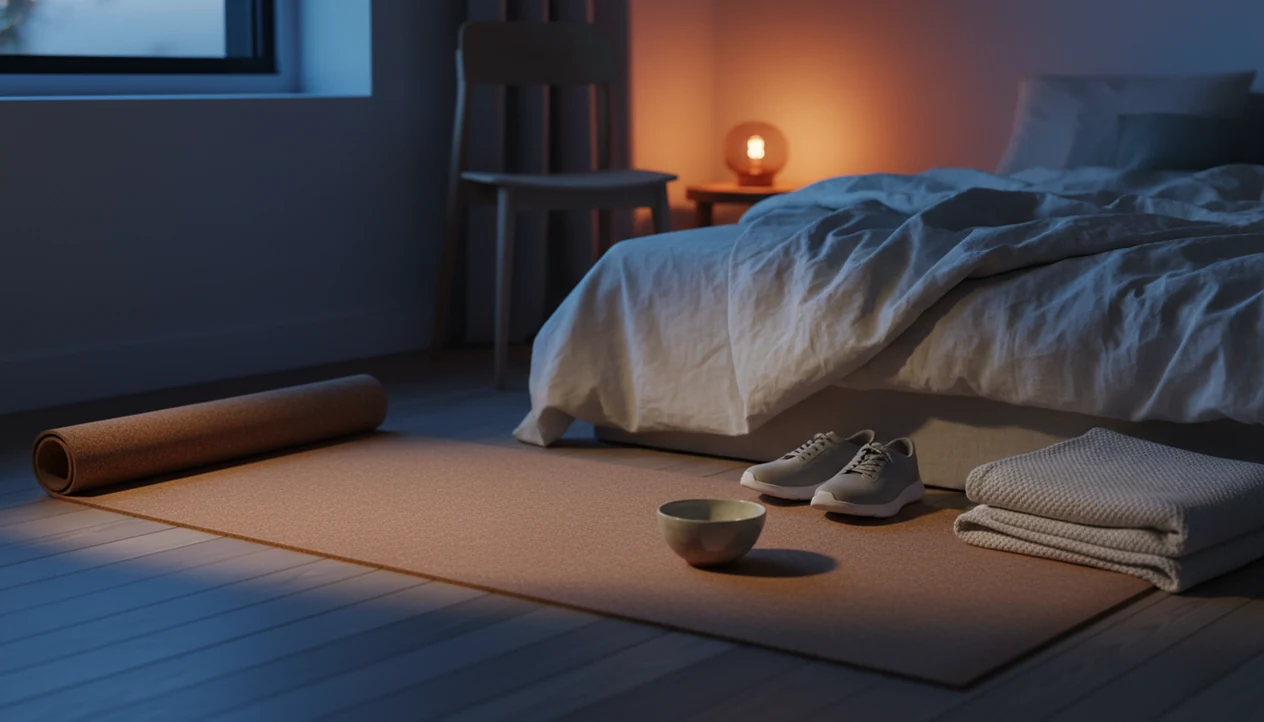


Mindful movement benefits can include lower stress, support for anxiety, better body awareness, improved balance and flexibility, and a calmer transition into sleep. Mindful movement is low-intensity, intentional movement that combines breathing with attention to sensations, emotions, posture, and tension in the present moment. The aim is to notice without judging, rather than exercise for speed, calories, or performance.
Walking, stretching, swimming, yoga, tai chi, and slow mobility work can all provide a moving focus for attention. Short, repeatable sessions of 5 to 20 minutes offer a practical starting point, though benefits vary by activity and individual needs. Guided meditation or breathing audio can support a routine before or after movement, without replacing instruction in safe technique.
The essentials
- Mindful movement can be as simple as walking, stretching, swimming, yoga, tai chi, or slow mobility work done with attention to breath and body sensations.
- The strongest benefits are usually seen with consistency: short daily sessions of 5-20 minutes tend to work better than occasional long practices.
- MindTastik can support mindful movement routines with guided meditation, sleep audio, breathing exercises, and self-hypnosis sessions for adults who want sleep, anxiety, and everyday calm support.
Mindful Movement Benefits Guide: What Changes First
- Stress often shifts first. Slow movement paired with steady breathing can make the body feel less braced.
- Body awareness improves with repetition. You start noticing clenched shoulders, shallow breathing, locked knees, or a tight jaw sooner.
- Attention gets a moving anchor. Restless meditators may find footsteps, arm swings, or gentle stretches easier than sitting still.
- Physical benefits build gradually. Flexibility, balance, posture, and mobility usually change through repeated practice, not one session.
- The goal is not performance. Mindful movement is about noticing, adjusting, and staying present, not pace, distance, calories, or shape.
This is why it fits tense workers, beginners, anxious evenings, and people who feel trapped in their head. A conference room chair between meetings can become a two-minute reset. Small, repeatable practice matters more than a dramatic routine.
For restless beginners, mindful movement is often easier than silent meditation because the body gives attention something concrete to follow. Understanding why staying present feels difficult can help you approach restless attention with patience rather than frustration.
How Mindful Movement Benefits Work in the Body and Brain
Mindful movement works by linking slow physical motion, breath regulation, interoceptive awareness, and attention training into one repeatable practice. Interoceptive awareness means sensing internal signals, such as heartbeat, muscle tension, breath depth, warmth, pressure, or fatigue.
When you slow a stretch, walk, swim stroke, or mobility drill, the nervous system gets more information from the body. You notice where effort starts. You also notice when the breath shortens or the shoulders climb toward the ears. That noticing is not decorative. It is the practice.
Over time, body signals can become earlier cues for emotional regulation. A tight chest may tell you to pause before replying to a message. A held breath may remind you to soften your pace. Gentle movement may support downshifting arousal, but it should not be framed as medical treatment.
The first minute can be messy.
If sitting practice feels too still, movement gives attention a visible job. For a wider comparison of sitting, breathing, and movement practices, the meditation techniques library can help you choose a starting point.
Evidence Behind Mindful Movement Benefits for Anxiety, Mood, and Sleep
Research on mindful movement is promising, but the results vary by practice, population, and study design. The clearest evidence tends to come from yoga, tai chi, mindfulness-based stress reduction, and structured mindful movement programs.
A 2020 JAMA Psychiatry systematic review and meta-analysis of 31 randomized controlled trials found that yoga was associated with a moderate reduction in anxiety symptoms compared with control conditions (source: PubMed research: 32870272). A randomized trial in adults with insomnia found that an 8-week mindfulness-based stress reduction program, which included mindful yoga, reduced wake time and increased total sleep time compared with a wait-list control (source: PubMed research: 23514370).
Mood findings are cautious but useful. A 2017 systematic review of randomized controlled trials found small to moderate reductions in depressive symptoms with yoga, with effects broadly comparable to standard exercise in some analyses (source: PubMed research: 28318417). A 2024 randomized trial of a mindful movement program in young adults reported improvements in positive mental health and interoceptive awareness; because this is newer and population-specific, treat it as supportive rather than definitive evidence.
The practical takeaway is simple: mindful movement may support anxiety, mood, and sleep as part of a routine, not as a stand-alone cure.
Physical Mindful Movement Benefits for Balance, Pain, Posture, and Mobility
Mindful movement can support physical change because low-intensity does not mean low-value. Slow practice gives you time to notice alignment, distribute effort, and stop before strain turns into pain.
- Flexibility and mobility: Gentle stretching and range-of-motion work can help stiff areas move with less guarding.
- Posture and strength: Slow standing work, yoga, tai chi, and controlled transitions build awareness of how you hold yourself.
- Balance: Tai chi research has reported better balance and a lower risk of falls among older adults, though estimates vary by program length, baseline risk, and study design (source: NCCIH mindfulness overview: tai chi what you need to know).
- Tension reduction: Neck, hip, back, and jaw tension often become easier to spot during slow movement.
- Gentle cardiovascular support: Walking, swimming, and light flowing practice can raise circulation without turning the session into a workout test.
Chair-based movement counts. So does holding a wall, shortening the range, or skipping a pose that irritates a joint. Beginners can also pair movement with meditation techniques for beginners when they want more structure.
How to Use Mindful Movement Benefits in a Daily Routine
Use mindful movement in small blocks: 5-20 minutes in the morning, between tasks, or before bed. Consistency matters more than intensity, especially if your goal is everyday calm.
- Choose one time window. Pick morning stiffness, a work break, or bedtime so the routine has a clear place.
- Set a short timer. Start with 5 minutes, then build toward 10 or 20 only if it feels manageable.
- Move slowly. Try shoulder rolls, easy walking, chair stretches, cat-cow, or a gentle body scan while standing.
- Match breath to motion. Inhale during opening or lengthening; exhale during softening, folding, or releasing.
- Notice one body signal. Track feet, ribs, jaw, hips, or hands instead of trying to monitor everything.
- Close with stillness. Pause for three breaths before returning to screens, sleep, or the next task.
A guided session can make the first few minutes easier. Tools like MindTastik, Calm, and Headspace can support breathing, bedtime audio, reminders, and short resets without making the routine feel like homework. Meditation apps for sleep, anxiety, and everyday calm should offer repeatable cues, not promises to fix a person overnight.
In the still part of the night, simple matters.
Best Mindful Movement Benefits Tips for Walking, Swimming, and Running
Everyday movement can become mindful when you shift from “finish the route” to “feel the next moment clearly.” Keep awareness active, but stay alert to traffic, water conditions, people nearby, and body signals. Mindful movement should not become dissociation. Learning how to live a mindful life can help you bring this same attention to ordinary daily activities.
Mindful walking cues
Use the feet as your anchor. Feel heel, arch, toes, and the small shift of weight from one side to the other. Let the breath settle into the walk without forcing a pattern. Inhale timed with a crosswalk signal can be enough.
Mindful swimming cues
Use rhythm and water contact. Notice the pull, glide, turn, and exhale into the water. A brief body scan at each wall can reveal tight shoulders or over-kicking before fatigue builds.
Mindful running cues
Use relaxed awareness instead of pace pressure. Notice foot strike, arm swing, breath, and jaw tension. If effort spikes, soften the shoulders or shorten the stride. For busy days, short meditation techniques can pair well with a short walk or easy run.
Best For and Not For: Mindful Movement Benefits by Situation
Mindful movement is a strong fit when sitting still feels too hard, but it is not the right answer for every situation. Use the table below to compare your options before starting.
| Situation | Good fit? | Practical note |
|---|---|---|
| Restless meditators | Best for | Movement gives attention a physical anchor. |
| Beginners | Best for | Start with 5 minutes, chair support, or slow walking. |
| Anxious evenings | Best for | Gentle movement plus exhale-focused breathing can support a calmer wind-down. |
| Work stress | Best for | A short reset between meetings may reduce bracing and shallow breathing. |
| Body tension | Best for | Slow mobility helps you notice where you hold effort. |
| Sleep wind-down | Best for | Keep the room dim and the pace quiet. |
| Injuries or balance issues | Use caution | Modify range, use support, or ask a clinician. |
| Heart conditions, severe dizziness, pregnancy, chronic pain, or trauma triggers | Use caution | Get professional guidance before starting or intensifying practice. |
| Severe anxiety, depression, insomnia, crisis, or urgent symptoms | Not a replacement for | Mindful movement should not replace medical care, psychotherapy, medication guidance, or emergency support. |
Clinicians typically recommend matching movement to your health status, symptoms, and safety needs, especially when pain, dizziness, pregnancy, or heart concerns are present.
When attention to the body feels overwhelming
Body sensations do not have to be the focus of every session. For people with trauma symptoms or discomfort during inward attention, safety adaptations include keeping the eyes open, looking around the room, using external sensory cues, and shortening the practice. These are adaptations, not evidence that body scanning suits everyone. A 2022 body-scan review found low-quality, heterogeneous evidence and limited support for broader health outcomes.
A gentle walk can use the surroundings as an anchor instead of requiring close attention to heartbeat or breath. Notice visible objects or nearby sounds, keep awareness of the route, and allow pauses. Body-focused attention can remain optional. If sensations become overwhelming, stop rather than push through; persistent or severe trauma symptoms call for qualified care, not a longer movement session.
When to Seek Professional Help
Seek professional help when symptoms are intense, unsafe, new, or getting worse. Mindful movement is a supportive wellness practice, not medical treatment, diagnosis, psychotherapy, physical therapy, or emergency care.
Use extra caution when the body is sending strong signals. Chest pain, fainting, numbness, sudden weakness, severe dizziness, or symptoms that escalate during movement are reasons to stop and get qualified care. The same is true for severe anxiety, depression, insomnia, trauma symptoms, panic that feels unmanageable, or any moment when safety is in question.
- Stop the movement if pain, chest discomfort, faintness, numbness, or fear increases.
- Contact a clinician before starting or intensifying practice during pregnancy, after recent surgery, or with heart conditions, chronic pain, balance problems, or recurring dizziness.
- Ask a mental health professional for support when anxiety, depression, insomnia, or trauma symptoms interfere with daily life.
- Use emergency services or local crisis support right away if you may harm yourself, someone else, or cannot stay safe.
Gentle practice can sit beside care. It should not be used to delay it.
App Support for Mindful Movement Without Overcomplicating It
A meditation app can provide guided meditation, sleep audio, breathing exercises, and self-hypnosis sessions for adults who want sleep, anxiety, and everyday calm support. Guided audio can cue breathing or body awareness before or after a brief movement break.
Try one minute of neck rolls, one minute of slow standing stretches, then one minute of breathing. A reminder can nudge the routine before the day gets crowded. At night, dimming the phone screen before starting bedtime audio can make the transition feel less stimulating.
This kind of app support works best when it reduces decisions. Choose a 5-minute breathing exercise, a 20-minute body scan, or a short sleep track, then repeat the one you actually use. Any meditation app, including one marketed for sleep, should be treated as supportive practice, not diagnosis, treatment, or medical advice.
Audio support before a walk or after gentle movement
MindTastik’s guided breathing exercises can provide a focus before a mindful walk or after gentle stretching. Its guided meditations suit adults who want to continue with seated attention, while sleep stories and soundscapes offer options for an evening wind-down. These sessions support attention and routine, not movement technique. People who need help with balance, pain, swimming skills, or exercise form should choose qualified instruction rather than rely on meditation audio.
What mindful movement cannot treat or guarantee
Mindful movement has real benefits, but it has boundaries. Those boundaries matter, especially when stress, sleep, pain, or mental health symptoms are intense.
- Mindful movement is not a cure-all for severe anxiety, depression, insomnia, trauma symptoms, or panic.
- Occasional sessions may offer short-term relief, but lasting benefits usually require repeated practice.
- Strenuous, poorly guided, or unsuitable movement can cause injury, especially when people push through pain.
- Research often relies on self-report, small samples, specific groups, and varied interventions, so results do not apply equally to everyone.
- People with joint problems, heart conditions, balance issues, pregnancy, chronic pain, severe dizziness, or recent surgery should seek medical clearance when appropriate.
- Mindful movement can bring up uncomfortable body sensations or emotions for some people, especially with trauma histories.
- It should not replace psychotherapy, medical care, medication guidance, physical therapy, or emergency support.
- If movement increases pain, numbness, chest discomfort, faintness, or fear, stop and get qualified help.
If bedtime anxiety is the main concern, gentle movement can also pair with progressive muscle relaxation for sleep.
When you want app-based guidance rather than reading steps alone, MindTastik guided meditation app collects the core guided library in one place.
Mindful movement questions
What is the difference between mindful movement and regular exercise?
Mindful movement emphasizes attention to breath, sensations, posture, and effort rather than pace, distance, or calories. Walking, stretching, yoga, and other activities can serve either purpose. A session becomes mindful through the way attention is used, not simply because the activity is slow.
Does mindful movement help with anxiety?
It may support anxiety management, particularly when gentle movement makes attention easier than sitting still. Research supports yoga, tai chi, and broader mindfulness programs, but results vary and do not prove that every brief movement session works. Severe or worsening anxiety needs professional care.
Can mindful movement help before bed?
Gentle stretching or slow movement can provide a calmer transition into a bedtime routine. Keep the practice comfortable rather than strenuous, and avoid forcing a breathing pattern. Mindful movement is supportive, not a treatment for persistent insomnia, and sleep improvements are not guaranteed.
How long should a mindful movement session last?
Five minutes is a manageable starting point. The article’s suggested range is 5 to 20 minutes, with shorter sessions when fatigue or discomfort makes that more suitable. Repeatability matters more than completing a long session. Stop if pain, dizziness, or distress increases.
How do I practice mindful walking?
Walk at a comfortable pace and notice the contact of each foot with the ground and the shift of weight between steps. Let breathing settle naturally rather than forcing it to match footsteps. Keep attention available for traffic, crossings, other people, and changes in the path.
Can mindful movement be done sitting down?
Yes. Chair stretches and supported, low-range movements can make practice more accessible when standing or balance is difficult. Attention can rest on a comfortable movement or an external cue. People with significant mobility limitations or pain may need qualified guidance to select suitable movements.
What if focusing on my body makes anxiety worse?
Body-focused attention can be optional. Keep the eyes open, orient to the room, or use nearby sounds and visible objects as anchors instead. Shorten or stop the session if sensations become overwhelming. Persistent distress or trauma symptoms are reasons to seek qualified support.