
Free Guided Meditation for Relaxation: A Practical MindTastik Guide
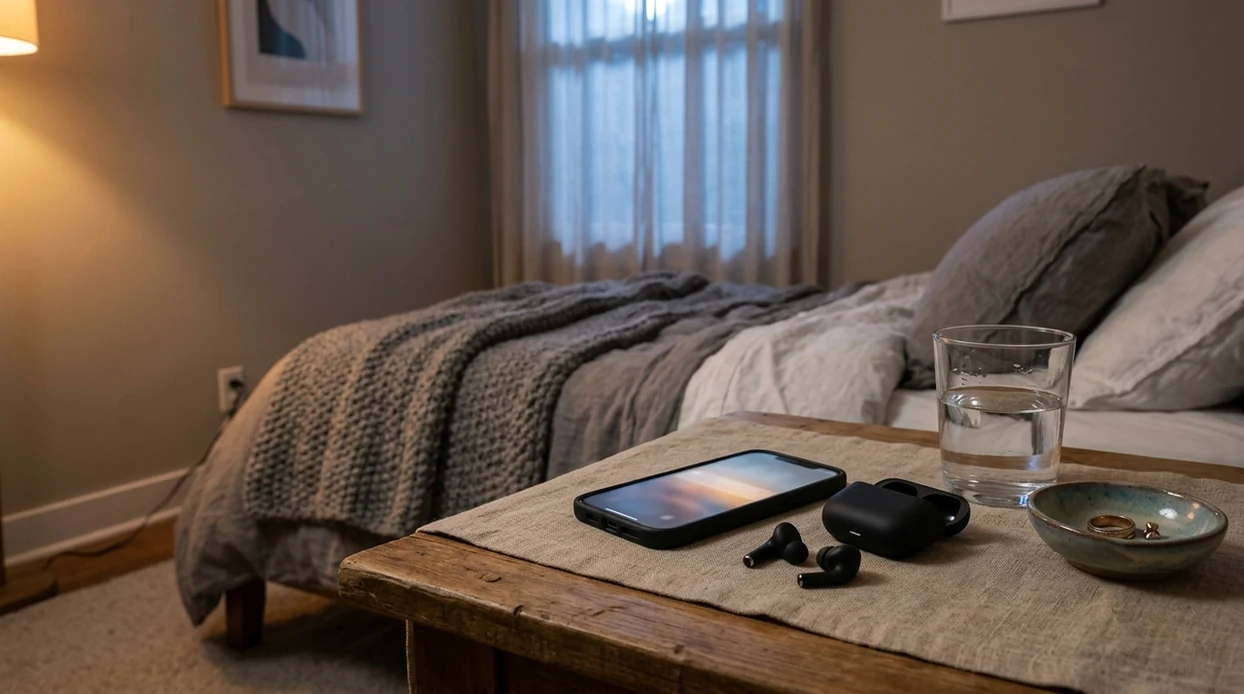


Free guided meditation for relaxation is a no-cost audio or video practice in which a narrator leads breathing, body awareness, attention, or imagery exercises. The voice supplies the next step, so there is less need to decide what to do during the session. Common uses include easing everyday tension, settling racing thoughts, and preparing for sleep. An empty mind is not required.
Short sessions can offer a manageable starting point, but no recording guarantees calm. A systematic review of meditation programs found modest improvements in anxiety, depression, and pain, not proof that every free track works. Guided relaxation is wellness support, not a replacement for medical or mental health care when symptoms are severe or persistent.
The essentials
- Short free guided sessions can be useful for stress, overthinking, bedtime wind-down, and everyday calm when practiced consistently.
- Evidence suggests mindfulness-based programs can reduce stress and anxiety symptoms on average, but results vary by person and condition.
- MindTastik organizes guided meditation, sleep audio, breathing exercises, and self-hypnosis sessions for adults who want sleep, anxiety, and everyday calm support.
Free guided meditation for relaxation at a glance
Free guided meditation means you press play, follow a voice, and let the session lead you through breathing, body scanning, or calm imagery. It is often used for stress, bedtime wind-down, racing thoughts, work breaks, and beginner meditation.
A useful session removes one hard decision: what to do next. You might choose a 5-minute breathing exercise before a presentation, or a body scan when your mind is still busy after lights out. For beginners, voice guidance can feel steadier than sitting in silence and wondering whether anything is happening.
Free guided meditation is wellness support, not a treatment replacement for severe anxiety, depression, PTSD, panic, or crisis symptoms. Tools like MindTastik can help you find no-cost relaxation sessions by mood, time, and goal, but professional care matters when symptoms feel unsafe or unmanageable.
Start small.
Five facts about free guided meditation for relaxation
- Guided relaxation usually uses simple anchors. Most sessions rely on breathing, body scans, mindfulness cues, visualization, or gentle sound.
- Short practice can be enough to begin. Regular 5 to 10 minute sessions often beat rare long sessions because repetition builds the habit loop.
- Reputable free sources exist. Apps, health systems, universities, nonprofits, and creator libraries all offer no-cost practices, though quality varies.
- Research is promising, not absolute. A 2014 JAMA Internal Medicine review found small to moderate improvements in anxiety, depression, and pain with mindfulness meditation programs compared with active controls JAMA Internal Medicine study: 1809754.
- Some people feel worse during practice. Restlessness, panic, intrusive memories, or emotional flooding are valid reasons to stop and seek support.
The pocket check is real. Many people open a meditation only after the day has already run too hot, so choosing a short track first keeps the barrier low.
How free guided meditation for relaxation works in the body
Free guided meditation for relaxation works by giving attention a steady target, such as breath, body sensations, sound, or imagery, so the mind has somewhere to return when thoughts pull it away.
That target is called attentional anchoring. In plain language, the voice keeps handing your mind a small place to land. Slower breathing may also support parasympathetic activation, the body’s “downshift” mode. Less rumination can reduce the feeling of mental spinning, especially when thoughts keep circling the same worry.
Meditation does not require an empty mind. Wandering thoughts during the first minute are normal. Noticing the drift and coming back is the practice.
Evidence summaries from NCCIH, the 2014 JAMA Internal Medicine review, and a 2021 stress meta-analysis support meditation as a helpful wellness practice for many adults. They do not prove that one free audio track will work for everyone, every time.
For beginners, guided practice is often easier than silent meditation because the next instruction is supplied for you. Men looking for a more tailored introduction can explore mindfulness for men alongside these beginner practices.
How to use free guided meditation for relaxation today
Use a free guided session like a short reset, not a performance test. Choose one clear reason, then match the format to what your body needs.
- Choose a session length of 5 to 10 minutes if you are new, tired, or already tense.
- Reduce distractions by dimming the phone screen, silencing alerts, and placing the device face down.
- Sit or lie down safely where you will not need to drive, supervise hazards, or operate equipment.
- Match the type to the need: breathing for panic-like tension, body scan for sleep, visualization for stress, or grounding when thoughts feel scattered.
- Notice before and after by rating tension from 1 to 10, then save the sessions that actually help.
- Stop the session if panic, dissociation, intrusive memories, or worsening distress appears.
Headphones are not required. A phone speaker in a quiet room is enough, and simple earbuds work if that feels more comfortable. If you want a broader starting menu, our meditation techniques for beginners guide keeps the choices simple.
Best free guided meditation for relaxation formats
The best free guided meditation format depends on your body state, environment, voice preference, and time available. A 5 minute meditation may fit a work break, while deep relaxation before bed may need a slower track.
| Format | Best use case | Ideal length | Beginner difficulty | Avoid or modify when |
|---|---|---|---|---|
| Body scan | Sleep preparation, muscle tension, deep relaxation | 10 to 25 minutes | Easy | Body focus increases anxiety or pain distress |
| Breathing meditation | Stress relief, anxiety and overthinking, quick reset | 3 to 10 minutes | Easy | Breath focus triggers panic or air hunger |
| Visualization | Mental stress, worry loops, bedtime imagery | 5 to 15 minutes | Medium | Imagery feels intrusive or emotionally loaded |
| Loving-kindness | Self-criticism, social stress, softening mood | 5 to 15 minutes | Medium | Phrases feel forced or upsetting |
| Sleep meditation | Bedtime wind-down, nighttime waking | 10 to 45 minutes | Easy | You need to stay alert |
A body scan pairs well with the blanket pulled to the chin. Visualization can help when your thoughts need a different scene to follow. For bedtime imagery, visualization meditation for sleep gives a more focused path.
A guiding voice can improve focus without increasing calm
Guidance and relaxation are not the same outcome. A 2025 study comparing meditation formats in novices found greater focused attention with audio guidance than with unguided practice. The authors also reported that verbal guidance may increase mental effort or autonomic arousal. A recording can therefore help someone stay with the exercise without necessarily making that person feel more settled.
The same study found higher focused attention during movement-based meditation than during still practice, with less drowsiness associated with sitting still. This suggests a useful alternative when a seated recording feels sleepy or restless: gentle movement or walking mindfulness rather than a longer seated session. These findings do not establish one best relaxation format; attention, comfort, and the reason for practicing remain separate considerations. For a comfortable movement-based practice, explore yoga poses for meditation that suit your mobility and energy level.
Where to find free guided meditations for relaxation
You can find free guided meditations for relaxation through health systems, universities, nonprofits, meditation apps, podcasts, and creator libraries. Good starting points include UCLA Mindful, Insight Timer, Calm, Headspace, hospital wellness pages, and reputable teachers who clearly label no-cost audio.
Use a quick filter before you settle in:
- Check the price label before pressing play, including whether the track requires a trial, account, subscription, paid course, or in-app purchase.
- Scan the session page for words like free, sample, premium, locked, member-only, or download fee, especially in apps with mixed free and paid libraries.
- Choose trustworthy sources such as universities, health systems, nonprofits, established apps, podcasts, or creators with clear credentials and calm safety language.
- Avoid big promises that claim to cure trauma, anxiety, insomnia, depression, or medical conditions in one session.
- Skip pressure tactics such as urgent upsells, shame-based messaging, or trauma language that pushes you to relive painful memories without support.
- Save two short tracks once you find them: one daytime reset for stress, and one slower bedtime option for nights when scrolling starts to look tempting.
MindTastik meditation app choices for sleep, anxiety, and everyday calm
MindTastik supports adults with guided meditation, sleep audio, breathing exercises, and self-hypnosis sessions for relaxation, anxiety support, and everyday calm. Its main benefit is structure: less time sorting through random options and more time choosing a practice that fits the moment.
If you are comparing free options, also check reputable libraries such as UCLA Mindful, Insight Timer, Headspace, Calm, and hospital or university wellness pages; MindTastik is most useful when you want sleep, anxiety, breathing, and self-hypnosis sessions organized in one app.
- Guided meditation: voice-led sessions for relaxation, focus, self-awareness, and beginner practice.
- Sleep audio: bedtime tracks for wind-down routines, body scans, and calm listening after lights out. Try a mindful listening practice by noticing sounds as they arise, without judging or chasing them.
- Breathing exercises: short resets for work stress, tense afternoons, or anxious overthinking.
- Self-hypnosis sessions: structured audio for habit support and relaxation, without cure claims.
- Beginner meditation: simple starting points by duration, mood, goal, and experience level.
Good meditation apps for sleep anxiety and everyday calm offer organized, supportive practice, not instant cures or substitutes for therapy. That distinction matters for someone who simply wants a calm audio guide when the mind feels crowded and hard to settle.
Evidence for guided meditation for relaxation and stress relief
Does free guided meditation for relaxation have evidence behind it? Yes, but the strongest evidence is for structured meditation and mindfulness programs, not every free app track or creator video.
NCCIH reports that 14.2% of U.S. adults used meditation in the past 12 months in 2017, nearly triple the 2012 rate of 4.1% NCCIH mindfulness overview: statistics on complementary and integrative health approaches. A 2014 JAMA Internal Medicine systematic review found small to moderate improvements in anxiety, depression, and pain compared with active controls source.
A 2021 BMC Psychology meta-analysis found reductions in perceived stress and improvements in psychological well-being across mindfulness-based programs bmcpsychology reference: s40359 021 00519 2. In 2022, a randomized clinical trial found an 8-week mindfulness-based stress reduction program was comparable to escitalopram for generalized anxiety disorder symptoms, but that was a structured clinical intervention, not free bedtime audio JAMA Internal Medicine study: 2798510.
Clinicians typically recommend meditation as a supportive practice, while using therapy, medication, crisis care, or medical evaluation when those are needed. The most common medically supported way to use meditation for stress is consistent practice combined with appropriate professional support when symptoms are persistent or severe.
Common free guided meditation for relaxation mistakes
The most common mistake is expecting a free guided meditation to instantly fix anxiety, depression, insomnia, or chronic stress. Relaxation practice can help, but it is not a cure and should not carry the whole weight of care.
Another mistake is chasing a blank mind. The mind will wander. You may hear the narrator say “return to the breath” ten times because returning is the exercise, not evidence that you failed.
Session choice matters too. A 40-minute silent or emotionally intense track can feel like too much when you are already activated. A shorter breathing practice or grounding meditation techniques may be more manageable.
Quality matters, but paid is not automatically better. Reputable free resources from hospitals, universities, nonprofits, and careful app libraries can be useful. Stop pushing through if panic, dissociation, flashbacks, or worsening symptoms show up.
Reset the plan.
MindTastik sessions for a short relaxation routine
MindTastik’s guided meditation library suits adults who prefer spoken instructions rather than silent practice. Breathing exercises offer another format for a short pause, while sleep stories and soundscapes are options for bedtime listening. These are different ways to wind down, not medical treatments.
The app is free to download, with an optional subscription and a free trial; that does not mean every session is permanently free. Readers seeking only no-cost recordings may prefer a university or health-system library with clearly labeled free audio.
When guided relaxation feels worse or is not enough
Free guided meditation for relaxation has real limits, and knowing them helps you use it safely.
- It is not a replacement for psychotherapy, medication, crisis support, or medical evaluation when those are needed.
- Some people feel restless, frustrated, emotionally activated, numb, or more anxious during meditation.
- People with severe trauma histories, untreated psychosis, severe depression, suicidal thoughts, or intense panic should seek professional guidance.
- Free libraries may have limited personalization, offline access, advanced courses, content variety, or trauma-sensitive filtering.
- Benefits reported in studies are average effects. Your results may be modest, inconsistent, or hard to notice at first.
- Meditation should not be used while driving, operating machinery, cooking near hazards, or doing tasks requiring full attention.
- Breath-focused sessions may not suit everyone. If breath awareness feels unsafe, try sound, grounding, or gentle movement instead.
Late at night, when the room is quiet and sleep still feels out of reach, a guided session can be a kinder choice than scrolling. But if difficult nights happen often, it is worth speaking with a qualified professional.
When you want app-based guidance rather than reading steps alone, MindTastik guided meditation app collects the core guided library in one place.
Free guided relaxation questions
Where can I find guided relaxation recordings that are actually free?
University and health-system meditation libraries, nonprofit sites, podcasts, and some apps offer no-cost recordings. Check the individual track, not just the download label. A free app download or trial can still lead to paid audio. Look for clear access terms before starting, especially for bedtime listening.
How long should a beginner try guided relaxation?
Five to ten minutes is a practical starting length, not a scientifically established minimum. A short recording makes it easier to assess the voice, pace, and exercise without committing to a long session. Longer practice is optional; comfort and a repeatable routine matter more than choosing the longest track.
Is a body scan or breathing meditation better for relaxation?
Neither is best for everyone. A body scan directs attention through physical sensations and can suit bedtime or muscle tension. Breathing meditation provides a simpler repeating anchor. Body awareness can increase distress for some people, and breath focus can trigger anxiety, so the more comfortable format is usually the better starting choice.
Can guided meditation help with racing thoughts?
It gives attention a specific place to return, such as a sound, body sensation, or image. That can make repetitive thinking feel less consuming, but thoughts may continue throughout the session. Returning to the guidance is the exercise. Persistent or distressing racing thoughts may need support beyond a relaxation recording.
Can I use guided relaxation to fall asleep?
A slow body scan or sleep-oriented recording can be part of a bedtime wind-down. Falling asleep is not required for the practice to be useful. Research on structured meditation does not establish that every sleep track treats insomnia. Persistent sleep problems need assessment rather than relying only on audio.
Why do I feel more restless during a guided meditation?
Stillness, body focus, or frequent spoken instructions may feel uncomfortable rather than calming. Guidance can help attention while also increasing mental effort. A shorter recording, a different anchor, or gentle movement may suit better. Stop when distress increases; completing a track is not more important than feeling safe.