
Light Slow Deep Breathing Meditation: A Gentle Guide
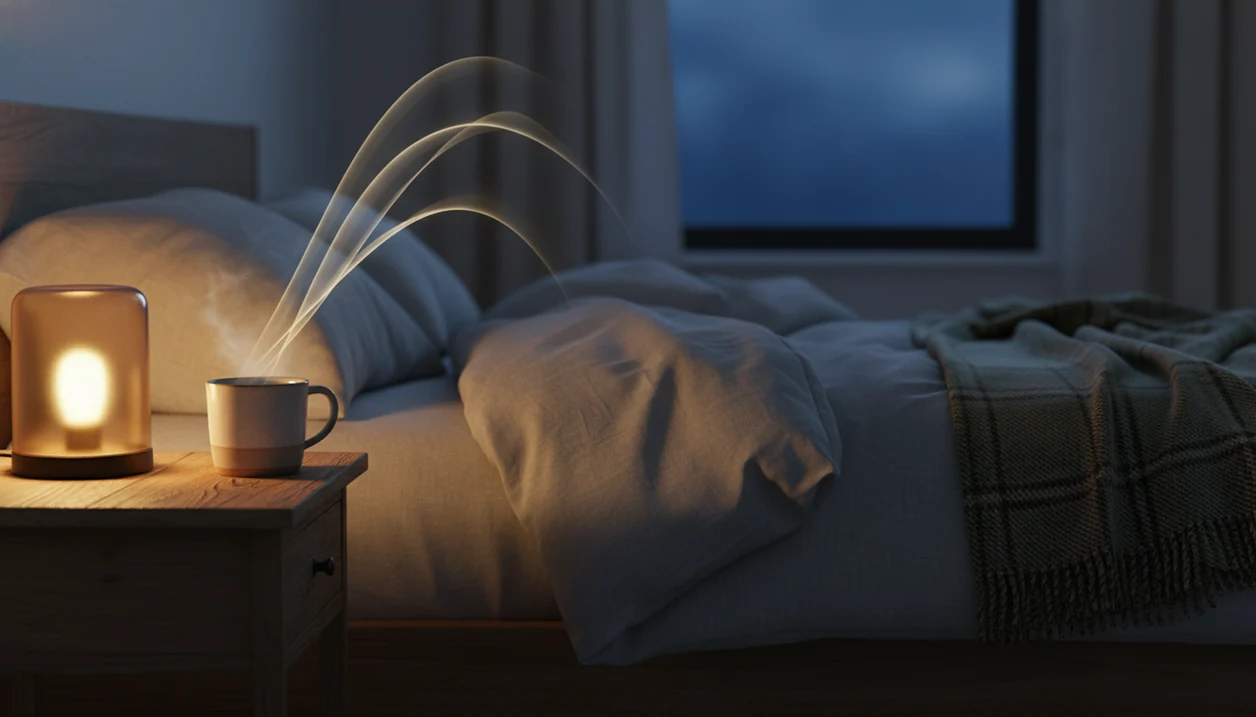


Light slow deep breathing meditation is a gentle practice of breathing quietly through the nose, slowing the rhythm, and allowing the belly to move without forcing a large breath. “Light” means easy and quiet; “deep” refers to diaphragmatic movement, not gulping air. A slightly longer exhale can help create a settling rhythm, but comfort matters more than a precise count.
The practice can support a short pause during stress, a bedtime wind-down, or calmer preparation for focused work. Five to ten minutes is a practical starting point. Around six breaths per minute is a commonly studied pace, not a requirement. If slowing the breath causes dizziness, tingling, strain, or increased anxiety, stop the exercise and return to normal breathing.
The essentials
- Keep the breath light, quiet, nasal, and comfortable rather than big or forceful.
- A rhythm near 6 breaths per minute may support relaxation and heart rate variability, but comfort matters more than precision.
- Use it for 5-10 minutes before sleep, during stress spikes, or before focused work, and stop if you feel dizzy or uncomfortable.
Light Slow Deep Breathing Meditation Basics
Light slow deep breathing meditation means breathing gently, more slowly than usual, and lower in the body without turning the breath into a performance. “Light” means quiet and easy, not weak or barely there. You should not hear a loud inhale or feel like you are gulping air.
“Slow” means you reduce the pace only as far as it still feels natural. Some people settle near six breaths per minute, but counting is optional. “Deep” means the diaphragm moves and the belly softens. It does not mean lifting the upper chest or forcing a huge breath.
You can sit in a chair with both feet on the floor, or lie down in bed before sleep. The small decision of dimming the phone screen before starting bedtime audio often helps the practice feel less stimulating. For a wider comparison, the meditation techniques library covers related methods.
Before You Start: Safety and Setup
Before you start, set up the practice so your body is supported and your attention is not needed elsewhere. Light slow deep breathing should feel safe, ordinary, and easy to leave if it becomes uncomfortable.
- Choose a stable position such as sitting in a chair or lying down on a bed, couch, or mat. If sleep is possible, make sure the place is safe enough for that.
- Avoid practicing during risky moments such as driving, bathing, cooking over heat, operating tools, or doing anything that needs quick attention.
- Keep the breath comfortable rather than heroic. If dizziness, tingling, panic, chest tightness, or air hunger appears, stop the exercise and let breathing return to normal.
- Use nasal breathing only when it is easy and the nose feels reasonably clear. If the nose is blocked or strained, soften the effort instead of forcing it.
- Ask a qualified clinician first if you have asthma, COPD, significant breathing problems, heart concerns, severe panic, or symptoms that feel unpredictable.
The rule is simple: comfort comes before technique.
Nervous System Effects of Light Slow Deep Breathing Meditation
How it works: slow diaphragmatic breathing can nudge the autonomic nervous system toward parasympathetic activity, often called the rest-and-digest response. In plain language, the body gets a signal that it may not need to stay braced.
Five useful facts:
- Parasympathetic activation is linked with slower heart rate, softer muscle tone, and a calmer body state.
- Longer exhales can feel settling because exhaling is associated with a natural slowing influence on the heart.
- Diaphragmatic breathing uses the lower ribs and belly more than the neck and upper chest.
- Slow breathing near 6 breaths per minute has been studied for relaxation and heart rate variability; one review discusses slow-breathing effects on autonomic function and HRV: PMC research article: PMC6137615.
- Effects vary. This practice can support calm, but it should not be framed as a medical treatment.
On uneasy nights, noticing the weight of the body against the mattress can be a steadier choice than checking the time again. A light, slow, deep breath gives attention one simple place to rest.
Evidence for Light Slow Deep Breathing Meditation
The best evidence for light slow deep breathing meditation supports short-term relaxation, reduced body arousal, and possible improvements in heart rate variability. Claims about curing anxiety, insomnia, or long-term disease are much less certain.
Slow breathing research often focuses on HRV, a measure of how flexibly the heart responds to breathing, stress, and recovery. Breathing near a comfortable slow rhythm may increase vagal influence, meaning the calming branch of the nervous system has more room to operate. Clinical and peer-reviewed reviews describe relaxation breathing as a low-risk supportive practice when it is gentle, but results vary by person, setting, and consistency.
A useful way to read the evidence is:
- Treat immediate calm as the strongest claim. Short sessions can help some people feel less keyed up.
- View anxiety and sleep support as promising but mixed. Breath practice may reduce arousal, yet it is not the same as therapy or insomnia treatment.
- Consider long-term cardiovascular or cognitive claims emerging. HRV changes are interesting, but they do not prove broad health outcomes.
- Use it as supportive care. Keep medication, therapy, sleep evaluation, or urgent care in place when symptoms need professional help.
What the research measures, and what it does not
A 2023 meta-analysis of breathwork trials found a small-to-moderate reduction in self-reported stress across 12 randomized trials involving 785 participants. Anxiety also improved across the studies that measured it. However, the interventions varied considerably. These results support breathwork as a possible stress-management aid, but they do not establish that light slow deep breathing is the best method or that a particular inhale-to-exhale ratio is necessary.
A 2024 review of slow-paced breathing included 31 studies and 1,133 participants. It found reliable changes in cardiovascular measures, including heart-rate variability, while the pooled effect on negative emotion, particularly perceived stress, did not reach conventional statistical significance. The distinction matters: a measurable change in heart rhythm during practice is not proof of better sleep or relief from an anxiety disorder.
5-Step Light Slow Deep Breathing Meditation Routine
Use this light slow deep breathing meditation routine when you want a short reset without special equipment. Keep the first session simple. Five minutes is enough.
- Set a 5-10 minute timer or open a guided session with a soft voice and minimal background sound.
- Sit or lie down with relaxed shoulders, loose hands, and an unclenched jaw. For additional bedtime relaxation, try meditation for tension release before bed to gently soften tight muscles.
- Inhale gently through your nose and let the belly move outward a little.
- Exhale slightly longer than you inhale without pushing, squeezing, or holding the breath.
- Return attention to breath sensations when thoughts wander, then end by noticing your body before standing or sleeping.
A practical rhythm is 4 in and 6 out, but only if it feels easy. If you are choosing between a 5-minute breathing exercise and a 20-minute body scan, start with the shorter one. For tight schedules, short meditation techniques may fit better.
Best Times for Light Slow Deep Breathing Meditation
When should you use light slow deep breathing meditation? Use it before sleep, during stress spikes, before focused work, or during a daily break when you want a repeatable calm cue.
Before sleep, the practice helps you downshift from light, noise, scrolling, and problem-solving. Try it after the screen brightness is lowered to minimum, before the mind starts bargaining for one more video.
During anxiety spikes, use it as a grounding tool, not a cure. A quiet exhale before opening messages can create a small pause between the body’s alarm and your next action.
Before focused work or study, three to five minutes can reduce mental noise. During ordinary breaks, it builds familiarity. For most people, short regular practice is easier to maintain than long occasional practice because the habit has fewer excuses.
Good meditation app for sleep anxiety and everyday calm deliver repeatable cues and guided structure, not instant relief or a replacement for care.
Beginner Tips for Light Slow Deep Breathing Meditation
Beginners usually do better when the breath feels small, steady, and sustainable. Don’t chase a dramatic “deep breath” feeling. That often leads to over-breathing. If practice feels frustrating, understanding why meditation isn't working can help you reconsider expectations rather than force stronger sensations.
- Nose breathing: Use the nose when comfortable because it naturally slows and softens the breath.
- Quiet volume: Keep each breath small enough that you could continue for several minutes without effort.
- Soft belly: Let the belly loosen instead of forcing it to rise like a balloon.
- Easy count: Try 4 in and 6 out only if counting feels calming, not irritating. If you prefer equal breathing counts, box breathing before bed offers another structured option, provided any holds feel comfortable.
- Safety reset: Stop, breathe normally, or open your eyes if dizziness, tingling, or panic appears.
Palms pressed against a desk edge can be enough support during a workday reset. If breath focus feels too intense, grounding meditation techniques may feel more stable because they use touch, sound, and surroundings.
Best-Fit Readers for Light Slow Deep Breathing Meditation
Light slow deep breathing meditation fits adults who want a simple, low-equipment practice for sleep support, stress relief, beginner meditation, or calm focus. It is not ideal as the only strategy for severe symptoms.
| Reader situation | Fit | Practical note |
|---|---|---|
| Trouble winding down before bed | Good fit | Pair with a steady wind-down routine. |
| Mild stress during the day | Good fit | Use 3-5 minutes before reacting. |
| New to meditation | Good fit | Simple instructions reduce friction. |
| Severe anxiety, panic, or trauma responses | Use caution | Work with a qualified professional. |
| Persistent insomnia | Use caution | Combine sleep habits with clinical guidance when needed. |
The most manageable starting point is a short breath practice combined with a consistent cue, such as bedtime, a lunch break, or the start of focused work.
Guided tools can provide optional support, but the practice itself remains a self-care routine, not treatment. Beginners may also find meditation techniques for beginners useful.
MindTastik Support for Light Slow Deep Breathing Meditation
Guided audio can reduce guesswork when you are learning light slow deep breathing meditation. A voice can remind you to soften the jaw, slow the exhale, and return attention without turning the session into a counting test.
MindTastik offers guided sessions for adults looking for everyday support with rest, stress, breathing practice, and calmer routines. A guided session gives beginners spoken cues for pacing and returning attention to the breath, so they do not have to plan each step while practicing.
Reminders and structured tracks can help build habit loops: a cue, a routine, and a small sense of completion. A phone set nearby with a saved breathing session may be all the signal you need to begin.
Apps such as MindTastik, Calm, and Headspace can help organize breathing sessions, sleep audio, and everyday calm tracks. The Best Meditation App for Sleep label is only meaningful if the app helps you practice regularly.
Image Guide for Light Slow Deep Breathing Meditation
Use a calm, ordinary image that shows the practice clearly without making it look clinical or dramatic. A good article graphic would show a person seated in a chair or lying comfortably with one hand on the belly and relaxed shoulders.
Caption guidance: “A gentle nasal belly-breathing posture for light slow deep breathing meditation, with shoulders relaxed and the body supported.”
Alt text guidance: “Person practicing light slow deep breathing meditation with one hand on the belly and relaxed shoulders.”
Avoid hospital-style imagery, exaggerated chest expansion, intense facial expressions, or spiritual props that make the technique feel harder to start. The image should say: you can do this in normal clothes, in a normal room, on a normal evening.
If the page includes related sleep content, a softer visual can pair well with visualization meditation for sleep, but the breathing image should stay simple.
Guided audio for a gentle breathing pace
MindTastik’s breathing exercises and guided meditations are options for adults who prefer spoken instructions to watching a timer or keeping a count. They can provide a short session for a bedtime routine or a daytime pause. The useful choice is one whose pace stays comfortable, rather than one that encourages larger breaths or strict timing.
People who become more anxious when attending to breathing may prefer a soundscape or sleep story. Persistent insomnia, repeated panic, or unexplained breathlessness calls for clinical guidance, not an app alone.
Limits of slow breathing for anxiety and sleep
Light slow deep breathing meditation is useful for many people, but it has real limits. Comfort and safety matter more than hitting a specific breathing number.
- Benefits are often moderate and depend on consistent practice.
- It does not replace therapy, medication, crisis care, or professional support for serious mental health conditions.
- Some people feel dizzy, uncomfortable, tingly, or more anxious when focusing on breath.
- Very slow breathing can backfire if it creates strain or air hunger.
- Forceful “deep” breathing can lead to over-breathing and lightheadedness.
- Evidence for long-term cognitive and cardiovascular effects is still emerging.
- App-guided results depend on engagement, environment, sleep habits, and regular use.
- People with persistent insomnia, panic, trauma symptoms, or breathing-related medical conditions should ask a qualified clinician for guidance.
Clinicians typically recommend relaxation breathing as a supportive skill, not as a stand-alone answer for intense or long-lasting symptoms. For clinical guidance on gentle breathing and what to do if dizziness occurs, see Cambridge University Hospitals’ breathing exercise guidance.
When to Seek Professional Help
Seek professional help when sleep loss, panic, trauma reactions, or breathing symptoms are persistent, intense, or starting to shrink daily life. Light slow deep breathing can be useful self-care, but it belongs beside appropriate treatment, not in place of it.
Use the practice as a support skill and keep a low bar for getting help:
- Contact a qualified clinician if insomnia continues for weeks, panic attacks repeat, nightmares or trauma symptoms feel intrusive, or anxiety makes work, school, driving, or relationships harder.
- Stop the breathing practice if focusing on the breath repeatedly increases fear, air hunger, dizziness, chest tightness, or a trapped feeling. Return to normal breathing and choose a grounding method instead.
- Seek urgent support now if you have thoughts of self-harm, feel unable to stay safe, have severe confusion, chest pain, fainting, or crisis symptoms that feel unmanageable.
- Ask a clinician first if you have asthma, COPD, sleep apnea, significant respiratory symptoms, heart rhythm concerns, heart disease, or unexplained shortness of breath.
- Use breathwork alongside care such as therapy, medication, sleep evaluation, medical treatment, or crisis planning when those are needed.
When you want app-based guidance rather than reading steps alone, MindTastik guided meditation app collects the core guided library in one place.
Light slow deep breathing questions
What does LSD mean in breathing meditation?
Here, LSD stands for light, slow, deep. Light means quiet and unforced, slow means a comfortable reduction in pace, and deep means allowing diaphragmatic movement around the lower ribs and belly. It does not mean taking the largest possible breath or holding air in.
How can breathing be both light and deep?
The words describe different parts of the breath. Light describes the effort and volume: no gulping or forceful inhalation. Deep describes diaphragmatic movement rather than exaggerated upper-chest lifting. The belly can move gently while the breath remains quiet, modest in size, and easy to repeat.
Should I aim for six breaths per minute?
Six breaths per minute is a commonly studied slow-breathing pace, not a target everyone needs to reach. A four-second inhale and six-second exhale produces that rhythm. If the count creates strain or air hunger, use a shorter, easier rhythm or stop counting. Comfort takes priority over timing.
Does the exhale have to be longer than the inhale?
A slightly longer exhale is an option, not a requirement. It can feel settling, but there is no need to push air out or delay the next inhale. If extending the exhale makes breathing feel controlled or strained, return to an easier rhythm without a fixed ratio.
Can light slow deep breathing help with anxiety?
It may help reduce body arousal and offer a pause during everyday stress. Research on breathwork suggests modest average benefits, but findings vary by technique and study. It is not a treatment replacement for an anxiety disorder. If breath attention increases panic, stop and seek individualized guidance.
Can slow breathing help me fall asleep?
A gentle session can serve as part of a bedtime wind-down, especially when the aim is to settle rather than force sleep. Evidence that breathing exercises alone treat insomnia is much weaker. Persistent sleep problems need assessment and appropriate care, even if breathing feels relaxing in the moment.
Why do I feel dizzy during slow breathing?
Dizziness can occur when breaths become too large or effortful, even if the pace is slow. Stop the exercise, return to normal breathing, and rest for a minute or two. Persistent, severe, or unexplained dizziness, chest discomfort, or breathlessness needs clinical advice rather than further breathing practice.
How long should a beginner practice?
Five minutes is a reasonable first session, with five to ten minutes as a practical range when breathing remains comfortable. A shorter session is appropriate if counting or breath attention becomes tiring. There is no need to extend the session through dizziness, air hunger, or increasing anxiety.