
How To Start A Meditation Group
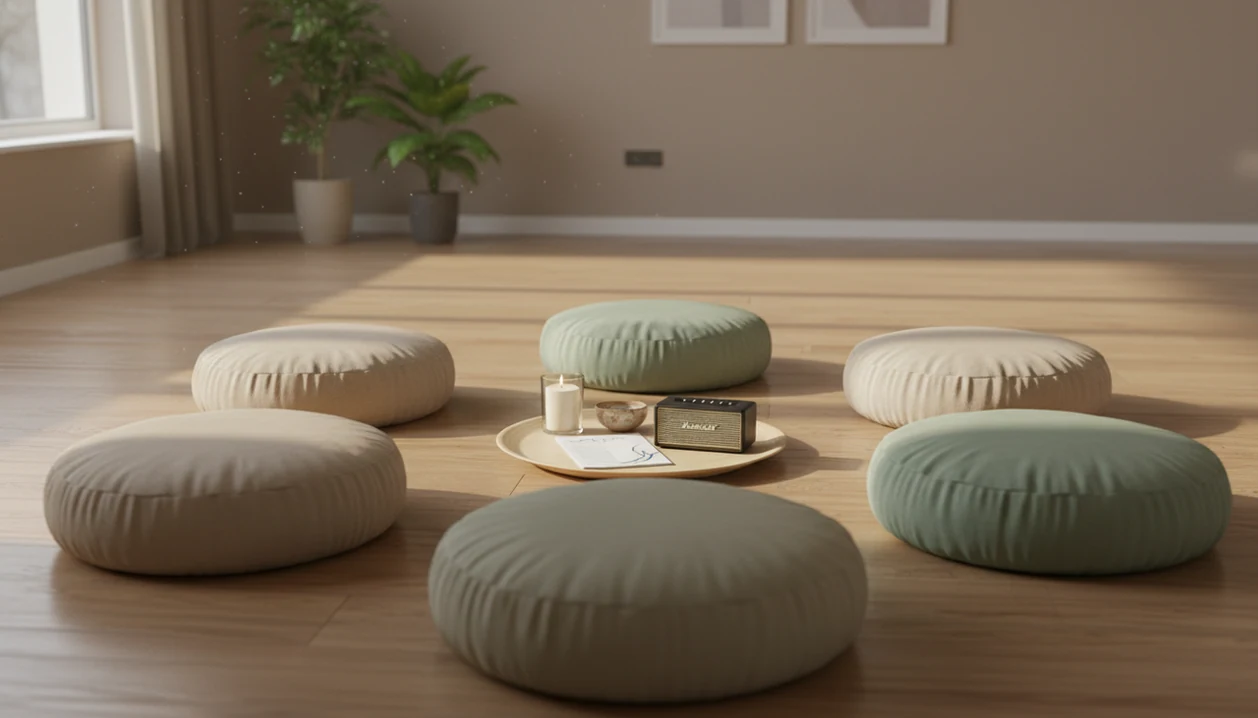


To start a meditation group, choose a shared purpose, set a regular time and quiet place, invite a small group, and use a repeatable format with a welcome, short guidance, 10-30 minutes of meditation, and optional sharing. A meditation group is a regular gathering for guided or silent practice, often focused on beginner mindfulness, sleep support, workplace focus, or everyday calm.
The host does not need to be a guru. Consistent scheduling, clear boundaries, and beginner-friendly instructions matter more than an elaborate room or a long teaching. Plan a 30-60 minute meeting with a clear closing, and use guided audio if it helps keep instructions simple. A group can support regular practice, but it is not a substitute for medical or mental health care.
The essentials
- Start with one clear purpose, such as sleep support, anxiety relief, workplace focus, or beginner mindfulness.
- Use a repeatable 30-60 minute structure with a welcome, short teaching, meditation, optional sharing, and clear closing.
- A meditation app can support groups with guided meditation, sleep audio, breathing exercises, and self-hypnosis sessions, but it should not replace medical or mental health care.
How to start a meditation group in 7 practical steps
Starting a meditation group begins with purpose, audience, time, place, format, invitation, and feedback. Keep the first version simple enough that people can actually return next week.
- Choose one purpose, such as sleep wind-down, workplace focus, anxiety support, or beginner mindfulness.
- Define who the group is for: friends, coworkers, neighbors, parents, students, or a local community.
- Set a regular time and length, usually weekly or biweekly for 30-60 minutes.
- Pick a quiet place, online room, workplace space, library room, or community center.
- Create a repeatable format with welcome, guidance, meditation, optional sharing, and closing.
- Invite a small first circle using plain wording and clear expectations.
- Ask for feedback after two or three sessions, then adjust the timing, format, or meditation style.
A guided session can help when nobody wants to “lead.” Guided-audio apps such as Calm or Headspace can provide sleep, anxiety, and calm audio, as long as the group stays voluntary.
What a meditation group is and why adults join
A meditation group is a regular gathering where people practice guided or silent meditation together around a shared purpose such as sleep, anxiety support, focus, or everyday calm.
Adults usually join for structure, shared intention, accountability, and a calmer social setting than a class that feels performance-based. Some people want a workday reset before a presentation. Others come because late-night wakefulness has started to feel like a routine they would rather soften.
Meditation is mainstream enough that organizers are not starting from scratch. In 2017-2018, 14.2% of U.S. adults, more than 35 million people, reported using meditation in the past year, according to the NCCIH NCCIH mindfulness overview: meditation use in the us 2012 2017. Work stress is also associated with sleep disturbance and insomnia, according to CDC/NIOSH guidance on occupational stress CDC guidance.
A meditation group is supportive practice, not clinical treatment. Clinicians typically recommend professional care for severe anxiety, depression, trauma symptoms, or persistent insomnia.
How a mindfulness meditation group works behind the scenes
A mindfulness meditation group works by making practice easier to repeat: cue, shared setting, guided practice, reflection, and repetition. That behavioral loop matters because habit formation often depends less on motivation than on removing friction. For new members, five steps to mindfulness can provide a simple starting structure for practice between meetings.
The cue might be Tuesday at 7 p.m., the same meeting link, or the same chairs in a quiet room. Once people arrive, group norms make silence and stillness less awkward. Optional sharing can help people name what they noticed without turning the room into therapy.
Beginners often do better when the decision is already made. Choosing between a 5-minute breathing exercise and a 20-minute body scan can feel oddly tiring after a long day. Guided audio reduces that decision fatigue.
Research does not prove that meditation solves every problem. However, a 2014 meta-analysis found mindfulness meditation programs produced moderate improvements in anxiety and depression symptoms compared with controls JAMA Internal Medicine study: 1809754. Regular group practice is often easier than private practice because the meeting itself becomes the reminder.
Set realistic expectations for practice between meetings
Attendance and home practice are separate commitments. A 2021 systematic review and meta-analysis of out-of-class mindfulness practice found that participants completed an average of 64% of assigned home practice, about 29 minutes daily compared with 45 minutes assigned. These findings concern structured mindfulness programs, not informal neighborhood groups, but they caution against assuming that everyone will complete a daily assignment. The review also identified instructor and group-related social factors as important to implementation.
For an informal group, make any between-meeting practice optional and discuss barriers without asking people to defend missed days. One practical option is to connect a brief practice to an existing activity, such as finishing breakfast. A 2021 randomized trial of personalized routine anchors found higher odds of daily meditation with that approach, although practice declined over eight weeks across participants. A useful follow-up question is what made practice easier or harder, rather than how many days someone missed. When routines feel difficult, overcoming obstacles with mindfulness can help members respond to setbacks without judging themselves.
Best meditation group format for sleep, anxiety, focus, and beginners
The best meditation group format depends on the group’s purpose. Purpose shapes who you invite, what audio you choose, what agreements you set, and whether the meeting happens at lunch, after work, or before bed.
| Use case | Session length | Meditation type | Recommended tone |
|---|---|---|---|
| Sleep-focused group | 30-45 minutes | Body scan, breath, sleep audio | Quiet, slow, low-light |
| Anxiety-support group | 25-45 minutes | Grounding, breathing, gentle mindfulness | Reassuring, choice-based |
| Workplace focus group | 15-30 minutes | Breath awareness, focus reset | Clear, brief, practical |
| Beginner mindfulness group | 30-45 minutes | Guided meditation with simple cues | Friendly, plain-language |
| Silent practice group | 45-60 minutes | Mostly silent sitting or walking | Spacious, minimal instruction |
For anxious groups, a short grounding practice may work better than long silence because it gives people a concrete anchor. If your group is new, borrow from meditation techniques for beginners before trying longer formats.
MindTastik can be one optional source for sleep audio, breathing exercises, and guided meditation.
Essential meditation group setup checklist before the first session
A good meditation group setup is practical, not fancy. Comfort matters more than studio-like perfection, especially when people are trying meditation for the first time with a stiff back and one eye on the clock.
- Space: Choose a quiet room, online meeting, workplace nook, library space, or community room with minimal interruption.
- Seating: Offer chairs, cushions, or mats, and never require floor sitting.
- Environment: Check temperature, lighting, noise, restroom access, parking, and accessibility.
- Group size: Start small with 4-10 friends, coworkers, neighbors, or local board contacts.
- Timing: State the exact start and end time so people trust the container.
Room and comfort basics
Arrange seats so people have personal space. Dim harsh lights if possible, but keep the room safe to move through.
Audio and app backup plan
For in-person groups, test speakers before anyone arrives. For online groups, set Zoom-style audio expectations, camera choice, muting, and chat use. Download app tracks offline, check Wi-Fi, and prepare a backup meditation in case the speaker refuses to pair. It happens.
Simple meditation group agenda for a 45-minute meeting
A 45-minute meditation group works best when the facilitator coordinates the experience rather than acting as a therapist. The agenda should be predictable enough that nervous beginners know what comes next.
1. Arrival, 5 minutes. Let people settle, silence phones, adjust chairs, and arrive without rushing.
2. Welcome and agreements, 5 minutes. Name the theme, timing, confidentiality expectations, and the fact that sharing is optional.
3. Short teaching, 5 minutes. Offer one plain idea, such as returning to the breath or noticing tension without arguing with it.
4. Meditation, 10-30 minutes. Use breath awareness, body scan, sleep wind-down, anxiety grounding, focus reset, or another simple theme. For members who prefer gentle movement, walking meditation offers another way to practice awareness without remaining seated.
5. Optional sharing and close, 5-10 minutes. Invite brief reflections, then close clearly.
For workplace or beginner groups, shorten the format to 25-30 minutes. If time is tight, short meditation techniques are often more repeatable than ambitious long sessions.
How to use MindTastik in a meditation group without overcomplicating it
MindTastik offers wellness-focused guided audio for adults, including meditation sessions, sleep support, breathing practices, and self-hypnosis for everyday calm and relaxation.
Use the group purpose to choose the session. Sleep groups may choose bedtime audio or progressive muscle relaxation for sleep. Anxiety-support groups may start with breathing or grounding. Focus groups may use a short reset, and beginner groups should choose clear guidance with minimal jargon.
Keep the phone screen dim if the group meets at night. Place the device near a speaker, test the volume, and download the session in advance if Wi-Fi is uncertain.
Reminders, progress stats, and streaks can support between-meeting accountability, but don’t turn them into a scoreboard. The quieter win is someone realizing they have a calming track ready when their mind feels crowded.
7 common meditation group mistakes
“What mistakes should I avoid when starting a meditation group?” The biggest mistake is acting like you must be an expert teacher, spiritual authority, event producer, and therapist at the same time. Reviewing common obstacles to meditation can help hosts anticipate distractions, restlessness, and unrealistic expectations before the first meeting.
- Waiting for perfect credentials. Training helps, but a careful facilitator can host simple practice within clear limits.
- Overbuilding the room. Incense, special cushions, and a studio look are optional.
- Making sessions too long. For beginners, 10-30 minutes of practice can be enough.
- Forcing sharing. Some people feel safer listening quietly.
- Starting late or ending vaguely. Clear timing builds trust.
- Changing the schedule constantly. Inconsistent meetings break the habit loop.
- Skipping group agreements. Confidentiality, consent, and opt-out choices need to be said aloud.
Feedback after the first few sessions matters more than perfection. Ask what felt useful, what felt awkward, and what should change next time.
Best for and not for: meditation group fit
A meditation group fits people who want structure, accountability, and shared calm. It may not fit people who feel drained by groups, need urgent care, or want a quick cure.
| Best for | Not ideal for |
|---|---|
| Beginners who want structure | People who strongly dislike group settings |
| Adults seeking everyday calm | Anyone needing urgent mental health support |
| Workplace focus groups | People who feel pressured by sharing |
| Sleep wind-down circles | People looking for a fast cure |
| People who like accountability | Groups without clear boundaries |
Private practice with an app, journal, or quiet timer may be better for some people. A phone with guided audio in a quiet room can be enough of a starting point, especially when the next step needs to feel simple.
For sleep-oriented groups, visualization meditation for sleep may feel gentler than open-ended silence. For anxious groups, grounding meditation techniques can give members a concrete place to begin.
When to seek professional help
Seek professional help when meditation feels like too little support for what is happening in your body, mood, or safety. A group can offer steadiness, but crisis, self-harm thoughts, panic, trauma symptoms, and severe depression need qualified care.
If insomnia keeps lasting, affects driving or work, or comes with a worsening mood, contact a licensed clinician or medical professional. Do the same if anxiety is getting stronger, spreading into daily tasks, or making you avoid life in ways that feel hard to reverse.
Facilitators should host meditation practice without diagnosing conditions, providing treatment, interpreting trauma, or pressuring anyone to disclose private experiences. Sharing should stay optional, brief, and consent-based.
- Pause the session if someone seems unable to stay safe or is in immediate danger.
- Ask whether they have a trusted person, clinician, or crisis contact they can reach right now.
- Call local emergency services or a crisis line if there is immediate risk of self-harm, harm to others, or medical danger.
- Stay with the person, when safe to do so, until appropriate help is involved.
Guided audio for a group without a meditation teacher
MindTastik’s guided meditation library can provide spoken instructions when a host wants to coordinate the meeting rather than lead every cue. Beginner groups can choose simple guidance; sleep-focused groups may prefer relaxation audio, while workplace groups may want a brief focus session. Groups seeking silent practice, tradition-specific teaching, or qualified mental health support should choose a format or provider that meets those needs. The app is not medical treatment.
What a meditation group cannot provide
Meditation groups are not a replacement for professional mental health or medical care. They can support routine, reflection, and everyday calm, but they should stay inside clear safety boundaries.
- Severe anxiety, depression, trauma symptoms, panic, self-harm thoughts, or crisis situations need qualified professional support.
- Persistent insomnia should be discussed with a medical professional, especially when it affects work, driving, mood, or safety.
- Not everyone benefits from group settings; some people feel watched, tense, or distracted.
- Sharing should always be optional, and members should never be pushed to describe personal experiences.
- Benefits usually require regular practice over weeks or months, not one inspiring session.
- App reliance can become a problem if the group cannot practice when technology fails.
- Accessibility issues, poor facilitation, unclear boundaries, or spiritual pressure can make a group feel unsafe.
- Workplace groups should avoid collecting sensitive mental health details from employees.
A supportive practice works best when people can opt in, opt out, and choose what feels manageable.
If you are ready to move from tips to practice, MindTastik guided meditation app is where MindTastik keeps its guided meditation experience.
Starting a meditation group: common questions
Do I need meditation training to start a group?
Training can help, but a host can coordinate a simple guided or silent practice without presenting themselves as a teacher or therapist. State the group’s purpose and limits clearly. Groups seeking clinical support or specialized instruction should work with an appropriately qualified professional.
How many people should a new meditation group have?
Start with about 4-10 people so the first meetings remain manageable. Choose a room with enough comfortable seating, or an online format with clear instructions. A small group makes it easier to hear feedback and adjust timing without turning the meeting into a complicated event.
How long should a meditation group meeting last?
A beginner meeting can last 30-60 minutes, including arrival, instructions, meditation, optional sharing, and a closing. The meditation itself need not fill the whole meeting. A 10-minute practice leaves room to explain the format and hear feedback; longer practice can follow if the group finds it manageable.
What should I say at the start of a meditation group?
Give the purpose, end time, and basic agreements before practice begins. For example: “Today we will practice breath awareness for 10 minutes. Chairs are available, sharing afterward is optional, and please respect other people’s privacy.” Keep instructions brief and avoid inviting personal disclosures as part of the welcome.
Should everyone share after a group meditation?
No. Make sharing optional from the first meeting, and let people listen without explaining why they prefer silence. Discussion can focus on the practice rather than private history. The facilitator should not interpret someone’s experience, offer a diagnosis, or turn the discussion into group therapy.
Can I use a meditation app to lead a group session?
Guided audio can supply instructions while the host manages the welcome, timing, and closing. Choose a session that matches the group’s purpose and available time, then check that everyone can hear it comfortably. MindTastik is one example with guided meditations, breathing practices, and sleep audio.
How do I invite people to a meditation group?
Write a short invitation that names the purpose, intended participants, location or meeting link, and exact start and end times. Explain the format, including guided or silent practice and optional sharing. A clear description helps people decide if the meeting suits them without promising anxiety relief or better sleep.
What should a facilitator do if someone becomes distressed?
Do not push the person to continue meditating or disclose what happened. Practice can be shortened or paused, and the facilitator should stay within a hosting role. Panic, trauma symptoms, severe depression, self-harm thoughts, or a crisis need qualified support, not interpretation or treatment from the group.