
Mindful Movement Exercises for Everyday Calm, Sleep, and Focus
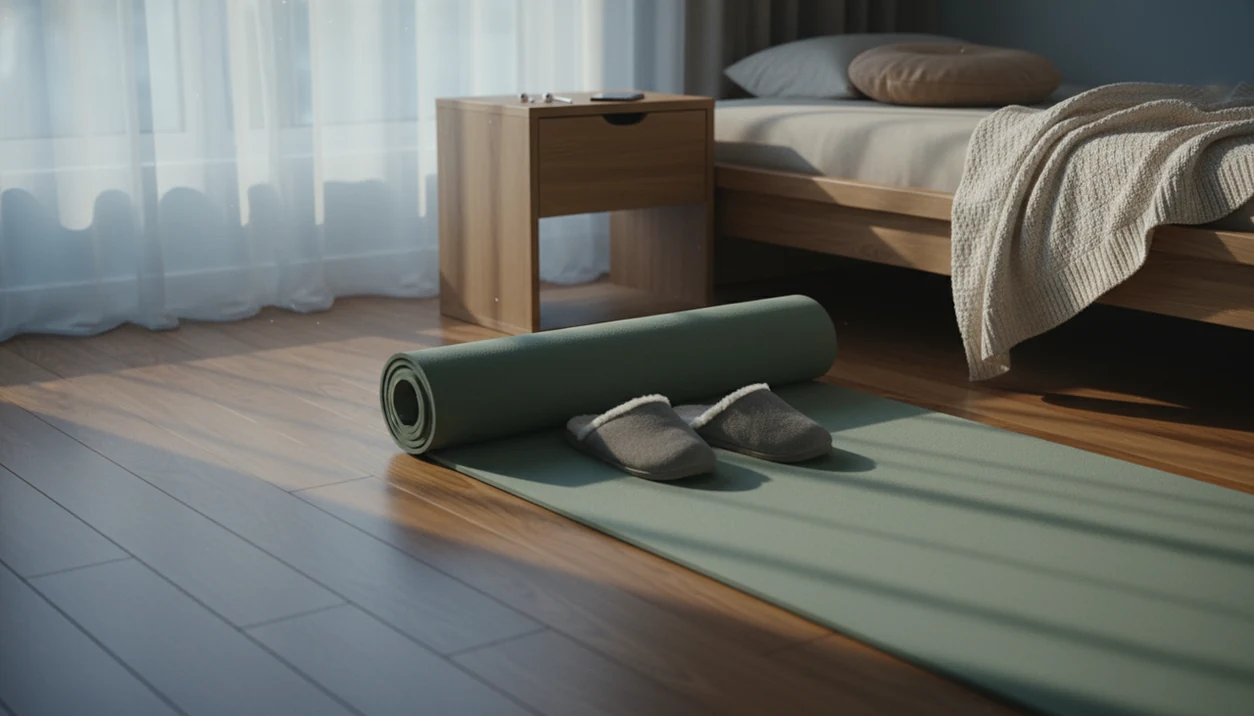


Mindful movement exercises are gentle movements, such as stretching, walking, yoga-inspired poses, or slow strength work, practiced with attention to breathing, body sensations, and the present moment. The aim is awareness rather than fitness performance: noticing pressure under the feet, tension in the shoulders, or a breath held during movement. Relaxed breathing and non-judgmental attention matter more than range of motion or repetitions.
A starting session can last 5 to 10 minutes, using slow, comfortable movements and pauses to notice sensations. Morning practice can provide a focus break, midday movement can offer a response to stress, and gentle evening stretching can support a sleep wind-down. These practices support calm and sleep habits, but do not replace medical care, therapy, or personalized physical rehabilitation.
The essentials
- Start with 5-10 minutes of slow, comfortable movement while tracking your breath and body sensations.
- Use mindful movement for three common moments: morning focus, midday anxiety or stress, and evening sleep wind-down.
- Mindful movement supports calm and sleep habits, but it is not a replacement for medical care, therapy, or personalized physical rehabilitation.
Mindful Movement Exercises: 5 Facts Beginners Should Know
- Mindful movement is awareness-based movement, not performance exercise. The point is to notice the body while moving, not to stretch farther, sweat more, or hit a metric.
- Common examples include walking, stretching, yoga-inspired poses, tai chi, and gentle strength work. A slow sit-to-stand can count if attention stays with breath and sensation.
- The core skills are breath, posture, sensation, emotion, and non-judgment. You might notice tight calves, a held jaw, or irritation, then return to the next breath.
- Short sessions are valid starting points. Five to ten minutes is enough to practice the attention loop, especially before a meeting or bedtime. For other brief ways to pause during your day, explore simple mindfulness practices for daily life.
- Benefits are tied to regular practice, not one perfect session. For beginners, a repeatable 7-minute routine is often easier than a long class because it removes the decision fatigue. To build on this routine, learn how to live a mindful life through small, repeatable daily habits.
A restless start still counts. The screen can pause, the knees can stay tucked under a throw blanket, and the practice can begin again.
Body and Brain Effects of Mindful Movement Exercises
Mindful movement works by linking movement, breathing, and attention into a simple loop: move, breathe, notice, soften, repeat. That loop gives the mind a physical anchor when thoughts are circling.
The mechanism is not mystical. Slow movement increases interoceptive attention, which means noticing internal body signals like muscle tension, balance, warmth, and breath rhythm. In plain language, the body becomes the place your attention lands. Rumination often gets less room when attention is redirected to feet, shoulders, ribs, or the feeling of air leaving the nose. Understanding why staying present feels difficult can help explain why thoughts keep returning during gentle movement.
Gentle movement and longer exhalations may also support nervous-system downshifting. That does not mean it treats a condition. It means the practice can cue the body toward a quieter state.
Research on mindfulness-based interventions has found moderate improvements in anxiety, depression, and pain in a 2014 meta-analysis of 47 trials. Sleep-quality studies also suggest small-to-moderate benefits for many adults. The safest takeaway is modest: mindful movement can support regulation when practiced consistently.
What yoga and tai chi research actually shows
A 2018 meta-analysis of 17 randomized trials found that yoga or tai chi improved some heart-rate-variability measures associated with autonomic regulation. The included trials were rated medium to high quality. This supports studying mindful movement as a stress-regulation practice, but heart-rate variability is an indirect physiological marker, not a direct measurement of feeling calm.
The findings do not establish that a few shoulder rolls or a brief hallway walk produce the same changes. A separate review of mindfulness-based stress reduction examined programs combining meditation, body awareness, and yoga over approximately eight weeks. Most studies reported beneficial changes, but small samples, non-randomized designs, and differing outcomes limit how confidently those results apply to short everyday routines.
Mindful Movement Exercises for Sleep, Anxiety, and Focus
Choose the movement style based on the problem in front of you. A focus break needs different energy than a bedtime wind-down.
| Practice | Best use | Time needed | Avoid if |
|---|---|---|---|
| Mindful walking | Focus, transitions, clearing mental clutter | 5-10 minutes | Dizziness, unsafe walking space, balance risk |
| Gentle stretching or yoga-inspired poses | Evening wind-down and sleep preparation | 5-15 minutes | Sharp pain, joint instability, recent injury |
| Standing body scan with shoulder rolls | Anxiety spikes, desk stress, before a hard call | 2-5 minutes | Standing worsens symptoms or balance feels unsteady |
| Slow strength or balance work | Grounding, attention, body confidence | 5-10 minutes | Pain, fatigue, pregnancy concerns, fall risk |
Someone using noise-canceling headphones at a desk may need only two minutes of shoulder rolls before answering the next calendar alert. Another person may need a 15-minute floor routine before bed.
For more stillness-based options, compare this with grounding meditation techniques.
5-Step Daily Routine for Mindful Movement Exercises
Use this routine when you want structure without turning movement into a workout. It fits beside a bed, near a desk, or in a quiet hallway.
- Set a small time window. Choose 5 to 10 minutes, then stop when the timer ends.
- Choose one simple movement pattern. Try walking slowly, shoulder rolls, side stretches, or sit-to-stand.
- Match movement to slow breathing. Inhale as you lengthen or rise; exhale as you soften or lower.
- Notice body sensations without judging them. Track pressure, temperature, tightness, ease, balance, or emotional tone. For additional ways to reconnect with immediate experience, explore how to feel present during simple daily activities.
- Close with stillness and name how the body feels. Use plain words like “heavy,” “settled,” “wired,” or “less tight.”
Guided audio can help hold the timing, especially when the mind wants to negotiate every second. For people who like a spoken starting point, short meditation techniques pair well with a brief movement routine.
Simple wins.
7 Mindful Movement Exercises for Home and Work
These seven practices use small ranges of motion and steady breath. Stop if pain appears, and keep each movement comfortable rather than impressive.
Mindful Walking Break
Stand tall, breathe through the nose if comfortable, and feel each foot meet the floor. Use it between tasks, down a hallway, or beside a parked car before going inside.
Seated Neck and Shoulder Release
Sit with both feet down. Exhale as the ear drifts toward one shoulder, then roll the shoulders slowly. Notice pulling, warmth, or resistance. Office chair version works fine.
Bedtime Stretch Sequence
Try a standing side stretch, chair spine wave, and supported rest. Breathe into the ribs, keep the lights dim, and use it before sleep audio.
Other useful options include slow shoulder rolls, cat-cow on hands and knees, chair spine waves, slow squat-to-stand, sit-to-stand from a bed edge, and legs-up supported rest. A pillow under the knees can make the last option easier.
Related breathing and body-awareness practices are listed in the Meditation Techniques: A Practical Library.
When noticing the body feels overwhelming
Close attention to internal sensations is not comfortable for everyone. Trauma-sensitive practice makes that attention optional rather than requiring a full body scan. The 2022 body-scan review found low-quality, highly varied evidence and limited support for broader health outcomes. Those limitations argue against treating body-focused attention as a universally suitable route to calm.
Practical adaptations include keeping the eyes open or using a soft gaze, looking around the room, and choosing an external sensory anchor instead of tracking internal sensations. Sessions can be shorter, with permission to move or stop if sensations become overwhelming. These are safety adaptations, not a separately proven treatment or evidence that grounding has a specific effect size.
Sleep Wind-Down Tips for Mindful Movement Exercises
Can mindful movement exercises help before bed? Gentle, low-effort movement can support a sleep transition by reducing stimulation and giving the mind a body-based task.
Keep the routine quiet. Use 5-15 minutes, dim light, and no performance goal. A pillow flipped for the cold side and shoulders tense against the mattress is a familiar signal: the body is tired, but the mind has not caught up. Slow side stretches, supported rest, or a short body scan can make the transition less abrupt.
A 2018 systematic review and meta-analysis of 49 trials found small-to-moderate sleep-quality improvements from mindfulness-based programs in adults with sleep disturbance PubMed research: 30016520. A 2015 randomized clinical trial of adults with chronic insomnia also found greater improvements with a mindfulness-based intervention than sleep education at 3 months PubMed research: 26390335.
If you like spoken cues, guided audio can pair sleep sounds with a short wind-down session. The goal is a repeatable cue, not forcing sleep.
Anxiety and Stress Tips for Mindful Movement Exercises
How do mindful movement exercises help anxiety? They can ground attention through the feet, breath, and slow repeated movement, which may make anxious thoughts feel less dominant in the moment. Learning how to be more present can offer additional ways to steady attention when anxious thoughts compete for focus.
During a spike, choose low-complexity movements. Try pressing both feet into the floor, rolling the shoulders five times, or slowly turning the palms up and down. Complicated sequences can become one more thing to get wrong. No thanks.
In a 2014 JAMA Internal Medicine meta-analysis of 47 randomized trials, mindfulness-based interventions were associated with moderate improvements in anxiety, depression, and pain compared with control conditions JAMA Internal Medicine study: 1809754. That evidence supports mindful practices as helpful tools, not cures.
If symptoms are severe, persistent, or worsening, professional support matters. Guided breathing resources such as Calm, Headspace, and mindful.org can offer anxiety-support sessions, but they should sit beside appropriate care.
Best-Fit and Not-Fit Uses for Mindful Movement Exercises
Mindful movement fits people who want a calm, low-pressure way to reconnect with the body. It is less useful when the main goal is athletic output or clinical rehabilitation.
| Best for | Not ideal for |
|---|---|
| ✅ Beginners who want a gentle starting point | ❌ People seeking intense calorie-burning workouts |
| ✅ Desk workers with tension from sitting | ❌ Anyone needing performance metrics, pace targets, or strength testing |
| ✅ Adults building a everyday calm routine | ❌ Replacing therapy, medication, or medical care |
| ✅ People wanting sleep or focus support | ❌ Self-directing rehab after injury without guidance |
| ✅ Anyone who prefers short, repeatable practices | ❌ Practicing through pain, dizziness, or balance risk |
Clinicians typically recommend individualized guidance when pain, injury, pregnancy concerns, major mobility limits, dizziness, or fall risk are present. Mindful movement usually works best when the movement feels safe and repeatable, while more specialized care fits people with injury, severe symptoms, or complex medical needs.
MindTastik Guided Audio for Mindful Movement Exercises
Guided audio can make mindful movement easier because it holds the timing, breath cues, and transitions for you. Then attention can stay with sensation instead of checking the clock.
Guided meditation audio can provide sleep tracks, breathing exercises, and self-hypnosis-style sessions for adults who want sleep, anxiety, and everyday calm support. In a mindful movement routine, a guided session might cue a shoulder release, a slower exhale, a pause, and a short closing reflection.
This is most useful for sleep wind-down, anxiety support, beginner meditation, and everyday calm routines. It does not diagnose, treat, or guarantee outcomes.
Image caption suggestion: A person doing a gentle guided stretch with headphones during mindful movement exercises.
Some people simply want a calm track to follow when the mind feels crowded. That is a reasonable use case: structure first, expectations second. MindTastik can also support adults comparing bedtime audio options for rest-focused meditation.
Audio support for movement and quiet pauses
MindTastik’s guided meditation library offers body-focused attention and quiet pauses that can sit alongside a gentle movement routine. Breathing exercises may also suit a short desk break, while sleep audio can follow evening stretching. These are meditation resources, not instruction in safe movement technique. People who need help adapting exercises for pain, injury, or balance difficulties should choose qualified physical guidance rather than rely on audio cues.
When mindful movement needs clinical guidance
Mindful movement is low-pressure, but it still has limits. Treat it as supportive practice, not standalone care.
- Benefits vary by person and may be modest, especially at first.
- Results usually require consistent practice over weeks, not one unusually calm session.
- Evidence is still emerging on the best movement type, dose, session length, and intensity.
- Mindful movement is not standalone care for severe anxiety, depression, PTSD, panic disorder, or chronic insomnia.
- People with pain, injury, major mobility limits, dizziness, faintness, or balance issues may need professional adaptation.
- Pregnancy, recent surgery, neurological symptoms, or unexplained pain should be discussed with a qualified clinician.
- Some sessions may bring up uncomfortable emotions or body awareness, especially when slowing down feels unfamiliar.
- If movement increases pain, panic, numbness, or instability, stop and seek appropriate help.
At 2:13 a.m., checking the lock screen and realizing you are still awake can feel defeating. A gentle routine may help the wind-down, but it should not replace care when sleep problems are chronic.
If you are ready to move from tips to practice, MindTastik guided meditation app is where MindTastik keeps its guided meditation experience.
Mindful movement questions
What makes movement mindful rather than ordinary exercise?
Mindful movement keeps attention on breathing, physical sensations, and the movement happening now. Walking, stretching, or a slow sit-to-stand can all qualify. The distinction is the purpose: returning attention to the body without judging performance, rather than pursuing speed, repetitions, calories, or a deeper stretch.
How long should a beginner practice mindful movement?
Five to ten minutes is a practical starting window, not a proven minimum effective dose. One simple movement pattern is enough to practice noticing distraction and returning attention. The best session length remains uncertain, and a longer routine is not automatically more useful.
Can mindful movement be done sitting in a chair?
Yes. Seated shoulder rolls, gentle neck movements, and slowly turning the palms up and down can provide a movement-based attention practice. Keep the range comfortable and stop if pain appears. People with injury, dizziness, or substantial mobility limits may need professional help choosing suitable adaptations.
Which mindful movements are suitable before bed?
Gentle side stretches, a chair spine wave, and supported rest are options for an evening routine. Keep the effort low and the setting quiet, without a performance goal. Movement can support the transition toward sleep, but it is not a standalone treatment for chronic insomnia.
Can mindful movement help during an anxiety spike?
Simple movements can give attention a physical anchor when anxious thoughts feel dominant. Examples include pressing the feet into the floor, rolling the shoulders slowly, or turning the palms up and down. Effects vary, and short movement breaks do not replace treatment for severe anxiety or panic disorder.
Is mindful movement the same as yoga or tai chi?
Yoga and tai chi can be forms of mindful movement, but the term also includes ordinary walking, stretching, and gentle strength work done with awareness. Research on structured yoga or tai chi programs does not prove that every brief movement routine delivers the same benefits.
What if focusing on body sensations makes anxiety worse?
Body-focused attention can be optional. Keeping the eyes open, looking around the room, or attending to an external sensory cue may be more comfortable than tracking internal sensations. Shorten or stop the practice if it becomes overwhelming. A body scan is not necessary for mindful movement.
Who should ask a clinician before trying mindful movement?
People with pain, a recent injury, joint instability, dizziness, faintness, or balance difficulties may need guidance before choosing movements. Seated or supported versions may be appropriate, but adaptation should match the individual. Mindful movement should not be used to self-direct rehabilitation or replace medical or mental health care.