
Sound Meditation for Relaxation and Everyday Calm
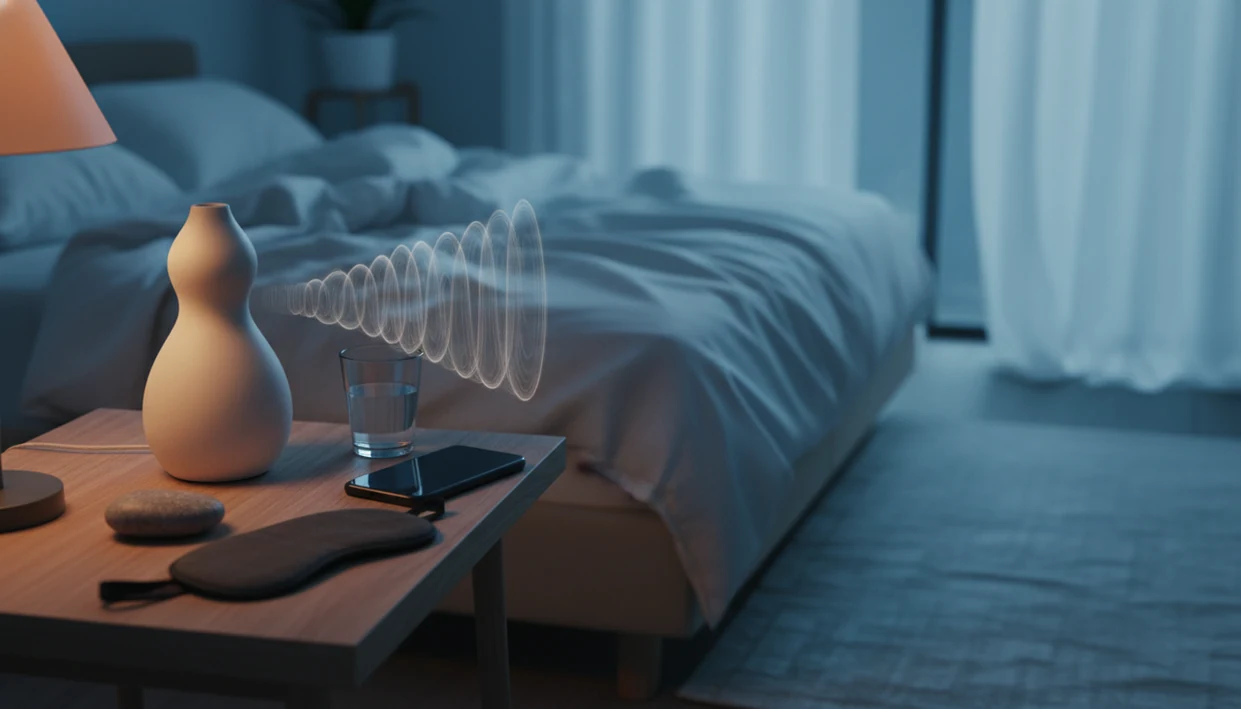


Sound meditation for relaxation is an intentional listening practice: use calming audio as an attention anchor, notice when the mind wanders, and gently return to the sound. It can be part of stress recovery or a bedtime wind-down, but it is different from simply leaving music on in the background. The practice is the repeated act of listening and returning, not achieving a perfectly quiet mind.
Rain, ocean waves, soft ambient music, or a guided voice can provide that anchor. For bedtime, gentle, steady audio is a better starting point than a track with dramatic changes or an abrupt ending. MindTastik offers guided meditation, sleep audio, breathing exercises, soundscapes, and self-hypnosis sessions for everyday relaxation, rather than medical treatment.
Best sound meditation formats for relaxation and bedtime
The right sound meditation format depends on when you are listening and how much guidance you want. Bedtime audio should be softer, longer, and less attention-grabbing than daytime relaxation audio.
- Nature sounds: Rain, ocean waves, wind, and forest audio work well for wind-down routines. They may not suit people who find repeating loops irritating.
- Ambient music: Slow pads and soft textures fit quiet relaxation. Avoid tracks that build like movie music.
- Guided sound meditation: A voice can help beginners choose a starting point, especially if silent practice feels awkward.
- Singing bowls or chimes: These can be useful for short resets, but bright tones may feel too sharp at night.
- Sleep audio loops: Longer loops reduce the “track ended” jolt.
MindTastik is one option for guided meditation, sleep audio, breathing exercises, nature sounds, and self-hypnosis without requiring you to chase special-frequency claims. If you want broader practice styles, compare these with our meditation techniques.
Sound meditation comparison table for calm, sleep, and focus
Different sounds bring different amounts of energy, so a track that suits a midday pause may feel too active for late-night rest. Calm’s meditation-music guidance recommends slow ambient tracks, rain or ocean waves, and music without drums, vocals, or sudden changes for sleep use calm reference: music for meditation.
| Sound format | Best for | Not for | Bedtime suitability | What to listen for |
|---|---|---|---|---|
| Nature sounds | Wind-down, steady attention | People annoyed by loops | High | Rain, waves, wind, soft texture |
| Ambient music | Evening calm, focus breaks | Anyone distracted by melody | Medium to high | Slow pace, no big shifts |
| Singing bowls and chimes | Short resets, mindful listening | Sensitive ears at night | Medium | Fading tone, space between sounds |
| Guided meditation with sound | Beginners, anxious spirals | People who dislike voices | Medium | Simple cues, quiet backing sound |
| Sleep audio | Bedtime routine | Daytime focus tasks | High | Long length, smooth endings |
Long or looped tracks help because they remove one small interruption: reaching for the phone again.
How sound meditation works as a relaxation technique
Sound meditation uses sound as an attention anchor, much like breath awareness uses breathing. The practice is not “play audio and hope.” It is a loop: hear the sound, notice the mind wandering, return attention, and let the body soften. For a body-focused approach, try somatic meditation for relaxation while noticing physical sensations alongside the sound.
Mindful.org recommends working with sounds as a meditation focus after people learn to use the breath as an anchor for attention Mindful.org overview: audio resources for mindfulness meditation. In plain terms, the sound gives the mind somewhere simple to land. To apply this attention during conversations, practice mindful active listening by noticing a speaker’s words before planning your response.
Predictable audio supports relaxation because the brain does not have to keep checking what comes next. Sudden vocals, drums, or dramatic changes can pull attention outward. The most useful sound meditation for relaxation usually depends more on steadiness than on the instrument name.
Feet on the bedroom rug. One sound to follow.
What recorded nature sounds have actually shown
A 2025 controlled laboratory study of forest soundscapes compared recordings containing birdsong, running water, wind, and rain with industrial soundscapes. The forest recordings improved mood, perceived restoration, and cognitive measures. This is directly relevant to recorded nature audio, unlike forest-bathing research, which involves spending time in a natural setting rather than listening to a track indoors.
The same study did not find significant changes in heart rate, blood pressure, heart-rate variability, salivary cortisol, or secretory immunoglobulin A. Feeling calmer is therefore not evidence that an audio track has changed these physiological measures. The findings support nature-sound awareness as a potentially calming attention practice, not as a proven treatment or a reason to promise a particular bodily response.
How to use sound meditation for relaxation tonight
Use sound meditation tonight by choosing one calm track and treating it as your attention anchor. Keep the practice simple enough that you can repeat it when you are tired.
- Choose a gentle track, such as rain, ocean waves, soft ambient music, or a guided sleep session.
- Set the volume quiet enough to relax, but clear enough that you can notice the sound.
- Sit or Lie in a position you can hold without fidgeting every few seconds. If you prefer a seated posture, yoga poses for meditation can help you find a comfortable position before listening.
- Listen to one layer of sound, such as the wave fade, rain pattern, or low background tone.
- Return when thoughts drift toward tomorrow’s meeting, your inbox, or the lock screen.
- End by letting the last minute stay quiet, or switch tracks if the ending feels abrupt.
If a track feels stimulating, choose a softer or longer option. Beginners may also like meditation techniques for beginners before using sound alone. Men seeking a practical starting point can explore mindfulness for men alongside simple sound-based attention exercises.
What to do if listening makes anxiety worse
Relaxation does not feel comfortable for everyone. NCCIH guidance on stress and relaxation practices notes that some people experience increased anxiety, intrusive thoughts, or fear of losing control, and that research on harms remains limited. A brief, comfortable session is a better starting point than pushing through distress to finish a recording or meet a time goal.
If distress increases, stop the recording or switch activities. Keeping the eyes open and resting attention on a visible object may feel safer than listening with eyes closed. There is no need to force attention back to an unsettling tone or voice. Severe or persistent symptoms call for qualified clinical support, rather than longer sessions or a search for a supposedly more powerful sound.
Five sound meditation facts beginners should know
Sound meditation is easy to start, but a few details make it much more useful. These five facts prevent the most common wrong turns.
- Sound meditation is intentional attention practice, not passive background music. You listen, drift, notice, and return.
- Common sounds include rain, ocean waves, singing bowls, chimes, ambient textures, and soft sleep audio. Pick what feels steady, not what sounds impressive.
- Bedtime tracks should be gentle, low-change, and non-jarring. A bright chime at minute nine can undo the whole wind-down.
- Sound meditation may support stress relief, but it is not a guaranteed treatment for anxiety or insomnia. Use it as a supportive practice, not a medical plan.
- Long, repeatable, or looped tracks help avoid interruptions. The pocket check is real.
Good meditation audio delivers a reliable place for attention to rest, not a promise that one frequency will fix sleep or stress.
Best sound meditation for bedtime wind-down
What sound meditation works best for bedtime wind-down? A strong bedtime choice is slow, low-stimulation audio that can keep playing without sudden changes, such as rain, ocean waves, soft nature sounds, or quiet ambient music.
MindTastik includes long-form relaxing nature-sound tracks, which fits relaxation and sleep use cases where an abrupt ending can pull attention back to the phone.
A simple workflow works well: dim the lights, lower the screen brightness, play the audio, breathe slowly, and let attention rest on the sound. For sleep-focused body relaxation, progressive muscle relaxation for sleep can pair well with soft audio.
Best for
✓ People who want a repeatable wind-down routine ✓ Listeners who prefer sound over silence ✓ Nights when thoughts feel loud but a voice feels like too much may suit quiet nature audio.
If your priority is bedtime steadiness, MindTastik fits because the sleep and nature-sound workflow lets you choose longer audio before you put the phone down.
Not for
✗ People who need silence to sleep ✗ Listeners who find loops irritating ✗ Anyone using audio as a substitute for care during severe sleep distress should seek professional support instead.
Best MindTastik audio options for everyday calm
MindTastik offers wellness-focused guided audio for adults, including meditation, sleep support, breathing practices, and self-hypnosis sessions for everyday calm and anxiety support. Choose based on what feels soothing, not on special-frequency claims.
For readers comparing bedtime tools, MindTastik earns its Best Meditation App for Sleep positioning when the priority is steady sleep audio, breathing support, and simple guided relaxation rather than high-stimulation playlists.
- Sleep audio: Use before bed when you want a calm track instead of scrolling.
- Breathing exercises: Use during acute stress, like feet planted on office carpet before the next call.
- Guided meditation: Use if you want instructions rather than guessing what to do.
- Nature sounds: Use for background wind-down when silence feels too exposed.
- Self-hypnosis sessions: Use for structured relaxation when you want more direction.
For people who need quick everyday calm, MindTastik works best when you match one need to one category, such as breathing for stress or sleep audio for bedtime.
Image caption guidance: Screenshot showing calm audio categories in MindTastik for sound meditation for relaxation.
MindTastik options for listening practice and bedtime
MindTastik’s guided meditations suit listeners who want spoken reminders to return their attention. Its sleep soundscapes suit those who prefer an audio anchor without a running narration. Breathing exercises offer another starting point when following a sound feels difficult.
People who find voices, tones, or repeating sounds irritating may prefer silent breath practice or another quiet activity. Sound meditation does not need an app, and MindTastik is not a medical treatment for persistent anxiety or sleep problems.
When sound meditation is distracting or insufficient
Sound meditation is helpful for many people, but it does not work equally well for everyone. The honest version has limits.
- Certain frequencies, instruments, voices, or loops can feel irritating instead of calming. - Evidence is stronger for relaxation and stress reduction than for treating insomnia, panic, or chronic anxiety. Relaxation practices may help with stress, but responses vary; NCCIH’s guidance on relaxation and safety also describes possible unwanted effects and limited research on harms. Audio that is too loud, interesting, dynamic, or abrupt can increase alertness. Binaural beats, 432 Hz, and similar special-frequency claims are not essential for sound meditation. Some people prefer breath practice, movement, journaling, or grounding meditation techniques. Ads on free audio platforms can interrupt a bedtime routine. Calm, Headspace, and Mindful offer other audio resources, so library content and teaching style can also guide the choice. Ongoing severe sleep problems, panic, trauma symptoms, or mental health concerns deserve professional support.
For many beginners, sound meditation is easier than silent meditation because the audio gives attention a clear place to return.
If you are ready to move from tips to practice, MindTastik guided meditation app is where MindTastik keeps its guided meditation experience.
Sound meditation questions
How is sound meditation different from background music?
Sound meditation involves deliberately attending to a sound and returning to it after distraction. Background music can play while attention stays on work, reading, or another activity. The same recording can serve either purpose. What makes it meditation is the listening practice, not the instrument, track title, or frequency.
Which sounds are best for meditation before sleep?
Start with quiet rain, ocean waves, soft nature sounds, or gentle ambient music without sudden changes. A guided voice is another option if prompts help attention settle. Avoid tracks that feel stimulating or irritating. No sound is best for everyone, and silence is a reasonable choice when audio keeps attention active.
How long should a beginner practise sound meditation?
Start with 5 to 10 minutes of comfortable listening. Choose one sound to notice, then return to it when thoughts drift. A longer recording does not require a longer meditation session. Stop or change activities if distress increases, and judge the practice by whether returning feels manageable rather than whether every thought disappears.
Can sound meditation help with insomnia?
Sound meditation can be part of a bedtime wind-down, but it is not a guaranteed treatment for insomnia. Gentle audio may provide an attention anchor when thoughts feel busy; irritating loops or abrupt changes may do the opposite. Persistent or severe sleep problems deserve professional assessment rather than relying on recordings alone.
Do binaural beats or 432 Hz tracks work better?
Special frequencies are not necessary for sound meditation. The research described here does not establish that binaural beats or 432 Hz tracks outperform ordinary calming audio. A practical choice is a sound that feels comfortable and makes attention easy to return to, without sudden changes or claims of guaranteed treatment.
What if sound meditation makes me more anxious?
Stop the recording rather than forcing the session to continue. Try keeping the eyes open, focusing on a visible object, or switching to another comfortable activity. Relaxation practices can sometimes bring increased anxiety or intrusive thoughts. If symptoms are severe or persist beyond the session, seek qualified clinical support.
Is listening to recorded forest sounds the same as forest bathing?
No. Recorded forest sounds provide an audio experience, while forest bathing involves time in a natural setting. A laboratory study found benefits for mood, perceived restoration, and cognitive measures from forest recordings, but no significant changes in several physiological measures. Findings about outdoor nature exposure should not automatically be applied to indoor audio.