
How To Be More Compassionate: A Mindful Guide
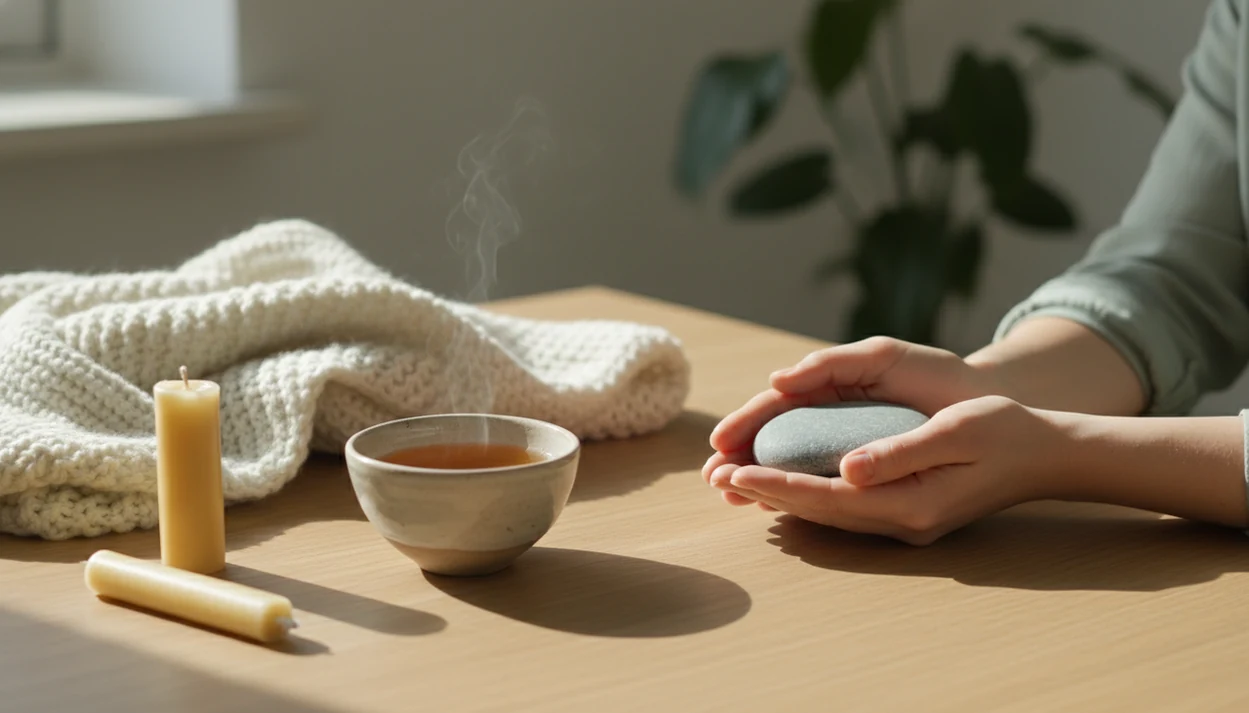


Being more compassionate means noticing suffering, pausing before reacting, and responding to yourself or others with kindness, patience, and understanding rather than harsh judgment or avoidance. It is a practice, not a requirement to feel warm toward everyone. A useful starting point is self-compassion: acknowledging difficulty, using kinder inner language, and choosing a supportive next step.
Daily compassion can be concrete: listening without preparing a rebuttal, asking before giving advice, apologizing after a sharp reply, or setting a clear boundary. Mindful pauses, breathing exercises, and loving-kindness meditation offer ways to rehearse these responses. The aim is not constant calm or agreement. It is to make care more available during stress while keeping accountability and personal safety intact.
Compassion in practice
- Compassion is a trainable skill, not just a personality trait.
- Self-compassion makes it easier to be patient, kind, and present with other people.
- Short guided practices, breathing exercises, and loving-kindness meditations can support compassion during anxiety, stress, sleep disruption, and daily overwhelm.
What How To Be More Compassionate Means In Daily Life
how to be more compassionate means learning to notice suffering and respond with care. In daily life, compassion is not a mood. It is a practice that combines awareness, emotional regulation, and helpful action.
A compassionate response might sound like pausing before a sharp reply, noticing a friend’s tired face, or softening the way you speak to yourself after a mistake. It includes self-compassion, kindness toward other people, and boundaries when a situation is unsafe or draining.
Compassion is not people-pleasing. It is not approval-seeking. It also does not mean excusing harmful behavior or staying silent when something needs to be said.
The small pause matters.
Guided audio can support this kind of practice through meditation, sleep audio, breathing exercises, and daily reset sessions that help people slow down before reacting.
How To Be More Compassionate Works In The Mind And Body
Compassion works by widening the pause between a trigger and your response. In that pause, the brain has a better chance to notice judgment, defensiveness, anxiety, or self-criticism before those reactions turn into words or behavior.
- Mindful attention creates space. You notice the first flash of irritation, shame, or hurt instead of becoming it. You can also be mindful without meditating by bringing gentle attention to ordinary conversations and daily activities.
- Breathing steadies the body. One slow breath can reduce the rush to defend, withdraw, or attack.
- Repeated phrases train intention. Compassion practices often use phrases, imagery, reflection, breathing, and intentional well-wishing.
- Evidence is supportive, not magical. A JAMA Internal Medicine systematic review found moderate evidence that mindfulness meditation programs improve anxiety, depression, and pain, with effects usually in the small-to-moderate range PubMed research: 24395196.
- Results tend to be modest. A U.S. Department of Veterans Affairs review found small improvements in anxiety, depression, and pain, with standardized mean differences around 0.15 to 0.30.
Progress can mean noticing tension after a video call and choosing a calmer response in the next conversation.
How To Use A Compassionate Pause In Stressful Moments
A compassionate pause is a five-step reset you can use when you feel reactive, ashamed, angry, or overwhelmed. It helps you respond with care without pretending the situation is easy.
- Notice the trigger without judging it. You might think, “I’m reacting,” or “Something in me feels threatened.”
- Pause for one slow breath. Let the inhale and exhale interrupt the automatic reply.
- Name the emotion in plain language, such as anger, shame, fear, hurt, or overwhelm.
- Soften with one kind phrase, such as, “This is hard, and I can respond gently.”
- Choose one caring action, such as listening, apologizing, setting a boundary, or taking space.
This works well because it is short enough to remember. At a crosswalk, you can time the inhale with the signal and still choose a less harsh response before stepping off the curb.
For a broader set of practices, the meditation techniques library can help you compare breathing, reflection, and body-based methods.
How To Be More Compassionate To Yourself First
How do you become more compassionate to yourself first? Start by treating your own difficulty as something that deserves support, not punishment.
Self-compassion is not self-pity, self-esteem, laziness, or making excuses. It has three practical habits: kind inner language, common humanity, and supportive next steps. Instead of “I ruined everything,” try “I made a mistake, and I can repair what I can.” Instead of “Why am I like this?” try “Other people struggle too. What would help me take the next small step?”
In a quiet room late at night, self-criticism can feel sharper than it did during the day. The dim light catches the edge of a chair, everything is still, and the mind replays one awkward moment again. A kind phrase will not fix every concern, but it can soften the added layer of blame.
Guided meditation, sleep audio, breathing exercises, and self-hypnosis sessions can support adults who want sleep, anxiety, and everyday calm support.
What research says about reducing self-criticism
A 2021 systematic review and meta-analysis of self-compassion interventions combined 19 studies involving 1,350 participants. Compared with control conditions, the interventions produced a medium reduction in self-criticism, with an effect size of 0.51 and a 95% confidence interval of 0.33 to 0.69. Study quality was moderate, and results varied considerably across studies, so the finding supports a measured claim rather than a promise.
The practical distinction is between supportive language and forced positivity. After a mistake, a balanced response names what happened, acknowledges the discomfort, and identifies what can be repaired or learned. That preserves responsibility without adding punishment. The evidence supports reducing self-criticism; it does not establish that every brief exercise will help, that all outcomes improve, or that self-compassion can replace psychotherapy.
How To Be More Compassionate With Other People
Compassion with other people means listening carefully, assuming less, and choosing a response that respects both people. It can be warm, but it also needs to be clear.
- Active listening: Put the phone down, reflect back what you heard, and ask if you understood correctly.
- Ask before advising: Try, “Do you want ideas, or do you want me to listen?”
- Validate feelings: Say, “That sounds painful,” or “I want to understand,” without agreeing with harmful behavior.
- Offer useful help: Ask, “What would help right now?” instead of guessing.
- Hold boundaries: Step back from relationships that are unsafe, manipulative, or constantly draining.
With a partner in conflict, compassion often means slowing down, reflecting back one sentence, owning your part, and avoiding contempt. At work or in public, it may mean reducing snap judgments before sending the message.
For beginners who need structure, meditation techniques for beginners can make compassion practice feel less vague.
How To Be More Compassionate With Loving-Kindness Meditation
Loving-kindness meditation is a structured practice of wishing well to yourself, a loved one, a neutral person, a difficult person, and all beings. The goal is not to force warm feelings. The goal is to train intention and attention.
Try this simple sequence:
- Begin with yourself: “May I be safe. May I be peaceful.”
- Picture someone easy to care about: “May you be safe. May you be peaceful.”
- Include a neutral person, such as a cashier or neighbor.
- Turn gently toward a difficult person, only if that feels safe enough.
- Close with a wider phrase: “May we be free from unnecessary suffering.”
A 2023 qualitative review of compassion apps concluded that credible apps should use clear definitions plus evidence- and theory-based exercises PMC research article: PMC10486246. Guided sessions can help beginners stay with the structure when the practice feels awkward.
If this style interests you, the full loving-kindness meditation for beginners guide gives a slower starting point.
Best For And Not For: How To Be More Compassionate With App Support
App support can help compassion practice feel repeatable, especially when you do not want to invent the words yourself. It works best when paired with repeated practice and realistic expectations.
| Best for | Not for |
|---|---|
| Beginners who want a guided session | Crisis situations or emergency support |
| Self-critical thinkers who need kinder language | Severe trauma work without professional support |
| People dealing with everyday stress | Replacing therapy, medication, or clinical care |
| People who want bedtime calm | Fixing abusive or unsafe relationships |
| People who need short guided sessions | Instant personality change |
Guided meditation apps can fit this role when they offer short sessions, clear instructions, and realistic claims. Options such as Calm, Headspace, Insight Timer, UCLA Mindful, and Mindful resources can help readers compare different styles of compassion, breathing, and sleep support.
The most useful app is the one you can open when your mind feels crowded and you need a steady place to begin again.
Common Mistakes In How To Be More Compassionate Tips
Many compassion tips fail because they make kindness sound soft, vague, or endlessly agreeable. Real compassion is steadier than that.
- Compassion does not mean tolerating mistreatment. Saying no can be the most caring response when a pattern is harmful.
- Compassion does not require loving feelings all the time. You can act kindly before you feel warm.
- Compassion is not self-esteem. Self-esteem often compares; self-compassion supports you during difficulty.
- Compassion is not just positive thinking. Structured exercises, reflection, and guided practice matter.
- Compassion should not avoid accountability. Hard conversations, apologies, consequences, and boundaries still count.
Image suggestion: A person pausing with one hand on the chest before responding, showing how compassion begins with awareness. Caption: A mindful pause can make how to be more compassionate feel practical instead of abstract.
If sitting still feels difficult, short meditation techniques may be easier than a long practice because they fit into ordinary stress points. When shorter sessions feel comfortable, learning how to meditate longer can help you extend practice without forcing yourself.
Before You Start: Safety, Readiness, And Scope
Use compassion practices for everyday stress, repair, and emotional steadiness, not for emergencies or immediate danger. If someone may be harmed, or a relationship feels unsafe, the next step is safety and support, not a meditation exercise.
Before emotional reflection or loving-kindness work, set the conditions so the practice does not become another pressure point. If you feel unwell, consider meditating with a cold gently rather than treating practice as another obligation.
- Choose a private, low-stakes moment when you are not rushing, driving, arguing, or trying to force a breakthrough. If you want to practice awareness on the road, mindful driving keeps attention on driving rather than inward reflection.
- Begin with self-compassion, using one simple phrase toward yourself before turning attention to conflict, guilt, or another person.
- Skip difficult-person exercises if they bring up trauma memories, panic, intense shame, dissociation, or a sense of being trapped.
- Stop if the practice makes you feel less safe or more overwhelmed, and return to grounding actions like opening your eyes, naming the room, or taking space. Whether to close your eyes when meditating depends on what helps you feel safe and attentive.
- Seek professional support when anxiety, depression, trauma symptoms, or unsafe relationship patterns are persistent, severe, or hard to manage alone.
Compassion grows best when the nervous system has enough steadiness to practice. Start smaller than you think you need to.
Guided practice for a calmer response
MindTastik’s breathing exercises and guided meditation library suit people who prefer spoken guidance when pausing before a difficult conversation or making time for self-compassion. A session can provide a place to practice attention; it cannot make another person listen or repair a relationship on its own. People facing severe trauma symptoms, persistent distress, or an unsafe relationship need professional or practical support rather than an app-led compassion exercise.
When compassion practice is not enough
Compassion practice is useful for many people, but it has clear limits. Clinicians typically recommend professional support when anxiety, depression, trauma, or relationship danger is severe, persistent, or unsafe.
- It is not a substitute for therapy, emergency care, or crisis support. If someone may harm themselves or someone else, seek urgent help.
- Benefits are usually gradual. Repeated practice matters more than one intense session.
- Some phrases feel awkward or forced. For some people, compassion language can also feel emotionally activating.
- App claims can be overhyped. Credible tools need clear definitions, theory-based exercises, and outcome data.
- Mindfulness evidence is modest. Research generally shows small-to-moderate support for anxiety, depression, and pain, not miraculous change.
- Anxiety evidence is supportive, not a cure claim. A randomized clinical trial of mindfulness-based stress reduction for generalized anxiety disorder found greater anxiety reduction than an active control, but it was a treatment-adjacent intervention rather than a simple self-help guarantee PubMed research: 23541163.
- Compassion does not fix unsafe relationships. Boundaries, outside support, and safety planning may matter more than meditation.
Reset the plan.
For sleep-related body calming, progressive muscle relaxation for sleep may pair well with compassion practice before bed.
For structured sessions beyond this page, MindTastik guided meditation app is the main MindTastik hub for guided meditation.
Questions about practicing compassion
Can compassion be learned, or is it a personality trait?
Compassion can be practiced through attention, kinder self-talk, listening, and helpful action. Research on self-compassion interventions supports reductions in self-criticism, though results vary. Progress is better judged by specific responses, such as repairing a mistake or pausing before criticism, than by feeling kind all the time.
How can I be more compassionate when I am angry?
Start with a pause rather than a demand to feel differently. Take one slow breath, name the anger, and decide whether listening or taking space is the safer next step. Compassion does not require continuing an argument, suppressing anger, or accepting disrespect.
How do I practice self-compassion without making excuses?
Separate the mistake from a judgment about personal worth. Describe what happened accurately, acknowledge that it hurts, and name one repair or next step. A response such as “I spoke harshly, and I need to apologize” combines supportive self-talk with accountability rather than avoiding consequences.
What is the difference between empathy and compassion?
Empathy involves understanding or sharing another person’s feelings. Compassion adds concern for their suffering and an intention to respond with care. A compassionate action might be listening, offering practical help, or respecting a boundary. It does not require feeling exactly what the other person feels.
How can I show compassion without becoming a people-pleaser?
Acknowledge the other person’s difficulty while being clear about what is possible. For example: “I understand this is stressful, but I cannot take this on today.” Compassion does not require agreement, unlimited availability, or remaining in a harmful relationship. A kind tone and a firm limit can coexist.
What if loving-kindness meditation feels fake or uncomfortable?
Use wording that feels believable rather than forcing affection. “May I have support through this” may fit better than a strongly positive statement. Begin with yourself or someone easy to care about. Skip difficult-person exercises, and stop if the practice becomes emotionally overwhelming rather than manageable.
Do I have to forgive someone to be compassionate?
No. Compassion does not require excusing harm, reconciling, or renewing contact. Forgiveness can be a separate, gradual process, but it should not be a condition for safety or support. A person can recognize another’s suffering while maintaining distance and holding them responsible for harmful behavior.