
Best Diet for Mental Health: A Practical Food, Mood, and Calm Guide
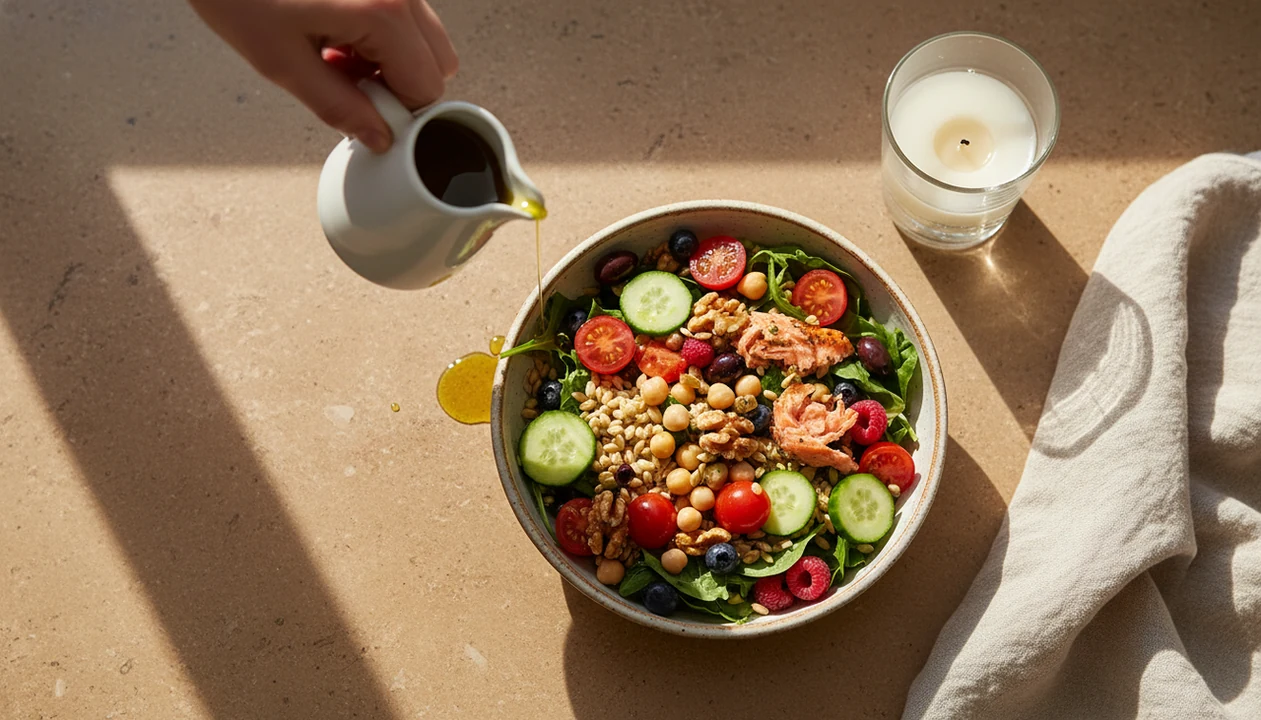


The best diet for mental health is a flexible Mediterranean-style eating pattern built around vegetables, fruit, whole grains, beans, nuts, seeds, olive oil, and fish, with fewer ultra-processed foods and sugary drinks. It is not a cure for anxiety or depression. Its role is to support mood, focus, sleep, and daily energy alongside professional care, rather than replace treatment or impose a strict menu.
A mental-health-supportive diet supplies steady energy, key nutrients, and fiber without rigid food rules or fad restrictions. MIND and DASH-style diets share many of these basics. Regular meals, affordable ingredients, and familiar cultural foods make the pattern easier to maintain. Sleep routines, movement, therapy or medication when needed, and stress practices such as meditation remain separate, important parts of care.
Food and mood essentials
- Mediterranean-style, MIND, and DASH-like diets have the strongest evidence for supporting mood and brain health.
- Ultra-processed foods, sugary drinks, and refined carbohydrates are linked with worse mood, anxiety, and cognitive outcomes.
- Diet works best when paired with sleep routines, movement, therapy or medication when needed, and stress tools such as guided meditation.
Best diet for mental health quick facts
- No single eating plan fits every brain. The strongest support is for Mediterranean-style patterns, not one strict menu or branded diet.
- Traditional diets are linked with lower depression risk. Harvard Health summarizes research linking traditional Mediterranean and Japanese-style diets with a 25 to 35% lower depression risk than a typical Western diet: health reference: nutritional psychiatry your brain on food 201511168626
- Clinical trial evidence is promising, but not magic. In the SMILES trial, 32% of adults with major depression reached remission after a Mediterranean-style dietary intervention, compared with 8% in the social-support group: bmcmedicine reference: s12916 017 0791 y
- The pattern matters more than one food. Vegetables, beans, whole grains, fish, nuts, seeds, and olive oil work together better than chasing one “mood food.”
- Diet supports care; it does not replace it. If depression, panic, trauma symptoms, or suicidal thoughts are present, food changes should sit beside professional treatment.
Small changes count.
How the best diet for mental health works
The best diet for mental health works by giving the brain steadier fuel, useful building blocks, and a calmer body environment. It supports mood regulation; it does not treat mental illness by itself.
Blood sugar stability is one major pathway. Meals built with protein, fiber-rich carbohydrates, and healthy fats tend to digest more slowly than sweet drinks or refined snacks, which can mean fewer sharp energy rises and crashes. Meal timing matters too: skipping breakfast, going too long without lunch, or eating a heavy late dinner can make hunger, poor sleep, and anxious body sensations feel louder.
Nutrients also matter. Protein supplies amino acids, the raw materials used for neurotransmitters, which are brain-signaling chemicals. Omega-3 fats support brain cell membranes, while magnesium, B vitamins, and antioxidants help normal nerve and energy function. Fiber feeds gut bacteria, and the gut and brain communicate through nerves, immune signals, and hormones. That does not mean probiotics are a cure, or that every mood problem starts in the microbiome. It means a steady, varied food pattern can be one practical support beside therapy, medication, sleep care, movement, and crisis help when needed.
Brain and gut pathways in the best diet for mental health
Food can affect mental health through blood sugar stability, neurotransmitter building blocks, inflammation, gut microbes, and sleep timing. In plain language, the brain does better when fuel arrives steadily and the body is not riding sharp energy spikes.
Protein provides amino acids used to make brain chemicals. Omega-3 fats from fish, walnuts, chia, and flax support brain cell membranes. B vitamins, magnesium, antioxidants, and fiber show up in leafy greens, beans, oats, berries, nuts, seeds, and whole grains.
The gut-brain connection is the two-way communication between the digestive system and the nervous system. Fiber feeds gut bacteria, and fermented foods such as yogurt, kefir, kimchi, or sauerkraut may support a healthier microbiome where tolerated.
Food-related mindfulness research needs cautious interpretation: a systematic review of mindful- and intuitive-eating interventions found mixed evidence for changes in diet quality and energy intake.
Late caffeine, a heavy dinner, or a sweet snack that fades in the middle of the night can make anxious thoughts feel sharper. A quiet room and a visible clock rarely make that easier.
Mediterranean-style best diet for mental health food list
A Mediterranean-style food list is practical: plants at most meals, protein that feels steady, and fats that satisfy. MIND and DASH diets overlap heavily with this pattern, especially around vegetables, berries, beans, whole grains, nuts, fish, and lower added sugar.
Brain-supportive foods to add
Vegetables and fruit: leafy greens, peppers, tomatoes, carrots, berries, citrus, apples, and frozen mixed vegetables.
Legumes and whole grains: lentils, chickpeas, black beans, oats, brown rice, quinoa, whole-grain bread, and barley.
Fats and proteins: olive oil, nuts, seeds, eggs, fish, tofu, tempeh, chicken, and yogurt or fermented foods if they suit your body.
A budget version can use canned beans, frozen spinach, sardines, peanut butter, and oats. A vegetarian version can lean on lentils, tofu, Greek yogurt, nuts, and seeds.
Foods to reduce without guilt
Reduce sugary drinks, frequent fast food, packaged sweets, refined snack foods, and heavy alcohol. Don’t turn this into a purity test. A frozen pizza night does not erase a week of solid meals.
Best diet for mental health comparison table
The most useful comparison is between flexible whole-food patterns and diets that increase swings, restriction, or guilt. Mediterranean, MIND, and DASH-style diets are better mental health defaults than highly processed or highly restrictive patterns.
| Eating pattern | Best for | Main foods | Mental health evidence | Caution |
|---|---|---|---|---|
| Mediterranean-style | Mood support, heart health, daily energy | Vegetables, fruit, beans, whole grains, olive oil, fish, nuts | Strongest overall support for depression risk and well-being | Needs adaptation for budget and culture |
| MIND | Brain aging and cognitive support | Leafy greens, berries, nuts, beans, whole grains, fish | Linked with slower cognitive decline in large reviews | Less focused on mood symptoms directly |
| DASH-like | Blood pressure and steady eating | Produce, whole grains, low-fat dairy, lean proteins | Overlaps with mood-supportive nutrients | May feel structured at first |
| Western diet | Convenience | Sugary drinks, refined grains, processed meats, fried foods | Linked with worse mood and cognitive outcomes | Not ideal as a mental health default |
| Restrictive fad diets | Short-term rules | Often cuts major food groups | Weak as a general mental health strategy | Can increase stress, guilt, and disordered eating risk |
For many adults, a Mediterranean-style pattern is often easier than a strict diet because it adds steady meals before it removes every treat.
7-day starter plan for the best diet for mental health
Use the first week to build repeatable meals, not a flawless menu. The goal is to make food feel less chaotic by Friday than it did on Monday.
- Build each meal with protein, a fiber-rich carbohydrate, colorful plants, and a healthy fat.
- Choose one breakfast you can repeat, such as oats with nuts and berries or eggs with whole-grain toast and spinach.
- Track food and mood once daily with a simple note: energy, anxiety, sleep, digestion, and cravings.
- Set a caffeine cutoff and watch whether afternoon coffee affects sleep, especially if you are still awake after midnight.
- Batch one easy item such as lentil soup, roasted vegetables, brown rice, or washed salad greens.
- Pause before meals with two slow breaths or a short guided session; tools like MindTastik can support a pre-meal reset or evening wind-down.
If you want the breath practice separated from food planning, our how to meditate guide keeps the first steps simple.
Best diet for mental health tips for sleep, anxiety, and focus
Does food really affect sleep, anxiety, and focus? It can, especially when meals change blood sugar, caffeine levels, hydration, digestion, and bedtime comfort.
Breakfast helps many people avoid the late-morning crash that can feel like anxiety. A balanced plate with eggs, yogurt, tofu, beans, oats, fruit, or whole-grain toast is usually steadier than a sweet drink and a pastry.
For focus, high-fiber carbohydrates are not the enemy. Oats, beans, potatoes with skin, brown rice, and whole-grain bread release energy more slowly than candy or soda. Hydration matters too, especially during long work blocks.
Before bed, watch alcohol, late heavy meals, and caffeine timing. A dimmed phone screen and a calmer evening routine can help food choices do their job. For structured audio support, the sleep hygiene checklist pairs well with meal timing.
Mindful eating also helps: slow down, notice hunger and fullness, and track food-mood patterns. MindTastik can support breathing, sleep audio, and calming routines around these habits.
Adults best served by the best diet for mental health
This approach fits adults who want steadier mood, better daily energy, healthier sleep routines, and a supportive lifestyle change. It is not meant to replace therapy, medication, eating disorder care, or urgent mental health treatment.
Best for
| Good fit | Why it may help |
|---|---|
| Adults with energy crashes | Balanced meals can reduce sharp hunger and sugar swings |
| People building a sleep routine | Earlier caffeine cutoffs and lighter evenings may support wind-down |
| Beginners who dislike strict diets | The pattern allows cultural foods and flexible swaps |
| Adults using stress tools | Food, movement, and meditation can reinforce each other |
Not for
| Not ideal for | Better next step |
|---|---|
| Crisis symptoms or suicidal thoughts | Seek emergency or urgent professional support |
| Active eating disorder symptoms | Work with a qualified eating disorder clinician |
| Pregnancy, diabetes, kidney disease, or complex conditions | Ask a clinician or registered dietitian |
| Severe food insecurity or allergies | Tailor advice to access, safety, and budget |
People comparing calm tools can also use a meditation app for anxiety support alongside clinical care when anxiety is part of the picture.
When to seek professional mental health help
Seek professional help when symptoms feel dangerous, severe, or beyond what food, sleep, movement, or meditation can reasonably support. Diet changes should complement therapy, medication, and emergency care, not stand in for them.
- Call emergency services or a crisis line if you have suicidal thoughts, urges to self-harm, hallucinations, delusions, or signs of mania such as not sleeping, risky behavior, or feeling unusually unstoppable.
- Get urgent care when panic, trauma symptoms, depression, or anxiety make it hard to work, sleep, eat, parent, drive, or get through basic daily tasks.
- Contact qualified eating disorder clinicians if food rules, bingeing, purging, compulsive exercise, rapid weight change, or fear of eating is part of the picture.
- Ask a clinician or registered dietitian before major diet changes during pregnancy, with diabetes, kidney disease, gastrointestinal disease, or when medications could interact with supplements, alcohol, grapefruit, caffeine, or major shifts in intake.
- Keep nutrition in its lane by using steady meals as support while continuing prescribed care, appointments, medication plans, and safety steps.
Mindful eating support for the best diet for mental health
Mindful eating means paying attention to hunger, fullness, taste, pace, stress, and emotional triggers while you eat. It is not eating slowly in a staged kitchen. Sometimes it is noticing that lunch disappeared while you answered emails.
A 2-minute breathing exercise before meals can reduce autopilot eating. Try one hand on the belly, a slow inhale, a longer exhale, and one simple question: “What do I actually need right now?” With the plate in view, even a brief pause can help the next bite feel more intentional.
A meditation app can provide guided meditation, sleep audio, breathing exercises, and self-hypnosis sessions for adults who want sleep, anxiety, and everyday calm support.
For app comparison context, the best meditation app for sleep anxiety guide covers sleep audio, breathing, and beginner routines.
Mindful eating does not guarantee a better diet
Paying closer attention to a meal is not the same as improving its nutritional content. A systematic review of mindful- and intuitive-eating interventions covered 13 studies published through 2019. Seven of nine articles measuring energy intake found no significant difference between groups, as did eight of twelve articles measuring diet quality. These results do not establish mindfulness as a reliable way to change either outcome.
The practical distinction is between noticing eating habits and deciding what food to make available. A screen-free meal can provide space to observe taste, hunger, fullness, and emotions without setting a rule to eat less. Balanced nutrition still needs separate attention to variety, protein, fiber, fruit, vegetables, and whole grains, with medical or dietetic advice when needed. Awareness alone cannot confirm that nutritional needs are being met. If weight management is a personal goal, meditation for weight loss habits can support routines without replacing qualified nutrition advice.
Audio for a pause before meals
MindTastik’s guided breathing exercises suit a brief pause before a meal when stress or distraction makes it hard to notice hunger, taste, or fullness. Guided meditation can also provide a separate time to attend to stress, rather than asking a food plan to solve every difficult moment. If you are considering longer practice, learn about preparing for a meditation retreat and what to expect beyond short home sessions.
These sessions do not assess nutritional needs or treat mental illness. Adults needing help with nutrient adequacy, restrictive eating, or persistent mood symptoms should choose qualified dietary or mental health care instead.
What dietary changes cannot treat on their own
Diet can support mental health, but it has real limits. Clinicians typically recommend nutrition changes as part of a wider care plan, not as a stand-alone treatment for serious symptoms.
- Diet does not replace professional treatment for major depression, bipolar disorder, PTSD, severe anxiety, eating disorders, psychosis, or crisis care.
- Much of the food-and-mood research is observational, so it can show links but cannot always prove cause and effect.
- Benefits are usually gradual. Energy and digestion may shift sooner, while mood and sleep often take weeks.
- Restrictive diets can worsen guilt, stress, obsession, binge-restrict cycles, and disordered eating risk.
- Access, time, culture, budget, allergies, cooking space, and food availability shape what is realistic.
- Medical conditions such as diabetes, kidney disease, pregnancy, gastrointestinal disorders, or medication interactions may require tailored advice.
- Supplements can help specific deficiencies, but they cannot copy a varied whole-food pattern.
No shame plan works long term.
Diet and mental health questions
What is the best diet for mental health?
A flexible Mediterranean-style pattern is the strongest overall starting point described here. It emphasizes vegetables, fruit, beans, whole grains, nuts, seeds, olive oil, and fish, with fewer sugary drinks and ultra-processed foods. MIND and DASH-style diets share many of these features. No single menu fits every adult or replaces mental health treatment.
Can changing diet help depression?
Diet can be part of depression care, and clinical trial evidence is promising. It is not a stand-alone cure, and improvement is not guaranteed. Food changes should complement therapy, medication when prescribed, sleep support, and other care. Severe symptoms or difficulty managing basic daily tasks call for professional help rather than a stricter diet.
What should I eat for breakfast if I feel anxious?
A breakfast combining protein and fiber-rich carbohydrates may provide steadier energy than a sweet drink and pastry. Examples include oats with nuts and berries, eggs with whole-grain toast, or tofu with vegetables. This may help when hunger or energy crashes amplify anxious sensations, but breakfast does not treat an anxiety disorder.
Are carbohydrates bad for mood?
Carbohydrates are not all alike. Oats, beans, brown rice, whole-grain bread, and potatoes with skin provide fiber-rich fuel. Meals that combine these foods with protein and healthy fats tend to digest more slowly than sugary drinks or refined snacks. Cutting out all carbohydrates is not necessary for a mental-health-supportive eating pattern.
Which foods are linked with worse mental health?
Diets high in ultra-processed foods, sugary drinks, and refined carbohydrates are linked with worse mood and anxiety outcomes. Much of this evidence is observational, so it does not prove that a particular food caused symptoms. The useful focus is the overall eating pattern, not treating one snack or meal as a mental health failure.
How long does it take for diet changes to affect mood?
There is no reliable deadline for an individual. Energy and digestion may change sooner, while mood and sleep often take weeks. A brief daily note about meals, energy, anxiety, and sleep can help identify patterns, but it cannot prove cause and effect. Persistent or worsening symptoms should not wait for dietary changes to work.
Does mindful eating improve diet quality?
Not reliably on its own. A systematic review found that most included articles measuring diet quality reported no significant difference between intervention and comparison groups. Mindful eating can be used to observe hunger, fullness, taste, and emotional cues. Choosing varied, nutritionally adequate meals remains a separate task, sometimes requiring dietetic guidance.
How can I eat for mental health without becoming restrictive?
Start with additions and regular meals rather than a long list of forbidden foods. Repeat a manageable breakfast, add beans or vegetables to familiar dishes, and keep convenient options available. Cultural foods can fit this pattern. If food rules create guilt, secrecy, fear, or increasing restriction, seek qualified eating disorder care rather than another meal plan.