
What To Know Before A Meditation Retreat
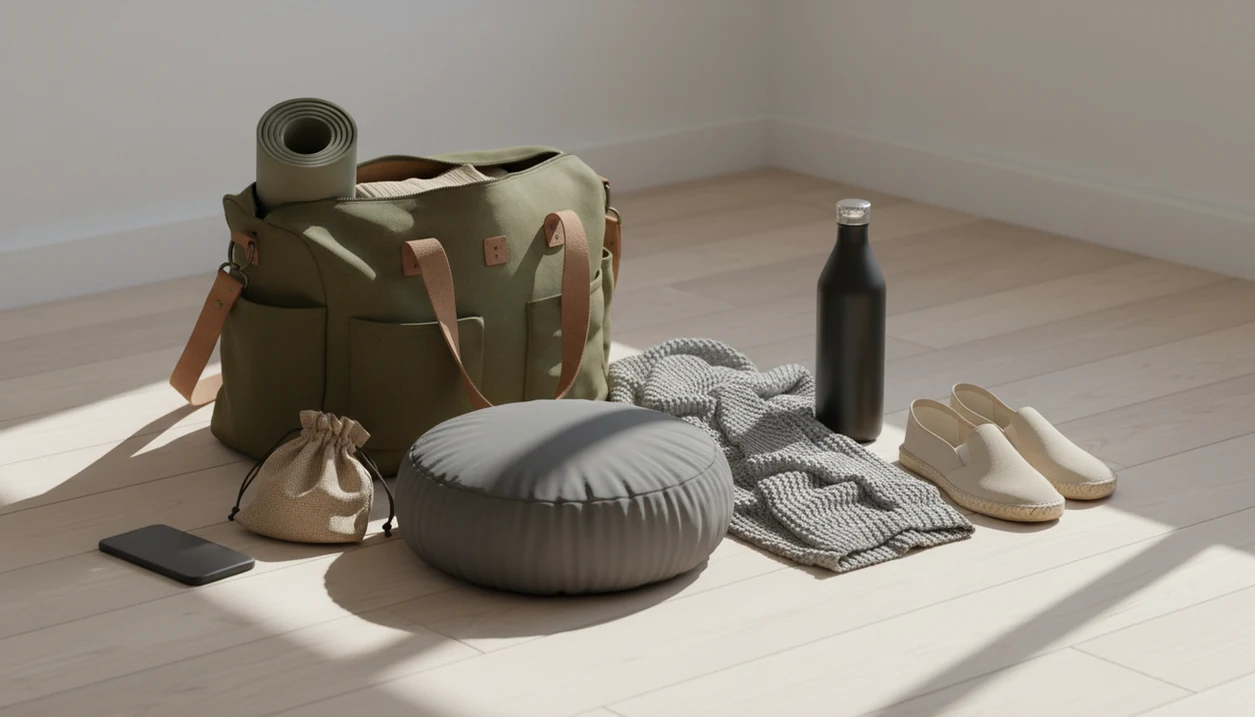


Meditation retreat preparation means getting ready for a structured, quiet schedule with repeated meditation periods, simple meals, limited phone access, and scheduled rest. A retreat is time away from normal routines for guided or silent practice, usually with teacher support. Boredom, physical discomfort, calm, and strong emotions can all occur, so quiet should not be mistaken for guaranteed relaxation.
For a first retreat, a beginner-friendly format of two to four days is a practical starting point. Prepare with short daily sits for one to two weeks, some walking meditation, and a familiar bedtime routine. Confirm the center’s rules and support options, arrange responsibilities at home, and leave the first day or two after returning lightly scheduled. Retreats can support practice, but they do not replace therapy, medical care, or crisis support.
Before booking
- Choose a beginner-friendly retreat, often 2-4 days, before attempting a long silent retreat.
- Practice sitting, walking meditation, gentle stretching, and sleep routines for one to two weeks before you arrive.
- Retreats can support calm and self-awareness, but they are not a substitute for therapy, medical care, or crisis support. For everyday situations where feelings influence food choices, a mindful approach to emotional eating offers a related practice.
What to know before a meditation retreat in five practical facts
- Most retreats have a fixed rhythm. Expect early wake-ups, repeated sitting and walking meditation, simple meals, quiet periods, teacher instructions, and reduced phone access. For more context on paying attention during meals, explore mindful eating guides and research before your retreat.
- Beginners do not need to be advanced. A week or two of short daily practice helps more than trying to “get good” first.
- Discomfort is common. Boredom, stiff hips, sleepiness, restlessness, and emotion can all appear when the usual noise drops away. If discomfort includes worries about food or body image, consider mindful eating support for body stress alongside appropriate professional care.
- Meditation use has grown. In the United States, 14.2% of adults reported using meditation in the past year in 2017, up from 4.1% in 2012, per CDC data CDC guidance: db325.htm.
- Familiar tools help. A familiar meditation app, downloaded sleep audio, or a short breathing exercise can support pre-retreat practice without becoming another distraction.
A real retreat can feel less mysterious if you’ve already sat through one ordinary, fidgety ten-minute session at home.
How a meditation retreat schedule works before you go
A meditation retreat works by reducing stimulation and repeating simple practices until attention, habit loops, and emotional patterns become easier to notice. In plain language, the schedule gives your mind fewer places to run. Outside retreat, meditation for weight loss habits focuses on everyday behavior rather than treating intensive practice as a weight-management shortcut.
Most days include sitting meditation, walking meditation, meals, rest, teacher guidance, and quiet time. Silence is not just a rule. It lowers social effort, which is why restlessness can get loud. The first afternoon may feel fine, then the second morning brings the chair cushion beneath a stiff back and the question, “How many more sits today?” During simple retreat meals, a mindful eating guide can help you practice noticing taste, hunger, and fullness without judgment.
Posture is usually more flexible than beginners expect. Many centers allow chairs, benches, walking practice, and small adjustments, though rules vary. Mindfulness research suggests meditation programs can produce moderate improvements in anxiety, depression, and pain compared with controls, according to a JAMA Internal Medicine review JAMA Internal Medicine study: 1809754. That evidence supports meditation practice broadly, not guaranteed retreat results.
For beginners, a retreat usually works better when the schedule is understood as training, not a test.
6-step meditation retreat preparation plan
Use this plan before booking or attending a first retreat:
- Choose a beginner-friendly format, often 2-4 days, with clear teacher support and realistic daily sitting periods.
- Practice one short daily sit for one to two weeks, then add walking meditation or a body scan.
- Pack simple layers, toiletries, medications, a water bottle, and any approved cushion or back support.
- Arrange work coverage, family needs, pet care, transport, and emergency contact details before you leave.
- Protect the first day or two after retreat from heavy meetings, big decisions, and immediate screen catch-up.
- Review the retreat rules, food options, phone policy, accessibility details, and cancellation terms.
A familiar meditation app can be useful before and after retreat for guided meditation, sleep audio, breathing exercises, and self-hypnosis support. Keep it practical. A five-minute breathing exercise is often easier to repeat than a dramatic plan you abandon.
If you need technique basics first, the meditation techniques library can help you choose a starting point.
Beginner meditation retreat suitability table
A meditation retreat may fit you if the format matches your current capacity, not your ideal version of yourself. The right question is not “Am I spiritual enough?” It is “Can I safely follow this schedule with support?”
| Fit category | Best for | Not ideal for |
|---|---|---|
| Experience level | Curious beginners who can follow instructions | People expecting instant transformation |
| Daily structure | People comfortable with schedules, silence, and simple rules | People who feel trapped by fixed routines |
| Emotional readiness | People wanting deeper practice and self-awareness | People in acute crisis or with unmanaged severe anxiety or trauma symptoms |
| Physical needs | People who can sit, walk, or use modifications | People unable to tolerate physical demands without confirmed accommodations |
| Motivation | People willing to learn slowly | People hoping a retreat will quickly fix sleep, mood, or relationships |
Before booking, contact the retreat center about accessibility, mental health concerns, food needs, sleep setup, and schedule details. A two-minute email can prevent a hard first night.
What retreat research can and cannot promise
A 2017 systematic review of traditional meditation retreats reported large effects for anxiety, depression, and stress, and moderate effects for emotional regulation and quality of life. Those findings are encouraging, but the evidence came mainly from non-randomized studies. The authors called for more rigorous controlled research. The results do not establish that a particular retreat will produce the same benefits for a particular participant.
Benefits also need to be considered alongside adverse effects. A 2020 systematic review of meditation-related adverse events estimated a pooled prevalence of 8.3%, with anxiety, depression, and unusual cognitive experiences among the commonly reported categories. That figure covers meditation research more broadly, not a specific retreat’s risk. The review also found that adverse effects can occur without a previous mental-health history, making support arrangements relevant to first-time participants as well.
What to know before a meditation retreat about sleep and anxiety
Does a meditation retreat affect sleep or anxiety? It can, especially at first, because early mornings, silence, unfamiliar beds, and fewer distractions change the nervous system’s usual cues.
A restless nighttime wake-up can happen even in a quiet retreat room. If mental chatter tends to build after dark, practice a few calming routines before you go. Support from a meditation app can include guided sessions, sleep audio, breathing exercises, and simple daily calm practices, without promising to cure insomnia or replace professional care.
Pre-retreat sleep practice
Try this before bed for one to two weeks: dim the phone screen, choose a 10-minute sleep meditation, and keep the same wind-down routine. If you compare apps, a best meditation app for sleep anxiety guide can help you focus on sleep audio, downloads, privacy, and ease of use.
Anxiety tools to rehearse
Practice breath awareness, a body scan, gentle stretching, or grounding with your feet on the floor. Mindfulness meta-analyses suggest small to moderate effects on anxiety and mood symptoms, but outcomes vary. Clinicians typically recommend extra support for severe, worsening, or unstable symptoms rather than relying on meditation alone.
What to know before a meditation retreat packing list
A good meditation retreat packing list keeps you comfortable without giving your attention too many new toys. Pack for quiet, weather, sleep, and the center’s specific rules.
Comfortable layers: Bring soft, modest clothing that works for sitting, walking, and changing room temperatures. Avoid loud fabrics, strong fragrances, and distracting accessories.
Daily essentials: Pack toiletries, prescribed medications, glasses or contacts, a water bottle, and any approved cushion, shawl, or back support.
Low-stimulation logistics: Bring a journal if it is permitted, along with a simple alarm clock if phones are limited. A warm mug at the kitchen table may be more useful for settling in than relying on devices that might be collected during the retreat.
Home coverage: Confirm work messages, family plans, pet care, transport, emergency contacts, and retreat center arrival instructions.
Caption guidance for the future image: Simple retreat packing supports comfort without adding distraction.
What to know before a meditation retreat re-entry plan
Re-entry works best when the first day or two after a retreat stay lightly scheduled. The quiet can disappear fast if you land straight in email, traffic, errands, and six overdue conversations.
Keep the first evening simple. Unpack, eat something steady, and avoid making major life decisions while you’re still tender from silence. Limit screen overload where possible, especially long social feeds and work catch-up. The nervous system may need a slower ramp. If alcohol is part of your evening routine, these mindful drinking tips for moderation can support more intentional choices.
After returning home, use short daily practices to integrate what you learned. A five-minute sit after breakfast or a short breathing session before bed is enough to keep the thread alive. Apps such as Calm and Headspace can help with guided sleep, breathing, and everyday calm sessions after re-entry; MindTastik can stay as a discreet support option rather than the focus of this health-sensitive guide.
For many people, short daily meditation after a retreat is more sustainable than trying to recreate the retreat schedule at home.
Short guided practice before retreat silence
MindTastik’s guided meditation library can support short daily practice before departure and a manageable routine after returning home. Body-focused practice and breathing exercises may suit preparation better than trying to reproduce a full retreat schedule. These sessions are preparation aids, not a substitute for retreat teachers. People seeking instruction in a particular tradition should choose that tradition’s teachers; anyone with severe or worsening symptoms needs clinical advice rather than an app-led preparation plan.
When intensive retreat practice may be too much
Meditation retreats can be valuable, but they are not gentle for everyone. Long silence and repeated practice may intensify symptoms instead of soothing them.
- Retreats can bring up anxiety, trauma memories, mood symptoms, insomnia, grief, or physical pain.
- People with severe, unstable, or worsening mental health symptoms should speak with a clinician and retreat staff before attending.
- A retreat is not a replacement for therapy, medication, medical treatment, emergency care, or crisis support.
- Research on long retreat benefits is promising but limited. A three-month retreat study found higher telomerase activity in retreat participants, but it was small and does not prove broad health outcomes PubMed research: 21035949.
- Physical discomfort is common. Ask about chairs, movement breaks, stairs, bedding, and medical needs before booking.
- Apps can support practice before and after retreat, but they cannot replicate teacher guidance, community, silence, or the full retreat container.
- If you feel unsafe, overwhelmed, or unable to continue, speak with retreat staff promptly.
MindTastik may help with familiar guided sessions around sleep, breathing, and everyday calm, but it should stay in the support-tool category.
Adjust preparation to sitting tolerance and comfort with silence
| If you... | Try | Why | Note |
|---|---|---|---|
| You have never sat longer than 10 minutes and the retreat schedule shows multiple long sessions | Practice one short session daily, then add a second sit every few days | A retreat tends to feel less intimidating when your body already recognizes stillness as a repeatable routine. | If preparation starts feeling punishing, shorten the session rather than forcing duration. |
| You rely on constant noise, messages, or multitasking to settle yourself | Try a guided voice with phone-free pauses between instructions | This can reveal whether quiet feels supportive, awkward, or overwhelming before you are in a retreat setting. | Silence is not a test of character; it is a condition to prepare for gradually. |
| You are going mainly to fix a stressful week quickly | Choose a gentler retreat format or delay until expectations are more realistic | Retreats may support reflection, but they are usually structured practice environments rather than quick resets. | Consider professional support first if distress feels intense, unsafe, or difficult to manage. |
| You notice tightness, restlessness, or shallow breathing during practice | Use steady breath counting for three to five minutes before longer meditation | A simple breath anchor often gives beginners something concrete to return to when the schedule feels demanding. | Discomfort can be ordinary, but sharp pain or panic is a reason to pause and seek help. |
When to seek professional help before a meditation retreat
Seek professional help before a meditation retreat if your symptoms are severe, getting worse, unpredictable, or hard to manage day to day. A retreat can support practice, but it is not crisis care, therapy, medication management, or a safe substitute for medical treatment.
- Contact a clinician before booking if you have recent thoughts of self-harm, panic that feels unmanageable, psychosis symptoms, mania, severe depression, active substance withdrawal, trauma flashbacks, eating disorder instability, or insomnia that is seriously affecting safety or functioning.
- Tell retreat staff before you pay or arrive if you have mental health risks, medication needs, mobility limits, sleep concerns, or triggers that could make silence or long practice periods unsafe.
- Ask what support is actually available, including teacher interviews, emergency procedures, phone access, room arrangements, and whether leaving early is allowed.
- Use emergency services or local crisis lines right away if you may hurt yourself or someone else, feel unable to stay safe, or are in immediate danger.
- Choose a gentler at-home practice if intensive silence feels too exposing. Short sits, walking meditation, sleep audio, or guided breathing may be the wiser first step.
Meditation retreat preparation questions
How long should a first meditation retreat be?
A beginner-friendly retreat of two to four days is a practical starting point, not a requirement. Duration matters less than the daily schedule, teacher access, and flexibility around posture and rest. Check the length of individual sitting periods before choosing a longer silent retreat.
How should I practice before a meditation retreat?
Start with one short daily meditation for one to two weeks. Add walking meditation, gentle stretching, or a body scan rather than making every session longer. The aim is familiarity with repeated practice, not endurance. Shorten sessions if preparation becomes a struggle or feels overwhelming.
What should I ask a retreat center before booking?
Ask about daily sitting periods, teacher support, phone restrictions, food options, accessibility, and permitted posture changes. Confirm how participants can request help, pause practice, or leave early. People with health concerns should discuss those needs with staff before paying, rather than assuming accommodations will be available on arrival.
Do I have to sit cross-legged during a retreat?
Not necessarily. Many centers allow chairs or other posture adjustments, but arrangements should be confirmed in advance. Ask about back support, cushions, and opportunities to change position. Stiffness can occur during repeated sitting; preparation should not depend on forcing a posture that causes physical pain.
Can a meditation retreat make anxiety or sleep worse?
Yes. Silence, intensive practice, early mornings, and unfamiliar surroundings can bring anxiety or sleep disruption rather than calm. Severe, unstable, or worsening symptoms call for discussion with a clinician and retreat staff before attending. A retreat is not treatment for insomnia, an anxiety disorder, or a mental-health crisis.
Can I use my phone at a meditation retreat?
Phone access depends on the center’s rules, and some retreats restrict it substantially. Confirm the policy before arriving and arrange an emergency contact route for family or other responsibilities. If phones are limited, ask whether a simple alarm clock is needed and whether any audio practice is permitted.
Can I leave a meditation retreat early if it feels overwhelming?
Ask about early departure and opt-out arrangements before booking. If practice becomes overwhelming, tell a teacher or staff member rather than treating distress as something to endure silently. Confirm transport options in advance. Severe or worsening symptoms may require professional care, not simply a different meditation technique.
What should I do immediately after a meditation retreat?
Keep the first day or two lightly scheduled where possible. Allow time for meals, unpacking, rest, and a gradual return to screens and work. Avoid filling the first evening with major decisions or overdue conversations. A short daily sit can maintain practice without recreating the retreat timetable.