
The Best Meditation Kit Helping You Meditate Better: A Practical MindTastik Guide
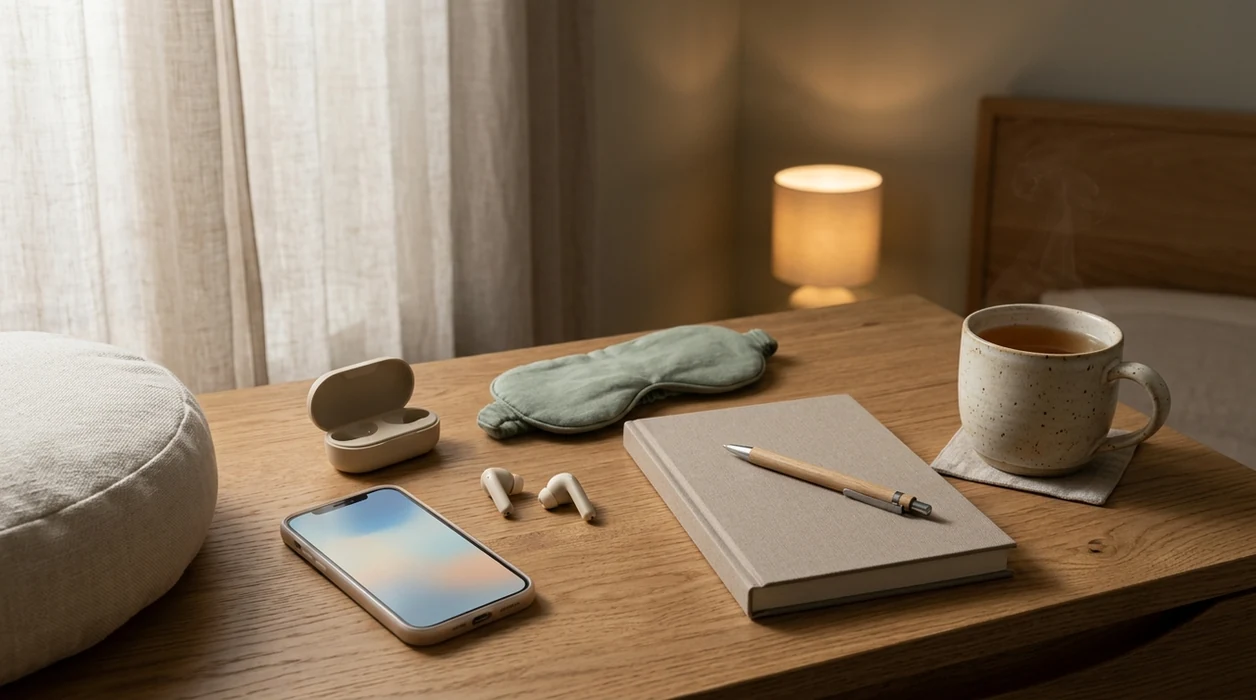


Meditation kit essentials are guided audio, a quiet place, comfortable support, and a simple cue that makes daily practice easier to start. A useful kit combines guidance and comfort rather than expensive accessories. The NHS beginner meditation guide says no specialist equipment is needed: a comfortable, warm place to sit is enough.
MindTastik offers guided wellness audio for adults, including meditation, sleep support, breathing practices, and self-hypnosis sessions. These can form the audio part of a kit for rest, stress, and everyday calm. The aim is a repeatable setup, not a collection of gadgets. Meditation kits are self-care tools, not replacements for therapy, medical care, or urgent mental health support.
The essentials
- A useful meditation kit combines app-based guidance, comfort items, and routine cues rather than expensive accessories.
- Research suggests meditation apps can support anxiety, depression symptoms, and sleep quality, especially when used consistently.
- Meditation kits are self-care tools, not replacements for therapy, medical care, or urgent mental health support.
How the best meditation kit helping you meditate betters look
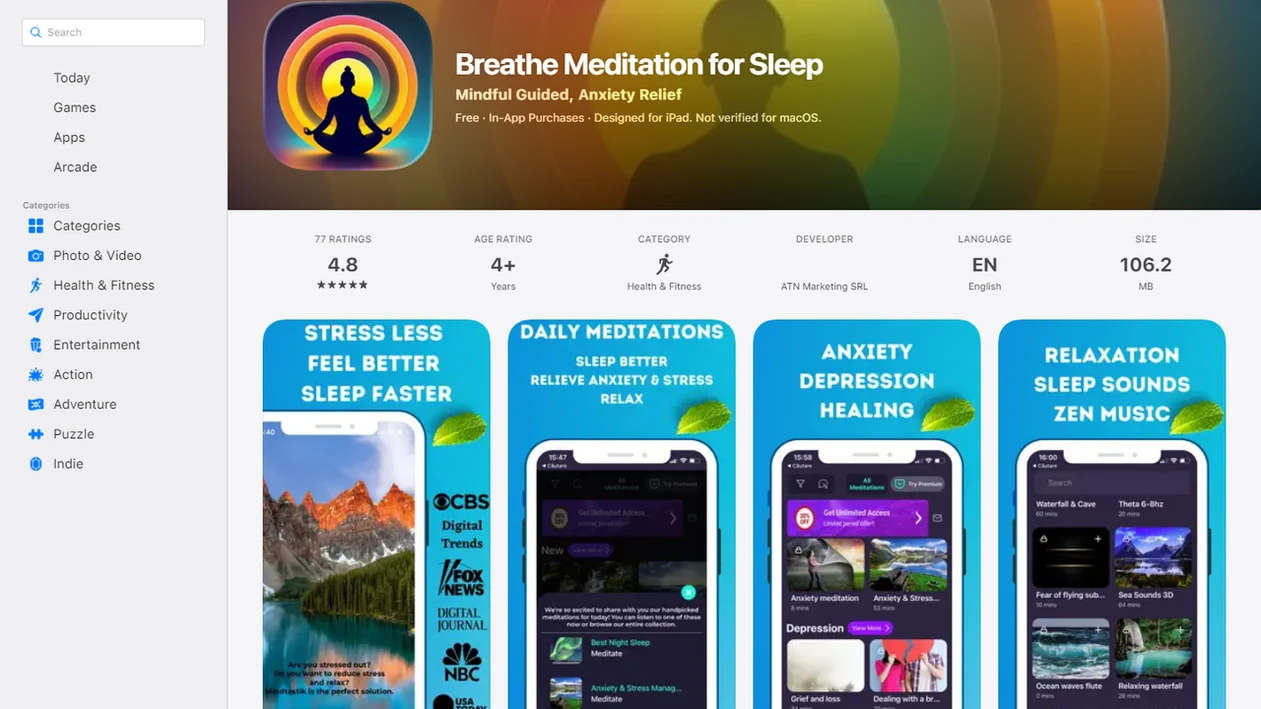
Side-by-side captures of the compared products. Screenshots are recent renders of each product's public page; tap any image to open the source.
Meditation Kit at a Glance
A useful meditation kit combines guided audio with a low-friction physical setup. It should make the next session obvious before your mind starts bargaining with you.
At-a-glance meditation kit table
| Kit item | Purpose | Best use case |
|---|---|---|
| MindTastik app | Guided meditation, sleep audio, breathing exercises, self-hypnosis | Choosing a clear session for sleep, anxiety support, or everyday calm |
| Headphones or speaker | Keeps the voice and sound close | Bedtime audio, travel, shared spaces |
| Cushion or chair | Supports posture without strain | Beginner practice and longer body scans |
| Eye mask or dim light | Reduces visual distraction | Wind-down routines before sleep |
| Journal or tracker | Records one small note | Building consistency |
The goal is consistency, not luxury or spiritual aesthetics. A quiet room, a simple chair, and a phone with guided audio can be enough to help the practice feel easy to repeat.
Suggested image caption: A simple meditation kit with phone app, cushion, journal, eye mask, and headphones for a calm daily routine.
Five Facts About the Best Meditation Kit Helping You Meditate Better
Five facts matter most when you choose a kit. The useful parts are the ones you will actually use when the room is quiet and your thoughts are not.
- A meditation kit works best when guided meditations, a quiet space, and comfort tools work together.
- A 2020 systematic review and meta-analysis of 15 randomized controlled trials found small to moderate improvements in anxiety and depression symptoms from meditation smartphone apps compared with controls NIH research: PMC7690984.
- Sleep-focused tools should include body scans, breathing exercises, calming sounds, and bedtime audio.
- Structure such as reminders, short sessions, courses, and streaks can support adherence because they reduce the “what do I do now?” moment.
- No meditation kit replaces professional care for severe anxiety, depression, trauma, chronic insomnia, or suicidal thoughts.
Small is not weak. A five-minute guided session is often easier to repeat than a 45-minute plan that looks good and disappears by Thursday.
How the Best Meditation Kit Helping You Meditate Better Works
A meditation kit works by reducing friction before practice starts. It decides the place, audio, timer, posture support, and routine cue in advance, so you are not building the habit from scratch each time. To put these pieces together, learn how to start meditating at home with a simple setup and manageable daily sessions.
Guided audio directs attention through breath, body scan, sound, imagery, or self-hypnosis prompts. In behavior-design terms, the kit uses cues, repetition, short sessions, reminders, and progress feedback to support habit loops. Put plainly, it makes the wanted action easier to repeat.
A good meditation app for sleep anxiety and everyday calm delivers guided structure and repeatable routines, not a medical cure or a promise that hard feelings will vanish. Clinicians typically recommend seeking professional support when anxiety, depression, insomnia, panic, trauma symptoms, or safety concerns interfere with daily life.
Benefits depend on repeated use rather than owning the kit. The download screen before bedtime is only the start; the useful part begins when you press play tomorrow too.
Meditation Kit Components for Sleep, Anxiety, and Everyday Calm
The core components are the ones that make practice easier, calmer, and less physically annoying. Decorative extras can be pleasant, but candles, crystals, and expensive gadgets are not the engine of the routine.
- Guided meditation app: Use a reputable app for sleep audio, anxiety-support breathing, beginner guided meditation, everyday calm sessions, and self-hypnosis-style routines.
- Headphones or speaker: Choose headphones for shared rooms and a speaker when earbuds feel intrusive at bedtime.
- Cushion or chair: Comfort matters because hip, back, or knee discomfort can interrupt practice before attention skills develop.
- Eye mask or dim light: Use this when visual clutter keeps pulling you out of the guided session.
- Journal or habit tracker: Write one sentence after practice, not a full essay.
For technique choice, a broader meditation techniques library can help you match breathwork, body scans, visualization, and grounding to the moment you are in.
Adapt the kit for mobility, pain, and eyes-open practice
Floor sitting is not a requirement. A stable chair with back support and supported feet is a practical alternative when kneeling or sitting on a cushion is uncomfortable. The NHS posture guidance emphasizes comfort and an upright position rather than a particular pose. Adjust the support before starting, and allow position changes instead of treating stillness as a test of commitment.
An eye mask is also optional. If closing the eyes causes drowsiness, anxiety, or disorientation, a reasonable adaptation is to keep them open and rest the gaze on a neutral point. The NHS exercise uses closed eyes, but does not compare the effectiveness of these options. A review of mindfulness interventions in older adults supports their feasibility and acceptability, with practice adapted to mobility, sensory needs, and fatigue rather than a rigid physical setup.
How to Use the Best Meditation Kit Helping You Meditate Better
Use the kit the same way each time until it feels boring in a good way. Beginners usually do well with 5 to 15 minutes, especially when the session is tied to bedtime, waking up, or closing the workday. For a manageable introduction, follow a first-week mindfulness plan that builds on short sessions and consistent daily cues.
Five-step meditation kit routine
- Set one consistent practice location: Choose a chair, bed edge, floor cushion, or quiet corner you can return to daily.
- Choose a MindTastik session: Pick sleep, anxiety support, or everyday calm before you sit down.
- Adjust your setup: Fix posture, headphones, light, and eye mask before starting, not halfway through.
- Follow the guided audio: Let thoughts come and go without trying to force a blank mind.
- Log one sentence: Write what you noticed, then repeat at the same cue tomorrow.
For sleep, set up bedtime audio before settling in. In a dim light, having the session ready can make it easier to follow the next steady breath instead of checking the time again.
Evidence Behind a MindTastik Meditation Kit Guide
The evidence supports app-based meditation as a helpful self-care tool, but not as a guaranteed outcome for every person. A 2022 randomized controlled trial of 191 patients found greater reductions in depression and anxiety scores after an 8-week mindfulness app intervention compared with a wait-list group PubMed research: 36102337.
The 2020 meta-analysis noted above found small to moderate improvements in anxiety and depression symptoms across 15 randomized trials. A 2019 randomized clinical trial of 88 adults with poor sleep quality found that a 6-week app-based mindfulness program significantly improved Pittsburgh Sleep Quality Index scores compared with a wait-list control PubMed research: 30726027.
Meditation is mainstream enough to study seriously. The U.S. National Center for Complementary and Integrative Health reported that 17.8% of U.S. adults used meditation in 2017, up from 4.1% in 2012 NCCIH mindfulness overview: meditation and yoga use among adults and children.
For beginners, a guided app routine is often easier than silent meditation because the voice gives attention somewhere to return. If you need the basics first, start with meditation techniques for beginners.
Best Meditation Kit Helping You Meditate Better for Common Routines
What meditation kit should I use for my daily routine? The answer depends on the moment you are trying to support: bedtime, morning calm, pre-meeting anxiety support, a midday reset, or beginner practice.
Bedtime meditation kit routine
For bedtime, pair MindTastik sleep audio with a consistent wind-down cue and reduced light. Try this before bed: phone dimmed, guided session queued, blanket pulled to the chin, and no scrolling after the audio starts. Sleep meditation usually works best when it is paired with a repeatable wind-down routine, while daytime meditation fits people who need reset points between tasks.
Anxiety-support meditation kit routine
For anxiety support, use short breathing exercises before stressful events. A three-minute breathing track before a meeting is more realistic than promising yourself a long session after the stress has already peaked.
For a midday reset, close the office door for ten minutes and choose a short guided session. For beginner practice, use a comfortable chair and short audio rather than advanced postures. This is the best meditation kit helping you meditate better guide when the real goal is starting again tomorrow.
Meditation Kit Mistakes That Make Practice Harder
The most common mistake is making the kit too elaborate. Expensive gadgets are not required, and a complicated setup can become one more reason to skip practice. If starting still feels difficult, learning why meditation is hard at first can help you set more realistic expectations.
Another mistake is expecting an app to automatically fix sleep or anxiety without active practice. The app can guide attention, prompt breathing, and structure a routine, but you still have to press play and stay with the session. Annoying, but true.
Long sessions are not the only sessions that count. Short, repeatable guided sessions often work better for beginners because they fit real days. If your lunch break is narrow, short meditation techniques may be easier to repeat than a full course lesson.
Do not use meditation to suppress intense emotions or override distress. If the session makes you feel flooded, stop, open your eyes, and ground with the room.
Choosing audio for a simple meditation kit
MindTastik’s guided meditation library suits a kit built around spoken instructions rather than a timer alone. Its breathing exercises can provide a daytime practice, while sleep stories and soundscapes offer options for bedtime listening. Beginners who prefer clear prompts may find this format useful. People who prefer silence can use a timer instead, and anyone seeking treatment for persistent insomnia, anxiety, or depression needs clinical support rather than an audio library alone.
What a meditation kit cannot fix
A meditation kit can support a steady routine, but it has real limits. Those limits should be clear before you rely on any app, audio track, or accessory.
- Benefits depend on consistent use; simply buying a kit is unlikely to help.
- App-based meditation evidence is stronger for short-term outcomes than for many-year adherence.
- Meditation can trigger discomfort, strong emotions, or trauma-related distress in some people.
- A kit should not delay care for chronic insomnia, severe anxiety, depression, panic, trauma symptoms, or suicidal thoughts.
- If practice becomes overwhelming, stop the session, open your eyes, name objects in the room, and seek support.
- Not all meditation scripts or apps are equally evidence-informed or suitable for sleep and anxiety support.
- Meditation is complementary self-care, not a replacement for therapy, medical evaluation, or prescribed treatment.
For moments when attention feels scattered or unsafe, grounding meditation techniques may feel more stabilizing than inward-focused practice.
For structured sessions beyond this page, MindTastik guided meditation app is the main MindTastik hub for guided meditation.
Meditation kit questions
What should a beginner meditation kit include?
Start with a comfortable seat, a quiet place, and either guided audio or a simple timer. Headphones can help in shared spaces, but are optional. A cushion, eye mask, or journal belongs in the kit only if it solves a practical problem, such as discomfort, light, or remembering the routine.
Do I need a meditation cushion, or can I use a chair?
A chair is a suitable option. The useful posture is comfortable and upright, with enough support to avoid slumping or sinking into the seat. A cushion is optional, not a sign of more serious practice. For limited mobility or painful knees, a stable chair with supported feet can be more practical.
Can I meditate without an app or headphones?
Yes. A simple breath practice needs no specialist equipment: notice breathing, silently label each breath in and out, and return attention when it wanders. An app adds spoken guidance, while headphones help with shared spaces. Neither is essential if quiet practice is comfortable and easy to repeat.
What belongs in a meditation kit for sleep?
A bedtime kit can include sleep audio, dim light, and comfortable support. A speaker may be preferable if earbuds feel intrusive while resting. Choose the audio before starting and avoid turning the session into more phone browsing. A kit can support winding down, but should not delay care for chronic insomnia.
How long should a beginner meditation session last?
A practical starting point is 5 to 15 minutes, with a duration that fits the daily routine. The NHS beginner exercise gives approximately 20 minutes as a general guide, not a required minimum. Shorten the session if it becomes difficult to sustain; duration alone does not determine its usefulness.
Do I have to close my eyes to meditate?
No. Although the NHS beginner exercise uses closed eyes, keeping them open with a soft gaze on a neutral point is a reasonable adaptation. This may suit people who feel drowsy, anxious, or disoriented with closed eyes. The cited guidance does not establish that one option works better than the other.