
The Connection Between MTHFR Gene Mutation and Mental Health
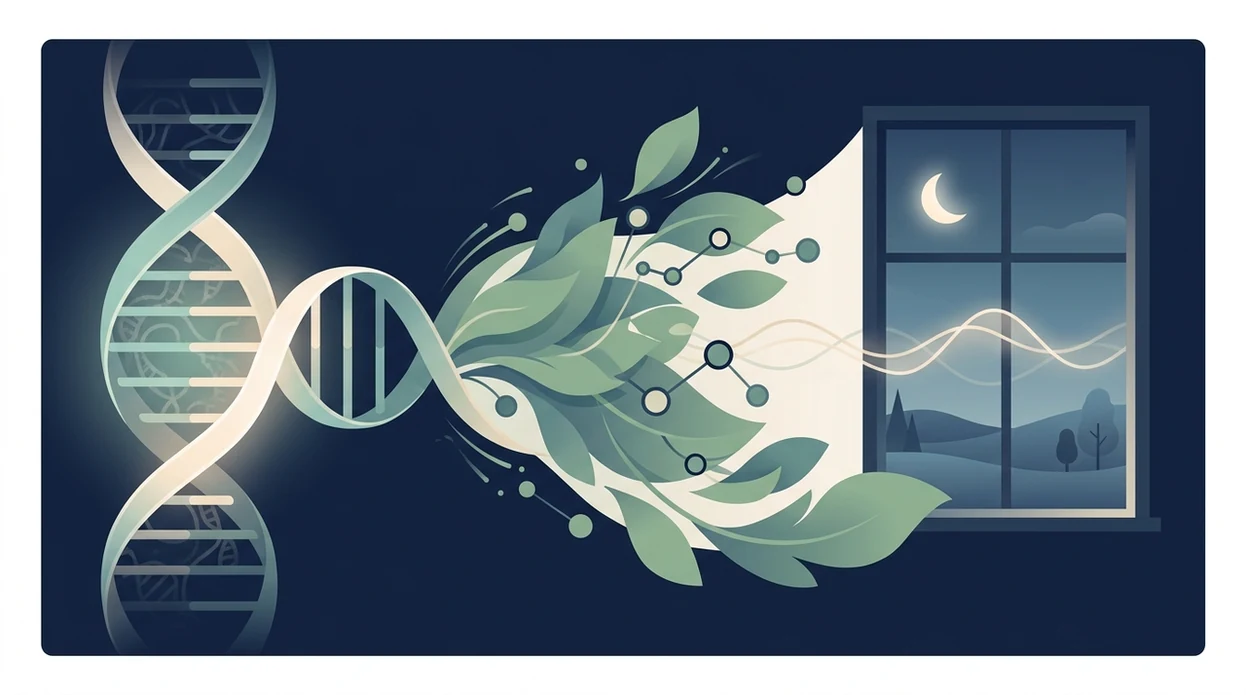


The connection between MTHFR mutation and mental health is usually modest: variants can affect folate metabolism, but they do not cause depression, anxiety, or another psychiatric illness on their own. MTHFR is a gene involved in converting folate into active L-methylfolate, which supports methylation, homocysteine regulation, and neurotransmitter production. A genetic result is one part of a health assessment, not a diagnosis.
Common variants include C677T and A1298C. Their effects may matter more when folate intake is low, but a variant does not predict how someone will feel. Sleep, stress, nutrition, therapy, and medication when appropriate still matter. Routine MTHFR testing is not generally recommended for depression or anxiety, and supplement decisions belong in a discussion with a clinician.
What the result means
- MTHFR variants such as C677T and A1298C may reduce folate-processing efficiency, especially when folate intake is low.
- Research links the C677T variant with higher odds of depression and some psychiatric disorders, but the effect is not deterministic.
- Routine MTHFR testing is not generally recommended for anxiety or depression, and supplements should be discussed with a clinician.
MTHFR Gene Mutation and Mental Health at a Glance
MTHFR variants can influence folate metabolism and methylation, which may affect neurotransmitter pathways tied to mood, motivation, and stress response. They are one risk factor, not a diagnosis and not a guaranteed cause of symptoms.
That distinction matters in a quiet room, when someone follows a steady breath and wonders whether one gene explains why their body still feels alert. Usually, the answer is broader. Genes may shape vulnerability, but sleep debt, trauma, nutrition, medication history, alcohol use, social stress, and illness all belong in the same picture.
Image caption suggestion: Diagram of folate conversion into L-methylfolate, homocysteine regulation, and neurotransmitter support.
Calming tools can support sleep, anxiety, and daily routines, but they do not test genes, change methylation, or replace medical care.
5 Facts About MTHFR Gene Mutation and Mental Health
- MTHFR supports active folate production. Active folate helps the body make and regulate serotonin, dopamine, and norepinephrine pathways.
- C677T and A1298C are common variants. C677T appears more often in psychiatric research, especially depression and schizophrenia studies.
- TT status may reduce enzyme activity. Homozygous C677T TT carriers can have up to 70% lower enzyme activity, especially relevant when folate status is poor.
- Associations are not predictions. Depression, anxiety, bipolar disorder, and schizophrenia links are population-level risks, not a forecast for one person.
- Testing should be guided. A clinician should help interpret MTHFR results, particularly if someone takes antidepressants, mood stabilizers, stimulants, or antipsychotic medication.
A gene report can feel very final. It isn't. The rest of the health story still needs to be read.
MTHFR Folate Pathway for Methylation, Homocysteine, and Mood
MTHFR works in the folate pathway by helping convert folate into L-methylfolate, the active form used in methylation. Methylation is a chemical tagging process that helps regulate DNA activity, homocysteine balance, and brain chemical production.
How MTHFR works is easier to understand as a chain. Folate enters from food or supplements, the MTHFR enzyme helps activate it, and active folate supports methylation cycles. Those cycles help the body make and regulate serotonin, dopamine, and norepinephrine.
When enzyme activity is lower, some susceptible people may have higher homocysteine or lower methylfolate. That may matter more when dietary folate or B12 is low. Still, the pathway is not a straight line from “mutation” to “mental illness.”
For mental health, folate metabolism is usually a supporting clue, not the whole case file.
Research Evidence on MTHFR Mutation, Depression, and Anxiety
Does MTHFR mutation cause depression or anxiety? Current research suggests MTHFR variants may modestly increase depression risk in some groups, but they do not directly cause symptoms by themselves.
Depression is already common. In the United States, about 8.4% of adults had at least one major depressive episode in the past year, according to NIMH data from 2020 nimh reference: major depression. Against that background, a 2022 meta-analysis found that people carrying the T allele of MTHFR C677T had about 33% higher odds of major depression than C allele carriers NIH research: PMC9433753.
Odds are not destiny. They describe patterns across groups, not what will happen to the person reading a lab portal after dinner.
Anxiety evidence is less clear than depression evidence. It often overlaps with sleep loss, chronic stress, trauma history, thyroid issues, substance use, and daily coping patterns.
MTHFR C677T, A1298C, and Mental Health Risk Differences
C677T is the MTHFR variant most often studied in mental health research, while A1298C is also common but usually less clearly tied to psychiatric risk. Heterozygous means one copy of a variant; homozygous means two copies.
| Variant or genotype | Plain-language meaning | Mental health relevance |
|---|---|---|
| C677T CT | One C copy and one T copy | May reduce enzyme activity mildly or moderately. |
| C677T TT | Two T copies | Can have up to 70% lower enzyme activity than CC in some studies. |
| A1298C AC | One A copy and one C copy | Common, with less consistent mental health evidence. |
| A1298C CC | Two C copies | May affect enzyme function, but evidence is more mixed. |
| Compound variants | One variant at each location | Interpretation depends on labs, symptoms, folate, B12, and homocysteine. |
The same 2022 meta-analysis reported a 16% increased odds of schizophrenia with C677T across studied populations. That is a population association, not an individual diagnosis.
For practical calming skills, grounding meditation techniques may be easier to start than long silent practice because they give the mind a concrete anchor. If quiet sitting feels difficult, photo identifier apps offer another way to focus attention on plants and wildlife outdoors.
5 Safe Steps After an MTHFR Mental Health Result
How to use an MTHFR result safely starts with context, not panic. A genetic result should be one note in a wider health conversation.
- Review symptoms with a licensed clinician rather than self-diagnosing anxiety, depression, ADHD, bipolar disorder, or trauma from a gene result.
- Ask about folate, B12, homocysteine, medication history, sleep, and diet when medically appropriate, because these factors change interpretation.
- Discuss L-methylfolate or B-vitamin support only under professional guidance, especially if you take psychiatric medication.
- Track mood, sleep, anxiety, and stress patterns for several weeks, including bedtime, wake time, caffeine, alcohol, cycle changes, and major stressors.
- Add daily nervous-system support such as guided meditation, breathing exercises, sleep audio, or a consistent wind-down routine. For an outdoor break, a rock identifier app can add a simple observation activity to a nature walk.
Keep it boring at first. A simple log often reveals more than a dramatic supplement stack.
If you need a low-friction starting point, short meditation techniques can fit into the ten minutes after the office door closes.
When to Seek Professional Help for Mental Health Symptoms
Seek professional help when symptoms feel unsafe, intense, sudden, or difficult to manage alone. An MTHFR result can add context for a clinician, but it should not replace diagnosis, treatment planning, or urgent care.
- Get urgent support if you have suicidal thoughts, urges to harm yourself, thoughts of harming someone else, or symptoms of psychosis such as hearing voices, feeling detached from reality, or believing things others say are not happening.
- Call emergency services now if you are in immediate danger. In the U.S. or Canada, call or text 988 for crisis support; elsewhere, use your local emergency number or go to the nearest emergency department.
- Contact your prescriber before changing medication or adding high-dose methylfolate, B vitamins, or other supplements, especially if you take antidepressants, mood stabilizers, stimulants, or antipsychotics.
- Report severe insomnia, panic attacks, mania symptoms, or sudden mood shifts promptly, particularly if sleep drops sharply, energy feels unusually high, spending or risk-taking changes, or agitation escalates.
- Bring the gene result as background information, alongside symptoms, sleep patterns, substances, medical history, and current medications.
MindTastik Meditation Support for MTHFR-Related Stress and Everyday Calm
MindTastik offers wellness-focused guided audio, including meditation, sleep support, breathing practices, and self-hypnosis sessions for adults looking for help with rest, anxiety support, and everyday calm. Meditation does not change MTHFR genes, lower homocysteine on its own, or replace medical care. For readers interested in pregnancy rituals, our pregnancy crystals for calm birth article offers ideas for symbolic comfort, not medical treatment.
Useful support can still matter.
- Sleep audio: A steady bedtime track can reduce scrolling when the blanket is pulled to the chin.
- Breathwork: Slow breathing gives the body a short reset before messages or meetings.
- Body scans: A guided scan can help users notice jaw, chest, and shoulder tension.
- Beginner meditations: Step-by-step sessions help people who feel awkward starting with silence.
Nervous-system regulation works best as a complement to nutrition, therapy, medication when indicated, and clinician guidance. The Best Meditation App for Sleep can only help if the routine feels repeatable on ordinary nights.
For new users, meditation techniques for beginners are often easier than open-ended mindfulness because they explain what to do next.
Meditation evidence is not evidence of an MTHFR treatment
A 2014 systematic review of randomized meditation trials found moderate evidence of small improvements in anxiety and depression. It found no evidence that meditation was superior to active treatments such as medication, exercise, or other behavioral therapies. These findings support a limited role for meditation alongside care, not a claim that it corrects folate metabolism or treats an MTHFR variant.
The distinction between a practice and a product also matters. Research on mindfulness programs does not establish that a particular app produces the same results. APA guidance on evaluating clinical apps recommends examining the developer, actual claims, peer-reviewed evidence, privacy policy, and data rights. For this page, guided audio is an optional calming activity, not a genetic intervention or a reason to delay mental-health assessment.
What MTHFR research cannot explain about mood
MTHFR research can be useful, but it has real limits. The evidence shows associations, not a simple cause-and-effect path from one variant to one diagnosis.
- Many people with MTHFR variants never develop anxiety, depression, bipolar disorder, schizophrenia, or other psychiatric disorders. - Routine MTHFR testing is not recommended by major professional groups for typical depression or anxiety care. The American College of Medical Genetics and Genomics recommendation against routine MTHFR polymorphism testing concerns thrombophilia evaluation, not a guideline specifically addressing depression or anxiety. Study results vary by population, ethnicity, genotype, folate status, B12 status, and overall health. L-methylfolate may help some people as an additional treatment, but it is not a universal cure. High-dose supplements can be ineffective or unsafe, particularly alongside medications or medical conditions. Evidence linking MTHFR to anxiety is less settled than the evidence for depression, and sleep, trauma, stress, and substance use can complicate interpretation. MindTastik offers audio for sleep routines and everyday calm, not therapy, diagnosis, emergency care, or a replacement for psychiatric treatment.
Clinicians typically recommend evaluating symptoms, safety, medical history, and medication response before using genetic results to guide mental health decisions.
For bedtime tension, progressive muscle relaxation for sleep may pair well with a broader wind-down routine.
When you want app-based guidance rather than reading steps alone, MindTastik guided meditation app collects the core guided library in one place.
MTHFR and mental health questions
Can an MTHFR mutation cause depression?
An MTHFR variant does not cause depression on its own. Research links some variants, particularly C677T, with modestly higher depression risk in some populations. That association cannot explain an individual diagnosis. Symptoms, sleep, stress, nutrition, medical history, and other factors still need assessment.
Is MTHFR linked to anxiety?
The evidence for anxiety is less settled than the evidence for depression. A variant may affect folate metabolism, but it cannot establish why someone feels anxious. Sleep problems, trauma, stress, substance use, and other health factors should remain part of the assessment rather than being attributed to a genetic result.
What symptoms indicate an MTHFR variant?
Mood changes, fatigue, or anxiety do not identify an MTHFR variant. These symptoms can have several explanations, and many people with variants never develop psychiatric illness. Symptoms should guide a clinical assessment; a genetic result alone cannot diagnose depression, anxiety, bipolar disorder, or another mental-health condition.
Should I get MTHFR testing for depression or anxiety?
Routine MTHFR testing is not generally recommended for typical depression or anxiety care. A clinician can discuss whether a result would change treatment decisions. Reviewing symptoms, medication history, sleep, diet, and relevant laboratory findings may provide more useful context than treating a genetic test as the main explanation.
What is the difference between C677T and A1298C?
Both are common MTHFR variants. C677T has been studied more often in psychiatric research, while findings for A1298C are less consistent. Having one copy differs from having two copies, but neither result predicts a diagnosis. Folate status and the broader health picture affect interpretation.
Does L-methylfolate help depression if I have an MTHFR variant?
L-methylfolate may help some people as an addition to depression treatment, but an MTHFR result does not guarantee benefit. It is not a universal treatment or a replacement for prescribed care. Decisions about supplements should include a clinician's review of current medications, medical conditions, and relevant nutrient status.
What should I do after receiving a positive MTHFR result?
Bring the result to a licensed clinician along with a medication and supplement list and a record of current symptoms. Ask whether folate, B12, or homocysteine assessment is appropriate. Avoid changing psychiatric medication or starting high-dose supplements solely because the report identifies a variant.
Can meditation help with MTHFR-related mental health concerns?
Meditation does not change MTHFR genes or correct folate metabolism. Research supports small improvements in anxiety and depression from some mindfulness programs, but not superiority to established active treatments. Guided meditation can be an optional calming practice alongside care, rather than a treatment for the genetic variant.