
Mindfulness for Men: A Practical Guide to Calm, Focus, and Better Sleep


Mindfulness for men is attention training: noticing thoughts, emotions, and body signals in the present moment with less judgment, so a response is less automatic. It is not about emptying the mind or suppressing emotion. The same basic skill can be practiced through guided meditation, breathing exercises, mindful movement, or short app-based routines.
The practical aim is to notice stress early, such as a tight jaw before replying to an email or racing thoughts at bedtime. Three-minute breathing resets, five-minute guided sessions, and evening wind-downs offer manageable starting points. Mindfulness may support stress regulation, focus, sleep preparation, and emotional control, but those outcomes are not guaranteed. Progress means noticing reactions sooner, not becoming permanently calm.
The essentials
- Mindfulness is not about emptying your mind; it is about noticing thoughts, emotions, and body sensations without immediately reacting.
- The best mindfulness for men guide frames practice as mental fitness, recovery, and resilience, not vague self-care.
- Short routines such as 3-minute breathing resets, 5-minute guided sessions, and pre-sleep wind-downs are easier to sustain than long sessions.
Mindfulness for Men in Plain English
Mindfulness for men means training present-moment attention with less judgment, especially during stress, fatigue, conflict, or pressure. It is not about suppressing thoughts, acting emotionless, or forcing yourself into a blank mind.
Think of it as noticing the first spark before the fire spreads. Work email lands hard. Your jaw tightens. Your reply starts getting sharper than it needs to be. Mindfulness is the pause where you feel that surge and choose what happens next. During difficult conversations, practice mindful active listening to hear the other person fully before preparing your reply.
It also fits ordinary male stress points: irritability after work, sleep trouble, gym recovery, parenting pressure, or relationship conflict. A short guided session can make the skill easier to practice when sitting silently feels awkward. Guided audio can help with anxiety support, bedtime wind-downs, and everyday calm, but it should be treated as structure, not a cure or replacement care.
Apps for sleep, anxiety, and everyday calm deliver structure, repetition, and easy starting points, not cures or replacement care.
Five Mindfulness for Men Facts Worth Knowing
- Mindfulness is deliberate attention, not mind-emptying. The skill is noticing when attention drifts, then returning to breath, body, sound, or movement. If formal sessions do not suit you, explore mindfulness without meditation through attentive habits during ordinary daily activities.
- Evidence supports modest real-world benefits. A 2014 JAMA Internal Medicine review found moderate evidence that mindfulness meditation programs improved anxiety, depression, and pain across 47 trials with 3,515 participants NIH research: PMC4142584.
- Men can face extra barriers. Stigma, toughness norms, and fewer male meditation role models can make practice feel unfamiliar at first. The fidgeting hands in a lap are not failure. They are data.
- Short practices fit normal days. Breath resets, mindful walking, and guided audio can fit work breaks, commutes, gym recovery, or bedtime. For time behind the wheel, mindful driving means paying attention to the road rather than practicing distracting exercises.
- Mindfulness is complementary support. A 2022 JAMA Psychiatry trial found mindfulness-based stress reduction was non-inferior to escitalopram for generalized anxiety disorder, but clinical care still matters when symptoms are serious JAMA Internal Medicine study: 2798510.
Do men need a different kind of mindfulness?
The research summarized here does not establish a male-specific meditation method. The 2014 review of meditation programs assessed health outcomes, not a rule that men need a particular style. Its findings support modest benefits for some symptoms, not claims about male personalities. Choosing a practice around the problem at hand, such as work stress or difficulty settling down, is more defensible than choosing one because it is marketed to men.
Practice format can still matter. A 2025 comparison involving novice meditators found greater focused attention with audio guidance than without it, and with movement-based rather than static practice. These findings suggest options for beginners who struggle with silence or stillness. They do not show that either format works best for all men, and the study also found that verbal guidance may increase cognitive load or autonomic arousal.
How Mindfulness for Men Works in the Brain and Body
Mindfulness works by training attention, body awareness, and response inhibition. In plain terms, you practice noticing where your mind went, then bringing it back without turning that mistake into a personal verdict. Learning how to be more compassionate helps you meet your own mistakes and other people's struggles with greater kindness.
The anchor might be breathing, footsteps, a body scan, or the sound of guided audio. Each return is a repetition. Over time, that repetition can support focus at work, emotional control during conflict, and less reactivity when anxiety spikes.
There is also a nervous-system piece. Slower breathing and body awareness can shift attention away from threat scanning and toward physical signals you can work with. Cognitive defusion is another useful term. It means seeing thoughts as mental events, not commands. “I’m going to lose it” becomes a thought you noticed, not an order you must follow.
A 2010 Consciousness and Cognition study reported that four 20-minute mindfulness sessions over four days improved mood, working memory, and sustained attention in healthy volunteers PubMed research: 20363650. For beginners, meditation techniques for beginners can make that mechanism less abstract.
How to Use Mindfulness for Men in a Daily Routine
Use mindfulness for men by attaching short practices to repeatable cues, not by waiting for the perfect quiet morning. For many men, consistency beats duration because the nervous system learns through repetition.
- Choose one cue after coffee, before a meeting, after a workout, or in bed, then keep the practice tied to that moment.
- Take a 3-breath reset by inhaling slowly, relaxing your shoulders, and extending the exhale before you speak or move.
- Play a 5-minute guided session when structure helps, especially if silent meditation turns into planning or self-criticism.
- Walk mindfully by feeling each footstep and noticing sounds without reaching for your phone.
- Use a pre-sleep wind-down with dimmed phone screen, slower breathing, and sleep audio instead of scrolling at 2:13 a.m.
- Repeat the smallest version on busy days, even if that means one minute.
A guided-session library can support this with meditation audio, sleep tracks, breathing exercises, and self-hypnosis when you want a clear starting point.
Mindfulness for Men Techniques for 5 Stress Situations
Mindfulness techniques work best when they match the stress situation. Treat them like micro-workouts for attention and recovery, not personality makeovers.
| Stress situation | Use this technique | How to practice it |
|---|---|---|
| Pre-meeting focus | Breath counting | Count five slow exhales before opening your laptop or speaking. |
| Post-argument reset | Noting thoughts | Label “anger,” “defending,” or “replaying” without building the next speech. |
| Workout recovery | Body scan | Move attention from feet to face and notice tension without forcing change. |
| Commute stress | Mindful walking or sitting | Feel contact points, sounds, and breath instead of rehearsing the whole day. |
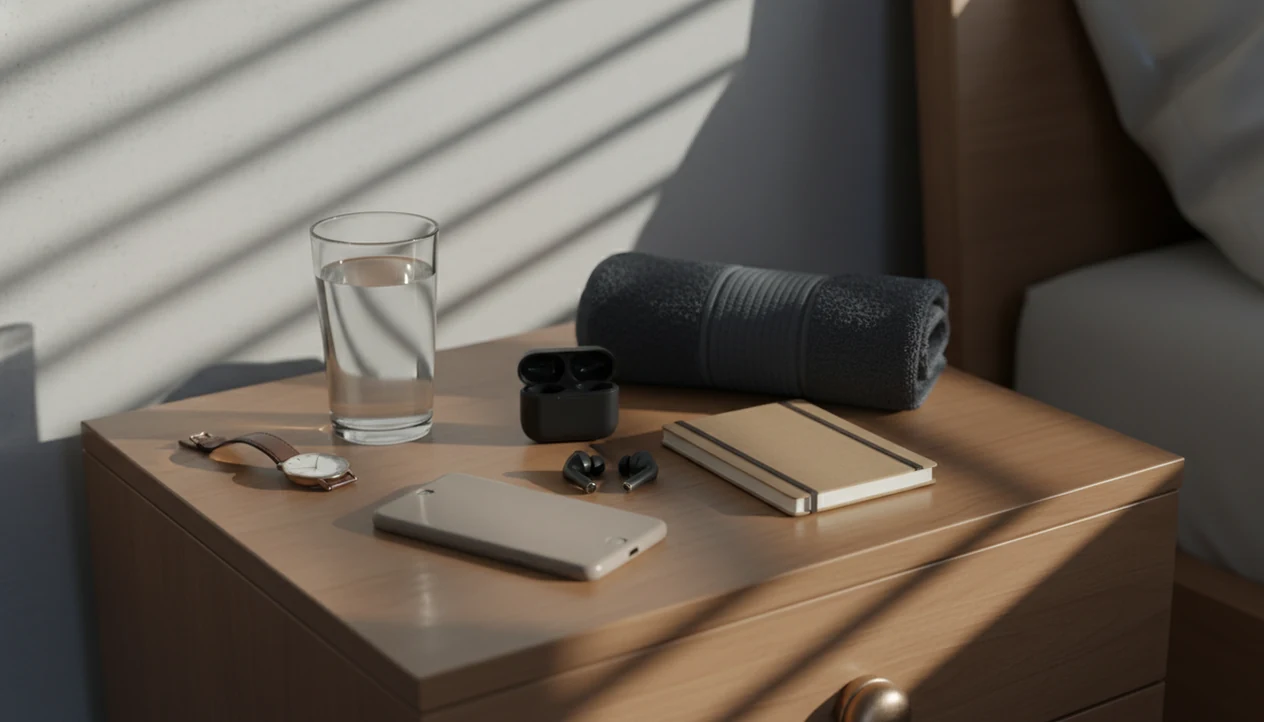
| 3 a.m. waking | Guided audio | Keep earbuds on the nightstand, one side slightly tangled around the charging cable, and choose a familiar sleep track. |
For more options, the full meditation techniques library can help you compare breathwork, body scans, mantra practice, and grounding.
Best-Fit Use Cases and Red Flags for Mindfulness for Men
Mindfulness is a good fit when a man wants better stress response, steadier focus, a calmer sleep routine, and more emotional control. It is not a stand-alone answer for every mental health or sleep problem.
| Best for | Not ideal for |
|---|---|
| Men who want a practical everyday calm skill | Anyone expecting an instant cure |
| Beginners who prefer short guided practices | People who want meditation to replace medical care |
| Men rebuilding sleep wind-down habits | Severe insomnia that is disrupting work, safety, or health |
| Work stress, irritability, and focus training | Acute psychiatric crisis or active substance-related danger |
| Men who like measurable routines | Severe trauma symptoms without professional support |
A beginner who wants a calm voice to follow when the mind feels crowded may prefer guided practice over extended silence. For sleep-specific routines, progressive muscle relaxation for sleep can be a useful next step.
Clinicians typically recommend professional evaluation when anxiety, depression, trauma symptoms, substance use, or sleep disruption is severe, persistent, or unsafe.
When to Seek Professional Help
Seek professional help when symptoms are intense, persistent, unsafe, or starting to run your life. Mindfulness can sit alongside therapy, medication, medical care, or recovery support, but it should not delay treatment when the problem is serious.
This matters for severe anxiety, depression, trauma symptoms, substance use, and sleep disruption that makes driving, work, parenting, or basic safety shaky. If thoughts of self-harm show up, or there is immediate danger to you or someone else, treat that as urgent and contact emergency services, a crisis line, or a trusted local emergency resource now.
- Notice whether the issue is affecting work, relationships, sleep, judgment, or safety for more than a short rough patch.
- Contact a licensed clinician, primary care doctor, therapist, psychiatrist, or qualified addiction professional when symptoms persist.
- Tell someone you trust what is going on, especially if isolation is making things worse.
- Use mindfulness as support between appointments, not as proof that you should handle everything alone.
- Act immediately if self-harm thoughts, violence risk, intoxication danger, or unsafe sleep loss is present.
Progress Markers in a Mindfulness for Men Practice
Progress in mindfulness usually shows up as faster recovery, not zero stress. You may still get irritated, wake at night, or tense up before a hard conversation, but the return to baseline can get shorter.
Track simple markers once a week. Note sleep quality, time to fall asleep, irritability, focus windows, perceived stress, and how long it takes to recover after conflict. One rough note is enough. No spreadsheet heroics required.
Five minutes repeated most days often teaches more than one long session followed by two weeks off. If you use an app, session history, saved routines, or streaks can help you spot patterns without judging every single practice.
A concrete routine makes mindfulness easier to track: choose a cue, practice briefly, notice the response, and review what changed.
App-Based Support for Mindfulness for Men
MindTastik offers guided sessions, sleep audio, breathing exercises, and self-hypnosis practices for adults seeking support with rest, anxious moments, and everyday calm. For beginners, that clear structure can make it easier to choose the next step without overthinking the practice.
A practical setup might include a 5-minute focus session before work, bedtime sleep audio, an anxiety breathing reset, or post-work decompression before walking into the house. The choice between a 5-minute breathing exercise and a 20-minute body scan matters less than picking something you will repeat.
Guided audio is support, not therapy. It does not diagnose, treat, or cure medical or mental health conditions. Its value is helping you choose a starting point, follow a guided session, and keep a wind-down routine simple enough to use when tired.
Some users also consider it a starting point when bedtime audio is the main need.
Guided sessions for work stress and evening wind-downs
MindTastik’s guided meditation library suits beginners who prefer spoken instructions to sitting in silence. Focus sessions can provide a structured break before work, while breathing exercises and sleep audio offer options for post-work decompression or bedtime.
Men who find spoken guidance distracting may prefer quiet practice or mindful walking. Persistent insomnia, severe anxiety, or symptoms affecting safety need professional assessment rather than another audio session. MindTastik is a practice aid, not a medical treatment.
What mindfulness cannot resolve for men
Mindfulness is useful, but it is not a miracle cure. Effects are usually small to moderate, and the result depends on the person, the practice, the teacher or app, and what else is happening in life.
Key limits to know:
- Mindfulness may support stress regulation, but it will not remove financial pressure, unsafe work conditions, or ongoing relationship conflict.
- The 2014 JAMA Internal Medicine review found benefits for anxiety, depression, and pain, but it also found limited or inconsistent evidence for positive mood, attention, substance use, sleep, and weight.
- Some men feel worse when they sit quietly with intense trauma memories or panic sensations.
- Practice quality matters. Rushing through audio while checking messages is not the same as practicing.
- Severe insomnia needs more than a relaxation track if it is affecting health, driving, work, or mood.
- Active substance use, acute psychiatric crisis, and severe trauma symptoms call for qualified professional support.
- Research on gender-specific mindfulness approaches for men is still limited.
For grounding during overwhelm, grounding meditation techniques may feel more stable than inward body scanning.
Short session options for tension, conflict, and bedtime
| Technique | Best for | Minutes |
|---|---|---|
| Box breathing | Resetting after pressure or conflict | 3-5 min |
| Guided body scan | Noticing jaw, shoulder, or chest tension | 8-12 min |
| Sleep-focused breathing audio | Easing the shift from alert mode to rest | 10-20 min |
When you want app-based guidance rather than reading steps alone, MindTastik guided meditation app collects the core guided library in one place.
Mindfulness for men questions
Is mindfulness different for men and women?
The research summarized here does not establish that men need a different mindfulness technique. The basic practice is the same: notice present-moment experience with less judgment. Goals, comfort, and willingness to repeat a practice are more useful selection criteria than gender-based claims.
How can men start mindfulness without sitting still?
Mindful walking is one option. During a short walk, notice foot contact, movement, and surrounding sounds, then return attention when thoughts take over. A novice-meditator study found better focused attention with movement-based than static practice, but that does not establish one best method for everyone.
Can mindfulness help with anger after work?
Mindfulness can provide a pause between noticing anger and acting on it. A brief practice might involve feeling jaw or shoulder tension, naming the emotion, and returning attention to breathing before speaking. It does not resolve ongoing conflict or excuse harmful behavior, and persistent difficulties may need professional support.
Does mindfulness reduce anxiety in men?
A 2014 review found moderate evidence that mindfulness meditation programs improved anxiety, but it did not establish a separate benefit specifically for men. Benefits were modest, and meditation was not clearly better than other active treatments. Severe or persistent anxiety deserves assessment rather than relying on meditation alone.
Can mindfulness help men fall asleep?
A quiet practice may help create a calmer bedtime routine, but evidence for meditation improving sleep was limited in the 2014 review. Sleep audio can be a relaxation aid rather than a treatment. Persistent insomnia, especially when it affects driving, work, or health, needs professional assessment.
How do I know if mindfulness is helping?
Look for changes in everyday reactions rather than a completely quiet mind. Useful markers include noticing tension earlier, recovering sooner after conflict, or finding it easier to return to a task. Brief weekly notes can reveal patterns, but they cannot prove that meditation caused every improvement.