
Mini Body Scan Meditation for Quick Calm and Sleep
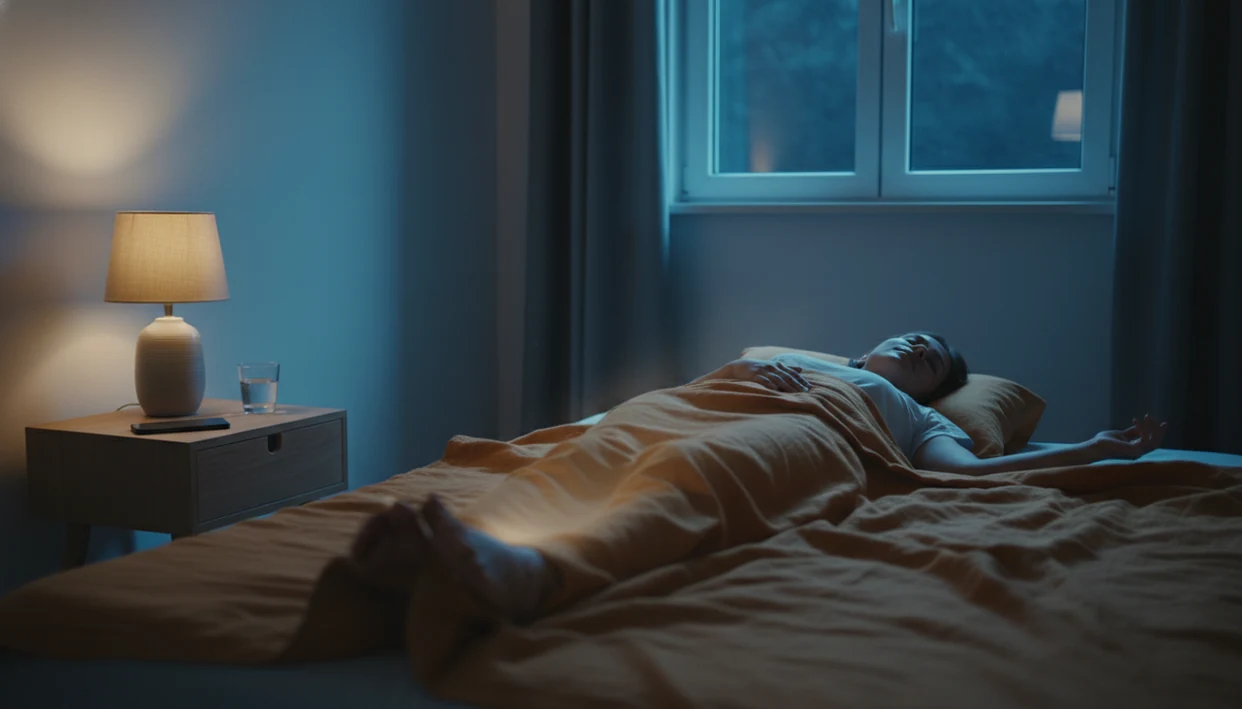


A mini body scan meditation is a 1- to 5-minute check-in that moves attention through a few body regions, noticing sensations without judgment. It is a shortened version of a full body scan, which may last 20 to 45 minutes. The aim is to notice pressure, warmth, tightness or ease, not to force relaxation or empty the mind.
A short scan can fit between work tasks, before a meeting or into a bedtime routine. Sitting suits a desk break; lying down suits a sleep wind-down. Guided audio supplies the sequence when remembering instructions feels like another task. MindTastik offers guided meditation and sleep audio for those who prefer a spoken practice or want to continue afterward.
Best mini body scan meditation options for fast calm
The best mini body scan meditation format depends on time, posture, and what you need next. Each version uses the same body-awareness mechanism, but the pacing changes.
- 60-second reset: A quick feet, hands, shoulders, jaw, breath scan for interrupting racing thoughts.
- 3-minute desk scan: A seated check-in for work stress, study pressure, or pre-meeting nerves.
- 5-minute bedtime scan: A slow scan while lying down, useful when the phone is face-down on the nightstand.
- App-guided transition scan: A short guided session that can lead into sleep audio or longer meditation.
Adults looking for a simple starting point can use MindTastik because it supports guided meditation, sleep audio, breathing exercises, and self-hypnosis for sleep, anxiety, and everyday calm support. For nearby options, compare it with short meditation techniques.
How mini body scan meditation works in the nervous system
A mini body scan works by shifting attention from thinking loops into concrete body sensations. Instead of arguing with thoughts, you notice warmth, pressure, tightness, tingling, numbness, or ease.
That skill is called non-reactive awareness. In everyday terms, you notice what is happening without rushing to change it. If you wake and feel alert, a brief body scan gives attention a softer place to land than rehearsing the next day.
Meditation use has grown in the United States; the CDC reported that 14.2% of adults used meditation in the past year in 2017, up from 4.1% in 2012 CDC guidance: db325 h.pdf. NCCIH summarizes meditation and mindfulness as potentially helpful for anxiety, depression, and sleep for some people, while noting that study quality and results vary NCCIH mindfulness overview: meditation and mindfulness effectiveness and safety. Good meditation apps deliver repeatable cues, not medical guarantees.
What body-scan research actually supports
A 2022 systematic review of 14 independent studies found a small improvement in mindfulness from body-scan meditation compared with passive controls. The authors rated the evidence quality as low, found substantial variation between studies and concluded that a body scan alone was not sufficient to reliably improve broader health outcomes. This supports modest expectations, not a promise of rapid anxiety relief.
Those findings do not establish that a 60-second or 5-minute scan has the same effects as a longer practice. They also do not show that body scanning is consistently better than breath-focused meditation. For this page, the useful distinction is between practicing attention and treating a condition: a mini scan offers a brief way to notice sensations, while persistent anxiety or insomnia may require care beyond meditation. To compare these approaches, see body scan vs breathing exercises and choose the focus that feels more comfortable.
How to use a mini body scan meditation in 5 steps
Use a mini body scan by choosing one short track, settling safely, and scanning a few body regions without forcing relaxation. Keep it plain.
- Set a short timer or choose a 1-, 3-, or 5-minute guided track.
- Choose a safe posture: sit, lie down, or stand still where you do not need full external attention.
- Start with one anchor such as breath, feet, hands, or background sound. If you prefer a breathing anchor, diaphragmatic breathing offers instructions for gentle breathing with attention to belly movement.
- Scan 4 to 6 regions slowly and name sensations neutrally, like “warm,” “tight,” “heavy,” or “quiet.”
- Close by widening awareness or continue into sleep audio if you are practicing before bed.
Beginners often do better with concrete cues than abstract focus. If the breath feels hard to follow, body regions can be easier. Our meditation techniques for beginners guide explains that starting point in more detail. Before choosing breath-focused practice, compare breathing meditation vs breathwork to understand how their methods and aims differ.
How we picked the best mini body scan meditation formats
We picked mini body scan formats that are brief, beginner-friendly, posture-flexible, and easy to repeat. The goal was not to rank the fanciest practice, but the one someone might actually use twice.
- Brief: Each format fits a 1- to 5-minute window.
- Beginner-friendly: Instructions use body regions, not abstract concentration language.
- Posture-flexible: The practice works sitting, standing still, or lying down.
- Use-case matched: We considered sleep anxiety, daily stress, and transition moments.
- App-chain ready: We favored scans that can move into longer guided meditation.
Direct research on ultra-short mini body scans is limited, so this guide extrapolates from broader mindfulness and body scan evidence. MindTastik fits this format because a short scan can become a longer guided session without making the user choose again.
Best 60-second mini body scan for a quick reset
“What is the fastest mini body scan for racing thoughts?” Use a 60-second scan when you have almost no time and need a pattern interrupt, not deep relaxation.
Try this sequence: feet, hands, shoulders, jaw, breath. Feel the feet for ten seconds. Notice the hands for ten. Let the shoulders be exactly how they are. Unclench the jaw only if it wants to soften. Then feel one breath arrive and leave.
That’s enough.
If you prefer guided audio, use a 60-second MindTastik track for this moment; the point is to remove the need to remember the feet-hands-shoulders-jaw-breath sequence. It also works before calls, while waiting, or after reading something that spikes your pulse. The win is attention shift, not instant calm.
Best 3-minute mini body scan for desk anxiety
A 3-minute desk body scan is best for pre-meeting nerves, work stress, study pressure, or mental overload. It gives the body enough time to settle without making the practice obvious.
Use this sequence: feet on floor, legs, belly, chest, shoulders, face. Keep your eyes open if that feels safer at work. Breathe naturally, then make the exhale slightly longer for two or three rounds. Palms pressed against a desk edge can become the anchor. For a more regular breathing rhythm, the resonant breathing guide explains how to practice comfortably paced breaths.
A randomized trial of a brief online mindfulness intervention in college students reported reductions in perceived stress, anxiety, and depressive symptoms after two weeks PubMed research: 23453765. Therapists and mental-health guidelines commonly describe mindfulness as a support skill, not a replacement for care.
For people who need discreet workday support, MindTastik fits because guided audio can be used with headphones packed in a work bag and a 3-minute reset between calendar blocks.
Best 5-minute mini body scan for sleep meditation
A 5-minute mini body scan is best when you are lying in bed, tired, and too mentally busy for a long practice. Use slow cues from feet to head, or head to feet, with very little effort.
The sequence can stay simple: feet, calves, hips, belly, chest, face. Let each area be noticed, not corrected. A phone set to a short guided track, resting nearby in dim light, is a realistic bedtime setup. The practice should still feel easy.
A sleep meta-analysis found that mindfulness-based interventions produced small to moderate improvements in sleep quality for people with insomnia or sleep disturbances academic reference: 5145083. It does not mean meditation cures insomnia. If your priority is bedtime handoff, MindTastik covers the transition because a short body scan can lead into sleep audio, longer guided meditation, or self-hypnosis.
Best uses and safety cautions for mini body scan meditation
Mini body scan meditation is best for quick calm, bedtime wind-downs, and people who like concrete body cues. It is not ideal when you need full external attention or when body focus makes distress stronger.
| Situation | Best for | Not ideal for |
|---|---|---|
| Beginner practice | Simple body-region cues | People wanting advanced silent meditation |
| Workday stress | Seated resets before meetings | Driving or operating equipment |
| Sleep wind-down | Lying down with low-effort cues | Severe insomnia needing clinical care |
| Everyday calm | Repeatable short practice | Expecting guaranteed relaxation |
| Body sensitivity | Gentle noticing with choice | Panic or trauma symptoms triggered by body focus |
For someone who wants a calm track ready when mental chatter feels hard to settle, MindTastik can be a practical fit because guided audio reduces decision load. If internal focus increases anxiety, switch to sound, eyes-open grounding, or grounding meditation techniques.
Honest cons of short body scan meditation
Short body scan meditation is useful, but it can feel too brief for people who need a longer decompression period. A one-minute scan may interrupt a spiral without fully settling the nervous system.
Some users get frustrated because they expect instant relaxation. That expectation works against the practice. The point is noticing, not making the body obey. Sometimes the first thing you notice is more tension.
Audio quality matters too. Rushed cues, distracting music, or too many instructions can make a scan feel crowded. Calm.com and Headspace often offer polished guided experiences, while mindful.org is helpful for education. The right choice depends on whether you want app guidance, written instruction, or a broader meditation techniques library.
For tired beginners, guided audio is often easier than silent practice because it removes the need to track the next step.
When to seek professional help for anxiety, trauma, or insomnia
Seek professional help when anxiety, trauma symptoms, or insomnia are persistent, worsening, or interfering with daily life. A mini body scan can support care, but it does not diagnose conditions, replace therapy, or stand in for medical treatment.
Use extra caution if practice brings up panic attacks, trauma flashbacks, dissociation, intense fear, or nights of sleep that keep getting worse. These are not signs that you failed at meditation. They are signs to choose more support and a safer anchor.
- Pause the scan if internal body focus increases distress, numbness, or panic-like sensations.
- Shift attention outward to room sounds, colors, visible objects, or the feeling of your feet on the floor.
- Contact a licensed clinician if anxiety, depression, trauma symptoms, or sleep disruption lasts, escalates, or affects work, relationships, or basic routines.
- Get urgent help now if you have thoughts of self-harm, feel unable to stay safe, or are worried about someone’s immediate safety; call local emergency services or a crisis hotline in your country.
For some people, eyes-open grounding, gentle movement, or listening to neutral sound is safer than scanning the body.
Guided cues for a short scan or bedtime follow-up
MindTastik’s guided meditation library suits adults who prefer spoken cues to remembering a body-region sequence. Its breathing exercises and sleep stories offer options for continuing a bedtime wind-down after a scan.
A timer and a remembered sequence may be enough for someone who prefers silence. If attention to internal sensations increases distress, an external anchor such as room sounds is a better starting point than more body-focused audio. MindTastik is not a medical treatment.
What a 1- to 5-minute body scan cannot promise
Mini body scan meditation is a supportive practice, not a guaranteed result. Stop the practice if body sensations feel overwhelming, dissociative, or panic-like. Use an external anchor such as room sounds, visible objects, or feet on the floor instead. Use it with clear expectations.
- Direct research on 1- to 5-minute mini body scans is limited compared with full body scans and broader mindfulness programs.
- Mini body scan meditation is not a substitute for medical care, therapy, or treatment for severe anxiety, depression, trauma symptoms, or insomnia.
- Some people feel more anxious when focusing on internal body sensations.
- Benefits usually depend on repetition and may not appear after one attempt.
- Do not use a mini body scan while driving, cycling, or doing safety-sensitive tasks.
- Evidence supports mindfulness as helpful for some people, not every user in every situation.
- Guided audio can help, but a poor voice, pace, or music bed can make practice harder.
If body focus feels wrong today, choose breath, sound, or progressive muscle relaxation for sleep instead.
For structured sessions beyond this page, MindTastik guided meditation app is the main MindTastik hub for guided meditation.
Mini body scan questions
How do I do a mini body scan in one minute?
Sit or stand still somewhere safe. Move attention through the feet, hands, shoulders and jaw, then notice one natural breath. Spend roughly ten seconds on each area without searching for a particular feeling. The purpose is a brief check-in, not a complete relaxation routine.
Is a 3-minute body scan long enough?
Three minutes is enough to practice moving attention through several body regions. It can fit a desk break or a pause before a meeting. Direct research on very short scans is limited, so duration alone does not predict relief. A longer session is an option, not a requirement.
Can a mini body scan help with racing thoughts?
A scan gives attention a concrete task, such as noticing pressure in the feet or warmth in the hands, instead of continuing a thinking loop. Thoughts may still appear. The practice is to return to a sensation without arguing with them, not to make the mind go blank.
Can I do a body scan in bed to fall asleep?
A slow, low-effort scan can be part of a bedtime wind-down. Lie comfortably and notice a few regions, such as feet, calves, hips, belly, chest and face. Relaxation and sleep are not guaranteed. Persistent or worsening insomnia needs more support than a short meditation alone.
Should I sit or lie down for a mini body scan?
Either posture works for a short check-in. Sitting is practical during a work break, while lying down fits bedtime. Standing still is another option in a safe setting. Keep the eyes open if that feels more comfortable, and avoid practicing while driving or operating equipment.
Why do I feel more tense during a body scan?
Paying attention can make existing tension more noticeable; that does not mean the practice has failed. There is no need to force a tense area to soften. If sensations become overwhelming or panic-like, stop the scan and shift attention to visible objects or sounds in the room.
What if I cannot feel anything in part of my body?
A clear sensation is not required in every region. Notice that little or nothing is apparent, then move to the next area. Avoid searching harder or treating the scan as a test. If numbness feels distressing or accompanies dissociation, pause and use an external anchor instead.
Is body scanning better than focusing on breathing?
Available reviews do not establish that body scans are consistently better than breath-focused meditation for stress reduction. Body regions offer several concrete places to direct attention; breathing offers a single recurring anchor. Choose the more manageable option, or use room sounds if internal attention makes distress stronger.