
Mindful Swimming Guide
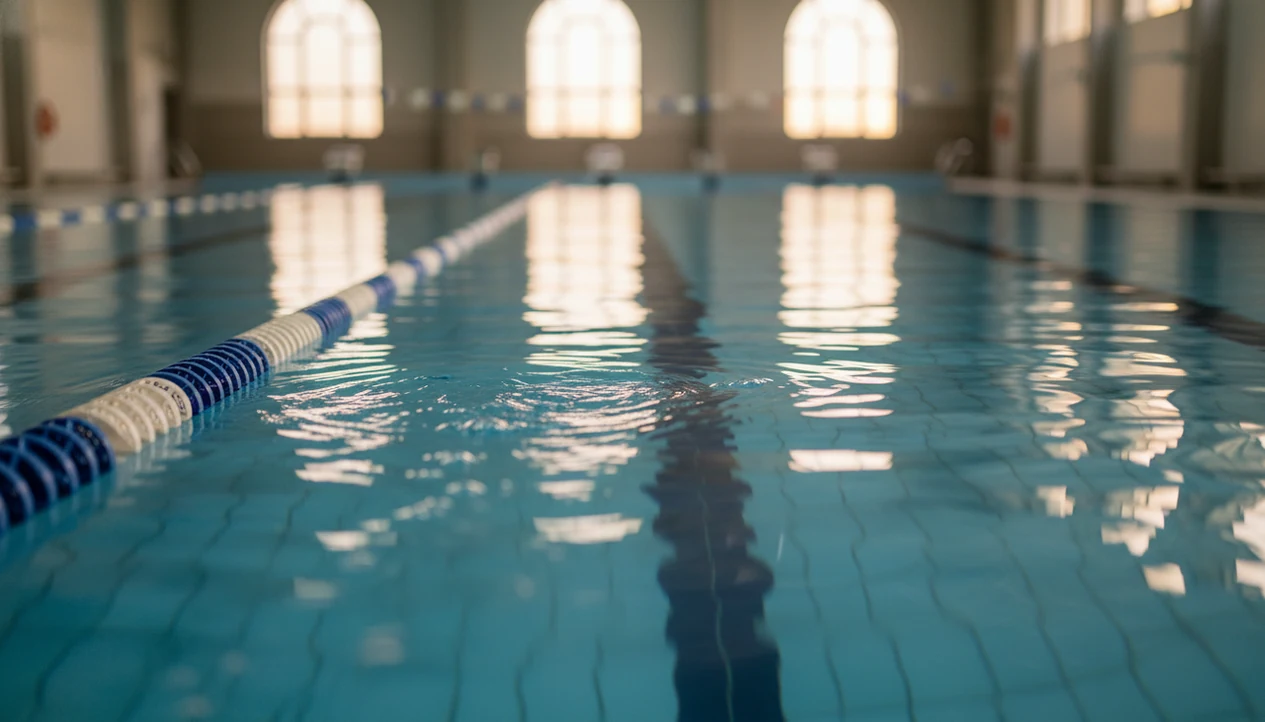


Mindful swimming is swimming as a moving meditation, with deliberate attention to breathing, stroke rhythm, body sensations, buoyancy, and the feel of the water. Instead of completing laps on autopilot, the swimmer notices a concrete cue, such as bubbles during an exhale or water pressure against the hands, and returns to it when attention wanders. The aim is awareness, not a faster time or a perfectly quiet mind.
This approach can make an ordinary swim a practice for calm and focus, or part of an evening wind-down. Safe swimming habits come first: attention to sensations must not replace awareness of other swimmers, fatigue, or changing conditions. Guided meditation can support the routine before or after the swim, without adding another task in the water.
What mindful swimming means in practice
Mindful swimming is swimming with deliberate awareness of breath, body position, stroke rhythm, buoyancy, and water sensations. It is not the same as grinding through laps while your mind replays unread emails or zoning out until the workout ends.
The practice asks you to stay awake to what is happening. You notice the exhale into the water, the pull of each arm, the lightness of floating, and the sound of bubbles near your ears. When the mind wanders, you bring it back without scolding yourself. Understanding why staying present feels difficult can help you respond kindly when your attention wanders during a swim.
That part matters.
You can practice in a pool or open water, but safety comes first. Mindful swimming may support stress relief, focus, anxiety support, and evening wind-down, especially when it stays simple and within your actual swimming ability. For related land-based options, our meditation techniques for beginners guide is a useful starting point.
Five mindful swimming facts beginners should know
- Mindful swimming means deliberate attention. You are noticing breath, stroke, and water sensations instead of swimming on autopilot.
- A session can start with one intention. Before entering the pool, choose a phrase like “steady breath” or “relax the shoulders,” then shift attention to alignment and buoyancy.
- Mindfulness and aerobic activity both have mental-health relevance. The CDC says regular physical activity can reduce anxiety and depression risk (CDC guidance: adults.html), and a JAMA Internal Medicine review found mindfulness meditation programs showed moderate evidence for improving anxiety and depression symptoms (JAMA Internal Medicine study: 1809754).
- Simple drills work well. Stroke counting, breath pacing, and body-part focus sets turn a normal lap into a repeatable attention practice.
- Adaptability does not remove risk. Mindful swimming must never override fatigue, cold-water exposure, weak swimming skills, or unsafe conditions.
A beginner does not need a dramatic routine. Three calm lengths can be enough.
How mindful swimming works in the body and attention system
Mindful swimming works by giving attention a steady anchor: breath timing, repeated stroke rhythm, and tactile water sensations. In plain language, your mind gets something concrete to return to every few seconds.
The mechanism is partly attentional control. You notice a cue, drift into thought, and return to the cue. That loop is similar to seated mindfulness, but the water adds pressure, temperature, sound, and buoyancy. The body is not still, so the practice can feel easier for people who get restless on a cushion.
Rhythmic movement may also help mood because swimming is aerobic exercise. The CDC links regular physical activity with reduced anxiety and depression risk (source). Separately, a JAMA Internal Medicine review found mindfulness meditation programs had moderate evidence for improving anxiety and depression symptoms in adults (source).
Direct research on mindful swimming specifically is limited, so benefits are inferred from mindfulness and physical activity research. Still, for restless people, moving attention through water can feel more manageable than sitting in silence.
Before you start: mindful swimming safety checklist
Before mindful swimming, make sure the water, your body, and your breathing are safe enough for attention practice. The goal is not to be brave in the water; it is to stay present without ignoring warning signs.
- Choose familiar, supervised water for early sessions, such as a pool with a lifeguard, before trying open water or unfamiliar conditions.
- Confirm your swimming comfort in the exact depth and setting you plan to use. If you would not feel steady there during an ordinary swim, do not add mindfulness drills.
- Check your body and surroundings for fatigue, cold, crowding, weather changes, visibility, and whether your breathing feels easy before you begin.
- Set a stop rule in advance, such as “I stop if my breath feels strained,” “I leave if the lane gets chaotic,” or “I switch to walking in shallow water after one warning sign.”
- Use land-based meditation instead if panic, dizziness, chest tightness, or disorientation appears.
A safer practice is still a complete practice. Some days, the mindful choice is not to swim. Learning how to live a mindful life includes bringing this same attentive care to everyday choices outside the pool.
How to use mindful swimming in a 20-minute pool session
Use this 20-minute mindful swimming guide when you want structure without turning the swim into a performance test. Keep the pace easy enough that you can notice your body. If you can still feel the waterline at your cheek, hear your bubbles, and relax your jaw between breaths, the pace is probably mindful enough.
- Set one intention before entering the water, such as “soft jaw,” “steady breath,” or “finish calmer than I started.”
- Warm up for 5 minutes with easy swimming and attention on the exhale into the water.
- Choose one anchor for 10 minutes, using breath, stroke count, buoyancy, or body alignment for each length.
- Reset gently when thoughts wander, then return to the next breath or the next hand entering the water.
- Cool down for 5 minutes with slower laps, floating, or walking in shallow water if that is safer.
- Note the after-effect, including mood, stress, focus, and sleep readiness.
That last note can be brief. “Less tight in chest” is enough.
If you prefer shorter practices on busy days, pair the swim with short meditation techniques before leaving for the pool.
Mindful swimming tips for breath, stroke, and focus
Breath counting: Try counting one breath every 2-3 strokes if that fits your stroke and ability. Do not force a breath pattern that makes you tense or air-hungry.
Stroke counting: Count strokes per length without judging the number. The goal is attention, not proving efficiency to yourself.
Body-scan laps: Move attention through jaw, shoulders, hands, hips, kick, and feet. One lap can be only shoulders. The next can be hands.
Sensory focus sets: Notice bubbles, muffled sound, water pressure, temperature, and buoyancy. The pool lane becomes the meditation object.
Noncompetitive cues: Use phrases like “easy pull,” “long exhale,” or “float first.” If the cue starts sounding like a coach yelling from inside your head, soften it.
For people who like body-based calm, grounding meditation techniques can reinforce the same skill outside the water.
Body sensations or breathing: neither anchor is proven better
There is no established reason to treat body-scan laps as more effective than breath-focused laps. A 2022 review of 14 body-scan studies found a small improvement in mindfulness compared with passive controls, but judged the evidence quality low and the results highly variable. It did not establish reliable broader health benefits from body scanning alone. These findings concern meditation practices, not swimming drills.
The practical choice is an anchor that remains manageable without interfering with safe swimming. Breath timing need not be the focus if counting makes breathing strained; water pressure against the hands is another option. Reviews do not establish that body scans outperform breath-focused meditation for stress reduction. Changing the anchor is therefore a reasonable adjustment, not a failure to perform the technique correctly.
Common mindful swimming mistakes
Common mindful swimming mistakes happen when calm becomes another thing to achieve. The practice should make you more responsive to your body and surroundings, not less.
A forced breath pattern is the clearest warning sign. If counting breaths creates tightness, air hunger, or a panicky reach for the wall, drop the drill and breathe normally. Stroke counting can drift the same way: once the number becomes a score, you are back in performance mode instead of awareness.
Use this quick reset when a session starts to feel off:
- Pause at the wall, in shallow water, or on the pool deck as soon as breathing, balance, or attention feels strained.
- Check for fatigue, shivering, dizziness, chest tightness, lane crowding, or rising fear before continuing.
- Soften the anchor by choosing an easier cue, such as bubbles, relaxed hands, or one slow length.
- Stop if the water is unsafe, the lane feels chaotic, or fear is pushing you to prove something.
- Switch to walking, floating with support, or a land-based calming practice when your body says enough.
Mindfulness is not a reason to override fear. In water, stopping can be the most mindful move.
Best and not-best uses for mindful swimming
Mindful swimming fits people who are already safe enough in water and want swimming to feel calmer, steadier, or more focused. It is not a workaround for fear, medical risk, or poor swimming conditions.
| Situation | Best for | Not for | Safer alternative |
|---|---|---|---|
| Casual pool swim | Gentle stress reduction and body awareness | Someone who cannot swim safely | Lessons, shallow-water practice, or lifeguard-supervised exercise |
| Lap swimming | Focus practice and less autopilot | Exhausted swimmers chasing more laps | Shorter sets and longer rest |
| Evening routine | Pre-sleep wind-down after a light swim | Late intense training that leaves you wired | Gentle stretching or progressive muscle relaxation for sleep |
| Anxiety support | A calming routine for manageable stress | Panic, trauma, PTSD, or severe anxiety around water | Professional support and land-based grounding |
| Health conditions | Low-impact movement if cleared | Respiratory concerns, heart conditions, or ignored medical advice | Clinician guidance before swimming |
Clinicians typically recommend matching physical activity to health status, ability, and safety conditions rather than using exercise to push through warning signs.
Mindful swimming with MindTastik before and after the pool
MindTastik offers guided practices, sleep support audio, breathing sessions, and self-hypnosis for adults looking for help with rest, anxiety support, and everyday calm. For mindful swimming, it works best as a before-or-after companion, since your focus in the water should stay on movement, surroundings, and safety.
Before getting in the pool, try a brief breathing practice on a bench near your swim bag or in the car before you walk inside. Many people want a calm voice to help settle mental noise before they begin. After your swim, use sleep audio, an anxiety-support meditation, or an everyday calm session if your body still feels energized.
A Best Meditation App for Sleep should give you repeatable cues for downshifting after exercise; MindTastik can support that routine, but it is not a diagnostic tool, emergency resource, or substitute for professional care.
Track three simple numbers before and after swims: stress, focus, and sleep quality. Tools like MindTastik, Calm, Headspace, and mindful.org can support the routine when they help you repeat it without overthinking.
Guided practice before and after the pool
MindTastik’s breathing exercises can provide a short attention practice on dry land before a swim. Guided meditations or sleep stories can also suit a quiet period afterward. These sessions belong outside the water, where following audio does not compete with swimming or watching the lane. Anyone needing stroke instruction, help with water-related panic, or treatment for persistent anxiety or sleep problems should choose qualified support instead. The app is not a medical treatment.
Where mindful swimming needs caution and stronger evidence
Mindful swimming has real limits, and those limits are part of practicing well.
- Direct research on mindful swimming specifically is limited.
- Most likely benefits are inferred from mindfulness research and aerobic exercise research.
- It cannot replace swimming lessons, lifeguard guidance, therapy, medical care, or sleep treatment.
- Cold water, fatigue, overtraining, weak swimming skills, and health conditions create real risks.
- Water-related panic, trauma, PTSD, or severe anxiety may make the practice unsuitable without support.
- Respiratory concerns, heart conditions, dizziness, or fainting history should be discussed with a qualified clinician before swimming.
- One relaxing swim is pleasant, but consistency over weeks matters more than a single good session.
- Too much self-criticism can turn mindful swimming into another performance task.
Be honest with the day you have. If your body feels heavy, your breathing feels off, or the pool is crowded and chaotic, choose a shorter swim or a land-based practice like visualization meditation for sleep.
If you are ready to move from tips to practice, MindTastik guided meditation app is where MindTastik keeps its guided meditation experience.
Mindful swimming questions
How do I start mindful swimming?
Start in familiar, supervised water at an easy pace. Choose one cue, such as the feeling of water against the hands, and notice it for one length. When attention wanders, return to that cue. Rest at the wall as needed, and keep awareness of lane traffic and breathing throughout.
What breathing pattern should I use for mindful swimming?
Use a breathing pattern that already feels comfortable for the stroke and pace. Counting every two or three strokes is optional, not a target to meet. If counting creates tension or air hunger, stop the drill, breathe normally, and rest at the wall. Mindfulness should not make breathing harder.
Can a beginner swimmer practice mindful swimming?
A beginner can practice simple attention cues only when swimming safely in the chosen setting. Mindfulness does not replace lessons or supervision. If staying afloat, coordinating breaths, or reaching the wall is difficult, prioritize instruction and supported practice rather than adding stroke counts or body scans.
Does mindful swimming help with anxiety?
It may be a useful calming practice, but direct research on mindful swimming is limited. Broader mindfulness research reports reductions in anxiety, with results varying across practices and populations. Water-related fear or panic calls for a different approach. Stop if distress increases, and seek qualified support for persistent or severe anxiety.
Can mindful swimming help me sleep?
A light swim followed by a quiet routine may suit an evening wind-down, but mindful swimming is not an established sleep treatment. Intense late training that leaves someone feeling wired is a poor fit for that goal. Persistent sleep problems need assessment rather than progressively longer or harder swims.
Is it safe to practice mindful swimming in open water?
Open water adds changing conditions, visibility concerns, cold, and other demands on attention. Mindfulness does not reduce those hazards. Begin in familiar, supervised pool conditions rather than using open water to learn the practice. Any attention cue must remain secondary to awareness of surroundings, fatigue, and safe swimming.
How long should a mindful swimming session last?
There is no established duration that produces a specific benefit. A short, easy session can provide enough time to practice returning attention to one cue. The existing 20-minute routine is a structure, not a required dose. Shorten the swim or take more rests when breathing, fatigue, or concentration becomes strained.
Should I listen to a guided meditation while swimming?
The simpler approach is to listen before entering the water or after leaving it. During the swim, use a remembered cue rather than following spoken instructions. Attention needs to remain available for movement, breathing, other swimmers, and changing conditions. Guided audio is optional, not a requirement for mindful swimming.