
Walking Meditation for Beginners: Steps, Safe Routes, and Research
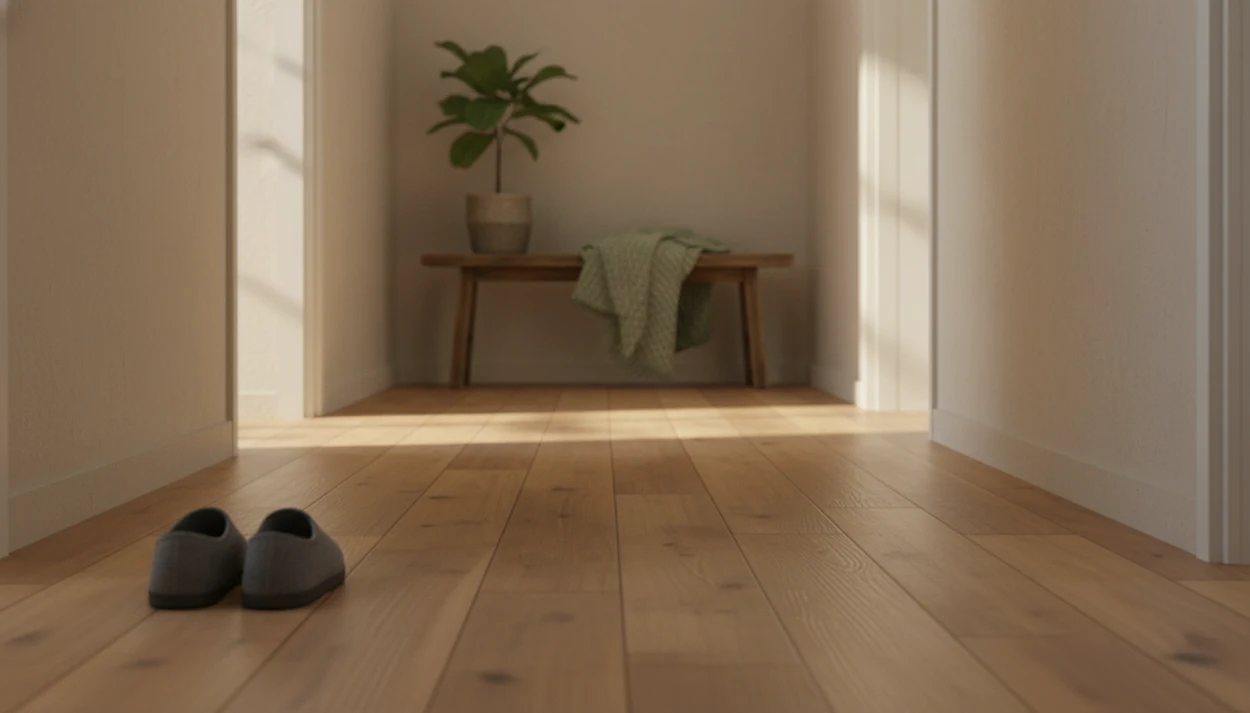


Walking meditation for beginners is a slow, attentive walk that focuses on steps, breathing, body movement, and nearby surroundings rather than trying to empty the mind. It combines gentle movement with deliberate attention to sensations such as the sole touching the floor or air against the skin. A familiar room, hallway, or quiet outdoor path is enough to begin.
Start with 5 to 10 minutes on a short path of roughly 10 to 15 steps. When attention drifts, return to one clear anchor: foot contact, the next step, or natural breathing. The walk can stand alone or come before guided meditation when sitting feels difficult. After guided audio, a brief walk can provide a calm transition back to ordinary tasks.
Best walking meditation routines for beginners
The best walking meditation routine depends on your space, time, energy level, and whether you are preparing for sleep or returning to daily tasks. Start small, then repeat the version that feels easiest to do again tomorrow.
- 5-minute indoor reset: Walk 10-15 steps across a room or hallway, turn, and repeat.
- 10-minute outdoor calm walk: Use a quiet path, yard, or low-traffic sidewalk while staying aware.
- Pre-audio restlessness release: Walk before a guided session when sitting still feels impossible.
- Post-audio transition walk: Move slowly after audio so calm carries into the next task.
Restless beginners who keep fidgeting during seated practice often do better with MindTastik because a short walk can lead into beginner guidance, sleep audio, breathing exercises, or self-hypnosis without forcing stillness first.
For beginners focused on bedtime, MindTastik connects a short walking reset with sleep audio, breathing exercises, and self-hypnosis rather than requiring stillness first.
How walking meditation works for attention and calm
Walking meditation works by giving attention a clear sensory anchor: heel, sole, toes, breath, posture, nearby sound, and the feel of air on skin. Instead of battling thoughts, you give the mind something simple to return to.
The loop is plain. Notice wandering, label it lightly, then return to steps or breath without scolding yourself. “Planning.” “Worrying.” Back to the next footfall. That is the practice.
Broader mindfulness evidence is stronger than walking-specific evidence: a 2014 JAMA Internal Medicine systematic review found moderate evidence that mindfulness meditation programs can improve anxiety, depression, and pain symptoms (JAMA Internal Medicine study: 1809754), while NCCIH notes that effects vary by condition and study quality (NCCIH mindfulness overview: meditation and mindfulness effectiveness and safety). Walking-specific evidence is smaller, so treat walking meditation as a supportive practice, not a guaranteed result.
If you want a wider menu, the Meditation Techniques: A Practical Library explains other anchors beyond walking.
What the walking-meditation research actually studied
A 2013 randomized study of mindful walking enrolled 75 adults with moderate-to-high psychological distress. Participants attended eight sessions over four weeks. Each session included 40 minutes of walking, 10 minutes of mindful walking, and 10 minutes of discussion. Compared with a waiting-list group, the program produced an adjusted reduction of 7.8 points on the Perceived Stress Scale. That result concerns a structured program, not a single five-minute walk.
A 2022 review of 14 walking-meditation studies found that 13 reported improvement in at least one mental-health or cardiovascular outcome. The authors also identified substantial methodological limitations, and the clinical importance of the changes was not always clear. These findings support cautious interest in the practice, but they do not establish an ideal beginner session length or guarantee relief from anxiety, insomnia, or other symptoms.
How to use walking meditation before guided audio
Use walking meditation for 5-10 minutes before guided audio when your body feels too restless to sit or lie down. It works like a bridge between movement and stillness.
- Set a 5-10 minute timer and silence notifications before opening any meditation app.
- Walk a short path at a natural or slightly slower pace, without checking messages.
- Notice foot contact, breathing, shoulders, jaw, and the room around you. If repeating a phrase feels easier than tracking sensations, mantra meditation offers another simple way to focus attention.
- Return to the next step whenever your mind jumps ahead.
- Start guided meditation, sleep audio, breathing, or self-hypnosis once your body feels less keyed up.
A short mindful walk can come before a MindTastik guided session, allowing movement first and spoken guidance once the body feels more settled.
Dimming the phone screen helps.
Best for restless beginners: the 5-minute indoor walking meditation
Can I do walking meditation in a small room? Yes. A 10-15 step path in a hallway, bedroom, or apartment is enough for a beginner walking meditation.
Walk at a natural pace or just a little slower. When you reach the end, pause, feel both feet, turn without rushing, and begin again. Don’t make the turn ceremonial if that makes you tense. Keep it simple.
You do not need a quiet room, mat, special clothes, or spiritual background. A clear strip of floor works. One eye peeking at the timer is normal at first. If you prefer a stationary visual focus, try candle meditation with a safely placed candle away from anything flammable.
For beginners who need movement before stillness, this indoor routine is often easier than seated meditation because the body has a job while attention learns to settle.
Image caption idea: “A short hallway path for walking meditation for beginners.”
Best for anxiety support: the 10-minute mindful walking routine
Walking meditation may support anxiety management, but it is not a replacement for professional care, therapy, medication, or urgent support. Use it as a short reset when anxious rumination makes sitting still harder.
- A 10-minute routine works well because it is long enough to settle into rhythm, but short enough to feel manageable.
- Breath plus foot contact gives two anchors: one internal, one physical.
- Short bouts of walking may improve mood for some people, but walking-meditation-specific evidence is still limited.
- Per CDC guidance, walking can count toward weekly adult physical activity goals when done at moderate intensity (CDC guidance: adults.html).
- If anxiety spikes sharply, stop and use the safest support available, including professional or emergency help when needed.
For people who need anxiety support during a workday break, MindTastik fits because a mindful walk can be followed by a short breathing session instead of another scroll through alerts.
For more body-based calming options, grounding meditation techniques may pair well with walking.
Best for sleep preparation: walking meditation before bed
A slow indoor walk before bed can help if your body feels too restless for seated or lying meditation. Keep the lights low, choose an uncluttered path, and avoid turning it into exercise.
- Walk for 5-10 minutes before lying down.
- Use soft foot contact and breathing as your anchors.
- Avoid stairs, clutter, pets underfoot, and bright overhead lights.
- After walking, transition into sleep audio, breathing exercises, or self-hypnosis.
- In an NIH-funded randomized clinical trial of older adults with sleep disturbance, a mindfulness awareness program improved sleep quality compared with sleep-hygiene education, but this does not prove that walking meditation treats insomnia (JAMA Internal Medicine study: 2110998).
On nights when clock digits glow at 2:13 a.m., MindTastik can help because the routine can stay gentle: dim screen, walk slowly, then start sleep audio or self-hypnosis.
If bedtime tension is mostly muscular, progressive muscle relaxation for sleep may be a better first step.
Best for everyday calm: walking meditation after guided audio
A 3-minute post-audio transition walk helps preserve calm before you re-enter work, errands, or a difficult conversation. It is especially useful after anxiety-calming or everyday calm audio.
Stand up slowly. Walk around the room and notice the body, light, sound, and one next task. Let the practice widen from headphones to real life. No rush.
After a MindTastik everyday calm session, a short walk can lead into one ordinary task, such as refilling water, opening a document, or stepping outside. For a practice centered on warmth toward yourself and others, try loving-kindness meditation after your walk.
This fits work breaks, lunchtime resets, and emotional moments when staying seated makes the feeling louder. If you only have a few minutes, short meditation techniques can help you choose a shorter format.
How we picked beginner-friendly walking meditation routines
We picked routines that beginners can actually repeat without needing a retreat, perfect silence, spiritual expertise, or rigid pacing. Long hikes and complicated breath counts were deprioritized because they add friction.
| Routine | Best for | Session length | Not for |
|---|---|---|---|
| 5-minute indoor reset | Restless beginners | 5 minutes | Crowded rooms |
| 10-minute outdoor calm walk | Anxiety support | 10 minutes | Traffic-heavy areas |
| Pre-audio restlessness release | Sleep or guided audio prep | 5-10 minutes | Very sleepy users |
| Post-audio transition walk | Everyday calm | 3 minutes | Rushing between tasks |
For beginners comparing options, MindTastik belongs in the mix with Calm, Headspace, and Mindful.org resources because it connects walking, guided meditation, sleep audio, breathing, and self-hypnosis into a practical routine.
Who walking meditation is best for and not for
Walking meditation is best for people who feel restless sitting still, want a short calm routine, need a transition into guided audio, or prefer movement-based meditation. It can also help beginners who feel awkward closing their eyes.
Best for - People who fidget during seated meditation. - Beginners who want a 5-10 minute starting point. - Anyone easing into sleep audio or everyday calm practice. - People who like simple movement more than silence.
Not ideal for - Traffic crossings or places needing full attention. - Unsafe walking spaces, stairs, or crowded sidewalks. - Severe balance problems without support. - Acute mental health crises or urgent distress.
Adaptations count. Use a shorter path, hold a counter, practice seated foot sensations, or switch to lying mindfulness. If movement is limited, meditation techniques for beginners may offer a better starting point.
When attention to the body feels uncomfortable
Foot sensations and breathing are optional anchors, not requirements. For trauma-sensitive practice, a shorter walk with eyes open, attention to the room, or an external cue such as nearby sound may be more tolerable than sustained inward attention. Permission to move or stop matters. These are safety adaptations, not a separately proven treatment for trauma, and overwhelming sensations are a reason to stop rather than push through.
The 2022 body-scan review found low-quality, highly varied evidence and limited support for broader health outcomes from body scanning alone. Although that review did not test walking meditation, its limits caution against treating body-focused attention as universally helpful. An external anchor can keep the practice focused on the immediate environment without requiring close attention to every bodily sensation.
Guided sessions before or after a mindful walk
MindTastik’s guided meditation library suits beginners who want spoken guidance after a short walk rather than another decision about what to practice. Breathing exercises can provide a separate seated practice, while sleep audio suits a transition from gentle indoor movement to bed.
The app is optional, not part of the technique itself. A silent walk may suit people who find voices distracting. Near traffic or in crowded spaces, attention to the surroundings matters more than following audio.
What walking meditation cannot promise
Walking meditation is useful, but it has real limits. Treat it as supportive practice, not medical care.
- It is not a replacement for professional treatment for severe anxiety, depression, insomnia, trauma, or urgent distress.
- Walking-specific research is smaller than the broader mindfulness evidence base.
- Benefits usually depend on regular practice over weeks, not one polished session.
- Headphones can reduce safety awareness near traffic, bikes, stairs, and crowds.
- Phones can pull attention away if notifications stay on.
- Balance issues, chronic pain, dizziness, or mobility limits may require adaptation.
- Boredom, distraction, and impatience are normal beginner experiences.
- Outdoor practice is not always calming if the route feels unsafe or overstimulating.
Some days, it feels awkward. That does not mean you failed.
When you want app-based guidance rather than reading steps alone, MindTastik guided meditation app collects the core guided library in one place.
Beginner walking meditation questions
How long should a beginner do walking meditation?
Five to ten minutes is a practical starting point, not a research-established minimum. A short indoor path keeps the setup simple. Longer sessions are optional, and the studies described here used different schedules. A brief practice should not be expected to reproduce the results of a structured multiweek program.
How slowly should I walk during walking meditation?
A natural pace or a slightly slower pace is enough. The purpose is to notice movement and foot contact, not to achieve an unusually slow gait. At the end of a short path, pause, feel both feet on the floor, and turn without rushing.
Should I match my breathing to my steps?
Matching every breath to a set number of steps is not necessary. Natural breathing can be one anchor, while foot contact can be another. If coordinating the two creates tension or takes too much effort, keep the breath unforced and attend to the next footfall instead.
Can I practice walking meditation in a small room?
Yes. A clear path of roughly 10 to 15 steps in a room or hallway is enough for the beginner routine described here. Walking back and forth removes the need to plan a route. Avoid clutter, stairs, and pets underfoot, and leave enough space to turn comfortably.
What should I do when my mind wanders while walking?
Notice the distraction, then return to a simple sensation such as the sole meeting the floor. A brief label like “planning” or “worrying” can help mark the shift. Wandering does not invalidate the session. Noticing it and returning attention is part of the practice, rather than a mistake to correct perfectly.
Does walking meditation help with anxiety?
It may support anxiety management, but the evidence does not guarantee relief. A four-week mindful-walking program reduced perceived stress in one randomized study, while a broader review found promising results with important research limitations. Walking meditation is supportive practice, not a replacement for therapy, medication, or urgent mental-health care.
Can I listen to guided meditation while walking?
Guided audio is optional, but headphones can reduce awareness of traffic, bikes, stairs, and other people. A safer approach in demanding surroundings is to walk without audio and listen afterward. On a clear indoor path, guidance may be useful if it does not distract from footing or the environment.
Is walking meditation before bed a good idea?
A gentle indoor walk may suit someone who feels too restless to lie down immediately. Keep it brief, use an uncluttered path, and avoid turning it into exercise. Walking-specific evidence for sleep remains limited, so this is a possible wind-down routine rather than an established treatment for insomnia.