
Remedies for an Anxious Mind: Practical Calm-Mind Guide
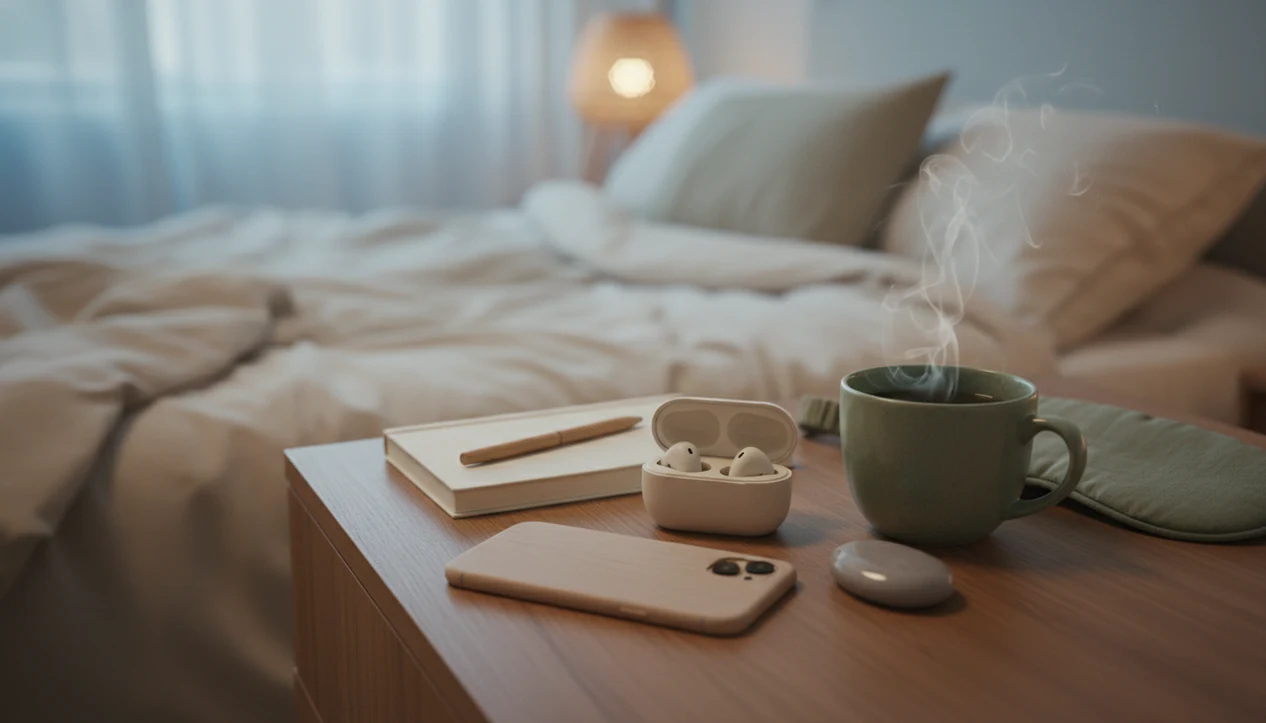


Useful remedies for an anxious mind include slow breathing, grounding, guided meditation, mindfulness, calming audio, movement, and a consistent sleep routine. These are coping supports, not instant cures or replacements for professional care. The practical distinction is timing: breathing and grounding can give attention a concrete target when anxious thoughts feel urgent, while meditation and a bedtime routine provide opportunities for repeated practice.
Meditation apps can supply guided sessions, breathing exercises, sleep audio, and self-hypnosis for adults seeking anxiety, sleep, and everyday calm support. A short practice is a reasonable starting point, without making immediate calm the goal. Anxiety that is severe, persistent, or interfering with daily life needs professional assessment, even when a coping tool offers temporary relief.
What helps, and when
- Use breathing and grounding first when anxious thoughts feel urgent.
- Use guided meditation, mindfulness, and sleep audio as daily practice tools.
- Seek professional help if anxiety is severe, persistent, or disrupting daily life.
Remedies for Anxiety Mind Quick Map
Remedies for an anxious mind are at-home coping tools that help calm thoughts, support sleep, steady focus, and reduce overwhelm. The useful split is simple: use in-the-moment tools when anxiety feels urgent, and daily practice tools when you want longer-term support.
Fast tools include slow breathing, grounding through the senses, stepping away from stimulation, or naming one next action. These fit the moment when a message arrives and your chest tightens before you open it.
Daily tools include guided meditation, mindfulness practice, calming audio, movement, and a repeatable wind-down routine. For many beginners, a 5 minute meditation for anxiety feels more realistic than trying to sit for 30 minutes.
Guided tools can fit here as support for breathing, meditation, sleep audio, and everyday calm. Calm apps deliver structure and repetition, not a medical cure.
Five Remedies for Anxiety Mind Facts to Know
- Anxiety remedies are coping tools, not guaranteed cures. They can reduce distress, but they do not diagnose or treat anxiety disorders.
- Breathing, mindfulness, and guided meditation are core low-friction practices because they can be started in two to ten minutes. No special room required.
- Sleep quality can intensify or soften anxious thinking. The 2:13 a.m. lock-screen check often feels worse because the body is tired and the room is quiet.
- Meditation is common enough to matter, but not magic. In the 2021 National Health Interview Survey, 11.3% of U.S. adults reported regular meditation use in the past year, per the CDC CDC guidance: db469.htm.
- Evidence is mixed but useful. A meta-analysis found moderate anxiety improvements from mindfulness-based therapy, while a Cochrane review found meditation programs may lead to small anxiety reductions after about three months of practice cochrane reference: BEHAV meditation therapy anxiety disorders.
Apps can support practice, but they do not replace therapy, medication, diagnosis, or emergency care.
How Remedies for Anxiety Mind Work
Remedies for anxiety mind work by giving attention a steadier target, lowering perceived urgency, and building repeatable cues for calm practice. They influence arousal and attention regulation, which simply means they help the body and mind shift out of alarm mode.
Slow breathing can move attention from racing thoughts to body signals. Counting the exhale, feeling the ribs drop, or noticing the floor under your feet gives the mind something concrete to follow.
Mindfulness trains a different skill: noticing thoughts without immediately reacting to them. The thought may still appear, but you practice seeing it as a mental event rather than an instruction.
Guided audio reduces decision fatigue. When the library offers a 5-minute breathing exercise and a 20-minute body scan, the choice matters less than pressing play and repeating the cue. Benefits vary, and they usually build through repetition, not one perfect session.
What meditation research actually shows for anxiety
A 2014 review of 47 randomized trials found moderate evidence that mindfulness programs improved anxiety, with an effect size of 0.38 at eight weeks and a smaller effect of 0.22 at three to six months. Those findings concern structured programs, not a particular recording or app. They support a realistic expectation of symptom improvement over time, rather than a promise that one session will stop anxious thinking.
App results are smaller on average. A 2023 meta-analysis of 45 randomized trials involving 6,082 participants found a small reduction in anxiety compared with controls. The authors called for better-quality trials and longer follow-up. These findings support apps as an accessible coping option, but do not establish that an app replaces clinician-delivered treatment or that every user will benefit.
How to Use Remedies for Anxiety Mind Daily
Use remedies for anxiety mind as a small daily routine, not a test you pass or fail. The most common medically supported way to build benefit is repeated practice combined with appropriate professional support when symptoms are persistent or severe.
- Notice the trigger. Name what started the spiral, such as a work ping, a body sensation, or a bedtime worry. Reflecting on fear and unmet needs may help you identify what reassurance or support you need.
- Choose breath or grounding. Try two minutes of slow exhaling, or name five things you can see.
- Play a short guided session. Pick a 2 to 10 minute practice before the anxious thought grows louder.
- Set a sleep wind-down cue. Dim the phone screen, lower the lights, and start calming audio at the same time most nights.
- Review what helped. Write one line afterward: “Breathing helped,” “audio helped,” or “I need another tool.”
A meditation app can be one place to choose guided meditation, breathing, sleep audio, or self-hypnosis sessions. If work stress is the main trigger, a meditation for work stress reset may be easier to repeat than a long general session.
Best Remedies for Anxiety Mind by Situation
Different anxious moments need different remedies. For urgent fear, start with the body; for looping thoughts, use guided attention; for bedtime worry, reduce stimulation and let audio support relaxation. For recurring fears tied to specific situations, phobia and fear meditation can offer coping practice alongside appropriate professional support.
| Situation | Remedy to try first | Best for | Not for |
|---|---|---|---|
| Immediate anxiety | Slow breathing or grounding | Lowering urgency | Curing panic or diagnosing symptoms |
| Overthinking | Guided meditation | Redirecting attention | Forcing thoughts to disappear |
| Bedtime worry | Sleep audio or body scan | Wind-down routine | Making sleep happen on command |
| Work focus stress | Short focus session | Resetting between tasks | Replacing workload changes |
| General stress | Mindfulness plus movement | Everyday calm practice | Emergency mental health needs |
Immediate anxious thoughts
For immediate anxious thoughts, breathing or grounding is often easier than meditation because the body needs a simple anchor first. Fingers tracing a jacket zipper can be enough to interrupt the rush.
Nighttime worry
For nighttime worry, sleep audio usually works best when it supports rest rather than demands sleep. If anxious sensations feel panic-like, panic attack meditation support should stay clearly separate from emergency care.
Daytime focus stress
For daytime focus stress, a short guided reset can help you return to one task. Keep it boring and repeatable.
Remedies for Anxiety Mind Tips for Better Sleep
Poor sleep can make anxious thoughts feel louder and harder to manage. Fatigue narrows perspective, and a quiet room gives the mind fewer outside signals to compete with worry.
Try a consistent wind-down window of 20 to 45 minutes. Reduce scrolling, dim bright light, and choose one calming cue: sleep audio, a body scan, slow breathing, or self-hypnosis. The half-empty water glass by the bed is fine; the endless phone loop is usually less helpful.
Sleep audio should support relaxation rather than force sleep. If you’re still awake, that does not mean you failed. You practiced a calmer routine.
For a more specific night routine, breathing exercises for anxiety at night can pair well with a short body scan.
Image caption suggestion: A phone playing a guided sleep meditation beside a dim bedside lamp, showing remedies for anxiety mind used during a bedtime wind-down.
App Support for Remedies for Anxiety Mind
MindTastik can support remedies for an anxious mind with guided meditation, sleep audio, breathing exercises, and self-hypnosis sessions. It fits best when someone wants structure without having to invent a calming routine from scratch.
Helpful app supports include:
- Guided meditation: A voice-led session can reduce the “what do I do now?” feeling.
- Breathing exercises: Short practices give anxious attention a steady rhythm.
- Relaxation audio: Calming sound can make a reset feel easier to begin.
- Sleep sessions: Bedtime tracks support a repeatable wind-down routine.
- Self-hypnosis sessions: Some adults use them as a focused relaxation practice.
An app helps most through reminders, short sessions, and choosing by mood or time of day. Apps such as Calm, Headspace, and MindTastik can support daily practice, but they should not replace diagnosis, therapy, medication, or urgent care when those are needed. The phrase “Best Meditation App for Sleep” should mean practical sleep support, not a promise to fix insomnia or anxiety.
When to Get Professional Help for Anxiety
Get professional help when anxiety is severe, persistent, happening most days, or interfering with work, school, sleep, relationships, or basic routines. Coping remedies can support calm, but they are separate from diagnosis, therapy, medication decisions, and crisis care.
A short breathing session may help you get through a tense moment. It cannot tell you whether symptoms are an anxiety disorder, panic disorder, trauma response, medical issue, or something else. Panic symptoms like chest tightness, racing heart, shaking, dizziness, or fear of losing control deserve careful support, especially if they are recurring. So do avoidance patterns, missed responsibilities, constant reassurance seeking, or sleep disruption that keeps stacking night after night.
- Contact a licensed clinician if anxiety is lasting, escalating, or shrinking your daily life.
- Ask about treatment options such as therapy, skills-based support, medication evaluation, or combined care.
- Use coping tools as support while you wait for care, not as proof that you should handle everything alone.
- Seek urgent help now through emergency services or local crisis resources if you feel unsafe or have thoughts of self-harm.
Short guided sessions for racing thoughts and physical tension
MindTastik’s guided meditation library suits adults who prefer spoken instructions to deciding what to do next. A brief guided practice can give racing thoughts a single focus; a body scan can direct attention to tension in the jaw or shoulders. Breathing exercises and sleep audio offer other ways to structure a reset or bedtime routine. People who find inward attention distressing may prefer sensory grounding or gentle movement. Persistent or disabling anxiety calls for clinical support, not an app alone.
What home anxiety remedies cannot do
Remedies for anxiety mind can be useful, but the limits matter. Clinicians typically recommend professional evaluation when anxiety is severe, persistent, unsafe, or disrupting daily life.
- Meditation and mindfulness are not proven cures for anxiety disorders.
- Average benefits may be modest and can require weeks or months of practice.
- Apps do not diagnose, treat, or replace professional mental health care.
- Results vary by person; one tool failing does not mean all tools fail.
- Breathing exercises can feel uncomfortable for some people, especially if body sensations trigger fear.
- Sleep audio can support relaxation, but it cannot force sleep.
- Guided sessions may not be enough when anxiety includes panic symptoms, avoidance, or major daily disruption.
- Seek professional or emergency help if anxiety is severe, persistent, includes self-harm thoughts, or feels unsafe.
A supportive practice should feel manageable. If it starts to feel like pressure, reset the plan.
When Worry Spikes
| If you... | Try | Why | Note |
|---|---|---|---|
| Your thoughts are racing and you keep jumping from one concern to the next | A short guided voice with one simple instruction, such as counting each exhale | A narrow cue gives the mind less to negotiate and may make the first minute easier to enter. | Keep the session brief; a long practice can feel like another task when anxiety is high. |
| Your chest feels tight or your breathing feels shallow | Steady breath practice with a longer counted exhale | A counted exhale can provide a calm structure without asking you to force relaxation. | Stop or return to normal breathing if breathwork feels uncomfortable. |
| Your shoulders, jaw, or hands feel tense | A shoulder drop, gentle body scan, or grounding practice | Physical tension often needs a physical cue before mental reassurance feels reachable. | Use light attention rather than trying to “fix” every sensation. |
| You feel too restless to sit still | A walking reset followed by a 3-minute breathing exercise | Movement can lower the barrier to practice and make stillness feel less abrupt. | This is support for regulation, not a substitute for care when anxiety feels unmanageable. |
When inward attention makes anxiety worse
Meditation does not feel calming for everyone. NCCIH’s meditation safety summary describes a review of more than 12,000 participants in which approximately 8% reported negative effects, most commonly anxiety and depression. That estimate is not a prediction for a particular person or session, but it is a reason to take worsening symptoms seriously rather than treating them as a failure to practice correctly.
If focusing on breathing or body sensations increases fear, stop the exercise and return to ordinary breathing. An external cue, such as naming visible objects or feeling the floor under the feet, may be a more manageable alternative. New or worsening panic, dissociation, intrusive memories, insomnia, or depression warrants professional advice. Continuing a distressing meditation is not necessary, and practice should never delay assessment of severe symptoms or safety concerns.
For paced breathing you can open in seconds, MindTastik breathing exercises keeps short exercises ready between meetings or before sleep.
Questions about calming an anxious mind
How can I calm an anxious mind in the moment?
Start with one simple physical cue: breathe gently with a slightly longer exhale, press the feet into the floor, or name objects in the room. Try about a minute rather than demanding immediate calm. These tools may reduce urgency, but they do not resolve every trigger or replace care for recurring panic.
What is the 5-4-3-2-1 grounding technique for anxiety?
Name five things that are visible, four things that can be felt, three sounds, two smells, and one taste. The exercise gives attention a concrete task outside the worry loop. It is a coping tool, not a treatment for an anxiety disorder, and another sensory cue may feel easier during intense distress.
Why does my anxious mind get worse at night?
Fatigue can make anxious thinking harder to manage, and a quiet room leaves fewer distractions from worry. A repeatable wind-down routine can reduce evening stimulation: lower the lights, reduce scrolling, and choose one calming activity. Sleep audio or a body scan may support relaxation, but neither can make sleep happen on command.
Can meditation stop overthinking completely?
Meditation usually aims to change how attention responds to thoughts, not to remove thoughts altogether. A guided voice or counted exhale can provide a focus when worry repeats. Average anxiety benefits in research are modest, so continuing thoughts do not mean the practice has failed. Persistent, disruptive worry may need professional treatment.
When should I get professional help instead of using home remedies?
Seek assessment when anxiety is severe, persistent, or interfering with sleep, work, relationships, or basic routines. Recurring panic and avoidance also deserve attention. Coping exercises can remain useful alongside care, but they cannot diagnose the cause. If anxiety feels unsafe or involves self-harm, contact local emergency services or a crisis line right away.
Can caffeine make anxiety symptoms worse?
Caffeine can increase jitteriness, a racing heartbeat and sleep problems, which may intensify anxiety for some people. Try reducing your intake gradually and avoiding caffeine later in the day. Remember that tea, energy drinks and some medicines also contain caffeine. Notice whether your symptoms change as you cut back.
How can journaling help with anxious thoughts?
Journaling can help you identify worries, recognize patterns and separate facts from feared outcomes. Spend a few minutes writing what is bothering you, then note one practical step you can take. If writing becomes repetitive or increases distress, pause and switch to a calming activity rather than analyzing every thought.
What type of exercise can help reduce anxiety?
Walking, cycling, swimming and gentle yoga may help ease anxiety and support better sleep. Choose an activity you enjoy and begin with a manageable amount, such as a short walk. Regular movement matters more than intense workouts. If exercise sensations trigger anxiety, start gently and increase your pace as you feel comfortable.