
What to Do When Self Care Feels Like a Burden
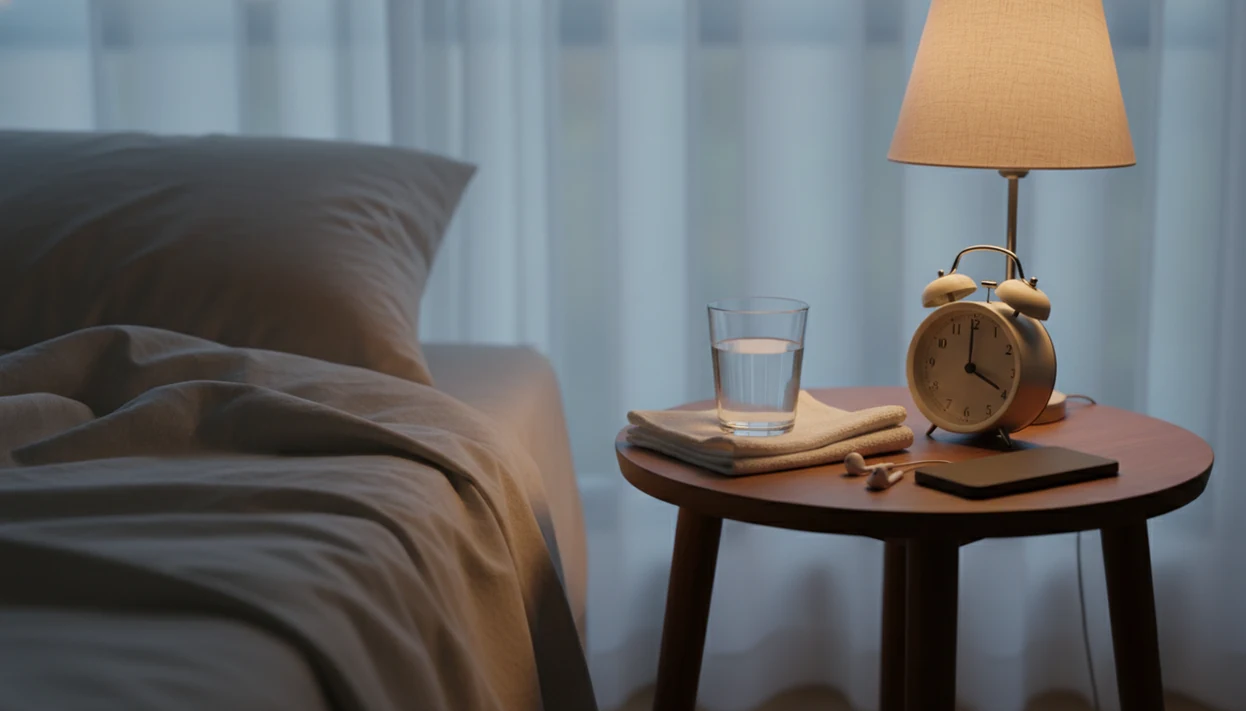


When self care feels like a burden, the most useful starting point is one small action that reduces the load: a sip of water, a breath, a short guided meditation, or a request for help. The phrase describes a point when sleep, food, hygiene, movement, rest, or meditation feels like extra work rather than relief. Stress, burnout, anxiety, depression, sleep debt, and caregiving overload can all contribute; difficulty starting is not evidence of laziness.
Micro-care means reducing care to 30 seconds to 5 minutes, matched to the energy available that day. The aim is to make basic needs easier to meet, not to complete a perfect routine. Guided meditation, sleep audio, and breathing exercises can offer a starting point, but they cannot replace professional care.
What matters on depleted days
- Self care feeling heavy is often a sign of stress, burnout, anxiety, depression, sleep debt, or caregiving overload, not laziness. If low mood follows a seasonal pattern, mindfulness for winter blues may offer gentle support alongside appropriate professional care.
- The most practical fix is to replace ideal routines with micro-care: 30 seconds to 5 minutes of care matched to your current capacity.
- Guided meditation, sleep audio, and breathing exercises can lower the effort to begin, but they are support tools rather than replacements for professional care.
Why self care feels like a burden when stress drains motivation
Self care feels heavy when your body and mind are already spending most of their energy getting through the day. Planning a meal, showering, meditating, or going to bed on time can start to feel like another unpaid task.
Stress can narrow your patience and weaken executive function, which is the set of skills that helps you start, sequence, and finish tasks. Anxiety may add urgency. Low mood may add the thought, “Why bother?” Then the guilt loop starts: you skip care, feel ashamed, get more stressed, and the next attempt feels even harder.
You are not lazy.
In 2022, 27.8% of U.S. adults reported recent symptoms of anxiety or depressive disorder, according to CDC Household Pulse Survey data (CDC guidance: mental health.htm). That matters because reduced motivation is common when distress is high, not a personal failure. A brief breathing pause that eases shoulder tension is a useful form of care.
Self care burden guide: 5 facts to remember
- Self-care is maintenance, not luxury. Food, sleep, hygiene, movement, rest, connection, and emotional regulation are basic human upkeep.
- Small habits usually last longer than dramatic routines. For someone depleted, three breaths can be more realistic than a 45-minute wellness plan.
- Sleep changes coping capacity. Per CDC MMWR data, 48.1% of U.S. adults sleeping under 7 hours reported frequent mental distress, compared with 28.8% sleeping 7 to 9 hours (CDC guidance: mm7308a1.htm).
- Meditation has modest evidence, not magic. A meta-analysis of 47 randomized trials found small to moderate improvements in anxiety, depression, and pain with mindfulness meditation programs PubMed research: 24395196.
- Structure lowers decisions. Tools like MindTastik can make starting easier by offering guided meditation, sleep audio, breathing exercises, and self-hypnosis sessions in one place.
How self care burden works in the brain and body
Self care burden happens when stress, poor sleep, anxiety, or low mood reduces the mental energy needed to start helpful actions.
Under strain, the brain leans toward threat scanning and short-term survival. Planning capacity drops. Emotional regulation gets thinner. The ordinary steps of care, choosing a session, changing clothes, making food, can feel strangely complicated.
Anxiety can make rest feel unsafe, as if pausing will let something bad happen. Low mood can flatten reward, so even helpful actions feel pointless before they begin. That is why a person may stare at a crowded app screen and feel defeated by meditation categories, even though they came there for relief. If rest brings a stream of imagined problems, practicing how to stop what-if thinking may make pausing feel less threatening.
Pre-structured audio can lower activation energy. You press play and follow one voice instead of designing a routine from scratch. For anxious nights, breathing exercises for anxiety at night can also give the body a simple pattern to follow.
How to use micro self care in 3 to 6 steps
For overloaded days, micro self care works by making the first step almost too small to refuse. Choose the action that creates the least resistance, not the one that looks most impressive.
- Name your capacity. Say “low,” “medium,” or “higher” before choosing anything.
- Pick one tiny action. Try three breaths, one glass of water, or washing your face.
- Use a short timer. Choose a three-minute guided meditation, a five-minute walk, or one quiet song.
- Reduce the setup. Lie down with sleep audio, dim the screen, and let the session start.
- Reset after bad days. Do less instead of quitting; one breath still keeps the thread.
- Repeat the easiest version. If it helped by 2%, use that version again tomorrow.
MindTastik offers short guided practices for sleep, anxiety support, focus, and everyday calm when choosing on your own feels like one more task. For a fast starting point, a 5 minute meditation for anxiety support may be enough.
Self care burden tips by 3 energy levels
The right self care level is the one you can actually do today. Matching care to energy prevents the all-or-nothing pattern that makes people quit.
| Energy level | What it may feel like | Try this instead |
|---|---|---|
| Very low | Heavy body, foggy mind, no patience for choices | Take three slow breaths, drink water, use a hygiene shortcut, lie still, or play sleep audio |
| Medium | Some energy, but easily overwhelmed | Try a short guided meditation, simple meal, support text, or brief walk |
| Higher | Able to plan without immediate resistance | Prep tomorrow’s breakfast, move for 15 minutes, organize medication or appointments, or use a longer calming session |
A blanket pulled to the chin with audio playing softly is not a failed routine. It is a low-energy version of care. For workday overload, meditation for work stress can fit better than waiting for a quiet evening that never arrives. When work worries build before Monday, practices for the Sunday scaries can support a quieter transition into the week.
Self care burden for caregivers and people-pleasers
“Why does self care feel selfish when I am caring for everyone else?” It often feels selfish because caregiving and people-pleasing train your attention outward, until your own needs seem optional or inconvenient.
The CDC reports that about 1 in 5 U.S. adults provide unpaid caregiving, and caregivers report higher levels of frequent mental distress than non-caregivers (CDC guidance: index.htm). That makes sense. If someone else’s medication, meals, rides, or emotions depend on you, your own rest may feel unavailable.
Guilt is a signal to simplify boundaries, not proof that rest is wrong. Try one plain script: “I need 10 minutes alone, then I can come back.” Or, “Can you handle one task tonight?” Before sleep, a guided session can mark a small handoff from helper mode to rest mode.
Tiny boundary. Real care.
Best-fit and not-fit cases for self care burden support
Micro-care and app-based meditation support are most useful when the problem is overload, decision fatigue, or difficulty beginning. They are not enough for danger, crisis, or symptoms that require professional care.
| Best for | Not ideal for |
|---|---|
| ✅ Overloaded adults who need a smaller starting point | ❌ Suicidal thoughts or risk of self-harm |
| ✅ Meditation beginners who want step-by-step guidance | ❌ Severe depression that makes basic functioning impossible |
| ✅ Anxious overthinkers who need a short reset | ❌ Trauma crisis, unsafe housing, or ongoing violence |
| ✅ People with sleep struggles who need a wind-down cue | ❌ Debilitating panic or symptoms needing clinical support |
| ✅ People who need low-effort structure | ❌ Situations where an app is being used instead of urgent help |
MindTastik is a meditation app for guided meditation, sleep audio, breathing exercises, and self-hypnosis, not a therapy replacement. If panic is part of the pattern, panic attack meditation support should be paired with safety planning and appropriate care.
When to seek professional help
Seek professional help when self care struggles come with danger, severe symptoms, or a noticeable drop in daily functioning. Micro-care can support you through a hard moment, but it is not diagnosis, therapy, medical treatment, or crisis care.
Use tiny practices as a bridge, not a barrier, to human support. Red flags include thoughts of self-harm, feeling unable to stay safe, panic that feels unmanageable, severe depression, trauma symptoms such as flashbacks or feeling constantly on alert, or fear that you might hurt yourself or someone else. Functional signs matter too: not sleeping, not eating, missing work repeatedly, withdrawing from relationships, or being unable to keep up with basic responsibilities.
- Call emergency services now if there is immediate danger or you may harm yourself.
- Contact a crisis line if you need urgent support but are not sure what to do next.
- Tell one safe person what is happening so you are not carrying it alone.
- Book therapy or primary care when symptoms persist, worsen, or keep interrupting sleep, food, work, or relationships.
- Keep micro-care small while you wait for help: breathe, drink water, sit somewhere safe, and reduce demands.
Persistent exhaustion is not automatically stress
A smaller routine can reduce demands, but it does not explain persistent exhaustion. Sleep problems, mood symptoms, medication effects, and physical illness can also contribute to fatigue. A clinician can assess these possibilities rather than assuming stress is the cause. A systematic review of chronic stress biomarkers also found varied evidence, with no single marker that establishes a diagnosis of chronic stress.
Feeling depleted does not establish that cortisol is high, and a single cortisol result is not proof of a stress disorder. The NIDDK guidance on Cushing’s syndrome describes diagnosis through medical history, examination, and laboratory testing. When exhaustion persists or comes with unexplained physical changes, assessment is more useful than adding a stricter wellness routine or treating symptoms as a hormone diagnosis.
Common mistakes that make self care burden heavier
The most common mistake is turning care into another performance review. If your routine makes you feel more judged, it needs to get smaller. When care becomes self-judgment, learning how to stop your inner critic can make small efforts feel more acceptable.
- The Social Media Copy: Borrowing someone else’s morning routine can backfire if their life, energy, money, and support look nothing like yours.
- The Wellness Checklist: Meditation, sleep, nutrition, movement, and journaling can become another set of boxes to fail.
- The Motivation Wait: Waiting to feel ready often delays care. Start with the smallest action first; motivation may follow later.
- The One-Session Verdict: Quitting because one meditation did not bring relief ignores how practice usually builds over time.
- The Intensity Trap: Consistency, smallness, and compassion usually beat dramatic resets.
For anxious spirals, calming meditation for anxiety support works better when it is treated as practice, not a pass-fail test.
Guided pauses when choosing feels like work
MindTastik’s guided meditation library offers spoken sessions for moments when following a voice feels easier than directing a practice alone. Breathing exercises or sleep audio may suit someone who wants a simple pause without reflection or journaling. There is no need to add several formats to a daily checklist.
Someone who finds audio irritating, meditation distressing, or basic tasks increasingly unmanageable should choose another form of support. Practical help or professional assessment may matter more than another session.
When smaller self-care steps are not enough
Self care advice has limits, especially when distress is severe or life circumstances are unstable. Clinicians typically recommend professional support when symptoms impair safety, functioning, sleep, eating, work, or relationships.
- Meditation and mindfulness are not replacements for professional treatment during severe depression, suicidal thoughts, trauma crisis, or debilitating anxiety.
- Some people do not respond well to certain breathwork, meditation styles, tracking, or self-monitoring. If a practice makes you feel worse, stop and choose another support.
- Micro-practices are practical for starting, but they may not create dramatic immediate symptom relief.
- In large depression-treatment studies, a substantial share of people with major depressive disorder have only partial response or persistent symptoms after initial treatment, which means functioning can remain difficult even with care (PubMed research: 17074942).
- Unstable housing, safety concerns, finances, caregiving demands, and medical needs can make self-care advice alone feel unrealistic.
- If you are in immediate danger or may harm yourself, contact emergency services or a crisis line in your country now.
The most practical way to rebuild self care is to pair tiny repeatable actions with the right level of human support.
When Worry Spikes
If this sounds like you, do not start with a full self-care routine; start with a steady breath and one shoulder drop. Try one counted exhale, such as breathing in for two and out for four, then decide whether you have enough capacity for a short guided voice. A useful reset is the one small enough to begin while your thoughts are still racing.
Choose a practice with fewer decisions
You feel tense but do not want to think.
Choose a breathing exercise with simple counts rather than a reflective meditation. Counting gives the mind a narrow task, which may feel easier when self care already feels like another demand.
You keep restarting because you are doing it imperfectly.
Use a short guided meditation and let the voice carry the structure. The goal is not flawless focus; the goal is returning gently without turning the practice into another performance.
You are too depleted to choose anything.
Pick the shortest familiar option, even if it feels almost too small. Repeating a low-friction practice often builds more trust than forcing a long session when your system is already overloaded.
When you need a body-first reset before meditation, MindTastik breathing exercises offers simple breathing patterns you can follow along.
Questions about self-care overload
Why does self care feel like another chore?
Self care still requires decisions, time, and effort. When stress, poor sleep, anxiety, or low mood already uses much of that capacity, even helpful tasks can feel demanding. Start by separating basic needs from optional routines. Food, water, rest, and needed support can take priority over journaling or a longer meditation.
Am I lazy if showering or making food feels difficult?
Difficulty with basic care is not proof of laziness. It can occur with overload, sleep debt, anxiety, depression, or other causes of exhaustion. A simpler meal or hygiene shortcut may help on a depleted day. Persistent difficulty eating, washing, sleeping, or managing daily responsibilities deserves professional attention, not harsher self-judgment.
What is the smallest useful self-care action?
A sip of water, washing the face, three comfortable breaths, or sending one request for help can be enough for a starting point. Choose an action that meets an immediate need rather than an arbitrary target. Small steps reduce the effort of beginning, but they do not replace adequate food, sleep, or medical care.
Why do I feel guilty when I rest?
Caregiving and people-pleasing can make other people’s needs feel urgent while personal needs seem optional. Rest may then feel like neglecting a responsibility. A specific request, such as asking someone to cover one task during a short break, can be more practical than trying to eliminate the guilt before resting.
Should I meditate if meditation feels like more work?
Meditation does not have to be the first choice. Water, food, a quieter space, or help with a task may meet the immediate need better. If meditation seems manageable, try a brief guided session rather than a demanding routine. Stop if the practice increases distress; forcing it is not necessary.
How can I stop turning self care into a checklist?
Choose one current need instead of several daily targets. Hunger calls for food, exhaustion may call for rest, and overload may call for help with a responsibility. Leave optional practices off the list on low-capacity days. A routine that repeatedly adds shame or pressure needs adjustment, not stricter enforcement.
When should I seek help because self care feels impossible?
Seek professional support when difficulty with care persists or affects eating, sleeping, work, relationships, or basic functioning. Severe depression, unmanageable panic, and trauma symptoms also need more than a smaller routine. Thoughts of self-harm or an inability to stay safe call for urgent human support, not a meditation session.