
Sunday Scaries: A Practical Guide to Calmer Sunday Nights
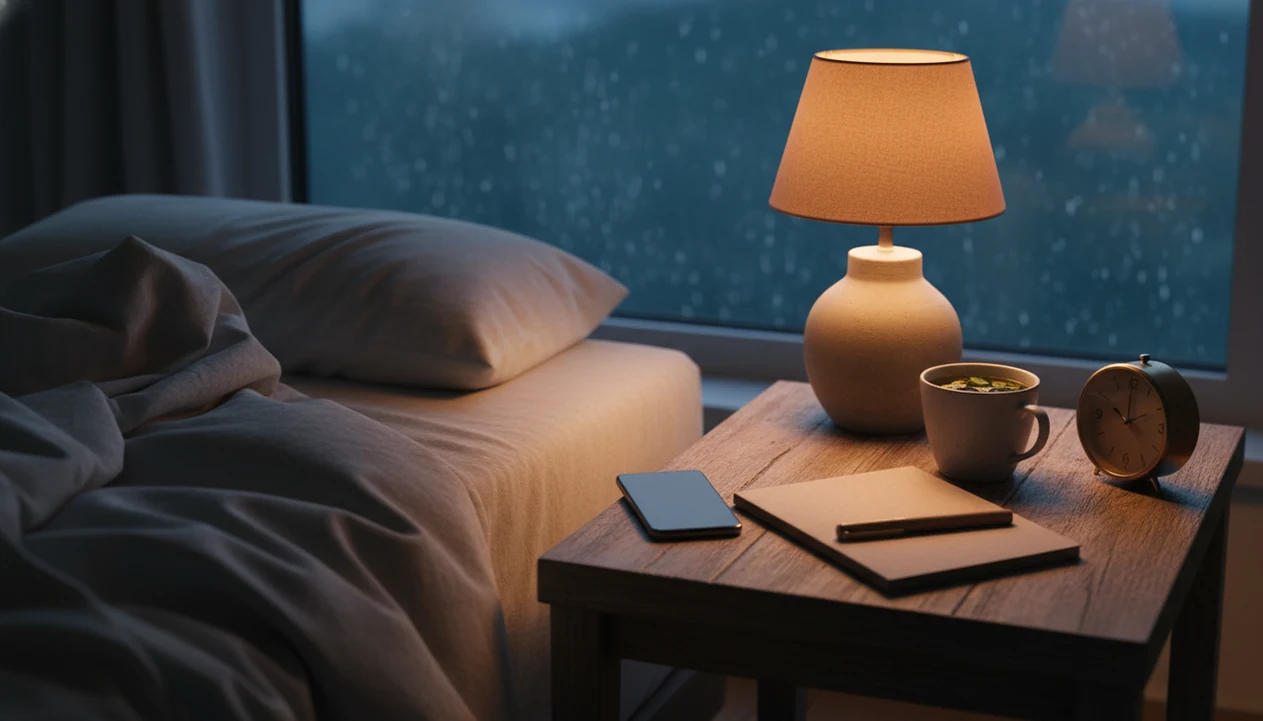


Sunday scaries are anxious, uneasy feelings that arise as the weekend ends and Monday’s demands draw closer. This form of anticipatory anxiety can involve work, school, caregiving, or other responsibilities. It is not an official clinical diagnosis, and it does not mean someone is bad at relaxing. Unfinished tasks, workload, blurred boundaries, and worries about sleep can all contribute.
A useful response is a short, repeatable Sunday routine: name the worry, write down Monday’s first steps, move a little, calm the body, and protect bedtime. Guided meditation, breathing exercises, sleep audio, and self-hypnosis can support the calming part. They cannot resolve an unreasonable workload or replace medical or mental health care when anxiety becomes intense, persistent, or disruptive.
The essentials
- Sunday scaries are usually about anticipation, unfinished tasks, workload, boundaries, and sleep, not simply being bad at relaxing.
- A practical Sunday routine combines planning, movement, mindfulness, and a wind-down routine before bed.
- Guided meditation, breathing exercises, sleep audio, and self-hypnosis can support the calming part, but they are not replacements for medical or mental health care.
What Sunday scaries mean on a normal Sunday night
Sunday scaries are anxious, uneasy feelings that appear when the weekend is ending and Monday starts to feel close. People also call this Sunday night dread or Sunday blues, especially when the feeling arrives around dinner, bedtime, or the first glance at Monday’s calendar.
It is not an official clinical diagnosis. It is better understood as a common form of anticipatory anxiety, where the mind starts reacting to future demands before they have happened.
That distinction matters. You are not failing at rest because your brain starts listing emails, meetings, school deadlines, or caregiving tasks at 7:40 p.m. on Sunday. The feeling is often a signal that something needs attention, not proof that you are weak.
The pillow flip for the cold side can become the moment the whole week replays.
Five Sunday scaries facts worth knowing first
- Sunday scaries are usually anticipatory anxiety. The stress is often about what comes next, not what is happening in the room right now. Practicing staying present when afraid can help you reconnect with your surroundings when thoughts race ahead to Monday.
- Common triggers include workload, emails, meetings, school pressure, and poor boundaries. A work inbox on a personal phone can make Monday arrive early.
- Unfinished tasks and rumination can intensify the feeling. The brain keeps reopening loops it does not know how to close. When relationship loss adds to Sunday rumination, learning how to mend a broken heart may offer more relevant support.
- Mindfulness, movement, sleep routines, and Monday preparation are common coping tools. For a quick body reset, a 5 minute meditation for anxiety can be easier than a long session.
- Weekly stress is common. In broader stress data, the American Psychological Association reports frequent stress patterns among U.S. adults (APA research), and Pew found that 38% of workers say their job is stressful most or all of the time (Pew Research report: how americans view their jobs).
A bit of reassurance: plenty of people meet Sunday night with a stone on the mat, a half-filled journal page, and the same wish for a calmer start to the week.
How Sunday scaries work in the brain and body
Sunday scaries work through anticipatory anxiety, rumination loops, and body arousal. The mind predicts future demands, then treats them as if they need solving now.
A vague Monday is harder to calm than a specific one. “I have too much to do” keeps spinning, but “I will answer the budget email first” gives the brain a place to land. Boundary leaks also matter. Checking one Sunday email can reopen the workday in your nervous system. If work worries turn into frustration, mindfulness for anger can help you pause before reacting.
Sleep adds another loop. Worry can delay sleep, poor sleep can make anxiety feel louder, and Monday focus can suffer. The CDC reports that more than one in three U.S. adults do not get enough sleep regularly, which gives Sunday anxiety less room to settle.
For people whose dread is mainly work-linked, a meditation for work stress reset may help separate planning from spiraling.
How to use a Sunday scaries routine before Monday
A Sunday scaries routine works best when it is short, repeatable, and done before bedtime panic starts. Do it early enough that your brain is not negotiating with exhaustion.
- Write down the worries in plain language, even if they sound messy.
- Choose Monday’s first task, not the whole week’s solution.
- Move for 10 minutes, such as a walk, stretching, or slow stairs. If low mood accompanies your Sunday stress, meditation and running for depression may offer complementary coping ideas.
- Set one boundary, like no inbox checking after a chosen time.
- Use a brief reset, such as breathing, guided meditation, or sleep audio.
- Dim the phone screen before bedtime audio if you use an app.
Tools such as Calm, Headspace, and sleep-focused meditation apps can support the calming part with guided meditation, breathing, sleep audio, and self-hypnosis.
Best Sunday scaries tips for sleep, anxiety, and focus
The most useful Sunday scaries tips match the coping tool to the actual problem. Racing thoughts, body tension, poor sleep, and Monday overwhelm need slightly different responses.
| Problem on Sunday | Useful tip | Why it helps |
|---|---|---|
| Racing thoughts | Write worries and choose Monday’s first step | Reduces vague rumination |
| Body tension | Walk, stretch, or do light exercise | Movement can lower anxious arousal |
| Poor sleep | Use a steady wind-down routine | Repetition tells the body what comes next |
| Monday overwhelm | Prepare one visible starting point | Removes the first decision |
| Boundary stress | Stop work messages at a set time | Keeps Sunday from becoming Monday |
A large mindfulness meta-analysis found small to moderate reductions in anxiety symptoms, and an exercise review supports movement as an anxiety coping tool. For many people, a short breathing practice is easier to repeat than a long sit; breathing exercises for anxiety at night are built for that window.
Best for and not for Sunday scaries support
Self-guided Sunday scaries support fits predictable, mild-to-moderate unease. It is not the right container for panic symptoms, severe impairment, or anxiety that spreads across most days.
Best for: - Predictable Sunday unease: You feel it most Sundays, but you can still function. - Mild anticipatory anxiety: The worry is uncomfortable, not overpowering. - Trouble winding down: You want a simple guided routine when your mind keeps circling. - Students, workers, and caregivers: You may like your role and still dread Monday’s demands.
Not ideal for: - Panic symptoms: Chest tightness, terror, or fear of losing control needs more support. - Persistent insomnia: Weeks of poor sleep deserve professional guidance. - Severe impairment: If Sunday anxiety disrupts work, school, or relationships, do not rely on self-care alone.
A meditation or sleep-audio app can support everyday calm, but it should not replace therapy, medication, emergency help, or a clinician’s advice.
When to Get Professional Help for Sunday Scaries
Get professional help when Sunday scaries include panic symptoms, ongoing sleep loss, or distress that seriously interferes with your life. A routine can steady mild dread, but it is not meant to handle emergencies or untreated anxiety on its own.
Some signs are worth treating as escalation points, especially if they keep repeating or getting stronger:
- Notice panic-like symptoms such as chest tightness, racing heart, shaking, terror, or fear that you might lose control.
- Track insomnia that lasts for weeks, makes Mondays unsafe or unworkable, or does not improve with a consistent wind-down routine.
- Name severe impairment, such as missing work or school, avoiding basic responsibilities, or pulling away from relationships because of dread.
- Watch whether the anxiety is no longer mostly Sunday-based and has started spreading across many days of the week.
- Contact a licensed mental health professional or a primary care clinician for assessment, care options, and next steps. If suicidal thoughts are also present, seek urgent crisis support rather than relying on mindfulness for suicide prevention alone.
Meditation, breathing, sleep audio, and routines can be supportive tools. They are not emergency interventions, and they should not delay urgent medical or mental health care.
Visible Sunday scaries questions people ask
What triggers Sunday scaries?
Workload, school pressure, unfinished tasks, meetings, emails, and weak boundaries commonly trigger Sunday scaries. The crowded app screen, the calendar badge, the unread subject line, all of it can make Monday feel immediate.
Why are Sunday nights worse?
Sunday nights are worse because there are fewer distractions and the transition into responsibility feels close. Quiet gives rumination more space.
Can mindfulness help Sunday scaries?
Mindfulness can help some people notice worry without chasing every thought. A supportive calming meditation for anxiety support works best when paired with planning and boundaries.
Is Sunday dread burnout?
Sunday dread is not always burnout. If dread is constant, tied to exhaustion, cynicism, and reduced functioning, it may point to a broader work or life stress pattern.
A short guided reset for Sunday evening
MindTastik’s guided meditation library suits the calming part of a Sunday routine, particularly when racing thoughts make silent practice difficult. Choosing a short session before Sunday evening removes one decision. Breathing exercises may suit physical tension, while a sleep story offers an alternative when the aim is to stop planning and settle toward rest.
These sessions are support tools, not medical treatment. Panic symptoms, persistent insomnia, or anxiety that disrupts daily life call for professional assessment rather than another audio session.
What a Sunday routine cannot fix
Sunday scaries advice has limits, and naming them makes the routine safer.
- Sunday scaries is not an official clinical diagnosis, so definitions vary.
- Meditation, journaling, exercise, and sleep hygiene are not guaranteed fixes.
- Sleep hygiene can help, but it cannot repair an unreasonable workload by itself.
- Direct research on Sunday scaries specifically is limited; much advice comes from broader stress, sleep, and anxiety research.
- If anxiety includes panic, persistent insomnia, or distress across multiple days, professional support may be needed.
- If Monday dread comes from unsafe work, harassment, financial pressure, or caregiving overload, breathing exercises alone are not enough.
- MindTastik supports meditation, sleep audio, breathing exercises, and self-hypnosis, but it does not replace clinical care.
Clinicians typically recommend getting help when anxiety causes persistent impairment, panic, or sleep disruption that does not improve with basic supports.
A Calmer Starting Point
The smallest useful change is often choosing the first instruction before Sunday evening gets emotionally crowded. A steady breath, a shoulder drop, and one simple line such as “I only need the next step” can make the routine feel less like another task. Sunday calm tends to build from fewer decisions, not from a more complicated plan.
Three brief resets for Sunday breathing, tension, and racing thoughts
| Technique | Best for | Minutes |
|---|---|---|
| 4-count inhale, 6-count exhale | settling shallow breathing before planning Monday | 3-5 min |
| Shoulder drop body scan | noticing physical tension without overanalyzing it | 5-8 min |
| Short guided reset | racing thoughts that need structure | 7-12 min |
When you need a body-first reset before meditation, MindTastik breathing exercises offers simple breathing patterns you can follow along.
Sunday night anxiety questions
Why do I get anxious on Sunday even when I like my job?
Liking a job does not remove its demands. Sunday anxiety can come from unfinished tasks, a crowded Monday calendar, work messages during time off, or uncertainty about where to start. The feeling may reflect the transition back to responsibility rather than dissatisfaction with the job itself.
How can I calm Sunday scaries before bed?
Start before bedtime: write down the main worry and one concrete first step for Monday, then stop planning. Follow with gentle movement and a brief breathing or guided meditation session. Keep the wind-down routine simple. Trying to solve the entire week in bed can keep attention fixed on tomorrow.
Should I check work emails on Sunday to feel more prepared?
Checking email can make work feel immediate and reopen worries during time off. A brief plan for Monday may be more useful than repeatedly checking messages. Where work expectations allow, set a clear stopping time and prepare one starting task without turning Sunday evening into an extra work period.
Can meditation stop Sunday night overthinking?
Meditation may help with noticing a worry without following every thought, but it is not a guaranteed way to stop overthinking. Pair a short practice with a written next step and a work boundary. One calming session cannot resolve an excessive workload or establish lasting relief on its own.
What if Sunday scaries keep me awake?
Move planning out of bed and earlier into the evening. Write down Monday’s first task, then use a steady wind-down routine rather than continuing to problem-solve. If sleep loss lasts for weeks, affects daytime functioning, or does not improve with a consistent routine, seek professional support.
Are Sunday scaries a sign of burnout?
Sunday scaries alone do not establish burnout or another clinical condition. They can reflect ordinary anticipation, but recurring dread may also point to workload or boundary problems. Anxiety that spreads beyond Sundays, exhaustion, or difficulty functioning deserves closer attention rather than being dismissed as a normal weekend feeling.
When should I get help for Sunday scaries?
Seek professional support when Sunday anxiety includes panic symptoms, ongoing insomnia, missed responsibilities, or distress across several days. A self-guided routine is better suited to predictable, manageable unease. Thoughts of self-harm or an immediate inability to stay safe require urgent help, not meditation alone.