
The Best Ways to Deal with Your Fear of Flying
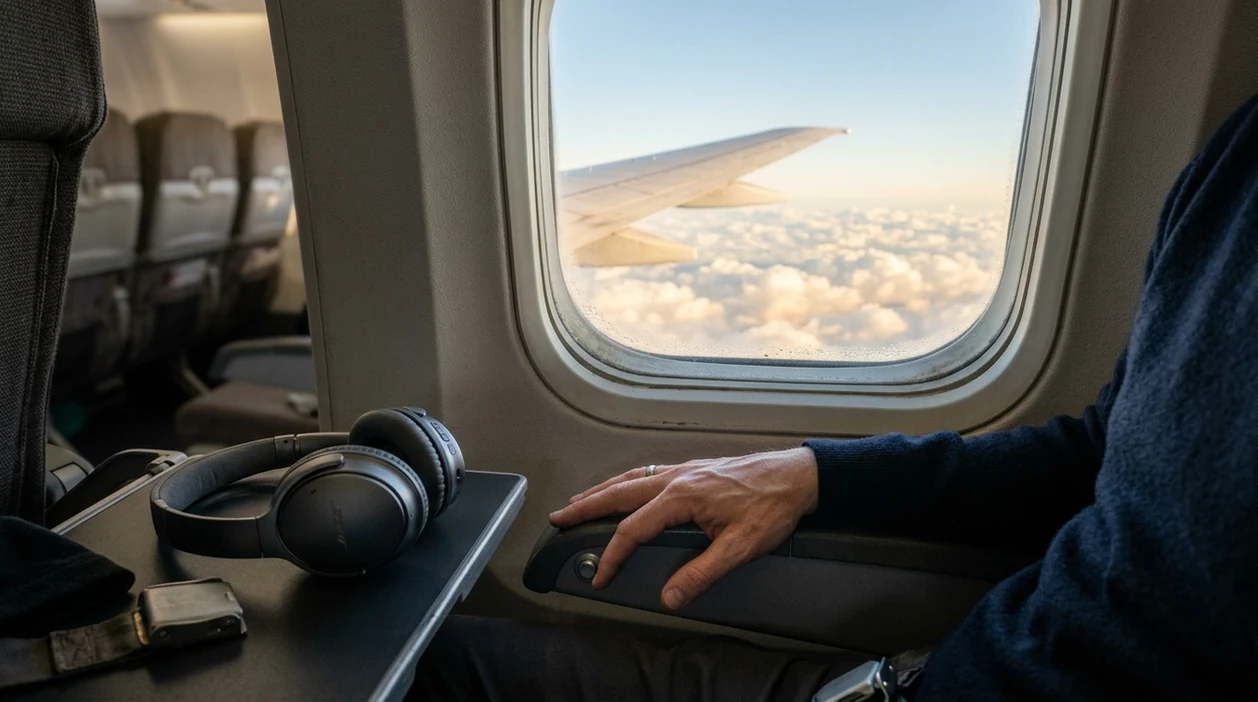


The best ways to manage fear of flying are to identify the main trigger, prepare before departure, use slow breathing and grounding during the flight, and seek professional support when fear is severe. Common triggers include turbulence, takeoff, heights, a confined cabin, loss of control, and panic sensations. A useful plan makes room for anxiety rather than requiring complete calm before boarding.
Familiar guided audio can provide a repeatable routine at the airport, during takeoff, and before landing. MindTastik offers wellness audio for adults, including meditations, sleep tracks, breathing practices, and self-hypnosis sessions. These can support rest and anxious moments, but they are not medical treatment. Severe panic, substance use, or avoidance of necessary travel calls for qualified clinical help.
The flight anxiety essentials
- Fear of flying is common, treatable, and often linked to specific triggers such as turbulence, loss of control, heights, claustrophobia, or panic sensations.
- The strongest self-help plan combines pre-flight practice, factual reassurance about air travel, breathing exercises, grounding, guided meditation, sleep support, and planned distractions.
- Meditation and breathing can support anxiety management, but severe flying phobia, panic attacks, substance use, or essential-travel avoidance should be discussed with a qualified clinician.
How the best ways to deals look
Side-by-side captures of the compared products. Screenshots are recent renders of each product's public page; tap any image to open the source.
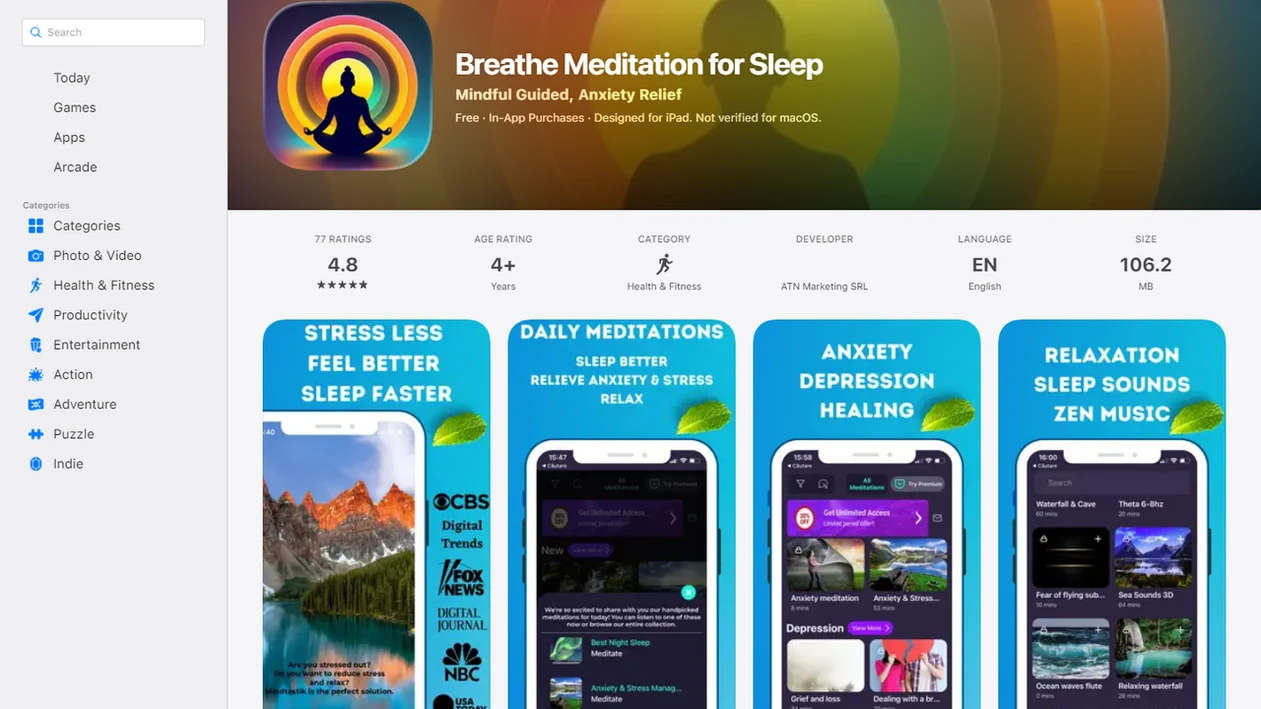
At a glance: fear of flying tools by flight stage
The goal is manageable anxiety, not guaranteed fearlessness. A good fear-of-flying plan uses several tools at different moments: prepare, learn, breathe, ground, meditate, distract, sleep, and seek help when needed. Practicing acceptance of difficult emotions can help you make room for fear without requiring it to disappear before boarding.
| Flight stage | Coping tool |
|---|---|
| 1 to 2 weeks before | Practice breathing, guided meditation, and basic flight facts |
| Night before | Use sleep audio, pack early, reduce caffeine and scrolling |
| Airport wait | Play a familiar guided session and read your coping card |
| Takeoff | Use long exhales, feet pressure, and a planned audio track |
| Cruise or turbulence | Ground through the seat, name facts, continue slow breathing |
| Landing | Keep attention on the next small action, not the whole descent |
Tools like MindTastik can support practice, sleep, and familiar in-flight audio. They are not medical treatment.
Five fear of flying facts that calm catastrophic thoughts
These fear-of-flying facts help separate alarm from evidence. The aim is not to argue with every anxious thought, but to give your brain something steadier to hold.
- Fear of flying can fit within specific phobia and anxiety patterns, especially when a person avoids flights or endures them with intense distress.
- A large 21-country World Mental Health Surveys study found lifetime prevalence of specific phobia at about 7.4%: PubMed research: 28222820
- U.S. National Comorbidity Survey Replication data found that many people with specific phobia do not receive professional treatment; cite the treatment-rate source inline here before publishing.
- In 2023, U.S. scheduled commercial airlines had no fatal accidents; cite the BTS/NTSB annual safety source inline here before publishing.
- CBT, exposure-based therapy, relaxation training, and mindfulness can all play roles, depending on severity and personal history.
Facts do not erase fear instantly. Still, they give you a written anchor when the seatbelt sign clicks on and your body wants certainty.
How fear of flying works
Fear of flying works when the brain’s threat appraisal system mistakes uncertainty, loss of control, and normal body alarm signals for immediate danger. The sensations can feel urgent, but a pounding heart, tight chest, or shaky hands are signs of anxiety activation, not evidence that the aircraft is in trouble. For practical ways to respond to anxiety, explore dealing with difficult emotions while keeping your flying plan manageable.
A simple way to understand the cycle is this:
- Notice a cue such as takeoff noise, turbulence, a closed cabin door, or not being able to see the pilot.
- Predict danger because the mind wants certainty and control in a situation where passengers have little of either.
- Feel the body’s alarm response: faster breathing, dizziness, heat, nausea, or muscle tension.
- Avoid flying, checking, or escaping when possible, which brings short-term relief but teaches the brain that avoidance kept you safe.
- Practice small, repeated safety learning before and during travel, using breathing, grounding, facts, and familiar audio until the body learns, “I can feel anxious and still be safe.”
That new learning is usually gradual. The goal is not to force perfect calm, but to give your nervous system a rehearsed path through the flight.
How to use fear-of-flying tools
Use fear-of-flying tools by matching them to your main trigger, practicing before travel, and keeping the in-flight plan short enough to follow while anxious. The tools work best when they feel familiar before the cabin door closes.
- Identify the strongest trigger first: turbulence, takeoff, loss of control, claustrophobia, heights, panic sensations, or the airport wait. Choose tools for that pattern instead of trying everything at once.
- Practice one breathing method every day before the flight. Keep it simple, such as a gentle inhale followed by a longer exhale, so your body knows the rhythm before fear spikes. If breath holds feel comfortable, the 4-7-8 breathing technique offers another structured option to practice before travel.
- Download familiar audio and write a short coping card. Include one fact, one body cue, and one next action, such as “feet down, exhale, play track.”
- Use grounding during takeoff, turbulence, and landing. Press your feet into the floor, notice the seat support, and name what is actually happening right now. Practicing mindfulness for stressful moments can help you notice present sensations without treating every anxious thought as a warning.
- Seek clinical help if flying fear causes avoidance, panic attacks, substance reliance, or major disruption. Self-help is support, not a test of willpower.
Anxious brain and body signals during flight
Fear of flying happens when the threat system treats uncertainty, loss of control, body sensations, or catastrophic predictions as signs of immediate danger. The body may feel loud, but symptoms are not proof that the plane is unsafe.
How fear of flying works: the brain uses threat appraisal, which means it scans for danger, predicts what might happen next, and prepares the body to react. In plain language, your mind sees takeoff, turbulence, confined space, heights, or unfamiliar engine sounds and says, “Something is wrong,” even when the flight is operating normally.
Avoidance can lower anxiety for the day. Over time, though, it teaches the brain that flying was only safe because you escaped it. Repeated calm practice gives the body a more familiar response to reach for during travel. That familiarity matters when your fingers start tracing a jacket zipper in the boarding line.
MindTastik meditation flight script for airport-to-landing support
How to use fear-of-flying meditation is simple: practice before travel, assign audio to each flight stage, and avoid choosing tracks for the first time while anxious. Familiarity is the point.
- Practice daily for 1 to 2 weeks before flying, using short breathing sessions and a longer guided meditation.
- Download tracks before leaving home, and confirm they work in airplane mode if the app supports offline listening.
- Play airport audio while waiting at the gate, especially if scanning other passengers or flight screens increases worry.
- Start a takeoff track during boarding or taxi, so the guidance is already running before engine noise changes.
- Use shorter resets for turbulence, cruise, and landing, then play a post-flight decompression session after arrival.
A practical setup is one 5-minute breathing exercise, one 10-minute grounding meditation, and one longer sleep or body scan session. The full meditation for flight anxiety support routine can help you choose a starting point.
Pre-flight routine for fear of flying anxiety
Pre-flight anxiety often rises because the brain rehearses the flight before the trip begins. A routine gives that rehearsal a job: practice calm, reduce fatigue, and prepare the next action.
One week before departure
Practice slow breathing and guided meditation once a day. Keep it boring. Choose the same track several times so your body recognizes the voice, pacing, and ending. If you also deal with general stress, a meditation app for anxiety support can help you build the habit outside travel days.
Pack calming essentials early: headphones, water, snacks, layers, gum, a charger, and downloaded audio. Write a coping card with three facts, one reminder, and one next step. For example: “Turbulence is movement, not failure. Exhale longer. Press feet down.”
The night before the flight
Choose sleep audio over late-night fear research. In a quiet room, scrolling through flight worries when you are exhausted can make every concern feel more believable. Set the phone nearby with guided audio and let a steady breath lead you toward rest.
Limit common amplifiers: excess caffeine, alcohol, doom-scrolling, and last-minute packing. If nighttime anxiety is your hardest part, breathing exercises for anxiety at night can make the evening plan more repeatable.
In-flight tools for takeoff, turbulence, and landing anxiety
The strongest in-flight tools are simple enough to use while scared. Use named actions, not vague instructions like “just relax.”
Takeoff anxiety
Long-exhale breathing: Inhale gently, then make the exhale longer than the inhale. Try four seconds in and six seconds out. Before a work presentation, many people use the same pattern with their forehead resting on clasped hands.
Turbulence anxiety
Seat-and-feet grounding: Press both feet into the floor, notice the seat under your legs, and describe one object in detail. Turbulence is uncomfortable, but aircraft and crews are designed to manage it.
Landing anxiety
Familiar audio plus planned distraction: Use a guided meditation you already practiced, then shift to music, puzzle apps, podcasts, journaling, or simple conversation. For some travelers, a 5 minute meditation for anxiety support is easier than a long body scan because it matches the length of the fear spike.
For takeoff and turbulence, slow exhale breathing is often easier than positive thinking because it gives the body a direct signal to downshift.
CBT, medication, and meditation options for fear of flying
Clinicians typically recommend evidence-informed care such as CBT, exposure-based approaches, relaxation training, and, in some cases, medication discussion for severe or disabling flight anxiety. Meditation apps can support practice, but they should not replace care when symptoms are intense. If past trauma shapes your flight anxiety, learn about mindfulness and trauma and discuss suitable practices with a qualified clinician.
| Option | What it does | Best fit |
|---|---|---|
| CBT | Teaches you to challenge catastrophic predictions and change avoidance patterns | Fear linked to “what if” thoughts |
| Exposure therapy | Gradually helps the brain learn that feared cues can be tolerated | Avoidance or severe anticipatory anxiety |
| Relaxation training | Uses breathing, muscle release, and body calming | Physical panic sensations |
| Medication discussion | Reviews short-term or longer-term options with a licensed clinician | Severe panic, medical complexity, or essential travel |
| Meditation apps | Support calm practice, sleep, breathing, and familiar in-flight audio | Mild to moderate fear or added support between care sessions |
A randomized trial found that a single 3-hour CBT group session reduced flight anxiety at 1-year follow-up; add the trial URL inline here before publishing. A 2014 JAMA Internal Medicine systematic review found mindfulness meditation programs produced moderate anxiety improvements: JAMA Internal Medicine study: 1809754. Guided audio can fit as supportive practice for breathing, sleep, and in-flight listening.
The most common medically supported way to reduce severe fear of flying is CBT or exposure-based care combined with practical anxiety-management skills.
What exposure treatment has achieved in flight anxiety trials
Exposure treatment addresses avoidance by helping people encounter feared flight cues in a structured way. In a randomized trial involving 49 participants, both virtual-reality exposure and standard exposure performed better than a wait-list control. At the six-month follow-up, 93% of participants in each active-treatment group had flown. That result describes a small trial, not a promise that every person receiving treatment will board a flight.
A 2015 trial of three CBT-based treatments for flying anxiety also found reduced anxiety and increased flight participation, with improvements still significant at one year. Together, these findings support discussing structured treatment when coping routines alone are not enough. The practical goal is greater ability to participate in travel, not necessarily the absence of every anxious thought or sensation.
Five common mistakes that make flight anxiety worse
“Am I making my fear of flying worse without realizing it?” Often, yes, and the most common mistakes are understandable.
- Treating fear as proof of danger. A racing heart means your threat system is active. It does not automatically mean the flight is unsafe.
- Using heavy alcohol or sedatives without medical guidance. Mixing substances can be risky, especially with other medications or health conditions.
- Waiting until boarding to try breathing or meditation. Your brain needs practice before the stressful moment, not a brand-new skill at the gate.
- Repeating reassurance loops. Checking weather, aircraft models, turbulence maps, and pilot forums can briefly soothe you, then restart the alarm.
- Doing panic research instead of balanced learning. Learn basic flight safety and turbulence facts, then stop.
Ceiling shadows at 2 a.m. can make one more search feel necessary. It usually isn’t.
Balanced learning works better than compulsive reassurance because it gives the brain context without feeding the checking cycle. If panic sensations are central, panic attack meditation support may help you plan safer grounding steps.
Guided breathing for airport waits and takeoff
MindTastik’s guided breathing exercises suit adults who want a familiar cue for slowing down during airport waits or takeoff. Practicing the same session before departure avoids having to learn a new routine while anxious. Guided meditations can also give racing thoughts a steadier focus.
These sessions are coping aids, not treatment for flying phobia. People who avoid necessary flights, have severe panic, or depend on alcohol to board should prioritize a clinician or a structured fear-of-flying treatment program.
When flight anxiety needs more than self-help
Self-help can make flying more manageable, but it has real limits. A plan is working if fear becomes easier to carry, not only if it vanishes.
- Meditation, breathing, and self-help are not substitutes for professional evaluation when fear is severe.
- Some people need CBT, exposure therapy, trauma-informed therapy, or prescribed medication.
- App-based tools may not work for everyone, especially during intense panic.
- Quick fixes and hypnosis claims often have weaker evidence than CBT or structured exposure.
- Heavy drinking, substance use, severe panic, medical risk, or inability to fly for essential needs warrants professional help.
- Residual anxiety can remain even when the plan is working.
- Past trauma, panic disorder, claustrophobia, or medical anxiety can change the support needed.
If fear controls work, family visits, medical travel, or daily functioning, treat that as a sign to get help. Not as a personal failure.
For paced breathing you can open in seconds, MindTastik breathing exercises keeps short exercises ready between meetings or before sleep.
Fear of flying questions
Why am I afraid of flying even though I know it is safe?
Knowing flight facts does not automatically quiet the body’s alarm response. Fear may center on loss of control, confinement, heights, turbulence, or panic sensations rather than an estimate of aircraft safety. Identifying the strongest trigger helps distinguish a need for factual reassurance from a need to address avoidance or fear of bodily sensations.
How can I calm down during takeoff?
Keep the routine short: breathe gently with a longer exhale, notice the pressure of both feet on the floor, and focus on a familiar audio track or one visible object. Practice before travel so the steps are recognizable. The aim is to stay oriented while anxiety passes, not to force every sensation to disappear.
What helps with fear of turbulence?
Use a simple grounding cue: feel the seat under the legs, press both feet into the floor, and describe one object in detail. Continue gentle, slow breathing rather than repeatedly checking for reassurance. Turbulence can be a strong trigger, so practicing this routine before departure makes it easier to follow when fear rises.
Can meditation cure fear of flying?
Meditation can support attention and help make anxious sensations less consuming, but it should not be presented as a reliable cure for flying phobia. CBT and exposure-based treatment have stronger support for addressing persistent fear and avoidance. Guided audio is best treated as an additional coping tool, particularly when symptoms are severe.
What should I do if I have a panic attack on a plane?
For a familiar panic episode, NHS guidance recommends staying where possible, breathing slowly, and remembering that the attack will pass. On a plane, a simple focus such as the seat or a visible object may help. Severe panic or uncertainty about symptoms warrants help rather than assuming every physical symptom is anxiety.
Does exposure therapy help with fear of flying?
Yes, exposure-based treatment has evidence for flying anxiety and specific phobias. It involves structured contact with feared cues rather than continued avoidance. Flight anxiety trials have found benefits from both virtual-reality and standard exposure. Progress varies, and treatment should not be understood as a guarantee of immediate comfort or fear-free travel.
Should I take medication or drink alcohol before flying?
Medication decisions belong with a qualified prescriber, especially when other medicines or health conditions are involved. Discuss timing, dose, and interactions before travel rather than improvising at the airport. Heavy drinking, over-sedation, and unplanned combinations are not a safe coping plan. Medication also does not replace treatment of persistent avoidance.
When should I get professional help for flight anxiety?
Seek help when fear causes avoidance of necessary travel, repeated severe panic, escalating distress, or reliance on substances to board. A clinician can assess whether the main problem is flying phobia, panic, or another anxiety pattern. Self-help can remain part of the plan, but it should not delay evaluation when travel is becoming unmanageable.