
Sleep Meditation for a Busy Mind
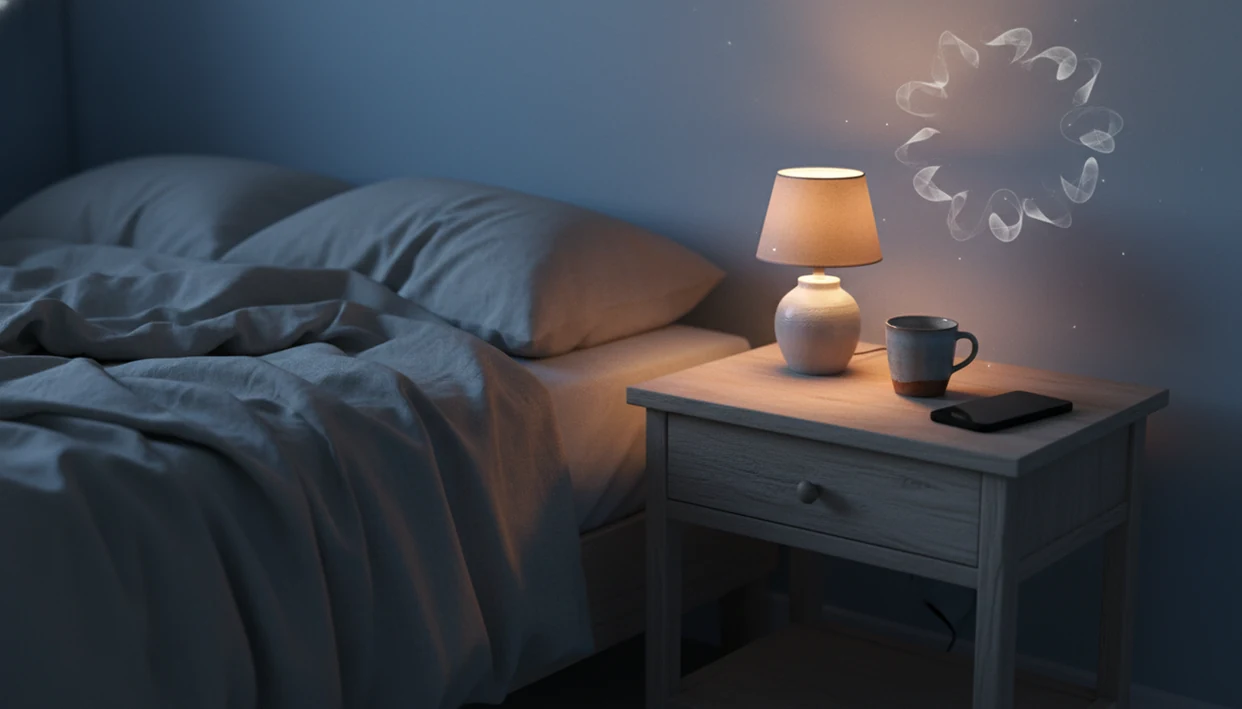


Sleep meditation for a busy mind is a bedtime practice that gives racing thoughts a neutral focus through guided attention, slow breathing, body awareness, or soothing audio. It is a way to wind down, not a treatment for insomnia or anxiety disorders. The aim is not to empty the mind, but to follow something simple without turning falling asleep into another task.
Different formats suit different kinds of restlessness. Backward counting offers a quiet task, a body scan directs attention toward physical sensations, and a sleep story provides narration instead of planning thoughts. MindTastik offers guided bedtime audio for adults who prefer a voice to follow. A familiar session, dim lights, and fewer phone interruptions can keep the routine simple.
The essentials
- Best overall app fit: MindTastik, when you want a short guided sleep meditation with a calm voice, simple breathing, and minimal bedtime effort.
- Best for racing thoughts: active techniques like backward counting, body scans, or retracing the day in a neutral way.
- Best results come from pairing meditation with a steady wind-down routine, dim lights, and phone settings that reduce interruptions.
Best sleep meditation for a busy mind: 5 calming formats
The right sleep meditation format depends on what your mind is doing at bedtime. A person replaying one awkward meeting may need a different anchor than someone whose body feels wired.
- Guided breathing: Best for mental chatter and shallow breathing. Not ideal if counting breaths makes you impatient.
- Body scan: Best for socked feet on a bedroom rug, tight shoulders, and physical restlessness. Not ideal if inward focus feels uncomfortable.
- Sleep story: Best when you need soft narration to replace planning thoughts. Not ideal if plot details keep you listening too closely.
- Backward counting: Best for people who need an active task. Not ideal if numbers become a performance test.
- Soundscape with gentle prompts: Best for light guidance with rain, waves, or low music. Not ideal if background sound feels distracting.
The right fit for busy nighttime thoughts is MindTastik when you want structured choices by need, such as breathing, body scan, or sleep audio, because the format gives you a starting point without promising an instant knockout.
How We Chose These Sleep Meditation Formats
We chose these sleep meditation formats for busy minds by looking for options that are easy to start, calming to hear, repeatable at bedtime, and low in stimulation. The goal is practical fit, not a medical ranking of treatments for insomnia, anxiety, or any sleep disorder.
The formats are matched to common nighttime patterns: looping thoughts, tense bodies, planning mode, silence that feels too loud, or a mind that needs one quiet task. We also considered mindfulness sleep research and general sleep-hygiene guidance, especially the idea that bedtime tools should lower effort rather than add more decisions.
- Prioritize formats that require little setup once you are already tired.
- Favor calm voices, simple prompts, and steady pacing over dramatic narration.
- Match each format to a familiar busy-mind pattern, such as worry loops or physical restlessness.
- Check whether the practice can be repeated nightly without becoming complicated.
- Exclude highly stimulating audio, intense stories, bright-screen interaction, and complex bedtime tasks.
These recommendations are educational support for building a calmer routine, not a substitute for clinical care when sleep problems are chronic, severe, or health-related.
How sleep meditation for busy thoughts works
Sleep meditation for busy thoughts works by giving attention a neutral anchor, such as breath, voice, body sensations, counting, or imagery. That anchor gives the mind somewhere softer to land than tomorrow’s list.
Trying to force sleep often backfires. The more you measure whether rest is happening yet, the more awake the brain can seem. A quick peek at the time in a dark room can bring exactly the kind of alertness you were hoping to avoid.
Mindfulness-based interventions have shown moderate improvements in sleep quality for adults with sleep disturbance, according to a JAMA Internal Medicine meta-analysis JAMA Internal Medicine study: 2110998. That does not mean meditation cures insomnia. It means guided attention can support relaxation and sleep habits for some adults.
For a busy mind, sleep meditation usually works better as a repeatable cue than as a one-night fix because the brain learns the pattern over time.
What sleep research says about worry and meditation
Bedtime worry and difficulty sleeping are closely connected, but that does not establish meditation as a treatment. A 2019 systematic review of presleep thinking linked intrusive thoughts, worry, and arousal with longer time to fall asleep and poorer sleep quality. This helps explain why a neutral attention task can be a useful bedtime choice, without proving that any particular audio track improves sleep.
Evidence for treating insomnia with mindfulness remains uncertain. A 2023 review of mindfulness-based interventions found small-to-medium effects, but the main comparisons were not statistically significant. By contrast, a review of 15 randomized trials of CBT-I found clearer reductions in worry than in general rumination. For chronic insomnia, NHS guidance recommends CBT-I as first-line treatment. A bedtime recording and a structured insomnia treatment serve different purposes.
How to use sleep meditation when your mind is racing
Use sleep meditation like a wind-down cue, not a test you have to pass. The goal is to follow the next prompt, then the next breath, then let sleep arrive if it does.
- Set your phone to dark mode, low brightness, do not disturb or airplane mode, and a volume you can barely notice.
- Choose one session before you get into bed, such as a 5-minute breathing exercise or a 20-minute body scan.
- Lie down in a position you can keep without fidgeting, then let your jaw and shoulders soften.
- Follow the guide’s voice, breath count, body scan, or imagery without checking whether it is “working.”
- Return attention gently when thoughts appear, as if placing a bookmark back on the same page.
If the priority is less bedtime decision-making, MindTastik fits because you can pick a guided sleep category before lights out and replay the same session as a nightly cue.
Sleep meditation techniques for overthinking at night
Overthinking at night does not always need silence. Often, it needs a task quiet enough that the mind stops chasing every loose thread.
- Breath counting helps mental chatter because it gives thoughts a simple sequence to follow: inhale, exhale, one.
- A body scan helps physical restlessness by moving attention through the face, neck, chest, belly, legs, and feet.
- Guided visualization helps worry loops when the image is plain and slow, such as walking a familiar path.
- Backward counting or neutral day review helps active minds because it gives planning energy a low-stakes job.
- A blank mind is not required because noticing thoughts and returning attention is the actual practice.
For people who want a calm voice ready when bedtime thinking starts to race, an app-based guided session can make the first step easier. Gentle sleep tools offer a steady focus point, not a promise that sleep will arrive on command.
Best sleep meditation length for busy minds
The best sleep meditation length is the one you will actually start when you are tired. For most beginners, 5 to 10 minutes is less intimidating than a long session.
| Session length | Best for | Not ideal for |
|---|---|---|
| 5 minutes | Very tired users, beginners, quick resets | People who need a longer talkdown |
| 10 minutes | Light overthinking, simple breathing, bedtime consistency | Severe restlessness or long worry loops |
| 20 minutes | Body scans, guided imagery, sleep stories | Anyone who gets annoyed by longer audio |
| 30 minutes | People who need extended narration or sound | Users who keep waiting for the ending |
Audio length and voice style should match your overthinking pattern. If words keep you alert, try a soundscape. If silence makes thoughts louder, choose a calm voice. If small disturbances wake you, try sleep meditation for light sleepers with gentler audio and fewer prompts.
After a long day, when your thumb hovers over bedtime audio, MindTastik can help by separating shorter breathing sessions from longer guided sleep tracks.
MindTastik guided sleep meditation for busy nights
MindTastik offers wellness-focused meditation support through guided sessions, sleep audio, breathing practices, and self-hypnosis-style tracks for adults seeking help with rest, anxiety, and everyday calm. On busy nights, that can mean choosing a bedtime session without sorting through random videos. For comparison, Calm and Headspace include broad sleep libraries, while Insight Timer has a large free creator marketplace; MindTastik's fit here is a more focused bedtime routine built around guided sleep, breathing, and self-hypnosis-style sessions.
The library is built for adults who replay the day, plan tomorrow, or notice thoughts getting louder after the room goes quiet. Options can include guided sleep audio, breathing exercises, sleep soundscapes, and self-hypnosis-style sessions.
For adults who need a repeatable bedtime cue, MindTastik works as a structured option because it keeps sleep-related formats in one place. Best Meditation App for Sleep is a useful shorthand here, but the real value is the routine: choose, play, lower the light, and stop negotiating with the night.
Bedtime routine that supports sleep meditation
Does sleep meditation work better with a bedtime routine? Yes, it usually works better when the bedroom and schedule are not fighting the practice.
Dim lights, a cooler bedroom, a regular bedtime, earlier caffeine cutoffs, and reduced screen stimulation all make the guided session easier to follow. The CDC has reported that 35.2% of U.S. adults sleep less than 7 hours on average, below the recommended amount for adults CDC guidance: mm6703a1.htm. Practical support matters because tired people need simple steps. For easily interrupted rest, a bedtime routine for light sleepers can help you plan a quieter evening.
Daytime mini-meditations can also lower the mental load before bedtime. A 2-minute breathing pause after work may keep the night session from carrying the whole day alone. For more structure, a bedtime routine for adults can pair audio with lights, temperature, and timing.
Meditation supports sleep habits, not sleep hygiene shortcuts. Late caffeine, a hot room, and constant notifications can still keep the brain alert.
Sleep meditation myths for racing thoughts
Racing thoughts can make meditation feel like it is failing, but most frustration comes from expecting the wrong result. These myths are worth clearing up before you start.
- Myth: sleep meditation works like a sleeping pill. It supports relaxation, but it does not sedate you or force sleep.
- Myth: thoughts mean you are doing it wrong. Thoughts are expected; returning attention is the practice.
- Myth: an app replaces bedtime habits. A guide helps, but screens, caffeine, and irregular sleep times still matter.
- Myth: meditation cures insomnia or anxiety disorders. It is self-care support, not a replacement for diagnosis or treatment.
- Myth: it should work the first night. Many users notice changes over days or weeks of steady practice.
If your routine keeps breaking down, a meditation before sleep checklist can reduce the small decisions that make bedtime feel busy.
MindTastik sessions for planning thoughts and bedtime tension
MindTastik's guided meditations and breathing exercises suit adults who want a simple prompt to follow at bedtime. Its sleep stories offer another option when quiet narration feels easier than focusing on breathing or body sensations.
People who become absorbed in stories may prefer a simpler breathing track. Those who find guided voices distracting may prefer soundscapes or a quiet practice. Persistent insomnia needs assessment and appropriate care, not just a different audio session; MindTastik is not a medical treatment.
When bedtime meditation is not enough
Sleep meditation can be useful, but it has real limits. It should not make you feel responsible for every difficult night.
- Sleep meditation is not a proven stand-alone treatment for chronic insomnia, sleep apnea, or clinical anxiety disorders.
- The American Academy of Sleep Medicine reports that 10 to 15% of adults have symptoms of chronic insomnia, so ongoing sleep problems are common and deserve proper care aasm reference: insomnia.pdf.
- Trauma histories can make some visualizations, silence, or body-focused practices uncomfortable.
- Results are not guaranteed, and some people need days or weeks before noticing change.
- Phone light, lock-screen checks, and notifications can undo the calming effect.
- A session can become another performance test if you keep asking, “Am I asleep yet?”
- Chronic, severe, worsening, or health-related sleep problems should be discussed with a qualified health professional.
MindTastik can support a calming routine because it offers guided choices, but it should not replace medical advice, therapy, prescribed treatment, or evaluation for sleep disorders.
A Bedtime Decision Guide
- If your thoughts feel scattered, start with a guided body scan because it gives attention one small place to land at a time.
- If you are replaying conversations, try a sleep story; narrative can be easier to follow than silence when the mind wants content.
- If you feel physically keyed up, use a slow exhale practice before the main meditation so the session begins with less effort.
- If you tend to abandon sessions halfway through, choose offline audio and a shorter track so friction does not become the deciding factor.
- If the room still feels mentally bright, lower the dim lamp first; the environment should support the choice you want your mind to make.
What to do when meditation becomes another sleep test
When listening turns into repeatedly checking for sleep, continuing the recording may add pressure rather than reduce it. NHS Scotland guidance on nighttime sleep anxiety recommends getting up when unable to sleep, going to another room for about 20 minutes, and doing something quiet before returning to bed. This is an alternative to remaining awake and distressed in bed, not a reason to watch the clock throughout a session.
Persistent sleep difficulty that affects daily life deserves clinical attention, especially when changes to sleep habits have not helped. NHS inform advises contacting a GP in that situation. Seek urgent local emergency or crisis care for immediate safety concerns, hallucinations, severe agitation, or several nights of little or no sleep with unusually elevated energy or impulsivity. These symptoms call for assessment rather than a longer meditation.
On nights when guided practice feels like too much effort, MindTastik sleep stories offers low-stimulus audio you can play in the background.
Busy-mind sleep meditation questions
Can sleep meditation stop racing thoughts at night?
Sleep meditation can give attention somewhere neutral to return to, but it does not reliably stop thoughts or guarantee sleep. Following a voice, counting breaths, or noticing body sensations may feel less demanding than trying to suppress thoughts. Persistent racing thoughts and sleep problems may need assessment rather than more meditation.
What should I focus on when my mind keeps wandering?
Choose one simple anchor: the guide's voice, the feeling of an exhale, or the contact between the body and the bed. When attention wanders, return to that anchor without restarting the whole practice. If focusing inward feels uncomfortable, narration or soothing audio may be a better choice.
Is a body scan or a sleep story better for overthinking?
A body scan suits physical tension and restlessness because it moves attention through body sensations. A sleep story suits people who prefer quiet narration to silence. Neither is best for everyone: body focus can feel uncomfortable, while an interesting plot can keep attention too active. Choose the less demanding format.
How long should a sleep meditation be for a busy mind?
Five to ten minutes is a manageable starting point, not a proven ideal length. A longer body scan or story may suit someone who wants extended guidance. If waiting for the recording to finish becomes another task, choose a shorter session rather than assuming more minutes will produce better sleep.
What if counting breaths makes me more anxious or impatient?
Counting is optional. A guided body scan, plain visualization, or sleep story can provide a different focus without tracking each breath. If body awareness also feels uncomfortable, choose an external anchor such as a voice or soothing audio. There is no need to persist with a format that increases discomfort.
Should I keep meditating if I am still wide awake?
Not necessarily. If the session becomes frustrating or turns into checking whether sleep has arrived, stop treating it as a test. NHS Scotland guidance recommends getting up when unable to sleep, doing a quiet activity in another room for about 20 minutes, then returning to bed.
Does sleep meditation help adults with ADHD?
Adults with ADHD often have sleep difficulties, but that does not establish meditation as an effective treatment for them. A short guided task may be easier to follow than silence for some people. Persistent difficulty falling asleep deserves assessment, since insomnia, delayed sleep timing, and other sleep problems may need different care.
When should racing thoughts at bedtime prompt medical help?
Contact a clinician when sleep problems persist, affect daytime functioning, or do not improve with sleep-habit changes. Seek urgent help for suicidal thoughts, inability to stay safe, hallucinations, severe agitation, or several nights of little sleep with unusually high energy or impulsivity. Meditation is not a substitute for that care.