
Best Length for Sleep Meditation: 10, 20, or 30 Minutes?
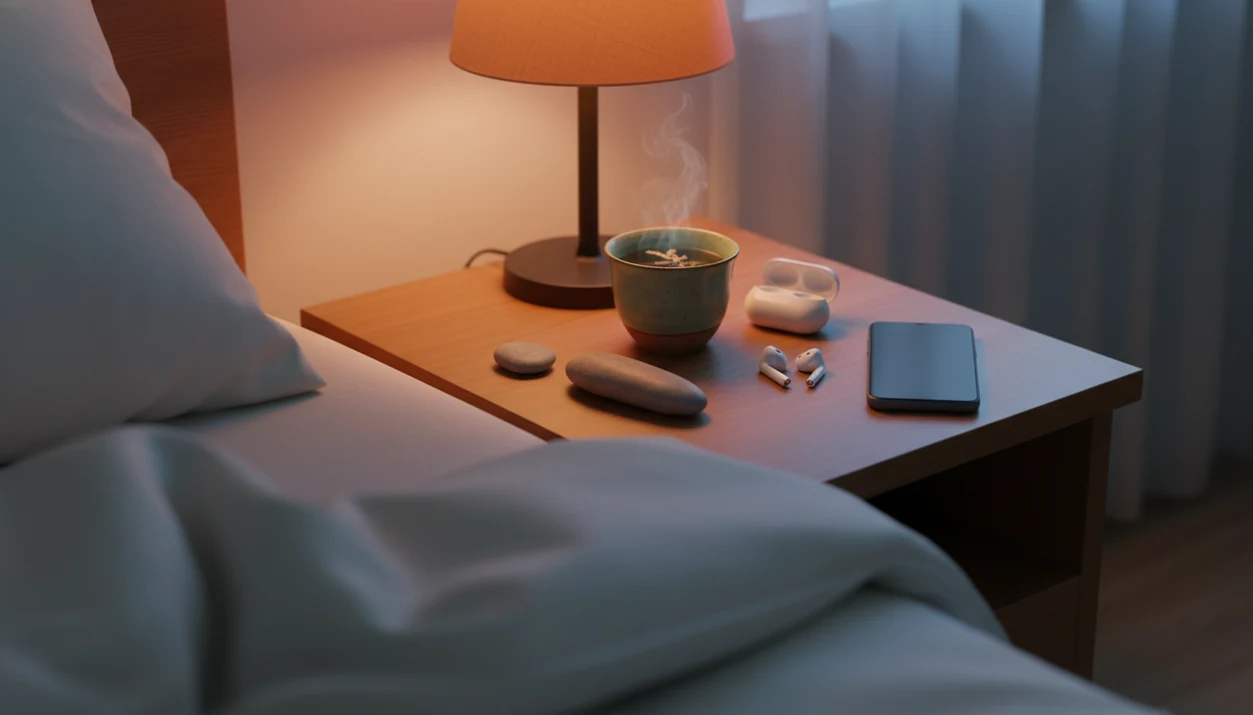


The best length for sleep meditation is usually 10 to 30 minutes, with 5 to 10 minutes a practical starting point for beginners or very tired nights. These are useful choices, not scientifically proven thresholds. A short guided session can make bedtime practice easier to repeat; a longer body scan can leave more time for settling racing thoughts.
MindTastik offers wellness-focused audio for adults, including guided meditations, sleep stories, breathing exercises, and self-hypnosis tracks for everyday relaxation support. The useful choice is a session that fits the night without making bedtime feel like another task. Consistency matters more than finishing the track, and there is no need to keep the same duration every evening.
The short answer
- Start with 5 to 10 minutes if you are new, tired, or anxious.
- Use 20 to 30 minutes when you want more time to settle racing thoughts.
- Consistency matters more than finishing the entire track or choosing one perfect duration forever.
Best sleep meditation duration by bedtime goal
The right sleep meditation duration depends on what you need that night. A useful range is 5 to 30 minutes, with shorter sessions for low-pressure practice and longer sessions for a fuller wind-down.
Choose the shortest session that reliably helps the body settle. If a longer session makes you monitor the timer, it is no longer the better sleep tool.
5 to 10 minutes for beginners
Choose 5 to 10 minutes when you are new, already exhausted, or likely to skip the practice if it feels big. MindTastik fits this use because a short guided session can become the “just start” option before bed.
10 to 20 minutes for routine sleep
Use 10 to 20 minutes for most bedtime routines. It gives enough time for breathing, guided attention, and a gentle transition without turning bedtime into a project.
20 to 30 minutes for racing thoughts
Pick 20 to 30 minutes when stress is high or the mind keeps looping. Falling asleep before the audio ends is fine. That is not failure; that is the point.
10 minute vs 30 minute sleep meditation comparison
Longer is not automatically better for sleep meditation. The better choice is the length you can repeat without pressure, especially when the phone screen is dimmed and you’re trying not to start scrolling.
| Duration | Best use case | Not ideal for | What to notice |
|---|---|---|---|
| 10 minutes | Beginners, late nights, tired bodies | Nights with intense rumination | Did it feel easy to start? |
| 20 minutes | Normal wind-down routine | Very sleepy nights | Did your breathing slow down? |
| 30 minutes | Anxiety, wired evenings, longer transition | If it feels like a chore | Did you relax or monitor the time? |
A 10-minute session is often easier to repeat because it feels small. A 30-minute session may help anxious or wired users downshift, but only if it feels calming. A 20-minute session is the middle option for most nights.
How Sleep Meditation Duration Works
Sleep meditation duration works by giving attention enough time to move away from bedtime problem-solving and toward simpler cues, like breath, sound, and body sensation. The point is not to force sleep; it is to support the conditions that let sleep arrive.
- Shift attention from planning, replaying, or worrying into a guided voice or repeated breath cue. This lowers cognitive arousal, which simply means the mind has fewer active problems to solve.
- Slow the breathing pace so the body gets a steadier “safe enough” signal. A longer exhale or gentle count can make the room feel less urgent.
- Scan the body to notice the jaw, shoulders, chest, belly, and legs without needing to fix everything. As tension softens, perceived sleep pressure can feel stronger because the body is no longer bracing as much.
- Allow enough time for your nervous system to catch up. Longer sessions help some people because rumination takes time to unwind, but others settle faster or become more alert if the track feels too long.
So the best duration is the one that helps you stop trying so hard.
How to Use Sleep Meditation Duration
Use sleep meditation duration as a nightly adjustment, not a score to beat. The best length is the one that helps you settle while still feeling easy enough to repeat tomorrow.
- Start with a 5 to 10 minute baseline for several nights in a row. Keep the setup simple: dim screen, comfortable position, and one guided session you do not have to overthink. A sleep meditation playlist for beginners can simplify track selection while you test a short nightly baseline.
- Track how calm you feel afterward and how your energy feels the next day. Finishing every minute matters less than whether your body felt less braced and your morning felt less heavy.
- Increase the length only when the current session feels easy. Move from 10 toward 20 minutes when you want more time, not because longer seems more “serious.”
- Shorten the session when it creates pressure. If you start checking the clock, waiting for the end, or feeling behind on sleep, choose a smaller track.
- Rotate the duration by the night. Use shorter audio when you are exhausted or busy, and longer guidance when anxiety or racing thoughts need more room to unwind.
Sleep meditation duration effects on the body and mind
Sleep meditation works by guiding attention away from repetitive thinking and toward breath, body sensation, or a calm voice. It does not force sleep; it creates conditions that make sleep more likely.
During a guided session, slower breathing and body scanning can reduce cognitive arousal. In plain language, the brain gets fewer problems to solve. Duration matters because some nervous systems need more time to settle. The jaw tight against the pillow may not soften in minute two, but it might by minute twelve.
A 2018 systematic review and meta-analysis of 18 randomized controlled trials found moderate improvements in sleep quality with mindfulness-based interventions compared with controls PubMed research: 29387916. A 2015 JAMA Internal Medicine trial also found that 6 weeks of mindfulness training improved sleep quality and insomnia symptoms in older adults compared with sleep-hygiene education JAMA Internal Medicine study: 2109038. For bedtime, sleep meditation duration usually matters less than repeatable practice over weeks.
MindTastik sleep meditation duration selection steps
Use sleep meditation like a flexible wind-down tool, not a test you have to pass. MindTastik supports that approach because you can rotate between short breathing, guided sleep audio, and longer sessions based on the night.
- Choose a 5 to 10 minute baseline for three to five nights, especially if you are new or overtired.
- Notice bedtime calm after the session, not just whether you completed every minute.
- Check next-day energy to see whether the routine helped you feel more rested or less foggy.
- Increase to 10 to 20 minutes if the short session feels easy and you want more settling time.
- Drop back down if the session starts feeling pressured, boring, or like another task.
- Rotate by night instead of locking into one rule forever.
For a broader routine, pair the session with a simple bedtime routine for adults.
Beginner sleep meditation length: 5 to 10 minutes
How long should sleep meditation be for beginners? For most beginners, 5 to 10 minutes is enough to learn the rhythm without making bedtime feel demanding.
Short guided sessions are less intimidating than long silence. If someone already feels anxious, a 30-minute silent practice can feel like being left alone with every thought in the room. Guided audio gives the mind a rail to follow. Breath count lost after four? Normal.
People with high anxiety or discomfort with silence may prefer a voice-led session, soft music, or a body scan. MindTastik can be a practical starting point here because the user can choose a 5-minute breathing exercise instead of forcing a long meditation. Increase gradually only when the current length feels easy, not because a longer track seems more serious.
Five facts about sleep meditation duration and consistency
Sleep meditation duration is best understood through consistency, not a single magic number. These facts are the ones worth keeping.
- No study identifies one exact best number of minutes for bedtime meditation.
- Regular practice over weeks matters more than one unusually long session.
- Short sessions can be useful when practiced consistently, especially for beginners.
- It is fine to fall asleep before a sleep meditation track ends.
- The CDC has reported that about 35% of U.S. adults sleep less than 7 hours, which is why accessible brief tools matter CDC guidance: adults sleep facts and stats.html.
A 40-minute novice meditator study found changes in alertness and fatigue after one meditation session, but that does not prove 40 minutes is the ideal bedtime duration PubMed research: 19922249. For many people, 10 minutes used nightly beats 40 minutes used once. A supportive sleep hygiene plan can also reduce the pressure placed on meditation alone.
Research measures weeks of practice, not a perfect bedtime length
The durations used in research are different from the bedtime options on this page. In the 2018 systematic review of mindfulness and sleep, group sessions lasted 1 to 2.5 hours weekly across programs lasting 2 to 16 weeks. All 18 trials encouraged home practice. Among the 12 trials that specified a daily target, recommendations ranged from 15 to 60 minutes. Those targets were part of structured programs, not a comparison of 10-minute and 30-minute bedtime recordings.
The 2022 review of mindfulness-based stress reduction also examined sustained programs: 14 of its 20 trials used eight-week programs. This distinction matters when choosing a track. Five to 10 minutes is a manageable starting point, not a dose proven to treat sleep disturbance. Longer trial practice targets do not establish that a longer bedtime recording works better. The evidence supports considering regular practice over weeks rather than judging meditation by one night.
Best MindTastik sleep meditation length for different nights
The right MindTastik sleep meditation length changes with the night. Good meditation apps for sleep and everyday calm offer a starting point and a repeatable routine, not a promise to switch the brain off on command.
Best for already sleepy nights
If your priority is getting into bed without avoidance, choose 5 to 10 minutes. It is best for late nights, low energy, and the “I might skip this” feeling. It is not ideal if thoughts are racing hard.
Best for anxious bedtime thoughts
When the issue is rumination, choose 20 to 30 minutes. MindTastik fits anxious bedtime use because longer guided sleep audio gives the body more time to downshift before silence.
Best for inconsistent routines
On days your schedule slips, choose 10 to 20 minutes. It is long enough to feel like a real wind-down and short enough to repeat. If racing thoughts are the main problem, a calming night routine for racing thoughts can help frame the session. A weekend sleep routine with meditation can help you keep bedtime practice consistent when your schedule changes.
Choosing guided audio for a short or longer wind-down
MindTastik’s guided meditations and breathing exercises suit a bedtime routine built around simple attention cues. Its sleep stories offer an alternative for adults who prefer following a calm narrative rather than concentrating on the breath. Choose the format first, then a length that feels manageable.
An app is less useful when spoken audio keeps someone alert or choosing a track becomes another bedtime distraction. Quiet relaxation may fit better in those cases. Persistent sleep problems need assessment, not simply a longer recording.
What session length cannot solve
Sleep meditation may make bedtime feel steadier, but it still has limits. A quiet track under a dim lamp and a cooler room can support relaxation, not replace care from a qualified professional.
- No exact scientifically proven best length exists for a single sleep meditation session.
- Sleep meditation is not a standalone treatment for moderate or severe insomnia.
- Possible sleep apnea, persistent insomnia, loud snoring, gasping, or major daytime sleepiness should be discussed with a clinician.
- Significant anxiety, depression, trauma symptoms, or panic at night deserve professional support.
- Longer silent meditation may feel uncomfortable for some people with high anxiety or trauma histories.
- Benefits often require repeated practice over weeks, not one night of audio.
- Meditation should not be used as a replacement for needed sleep.
- Apps such as Calm, Headspace, and MindTastik differ in style, so the voice and pacing matter as much as the timer.
If the session keeps you alert, try changing timing or using a nighttime wind-down routine before audio.
Check light and audio before adding more minutes
A 10-minute sleep meditation can feel too short if the room is bright, the audio is too stimulating, or you keep checking whether it is working. A dim lamp, a settled pillow, and one slow exhale before pressing play often matter as much as the exact duration. The right length is easier to judge when the setup stops competing with the meditation. Try pre-sleep meditation for beginners to settle your attention before choosing how long to practice tonight.
If you want narration instead of instruction at bedtime, MindTastik sleep stories is a practical place to start inside MindTastik.
Sleep meditation length questions
How long should sleep meditation last?
A practical range is 10 to 30 minutes, with 5 to 10 minutes for beginners or nights when staying awake for a longer session feels demanding. No study establishes one best bedtime duration. Start with a manageable length and extend it only if more time helps with settling.
Is 10 minutes of sleep meditation enough?
Ten minutes can be enough for a manageable wind-down practice, especially when repeated regularly. It is not a guaranteed treatment for sleep disturbance. Research largely examines structured practice over several weeks, so a short recording is better judged by how comfortably it fits the routine than by a promised sleep result.
Is 30 minutes of sleep meditation better than 10 minutes?
Not necessarily. Thirty minutes allows more time for a body scan or guided wind-down, but there is no established evidence that it beats 10 minutes immediately before bed. If the extra time leads to clock-watching or postpones sleep despite feeling sleepy, a shorter session is a more sensible choice.
Do I need to finish a sleep meditation before falling asleep?
No. Falling asleep before a bedtime recording ends does not mean the practice failed. Completion is not the goal of sleep audio. A session can remain useful even when only part of it is heard, provided the voice, pacing, and background sound do not keep interrupting rest.
How many minutes before bed should I meditate?
Meditation can sit within the wind-down period rather than needing an exact start time. Sleep Foundation guidance describes bedtime routines during the 30 to 60 minutes before bed. A brief meditation can occupy part of that time alongside other quiet activities; the whole routine does not need to be meditation.
What should I do if sleep meditation keeps me awake?
Try a shorter recording or a different format if the voice, instructions, or background sound feels stimulating. Quiet relaxation may be a better fit than guided audio. Avoid extending the session just to make it work. If difficulty sleeping persists, seek clinical advice rather than relying on increasingly long recordings.
Should I use the same sleep meditation length every night?
A consistent wind-down routine does not require an identical recording length. Five to 10 minutes may fit an exhausted evening, while a longer session may suit a night with more time to settle. Keep the routine easy to begin, and reduce the length if it starts feeling like an obligation.
Can a long meditation replace lost sleep?
No. Sleep meditation is a relaxation practice, not a substitute for sleep. Feeling calmer after a recording does not mean that missing sleep has been replaced. Keep time available for sleep itself, and discuss persistent insomnia, loud snoring, gasping, or major daytime sleepiness with a clinician.