
Mindfulness On Vacation: A Practical Guide for Calmer Travel
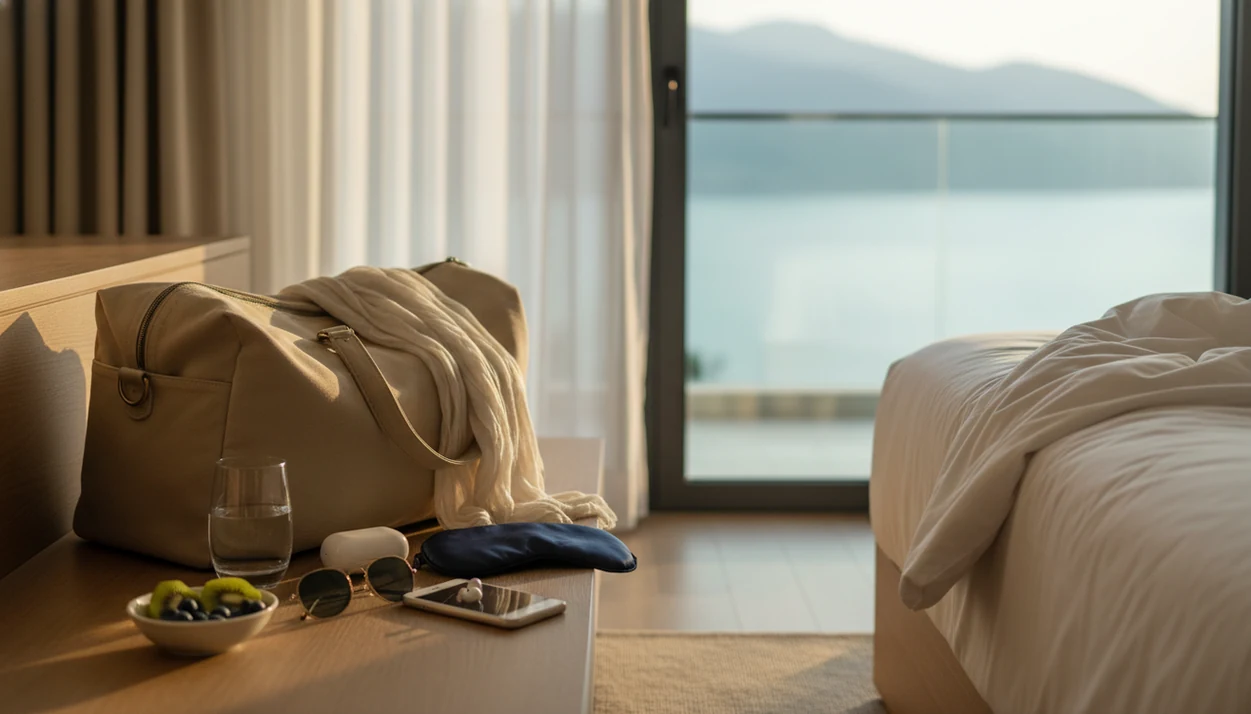


Mindfulness on vacation means paying attention to the trip as it happens, rather than rushing through it on autopilot or trying to perfect every moment. It involves noticing travel experiences on purpose without judging or controlling each one. The simplest practices are small: a breathing pause in a queue, a slow meal, a phone-free walk, or a check-in with a tired body.
A workable approach starts with fewer demands. Leave room in the itinerary for rest, delays, wandering, and changed plans. Keep phone boundaries realistic so maps, tickets, and family contact remain available. Protect a familiar bedtime routine where possible. Guided meditation, breathing exercises, or sleep audio can provide structure, but none is required to practice.
The essentials
- Use small practices: one mindful breath, one slow meal, one phone-free walk, or one body check-in.
- Plan less tightly so your vacation has room for rest, delays, wandering, and spontaneous experiences. A checklist to live the life you desire can help you plan around what matters, rather than filling every hour.
- MindTastik can support travel routines with guided meditation, sleep audio, breathing exercises, and self-hypnosis for adults seeking sleep, anxiety, and everyday calm support.
Mindfulness on Vacation Guide: Five Facts Travelers Should Know
- Mindfulness on vacation means noticing the trip you are actually having, not chasing the trip you pictured months ago. Learning to fall in love with your life can start with appreciating ordinary moments, including imperfect vacation days.
- The goal is awareness, not a flawless itinerary. A delayed train, a crowded museum, or a rainy beach walk can still be met with steadier attention.
- Lowering expectations helps because travel rarely follows the plan exactly. Leave one open block each day for rest, wandering, or doing nothing useful.
- Phone limits matter because repeated checking pulls your attention away from meals, views, conversations, and your own body cues.
- Short practices work well for beginners: one slow breath in an airport line, one quiet bite at lunch, or a quick shoulder check before sightseeing.
Small counts.
The American Psychological Association has reported that roughly three-quarters of U.S. adults experience stress-related health impacts, including headache, fatigue, nervousness, or feeling overwhelmed (APA research: concerned future inflation). Travel can add novelty, joy, and pressure at once.
How Mindfulness on Vacation Works in the Brain and Body
Mindfulness on vacation works by shifting attention from rumination and autopilot toward present-moment sensory cues, such as sound, light, breath, posture, and movement.
In plain language, you stop rehearsing the next problem for a moment and come back to what is happening now. That can be useful when a gate changes, a rental line stalls, or a restaurant is louder than expected. Breathing and body awareness may reduce reactivity by giving the nervous system a simple anchor.
Mindfulness research is cautious but encouraging. A JAMA Internal Medicine systematic review found moderate evidence that meditation programs can improve anxiety symptoms at about 8 weeks, though effects were not uniform across all outcomes (JAMA Internal Medicine study: 1809754). A randomized clinical trial also found that mindfulness awareness practices improved sleep quality in older adults with sleep disturbance compared with sleep hygiene education alone (JAMA Internal Medicine study: 2110998).
For mild travel stress, a short breathing practice is often easier than a long meditation because it fits the moment that is actually happening.
How to Use Mindfulness on Vacation in Six Travel Moments
Use mindfulness on vacation by attaching tiny practices to ordinary travel moments, not by forcing a long routine into every day.
- Pause in airport lines and feel both feet on the floor while you take three slow breaths.
- Arrive at the hotel by setting your bag down before unpacking, then notice the room’s light, temperature, and sound.
- Slow one meal by putting your phone away for the first five bites and naming one taste clearly.
- Notice during sightseeing by choosing one color, one texture, and one sound before taking photos.
- Settle at bedtime by dimming the phone screen, doing a body scan, and playing calming audio if the room feels unfamiliar.
- Reset after itinerary changes by naming the problem, softening your jaw, and choosing the next practical action.
If you are new to sitting practice, a short how to meditate guide can make the first few minutes less awkward.
Common Mindfulness on Vacation Mistakes
The most common mistake is turning mindfulness into another vacation rule. It should make the trip easier to inhabit, not harder to perform.
Not every beach walk has to feel profound. Not every museum line has to become a lesson in patience. Some moments will be hot, boring, messy, loud, or funny for no special reason, and they still count as the trip. Overplanning mindful pauses can also become one more itinerary item, especially if every meal, walk, and sunset has a required practice attached. If perfectionism follows you on vacation, reflecting on things that kill success may help you rethink unhelpful expectations.
- Let ordinary moments stay ordinary instead of trying to make each one calm or meaningful.
- Choose one or two light anchors per day, such as a slow breakfast or a bedtime breath, rather than scheduling mindfulness all day.
- Use your phone without guilt when you need maps, tickets, translation, safety updates, or family contact. If you are traveling with someone who provides daily care, consider simple ways to support a caregiver.
- Put the phone away again when the practical task is done, before checking turns into scrolling. A digital declutter checklist can help reduce distracting apps and notifications before your next trip.
- Restart after a missed day by taking one breath where you are, noticing one sound, and continuing without catching up.
The reset can be that small.
Mindfulness on Vacation Tips for Phones, Photos, and Social Media
How do you stay mindful on vacation without giving up your phone completely? Use your phone on purpose, then put it away before it starts running the trip.
Compulsive checking breaks the thread of attention. One minute you are watching the harbor; the next, you are comparing your day to someone else’s edited one. Keep maps, tickets, safety alerts, translation tools, and family contact available. Those are practical tools, not failures.
Try phone windows instead of a digital detox. For example, check messages after breakfast, use maps during transit, and post photos once at night. Memory-making is taking a picture because you want to remember the light on the street. Performance-posting is retaking it until the moment feels like work.
The pocket check is real.
For more structured prompts, simple mindfulness exercises and techniques can help you return attention without making the phone the enemy.
Mindfulness on Vacation for Sleep, Jet Lag, and Hotel Nights
Travel disrupts sleep because the body is dealing with new rooms, changed schedules, unfamiliar light, street noise, excitement, and sometimes jet lag. Mindfulness will not force sleep, but it can support a steadier wind-down routine.
Try this before bed: soften the room light, set the phone aside after starting a short track, move slowly through a body scan, breathe out a little longer than you breathe in, and let quiet sleep audio fill the space if silence feels too stark. A travel eye mask on the pillow can become your simple cue that the day’s planning is finished.
A 2015 randomized clinical trial in JAMA Internal Medicine found that mindfulness awareness practices improved sleep quality among older adults with moderate sleep disturbance, but the study does not prove that mindfulness will fix jet lag or insomnia for every traveler (source). Keep the claim modest. You are building conditions for rest, not commanding sleep.
Tools like MindTastik can be useful here if you want guided sleep audio, breathing exercises, or a short bedtime session. A sleep hygiene checklist can also help keep travel nights less random.
Best For and Not For: Mindfulness on Vacation Expectations
Mindfulness on vacation is best for reducing reactivity, adding pauses, and noticing more of the trip. It cannot control weather, delays, safety issues, or other people’s behavior.
| Fit | What it helps with | What to expect |
|---|---|---|
| ✓ Mild travel stress | Airport tension, crowds, schedule pressure | A calmer response, not zero stress |
| ✓ Rushed itineraries | Overplanning, constant movement | More space between activities |
| ✓ Sleep disruption | New rooms, noise, late meals | A repeatable wind-down routine |
| ✓ Family trips | Irritation, competing needs | More pause before reacting |
| ✓ Beginners | Short attention practices | Simple starts, not long sessions |
| ✕ Therapy replacement | Severe anxiety, trauma, panic, insomnia | Professional support may be needed |
| ✕ Unsafe travel fixes | Risk, conflict, emergencies | Practical safety steps come first |
| ✕ Forced relaxation | “I must be calm” pressure | Softer expectations work better |
Mindfulness usually works best when it is treated as a supportive practice, while professional care fits situations that are severe, persistent, or unsafe.
MindTastik Support for Mindfulness on Vacation Routines
MindTastik offers guided meditation, sleep audio, breathing practices, and self-hypnosis sessions for adults who want support with rest, anxious moments, and everyday calm. It can be a helpful travel companion, but it is not required for a mindful trip.
A useful app during travel should offer calm prompts, sleep support, and short resets, not pressure to optimize every minute of vacation.
Named travel supports include:
- Sleep audio: useful when the hotel room feels too quiet or too loud.
- Breathing exercises: helpful before boarding, check-in, or a tense family dinner.
- Self-hypnosis sessions: a gentle option for habit cues and wind-down routines.
- Everyday calm sessions: short enough to use before leaving the room.
If you are comparing options, a best meditation app for sleep anxiety guide can help you choose based on travel needs rather than hype.
Mindfulness on Vacation Image Caption and Sensory Practice
Image concept: a traveler sitting quietly near a café window with a small bag beside the chair, looking outside before opening the map app.
Caption: A quiet café pause shows mindfulness on vacation as sensory noticing, with attention on light, sound, posture, and the next gentle choice.
Try a travel version of 5-4-3-2-1:
- Name 5 things you can see, such as tiles, clouds, signs, shoes, or trees.
- Name 4 things you can feel, including your seat, shirt, breath, or backpack strap.
- Name 3 things you can hear.
- Name 2 things you can smell.
- Name 1 thing you can taste or one word for how your body feels.
No one has to know you are doing it.
When to Seek Professional Help for Travel Anxiety or Insomnia
Seek professional help when travel anxiety or insomnia is intense, persistent, unsafe, or interfering with ordinary life. Mindfulness can support mild stress, but it is not a treatment for severe anxiety, panic, trauma symptoms, or ongoing sleep loss.
Use a simple safety check before trying to “breathe through it”:
- Notice whether you are having panic attacks, flashbacks, nightmares, dissociation, or feeling unable to function during the trip.
- Watch for unsafe behavior, such as driving while sleep-deprived, using alcohol or medication in risky ways, wandering when disoriented, or feeling afraid you might harm yourself or someone else.
- Track sleep disruption that continues for several nights, keeps returning after travel, or leaves you unable to work, care for yourself, or make safe decisions.
- Contact a licensed clinician if anxiety or insomnia keeps impairing your days, relationships, travel plans, or recovery after you get home.
- Use urgent care or local emergency services right away if there is an immediate safety concern.
Grounding skills can help in the moment. They do not replace care when the situation is beyond self-support.
Short breathing sessions for travel pauses
MindTastik’s breathing exercises suit seated pauses before boarding, after check-in, or ahead of a tense family meal. Guided meditations offer a voice to follow in a quiet hotel room, while sleep stories and soundscapes provide options for bedtime. Travelers who prefer less screen time can use an unaided sensory check-in instead. Anyone with severe anxiety or persistent insomnia needs professional support, not an app as a substitute for care.
What mindfulness cannot fix on vacation
Mindfulness on vacation has real limits. It can help you notice, pause, and respond with less reactivity, but it will not make every trip peaceful.
- Mindfulness is not a cure for a bad trip, a poor hotel, missed luggage, or family conflict.
- Benefits are not instant or universal. Some people feel bored, restless, or more aware of discomfort at first.
- Phone boundaries are useful, but total digital detox is not realistic for travelers who need maps, tickets, safety updates, work contact, or family messages.
- Mindfulness may support mild stress and sleep disruption, but it is not professional care for severe anxiety, panic, trauma, or ongoing insomnia.
- Weather, delays, safety concerns, crowds, and travel expenses may still affect your mood and choices.
- Mindfulness should not be sold as a productivity hack. Vacation does not need to become another self-improvement assignment.
- If a practice makes you feel worse, stop and choose something grounding, practical, or socially supportive.
Clinicians typically recommend professional assessment when anxiety or sleep problems are severe, persistent, or interfering with daily life.
Choosing a practice for a station, hotel room, or bedtime
Pick the smallest practice that fits the moment rather than the most impressive one. If you are walking through a busy station, use a quiet sensory check-in; if you are seated in a hotel room, a guided voice or breathing exercise may be easier to follow. Save self-hypnosis, sleep stories, and longer meditations for safe, settled moments when there is no need to find the way, drive, swim, supervise children, or make quick decisions. A mindful travel routine should reduce decision load, not compete with your surroundings.
Mindfulness on vacation questions
How can I practice mindfulness on vacation without adding another task?
Attach one small pause to something already happening, such as breakfast or arriving at the hotel. Notice a taste, feel both feet on the floor, or take a quiet breath before opening the map. One or two familiar cues are enough; every activity does not need a practice.
Why do I still feel stressed on vacation?
Travel can include crowds, disrupted sleep, schedule pressure, and competing family needs. Time away does not remove those demands. Mindfulness is a way to notice tension and pause before responding, not a requirement to feel relaxed. Leave some time unplanned and check for hunger, fatigue, or overstimulation.
Can meditation help with travel anxiety?
A brief breathing practice or sensory check-in can provide an anchor during mild travel stress. It cannot guarantee calm or replace treatment for severe anxiety, panic, or trauma symptoms. Anxiety that is intense, persistent, or interfering with ordinary life is a reason to seek professional help.
How do I stay present on vacation while using my phone?
Keep practical uses such as maps, tickets, safety updates, and family messages available. Choose particular times for nonessential checking, such as after breakfast or in the evening. For meals or views, put the phone away after using it rather than letting photos and messages occupy the whole moment.
What is a quick mindfulness exercise for flight or train delays?
While waiting in a safe place, feel both feet on the floor and take three slow breaths. Notice one sound, one color, and how the body feels. Then return to practical needs, including checking updates or changing plans. The pause does not solve the delay; it creates space before the next response.
Can mindfulness help me sleep in a hotel?
A body scan or calming audio can be part of a repeatable wind-down routine in an unfamiliar room. Soften the light, set the phone aside after starting a track, and stop planning the next day. Mindfulness cannot force sleep, fix room noise, or resolve jet lag on its own.
Is it safe to listen to meditation while traveling?
The setting matters more than the destination. Keep sleep stories, self-hypnosis, and longer meditations for safe, settled moments. Avoid them while driving, swimming, supervising children, or making quick decisions. In a busy station, a brief sensory check-in is a better fit than audio that competes with announcements and surroundings.